

سردرد یکی از شایعترین دردهایی است که میتواند از کارهای ساده روزمره تا تمرکز برای تصمیمگیریهای مهم را مختل کند. در حال حاضر، محققان بیش از ۲۰۰ نوع سردرد مختلف را شناسایی کردهاند که از نظر شدت، محل، مدت و علت متفاوت هستند. شناخت انواع سردرد و علت بروز آنها کمک میکند تا به جای تحمل درد یا مصرف خودسرانه مسکن، برای کنترل و درمان اصولی اقدام کنید. Stay with us in this article from the website of Dr. Majid Kihani Fard; to introduce you to the types of headaches and their causes.
What is a headache?
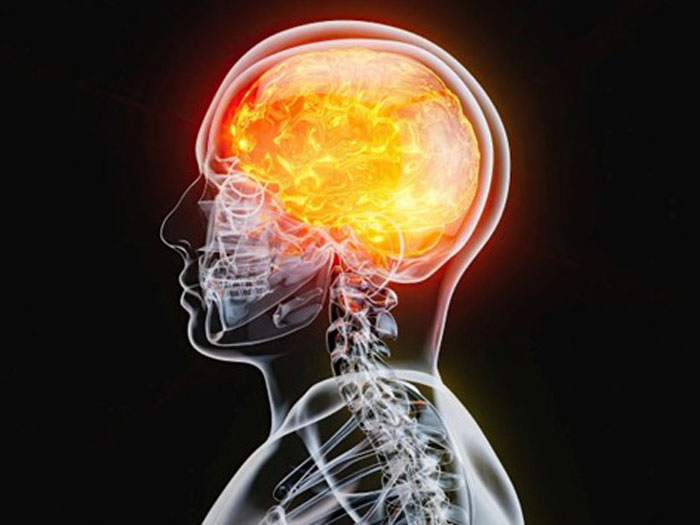
Headache is one of the most common daily complaints that most people have experienced at least once in their lifetime. This pain can be felt as a slight pressure in the forehead, to intense pulsations in the temple. However, most people experience it as a throbbing, constant, sharp, or dull throbbing pain in the head or face. There are different types of headache, which usually vary in terms of intensity, location and frequency of pain. Most headaches are not dangerous, however, some of them can be a sign of a serious illness, and if they persist, you should see a neurologist for a more detailed examination.
Types of headache with pictures
Doctors divide types of headaches into 2 general categories: primary and secondary:
- Primary headaches: these types of headaches are not caused by an underlying disease and are usually caused by over-sensitivity of nerves to stimuli. Its types include tension headache, cluster headache, migraine headache, continuous headache, ice breaker headache, thunderclap headache, and alarm clock headache.
- Secondary headaches: Secondary headaches are another type of annoying headache that is recognized as a symptom of a physical illness or health problem. sinus headaches, post-traumatic, caffeine-induced, hormonal, high blood pressure headache, ice breaker headache, thunderclap, alarm clock, and activity headache fall into this category.
-

Each type of headache has its own specific pain pattern, cause and place of occurrence. It has.
1- Tension headache
It is the most common type of headache and is usually felt as a vague pain in the whole head or pressure and heaviness around the neck, forehead, scalp and shoulder muscles. This pain is usually mild to moderate and most people liken it to "tying a tight band around the head". Everyday stress, eye fatigue, dehydration, hunger and lack of sleep can trigger symptoms of tension or emotional headache.
Treatment: Common treatments for symptom relief include over-the-counter (OTC) pain relievers, prescription muscle relaxants, or tricyclic antidepressants. Acupuncture, massage and other relaxation methods help prevent attacks.
Master Case:
A 47-year-old man came to the doctor's office with a complaint of headache, neck pain and anxiety. He also had a history of back surgery and experienced headaches in the form of pressing and tiring throughout the day.
Patient undergoing thorough investigations including examination, sonography of cerebral vessels (TCCD), brain scan and neck and back MRI were placed. The results showed that despite all the symptoms, including neck pain, constant headaches, muscle spasms and anxiety, there is no dangerous brain or vascular problem and the main cause is Tension headache; One of the most common and simple types of headache, which is usually caused by stress and neck muscle cramps.
Treat the patient with appropriate drugs to reduce nerve pain and spasm (including Pregabalin), along with advice on correcting posture and muscle relaxation It started.
Finally, the patient gradually improved during the treatment period and returned to normal life in a good mood and without annoying headache.
2- cluster headache
Cluster headache occurs in the form of intense and shooting burning around or behind one eye and on one side of the face. The most common symptoms of this type of headache are swelling, redness, flushing, sweating, nasal congestion, and tears on the same side as the headache. Cluster headache attacks usually occur consecutively and each headache may last from 15 minutes to 3 hours.
Sometimes, people experience a headache every other day during a cluster headache, but it is also possible to have 8 headache attacks in one day. Currently, the exact cause of cluster headaches is not known. Doctors consider stimuli such as alcohol, cigarette smoke, excessive activity and bright lights to be effective in its occurrence.
Treatment method: Depending on the severity of the attacks, triptans, oxygen therapy, corticosteroids or dihydroergotamine (DHE) injection may be prescribed.
3- Migraine headache
Migraine is one of the types of annoying headache that is felt in the form of throbbing, severe and usually one-sided pain. This pain can last for several hours to several days and is often accompanied by other symptoms such as sensitivity to light, nausea, vomiting, and sensitivity to sound. Also, about one third of migraine sufferers experience visual disturbances before the headache stage begins. Bright lights, stress, poor sleep, skipping meals and certain foods such as chocolate and salted meat can trigger migraine attacks.
Headaches tend to run in families, especially migraines. Children who have migraines usually have at least one biological parent who also experiences them. In fact, kids whose parents have migraines are up to four times more likely to develop them
Headaches, especially migraines, usually run in families. Children who have migraines usually have at least one of their biological parents also experiencing migraines. In fact, children whose parents have migraines are four times more likely to develop it.
Quoted from: healthline
Method of treatment: The doctor may prescribe drugs including triptans, ergots or non-steroidal anti-inflammatory drugs (NSAIDs) and other pain relievers to control and treat migraine attacks.
Are you tired of migraine headaches and don't know what to do?
make an appointment with the doctor right now and ask for treatment advice
master case:
A 32-year-old lady came to the clinic with a complaint of throbbing and annoying headaches, which was often accompanied by nausea and sensitivity to light. He also had a history of hypothyroidism and was taking related medicines.
To make sure there is no serious problem, the patient underwent thorough investigations; Including MRI and CT brain, sonography of cerebral vessels (TCCD) and detailed neurological examination. All results, including MRI, MRV, CT and TCCD, were completely normal and there was no sign of tumor, bleeding, vascular occlusion or dangerous problem.
Despite severe symptoms such as throbbing headaches, nausea and concentration disorder, investigations showed that the patient has simple migraine; A common problem that can usually be controlled and treated.
Patient treatment was started using preventive and pain control medications (including topiramate, amitriptyline and levothyroxine dose adjustment). With continued treatment and lifestyle modification, the symptoms decreased significantly and the patient returned to a normal life without debilitating headaches.
4- Continuous headache
It is a rare but severe type of headache that causes constant pain on one side of the head. Other symptoms include eye swelling, nasal congestion, drooping eyelids, reduced pupils, runny nose, nausea, and sensitivity to light and sound. At present, the exact cause of this type of headache is unknown and there is no specific trigger. Persistent headache is usually more common in women.
Treatment method: Treatment options usually include the administration of indomethacin and corticosteroids.
5- Ice breaker headache
Early ice breaker type headaches are accompanied by a short, intermittent and sharp pain in the head that usually lasts about 10 seconds. People who have experienced it say that it feels like a sharp stabbing pain with several blows in a row. Its symptoms include tears falling from one eye, pain in the temple, nausea, and sensitivity to light and sound.
The exact causes of this type of headache are still unknown, but it can be said that girls are more susceptible to it. Ice breaker headaches are usually transferred to different parts of the head. If you always experience this type of headache at one point, it may be a sign of an underlying disease.
Method of treatment: The doctor usually prescribes indomethacin to treat ice breaker headache.
6- thunder headache
A thunderclap headache is one of the most annoying types of headache that starts very quickly and reaches its peak in less than a minute. This type of headache can be of the primary type, but there is also the possibility that it may occur due to a serious disease such as ruptured or blocked blood vessels, stroke, brain injury, reversible cerebral vasospasm syndrome (RCVS) and vasculitis (inflammation of blood vessels), in which case it requires immediate medical attention.
Method of treatment: When you have a thunderclap headache for the first time, see a doctor immediately. If the doctor determines that this type of headache is not caused by a dangerous disease, he may prescribe indomethacin.
7- Alarm clock headache
Hypnic headache or alarm clock occurs at night and does not allow you to sleep well. This type of headache usually occurs in people over 60 years old and causes a dull or throbbing pain on one side of the head. Hypnic headache pain can last from 15 minutes to 4 hours.
Method of treatment: Depending on the severity of the pain, the doctor may prescribe drugs including carbolite (lithium carbonate), cyblium (flunarizine) and indomethacin.
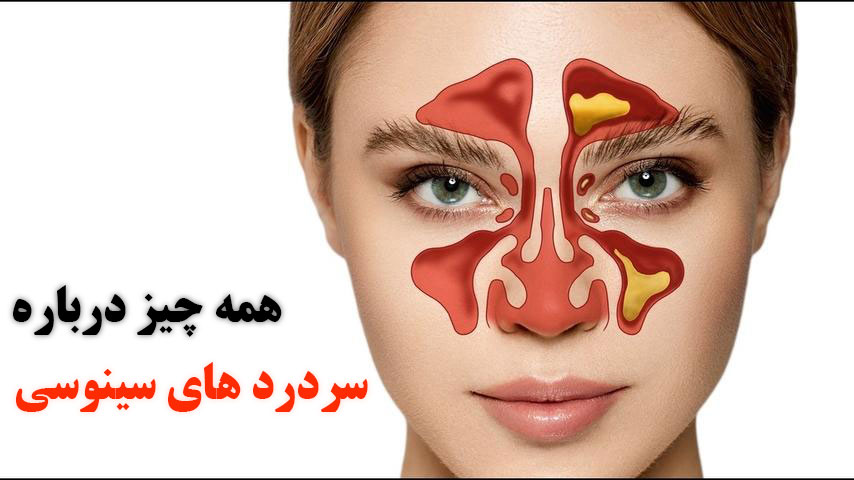
8- sinus headaches
This type of headache, as the name suggests, is caused by inflammation of the sinuses due to allergies or respiratory diseases. Sinus headaches are usually accompanied by a feeling of pressure and pain in the forehead, cheeks and eyebrows, and are felt more intensely when bending or leaning.
Method of treatment: To treat sinus headaches, the doctor removes the cause of inflammation in the sinus with the right medicine. He may also prescribe over-the-counter pain relievers to relieve symptoms.
9- Headache after the accident
Post-traumatic headaches usually occur after any injury to the head or neck. The symptoms of this headache are similar to tension headaches or migraines and usually continue 6 to 12 months after the injury.
Method of treatment: Depending on the severity of the pain, the doctor may prescribe non-steroidal anti-inflammatory drugs (NSAIDs), pain relievers or triptans.
10- hormonal headache

Hormonal headache is another type of annoying headache that is caused by hormonal fluctuations caused by menstruation, pregnancy, birth control pills and hormone replacement therapy (HRT). This type of headache usually occurs between 3 days before the period and the third day of the period and during ovulation.
Method of treatment: The doctor usually recommends the use of non-steroidal anti-inflammatory drugs (NSAIDs) to control the intensity of pain.
11- Headache caused by caffeine
Caffeine affects blood flow to the brain; For this reason, its excessive consumption can cause headaches, just like the sudden withdrawal of caffeine. People who have frequent migraine headaches are at risk of getting headaches caused by caffeine consumption.
Method of treatment: Limiting caffeine consumption can help treat this type of headache.
12- headache caused by activity
This type of headache, which is also known as movement headache, occurs immediately after intense physical activity. Activity-induced headache is felt as bilateral and throbbing pain and may last from 5 minutes to 2 days. The exact cause of this type of headache is not yet known; Some people experience throbbing pain on both sides of the head with any type of physical activity, even sex.
Method of treatment: Currently, there is no standard treatment for this type of headache. Some doctors may prescribe indomethacin to control the intensity of pain.
13- Headache due to high blood pressure
This type of headache occurs when the blood pressure is dangerously high (blood pressure above 120/180). The headache caused by blood pressure is usually throbbing, occurs on both sides of the head, and gets worse with every movement.
Method of treatment: In addition to painkillers, the doctor prescribes a special medicine to lower blood pressure.
14- spinal headache
Spinal anesthesia headache is caused by the decrease in cerebrospinal fluid pressure after sampling of cerebrospinal fluid in the back. You usually feel this type of headache in the forehead, temple, upper neck or back of the head. Its symptoms may worsen when standing, coughing, sneezing or moving.
Method of treatment: Spinal headaches usually appear five days after lumbar puncture and resolve spontaneously within 2 weeks. To reduce its symptoms, you can lie down or use over-the-counter pain relievers.
15- headache caused by drug overdose
Medical overuse headache (MOH), also known as rebound headache, occurs when a person uses medications such as acetaminophen, ibuprofen, aspirin, naproxen, and caffeine-containing medications excessively (more than 15 days per month) to treat primary headaches. This type of headache can feel like a tension headache or it may have more intense pain like a migraine.
Method of treatment: The best way to treat recurrent headaches is to stop using non-prescription painkillers.
Quote:
Most headaches don't cause complications. However, chronic cases raise the risk of mood disorders. In one study of people seeking care for headaches, nearly 20% had depression, and almost 14% had anxiety.
Most headaches do not cause complications. However, chronic cases increase the risk of mood disorders. In a study on people who went to the doctor because of headaches, almost 20% had depression and almost 14% had anxiety.
quoted from verywellhealth
Table of types of headache based on symptoms
Headaches are sometimes similar in terms of intensity and pain location, but each one has a specific pattern that helps to diagnose their cause. In the table below, we examine the causes of common symptoms associated with headache:
| Types of headache based on symptoms | Possible reasons |
| Headache and dizziness | Migraine and hypoglycemia |
| headache and nausea | Migraine, dehydration, pregnancy, food allergy, flu and cold |
| Headache and neck pain | Long-term driving, wrong sleeping patterns, excessive use of cell phones and neck sprains |
| Headache and fever | Presence of infection in the body |
| Headache and blurred vision | high blood pressure |
| Headache with pain in the face | Rupture or occlusion of the carotid arteries |
cause of headache
Some factors activate certain nerves in the brain and affect blood vessels and muscles. Since these nerves send pain signals to the brain, they play an important role in causing various types of headaches. Factors affecting the nerves of the brain include the following:
- Genetics
- Environmental factors such as pollution, allergens, chemicals, loud noise and strong light
- diseases such as sinus inflammation, throat inflammation and middle ear inflammation
- Physical injury such as a blow to the head or neck
- Arbitrary and excessive use of drugs
- Change in sleeping pattern or skipping meals
- Extreme stress and anxiety
What is the cause of headache in women?

Among the types of headaches, hormonal headache can be considered the main cause of this condition in women. The decrease in estrogen levels in the days before the period is directly related to women's headaches; For this reason, most women have headaches 3 days before their period until the third day of their period. A decrease in estrogen levels can increase the sensitivity of certain nerves in the brain and provide the basis for migraine headaches during menstruation. Other factors that reduce hormonal changes and the occurrence of headaches in women include:
- Pregnancy
- menopause
- Use of contraceptive pills
What are the dangerous types of headache?
If the headache is sudden, severe, accompanied by neurological or systemic symptoms and different from usual headaches, it is dangerous. identifying dangerous headaches is very important; Because these headaches are usually a sign of a serious illness in the body. The most important types of dangerous headaches include the following:
- Sudden and thunderous headache
- Headache after head and neck injury
- Headache with numbness on one side of the body
- Headache caused by thrombosis of cerebral veins
- Headache with stiff neck and fever
- Headache due to infection
- Headache due to high blood pressure
- Headache with pain in the neck and face
- Headache caused by brain tumor
- Headache with inability to control muscles, speech or vision
CTA: If frequent headaches worry you, it's time to talk to a specialist!
Make an appointment with a doctor and consult with just a few simple clicks
When should we go to the doctor for all kinds of headaches?
In most cases, headaches resolve spontaneously with rest within 48 hours. However, if your headache lasts more than 2 days or is accompanied by the following symptoms, be sure to see a neurologist:
- Change in headache pattern
- Intensification of headache
- confused
- Fever
- Stiffness and stiffness of the neck
- Stuttering
- visual impairment
- numbness of one side or part of the body
Method to diagnose types of headache
There are different types of headache and some of them are very similar to each other in terms of intensity and pain location; Therefore, the best solution to diagnose the cause is to consult a neurologist. The doctor first takes a history from the patient and asks questions about the time, duration, severity and location of the symptoms, medications used, family history of headaches, symptoms such as nausea, sensitivity to light or vision problems, and any type of stimulus or activity that worsens the symptoms. These questions will help your doctor determine whether your headache is primary or secondary. Also, more detailed tests may be needed to diagnose the root cause of the headache types. These tests can include the following:
- MRI and CT scan
- lumbar puncture
- Blood test
- urine test
Severe headache immediate treatment
The best way to treat a headache depends on its type. Some methods help to Severe Headache Home Remedies and reduce the intensity of the pain in a short period of time. For example, a migraine headache can be relieved with basic measures such as resting in a dark and quiet room. Also, the best way to reduce tension headache symptoms is to modify lifestyle such as daily stress management and proper nutrition. The doctor usually prescribes painkillers and non-steroidal anti-inflammatory pills such as ibuprofen, naproxen and indomethacin until the main cause of the headache is diagnosed and the appropriate medication is prescribed for the immediate treatment of the headache.
Is it possible to treat headache with rTMS?
rTMS or Repetitive Magnetic Stimulation is a new non-invasive treatment method that uses a magnetic field to stimulate and regulate certain areas in the brain. This method is considered a suitable option, especially for people with mild to moderate migraine headaches resistant to treatment. If you are curious to know more what is rtms, we must say that treatment with rTMS device is a safe procedure that is performed without pain and without the need for anesthesia. During rTMS treatment, a person sits in a chair and a device attached to the scalp with a coil sends magnetic pulses to certain parts of the brain to regulate nerve activity and reduce pain sensitivity.
guide to see a doctor
Headache is one of the common problems that is sometimes caused by a simple factor such as stress and insomnia, but it can be caused by more complex disorders such as migraine, nervous problems or hormonal changes. There are different types of this complication, and each of them may be different from each other in terms of the intensity of the pain and the location of the symptoms.
Frequently Asked Questions