Types of gastric bypass surgery
Dr. Farbad Emami Yeganeh
تهرانLaparoscopic surgery fellowship
جراحی چاقی برای ایجاد یک میانبر در دستگاه گوارش و ایجاد مقدار تنظیم شده ای کاهش جذب مواد غذایی
عمل بایپس معده نوعی از روشهای جراحی چاقی و متابولیک است که بصورت لاپاراسکوپی(بسته) انجام می شود.هدف اصلی این عمل های ایجاد یک میانبر در دستگاه گوارش است تا مواد غذایی کل مسیر گوارشی را طی نکند و جذب آن کمتر شود. These operations are considered standard and approved treatment methods in the world, which both treat severe obesity and reduce weight, and improve its associated diseases such as type 2 diabetes, blood pressure, fatty liver and other diseases.
Free consultation and appointment reservation
What is gastric bypass surgery?
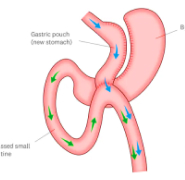
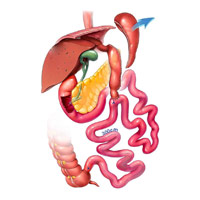
Gastric Bypass Surgery is known as the fastest and most powerful weight loss method in the world, and its results are permanent, provided the patient adheres to post-operative care. The basis of this surgery is to create a shortcut in the digestive system and shorten the passage of food. This surgery involves reducing the volume of the stomach to about 15 to 30 cc and directly connecting the new stomach to a distant part of the small intestine.
After the bypass, the swallowed food goes directly to the small intestine and practically most of the stomach and the initial part of the small intestine are bypassed. The bypass operation will be performed only when exercise and diet are not effective or the patient suffers from health problems due to his high weight. Gastric bypass operation is performed based on the health status and the amount of excess weight of the patient using different techniques. This surgery is performed in classic ways, mini bypass, sasi bypass and sasj bypass.
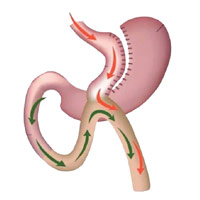
In Classic Bypass Using standard methods, two grafts or junctions are created, one gut-to-stomach graft and another between two parts of the intestine. Meanwhile, the mini bypass technique is performed as a single anastomotic bypass (single graft) and includes a graft between the intestine and the stomach. Sassy bypass or Sassi sleeve is a combination of two methods of bypass and gastric sleeve, which often results in the improvement of type 2 diabetes.
In the sausage bypass technique, the sleeve is also performed first, and finally the bypass is performed by connecting the intestine to the sleeved stomach. Choosing the right technique from among the 4 techniques introduced to treat the patient is the responsibility of the advanced bariatric surgery and laparoscopic fellowship.
In the following, we will refer to various techniques for performing this surgery.
In classic bypass, the stomach is first divided into two large and small parts, but the stomach will not be removed from the body. The smaller part includes approximately 10% of the stomach and is responsible for receiving food. In the second stage, surgery is performed on the intestine, the lower part of the small intestine is selected and connected to the stomach. Another link is created between intestine and intestine.
In mini bypass, unlike classic bypass, the stomach and small intestine are connected with an anastomosis (graft) and it is also called single anastomotic bypass. A large part of the stomach is removed from the food path, and as the stomach volume decreases, the person eats a smaller amount of food, and the food enters the intestine as a shortcut, as a result, it has fewer side effects.
Sasaj is a kind of combination of sleeve and bypass surgery, which has the advantages of both. The surgeon first performs the gastric sleeve and then connects a part of the intestine to the sleeve using the gastric bypass method. 25% of food enters the remaining part of the sleeve and from there it goes to the small intestine, large intestine and anus respectively. But 75% of food items do not go the whole way and take shortcuts.
The Sassi method is a combination of gastric bypass and gastric sleeve. First, the stomach is shrunk with a sleeve, and a part of the sleeve is connected to the ends of the small intestine. More of the small intestine is bypassed than sausage bypass. This technique will cause weight loss and malabsorption of food more than bypass sausage operation.
Gastric bypass benefits
Gastric bypass surgery has had successful results throughout history. Now the question arises, what are the benefits of gastric bypass surgery and why is this surgery known as one of the most popular and successful bariatric surgeries in the world?
The following are among the benefits of gastric bypass surgery that can be mentioned:
- Rapid weight loss with almost no return
- Achieving ideal weight in 18 months
- Decreasing the desire for sweets and sugary substances
- Improving type 2 diabetes, high blood pressure, sleep apnea, polycystic ovary and ovarian laziness
- Improving the patient's mood and increasing self-confidence following the treatment of depression, improving sexual function and social interactions
- Reducing the dosage of anti-cholesterol and blood pressure lowering drugs
- Regulating hormonal disorders and improving sexual health in women and men
- short recovery period and quick return to normal life
- Low pain or no pain due to laparoscopic surgery
- being safe and low risk
For whom is gastric bypass surgery suitable?
BMI, metabolic syndrome, psychological requirements and lifestyle are the most important criteria to check the eligibility of patients.
Suitable people for gastric bypass surgery are selected by carefully evaluating BMI body mass index, medical records, mental health, etc. The best way to find out if you are a candidate for bypass surgery is to visit a bariatric surgery superspecialty fellowship. Although bypass surgery has been associated with extremely impressive results in weight loss, but it is not suitable for all patients.
In general, gastric bypass surgery is performed with the aim of helping to lose weight and reducing the risk of diseases related to excess weight that threaten the patient's life, and it can help people with the following characteristics:
- People with severe gastric reflux
- Persons with uncontrolled binge eating
- People who crave sweets
- People who have regained weight after gastric sleeve
- Those who are overweight or morbidly obese with a body mass index above 40
- People who suffer from diseases associated with obesity such as breathing problems, sleep apnea, diabetes, high blood pressure, joint pain and cardiovascular problems
- People with a body mass index higher than 35, people who have not managed to lose significant weight in at least a 6-month attempt through conventional slimming methods such as exercise and diet
- Those whose bodies are resistant to weight loss due to underlying diseases, hormonal changes and aging
- People with metabolic syndrome (a combination of diabetes, high blood pressure and obesity) who are at risk of heart disease and stroke
Preoperative preparation, surgery and medical care
If you meet the eligibility criteria for gastric bypass surgery, you are a good candidate. The diagnosis of whether you are a suitable candidate for gastric bypass surgery is the responsibility of the surgeon, and the best bariatric surgery method is determined by the doctor. The final decision is made after specialized tests: Blood test (checking the body's iron and hemoglobin status, blood sugar, kidney and liver function) Stomach endoscopy (checking internal stomach problems such as ulcers, inflammation or infection) Breathing or sleep test (to diagnose sleep apnea)
The patient must follow a light and special diet two weeks before the surgery to be fully prepared for this operation. This diet is a light diet, which will focus on consuming enough fluids and more protein.
Consumption of a small amount of soup and vegetables is also recommended to patients in this diet. This diet is designed to reduce the size of the liver. This will help to open the interior of the abdomen for better surgery.
Following this diet may be a little difficult in the initial days. But after a few days, the body gets used to this diet and fat burning starts. It is better to stay away from any stress and worry for more preparation. For this, it is better to have enough rest.
The patient must be fasting on the day of surgery. Therefore, it is very important not to consume food and drinks for 12 hours before the operation.
The patient is hospitalized for one day after gastric bypass surgery. This is to control the physical condition of the patient after the operation. According to the advice of the advanced laparoscopy and bariatric surgery fellowship doctor, the patient should get out of bed the day after the operation and take a little walk.
In order to control the pain, safe painkillers are used according to the doctor's prescription. Drinking enough water can save the body from dehydration and constipation. It is recommended to drink water slowly and in small amounts each time.
It is recommended that patients refrain from heavy activities for a week after the operation and be active as much as possible to increase the speed of recovery. It is better not to forget to see your doctor regularly. The first visit session should be one week after the surgery and the second session should be about a month after it. Then go to the doctor for an examination three months later.
If the results of the patient's tests are satisfactory, the sessions will be postponed to every 6 months and after a year to every year.
Remember that after performing this procedure, you should still follow a basic diet and avoid snacking or overeating. Also, consumption of foods that irritate the stomach tissue is prohibited for some time after the operation.
1- Following a diet of filtered liquids for two weeks
2- Consuming at least 8 to 10 glasses of liquids per day
3- Walking after the effects of anesthesia wear off
4- Caring for scars and daily bathing
5- Pain control for a few days
6- Taking supplements and vitamins to receive sufficient amounts of vitamin B12, iron and calcium
7- Refrain from heavy activities
8- Avoid overeating and snacking
9- Avoid consuming prohibited foods
10- Regular visits for medical follow-ups
Comprehensive patient guide for gastric bypass operation
In the past, to perform bariatric surgery, a large incision was made on the abdomen and the surgery was performed in a completely invasive manner. This type of surgery brought many risks for the patient. But today, using laparoscopic methods, there is no need to open the abdomen completely, and the surgery is performed using several small holes. Also, it does not require special care and its recovery period is very short. In this section, we explain the decision-making process to surgery and post-operative care for you.
Weight loss process after gastric bypass operation
The effect of gastric bypass surgery on weight loss is a two-year process. During this period, the patient will lose an average of more than 90% of his initial weight. If this weight loss is accompanied by post-operative care, it will be irreversible.
Reducing the passage of food to the elimination stage is the result of the changes that are made to the patient's digestive system. These changes lead to a decrease in the volume of the stomach and the duration of food retention in the body, and as a result, a decrease in the amount of calories entering the body.
Also, there are changes in the amount of hormone production, metabolism, and intestinal function. These changes also affect the complete absorption of food calories and the secretion of stomach acid and hunger hormones. The series of changes created in the patient's digestive system will lead to weight loss and treatment of diseases associated with obesity.
Weight loss will be fast and mainly due to activated metabolic reactions in the body. Usually, 4 to 8 kg of weight loss is observed in the first two weeks.
Up to one month after gastric bypass, the patient still adheres to a liquid or semi-solid diet, and as a result, the weight loss process is still rapid. The average weight loss in this period will be 12 to 15 kg.
After nearly 3 months of weight loss surgery, weight loss is more noticeable and visible, and usually people lose 20-30% of their extra weight. At this stage, the patient is introduced to a light solid diet and regular physical activity. At this time, people have lost about 20 to 23 kg after the operation.
Weight loss continues, but is slower than in the initial months, the patient usually has lost 60-70% of his excess weight. After 9 months, changes in appearance and energy level are very evident. You can expect a weight loss of about 28 to 35 kg by month 9.
Weight loss approaches the point of stability after one year. On average, people lose 70-80% of their excess weight. The patient's main focus is on stabilizing weight, changing lifestyle and maintaining healthy habits. On average, people will lose about 40 kg of weight by the first year.
Keep in mind that the process of weight loss varies from person to person and starts from the first two weeks and usually after a year, the weight loss usually stops stabilizing. Adherence to diet, supplements, and exercise is essential for long-term success.


Gastric bypass operation cost
The cost of gastric bypass surgery in 1403 is between 100 and 110 million Tomans.
| Cost Description | Approximate price |
| Tools required in
Action including stapler |
45 million tomans |
| Hoteling and hospital | 25-35 million tomans |
| Wages of surgical teams
and assistant surgeons |
10-15 million Tomans |
| Total cost | 100 to 110 million tomans |
If the patient's body mass index is higher than 40, they can use the services of supplementary insurances to perform this procedure. If the patient receives insurance approval before the operation, he can receive a part of the costs by presenting the settlement invoice with the hospital to the insurance organizations.
Free consultation and appointment reservation
Opinions of patients after gastric bypass operation
The experience of those who have undergone gastric bypass surgery can be very useful for others. Using the experiences of loved ones can be very helpful for you to make a better decision.
It is interesting to know that most of our clients have chosen us due to the positive and successful experience of previous patients and the successful results of slimming surgery with the least amount of complications.
Reduce 45 kilos in 8 months
With Sausage Bypass, I lost 45 kilos in 8 months. I went from 120 kilos to 75 kilos and experienced a lot of size change, but fortunately, following the exercises suggested by the doctor and following a proper diet, I did not experience any sagging or sagging of the skin.
11 months after mini bypass
My sister's positive experience with Dr. Emami's surgery made me think about weight loss and slimming surgery. Due to my high weight, I couldn't walk and even cried in some cases, I went from 125 kg to 73 kg in 11 months and I walk much easier. My blood pressure and diabetes are gone.
Omega bypass experience after 9 months
I went from 120 kilos to less than 80 kilos in 9 months. Daily activities and walking became difficult for me, but now I walk more than 1 hour a day and my physical condition has improved a lot. In terms of social relations, I also experience a great positive impact. About a year ago, I met Dr. Emami online, and now that it has been a year since the operation, I have lost about 40 kg of weight. I would like to thank the doctor because they are very careful during the operation.
Disadvantages of gastric bypass, who is not recommended?
According to the results obtained from scientific studies, gastric bypass surgery is not suitable for all people. For example, people who have a low BMI are not good candidates for this surgery. These people can often easily control their weight through exercise and diet. Also, people who suffer from bulimia, health problems, uncontrolled diseases, and unresolved mental problems also do not have the necessary criteria to perform this procedure. Therefore, bypass surgery is not suitable for people who are looking for a quick or temporary solution for weight loss. A person who has anemia or is menopausal and prone to osteoporosis should not undergo gastric bypass surgery. Gastric bypass surgery, along with its advantages, may also have some disadvantages, which include:

- Change in the order of the digestive system
- Dumping Syndrome It is due to the sudden entry of food from the stomach into the intestine and is accompanied by nausea, vomiting, diarrhea and discomfort in the stomach.
- Heartburn due to reflux of bile into the esophagus
Stomach leakage, infection and bleeding from the suture site, intestinal obstruction, hernia, gallstones, blood clots and embolism are also among the complications that are likely to occur.
Regret after gastric bypass surgery!
Regret after gastric bypass surgery can sometimes be a deterrent for patients to undergo bariatric surgery. But how true is this issue and who might regret it after doing this? Watch the video below to get information and make a better decision.
Is gastric bypass better or gastric sleeve?
Usually, gastric sleeve is recommended to the bulky eaters and gastric bypass to the small and sweet eaters, but the final decision is better to be made under the supervision and advice of a specialist doctor. Watch the video below for more details.
Dr. Farbad Emami Yeganeh
bariatric surgery specialist in Tehran
advanced obesity surgery and laparoscopy in Tehran
- Official member of the International Federation of Bariatric and Metabolic Surgeons (IFSO)
- Official member of the American Society of Bariatric and Metabolic Surgeons (ASMBS)
- Member of Physicians and Surgeons of the United Arab Emirates (DHA)
- Member of the Iranian Endoscopic Surgeons Association
FAQ
هدف اصلی از انجام عمل بای پس معده، کنترل وزن و لاغری است. هرچند این جراحی می تواند منجر به درمان یا کنترل بیماری های زمینهای نیز شود.
این جراحی برای افراد مبتلا به رفلاکس شدید معده و ریزه خواری کنترل نشده مناسب است.
بیماری هایی نظیر آپنه خواب، دیابت نوع دو، فشار خون بالا، مشکلات قلبی و عروقی و غیره نیز بعد از این جراحی بهبود می یابند. درمان مشکلات هورمونی و اختلالات باروری نیز از دیگر مزیت های انجام بای پس معده هستند.
اغلب بیماران بعد از انجام جراحی بای پس، نیاز به یک الی دو روز بستری در بیمارستان دارند.
پس از پایدار شدن شرایط، بیمار مرخص شده و مابقی مراقبت های بعد از بای پس معده را در منزل انجام خواهد داد . This period lasts about 4 weeks, but the patient returns to his normal life immediately after discharge.
Patients need at least 3 to 4 days off from work after gastric bypass surgery.
It is also necessary to refrain from driving for three weeks after surgery.
Doing heavy work such as lifting objects, vacuuming, etc. is prohibited for at least 2 months. Although there are limitations in the patient's physical activities, inactivity should also be avoided.
Long-term inactivity can increase the risk of clots and embolism in these people.
Weight loss after gastric bypass surgery starts right from the first week or even the first day after the operation.
The patient will lose approximately 35 to 40% of his weight during 3 months. The weight loss process slowed down a bit in the second trimester and it is expected that after the end of 6 months the patients will lose about 50 to 60% of their excess weight. After 12 months, the patients are almost close to their ideal weight and have lost more than 80% of their excess weight. The end of 18 months can be considered the end of the weight loss journey after this surgery. However, weight loss can be expected to continue at a slower rate in the next 6 months.
The amount of weight loss after gastric bypass surgery is different for each patient. However, it seems that most patients are able to lose more than 90% of their weight in 18 months. The process of weight loss in patients varies depending on the surgical technique, the amount of initial excess weight, ideal weight, comorbidities, and the patient's adherence to postoperative care. In general, the speed of weight loss in this surgery is faster than gastric sleeve, and patients often lose 5% more weight.
Weight loss after gastric bypass surgery is irreversible provided the patient adheres to post-operative care. The average weight loss during 18 months is about 90% and some patients may achieve this goal later. This surgery changes the patient's lifestyle, sports activities and eating habits and gives him a new life.
If patients resume the process of snacking or eating large meals, it will lead to weight gain again.
After gastric bypass surgery, consumption of alcoholic beverages is prohibited for at least 6 months.
Also, to prevent dehydration, the patient should consume enough fluids (at least 8 cups during the day). Liquids should not be consumed 30 minutes before and after meals. Consumption of solid foods with hard texture and fried foods is prohibited for up to 1.5 months. The patient's diet changes over time according to the state of recovery and the body's adaptation to the changes.
After the operation, only foods rich in protein, fat-free and low in sugar are allowed. In the first week after the operation, only drinking clear and filtered liquids is allowed.
In the third week, pureed diet is added and after a few weeks, the patient can also consume soft foods. The number of meals should be large (3 to 6 meals) and the volume of meals should be small (4 to 6 tablespoons).
This is a question that many patients face after visiting a specialist doctor. It should be noted that during this surgery, the passage of food is cut short. As a result, the food is transferred to a further path in the intestines and only a part of the stomach and intestine is removed from the passage of food.
It is better to know that in this method, the body absorbs the food it needs in a sufficient amount. As a result, the patient's body will not face vitamin deficiency after this surgery. The correct technique of surgery will prevent disadvantages such as vitamin deficiency.