Intestinal obstruction in children (symptoms + causes). Dr. Ali Faraji

Dr. Ali Faraji
تهرانSpecialist in children and babies

Intestinal obstruction in children
- 07/24/2024
- 6 minutes
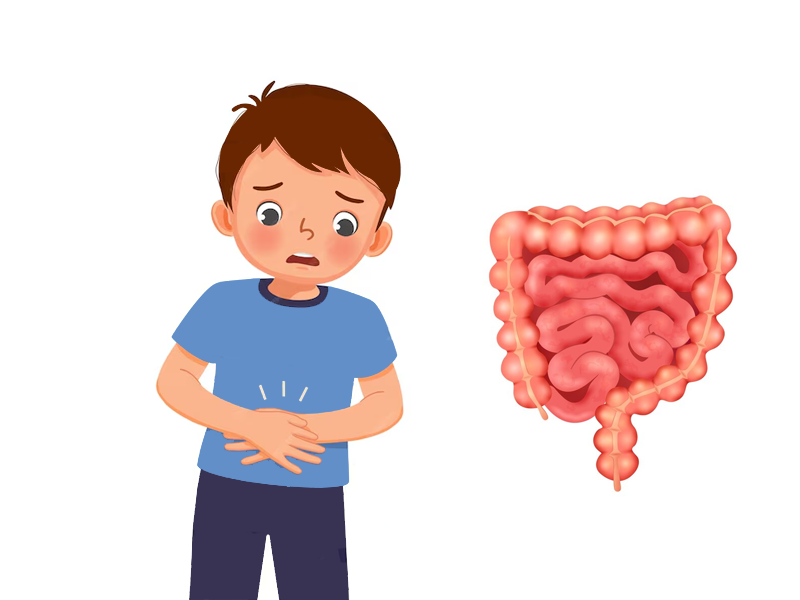
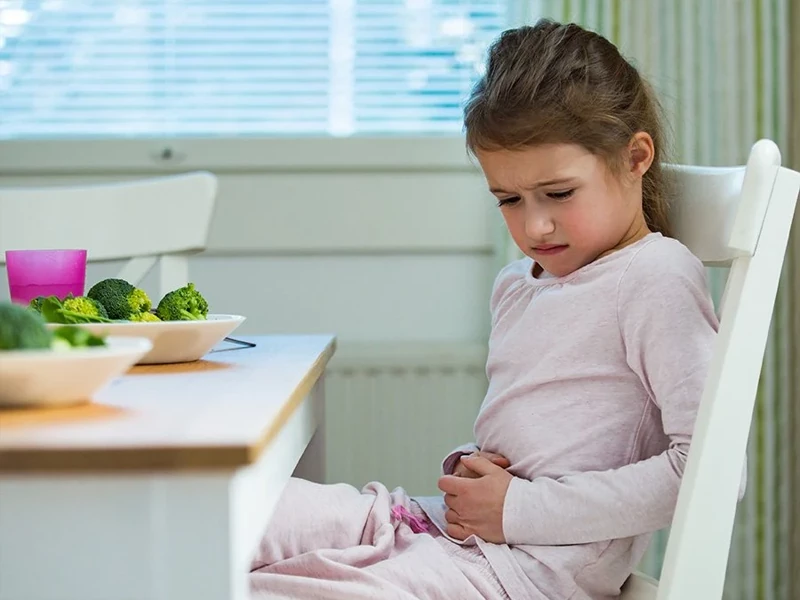
Intestinal obstruction in children is one of the common problems that affects many children and babies. This disease appears with symptoms such as abdominal pain, diarrhea, constipation and bloody stools, and causes restlessness and discomfort for the child. Various factors such as infections and hereditary problems can lead to intestinal obstruction. For this reason, it is essential that this condition be diagnosed and treated by a doctor quickly, because a delay in treatment may cause serious and irreparable damage to the digestive system of children.

Intestinal obstruction symptoms in children
Intestinal obstruction in children occurs with several symptoms, the severity of which is different in different children. Among the most important symptoms of intestinal obstruction in children, the following can be mentioned:
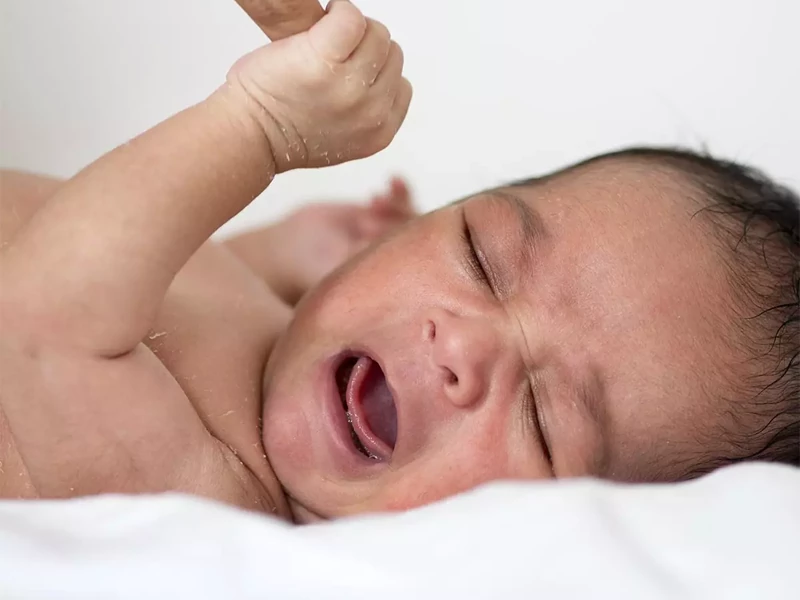
- Sudden crying
- Fever
- Anal bleeding or the presence of blood in the stool
- Stiffness and swelling of the abdomen
- Red and gelatinous stools
- Extreme lethargy and fatigue
- Green or yellow vomit
- Diarrhea in children
- Profuse perspiration Dehydration
These symptoms require immediate medical attention to prevent more serious problems.
Read more => Chickenpox in Children
Reasons of intestinal obstruction in children
Intestinal blockage in children can be caused by various factors that doctors emphasize. These important and important factors are:
- Congenital obstruction In some cases, children are born with intestinal narrowing or missing parts of it.
- Pyloric Stenosis Pylorus is the opening between the stomach and the intestine, which, if narrowed, prevents the passage of food from the stomach to the intestine. Intussusception, also known as intussusception, is a condition in which one part of the intestine slides into another part. This disease can be transmitted to the child due to family history.
In addition, viral infections, parasites, cancerous masses and other things can also lead to intestinal obstruction in children.
When is intestinal obstruction diagnosed in children?
Many families ask how to diagnose intestinal obstruction in children. It should be said, if your child experiences problems such as irregular stool excretion, severe abdominal pain, changes in bowel activity and loss of appetite, it may be a sign of intestinal obstruction. In such cases, it is necessary to see a doctor for accurate diagnosis and proper treatment.

Also, attention should be paid to the decrease or absence of bowel sounds. This symptom can indicate intestinal obstruction in children. Therefore, parents should pay attention to these signs and check their child's condition daily.
When should we go to the doctor to treat intestinal obstruction in children?
If your child has one or more of the listed symptoms, contact best pediatrician to examine the child carefully. Constipation and pain are very annoying for children, so it is necessary to see a doctor quickly. By performing an examination, ultrasound and imaging, the doctor can give an accurate diagnosis of intestinal obstruction and prescribe the best treatment depending on the child's condition.
Usually, the doctor initially suggests drug treatment and non-surgical methods, but if there is no improvement, surgery may be needed to restore the child's health in a short period of time. This problem may appear at the time of birth or during childhood.
Treatment of intestinal obstruction in children
There are various options for treating intestinal obstruction in children, and doctors choose the best treatment method based on the specific condition of each child. These treatments are divided into two general categories; Surgery and non-surgery.
Surgical treatment method
Surgical treatments are divided into two main types:
- Laparotomy or open operation: in this method, the doctor uses a larger incision to access the intestine.
- Laparoscopy or closed operation: in this method, using small incisions and special tools, the doctor is able to observe and treat the problem without the need for large incisions.
Types of non-surgical treatment methods
Non-surgical treatments include the following options:
- Installing a nasogastric tube: a tube that is inserted into the stomach through the nose to drain excess fluids and gases.
- Intestinal stimulant drugs: to stimulate bowel function and help the normal movement of stool.
- Increasing the consumption of water and liquids: to prevent dehydration and help soften the stool.
- Decreasing fiber consumption: In cases where a lot of fiber may aggravate the blockage.
- Gradual feeding: gradually introducing food to the child's diet to avoid putting extra pressure on the intestines.
- Consumption of supplements and vitamins: to improve the general condition of the child and help the healing process.
- Reducing stress in children: to reduce the negative effects of stress on the digestive system.
These methods help doctors to provide the best treatment based on the specific needs of each child and help to heal bowel obstruction faster and more effectively.
What diseases increase the possibility of intestinal obstruction in children?
There are many diseases that increase the incidence of intestinal obstruction in children, so families should pay a lot of attention to them in order to protect their children from aggravation of the disease. Diseases such as chronic intestinal inflammation, inflammatory bowel diseases, viral or bacterial infections, asthma, some genetic disorders, and most importantly, the late diagnosis of some diseases such as cystic fibrosis of the colon increase the possibility of intestinal obstruction in children.
Therefore, families are advised to always take it seriously and seek definitive treatment of the disease if they have a hereditary history of the said diseases or if they see symptoms of them in their children.
Conclusion
Digestive problems, especially discomfort in the intestines for children who have a weak body, can be very painful and cause them restlessness. Intestinal blockage is generally more common in young children, which manifests itself with pain and crying, bloating, swelling, bloody stools, diarrhea and vomiting, and many other things. With timely treatment of this common disease, you can prevent its aggravation and avoid the need for surgery.
FAQ
At what age is intestinal obstruction most common in children?Intestinal obstruction occurs most often in children between 3 months and 3 years of age, and is usually accompanied by loud, nonstop crying that indicates the child is in pain.
Is intestinal obstruction the same as constipation?No, intestinal obstruction has similar symptoms to constipation, but the two problems are completely different. Careful medical examination can determine the difference between the two, so intestinal obstruction should not be confused with other digestive problems.
How many types of intestinal obstruction are there in children?Intestinal obstruction in children is divided into three types: chronic obstruction, acute obstruction, and partial obstruction. Each of these types has its own symptoms and timing and should be treated as soon as possible.
Related contentHow to treat a child's flatulence? The Complete Guide for Parents
Abdominal bloating in children is one of the common problems that
The best pediatrician on Government Street, a safe choice for your child's health
Choosing the best pediatrician is one of the most important decisions
Anemia in infants: symptoms, causes and effective treatment methods
Anemia in babies is one of the common problems during pregnancy
Write your opinion Cancel reply