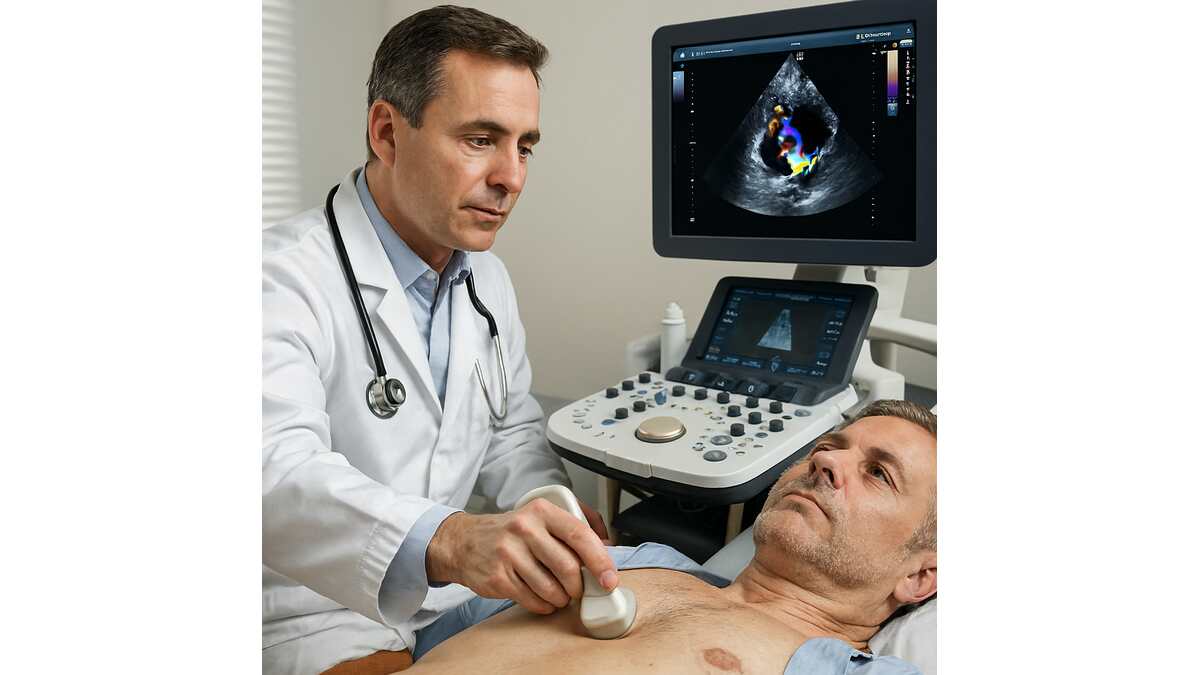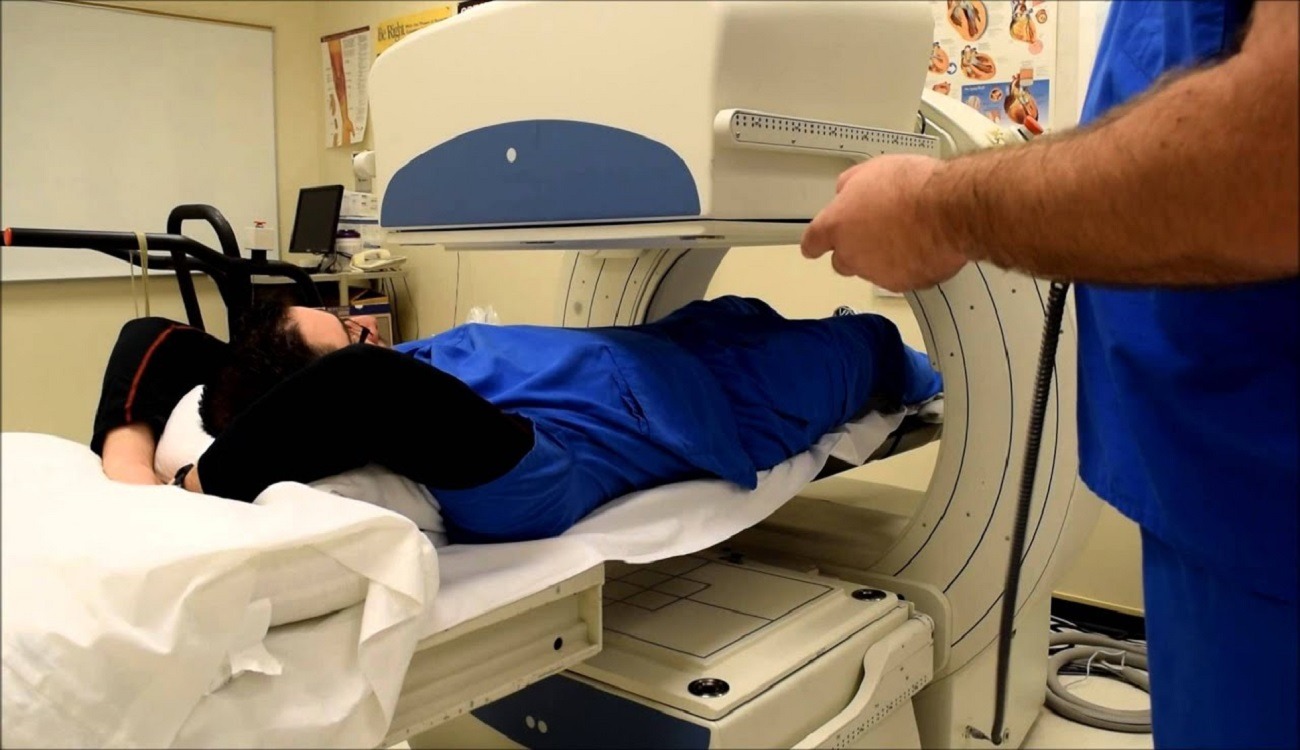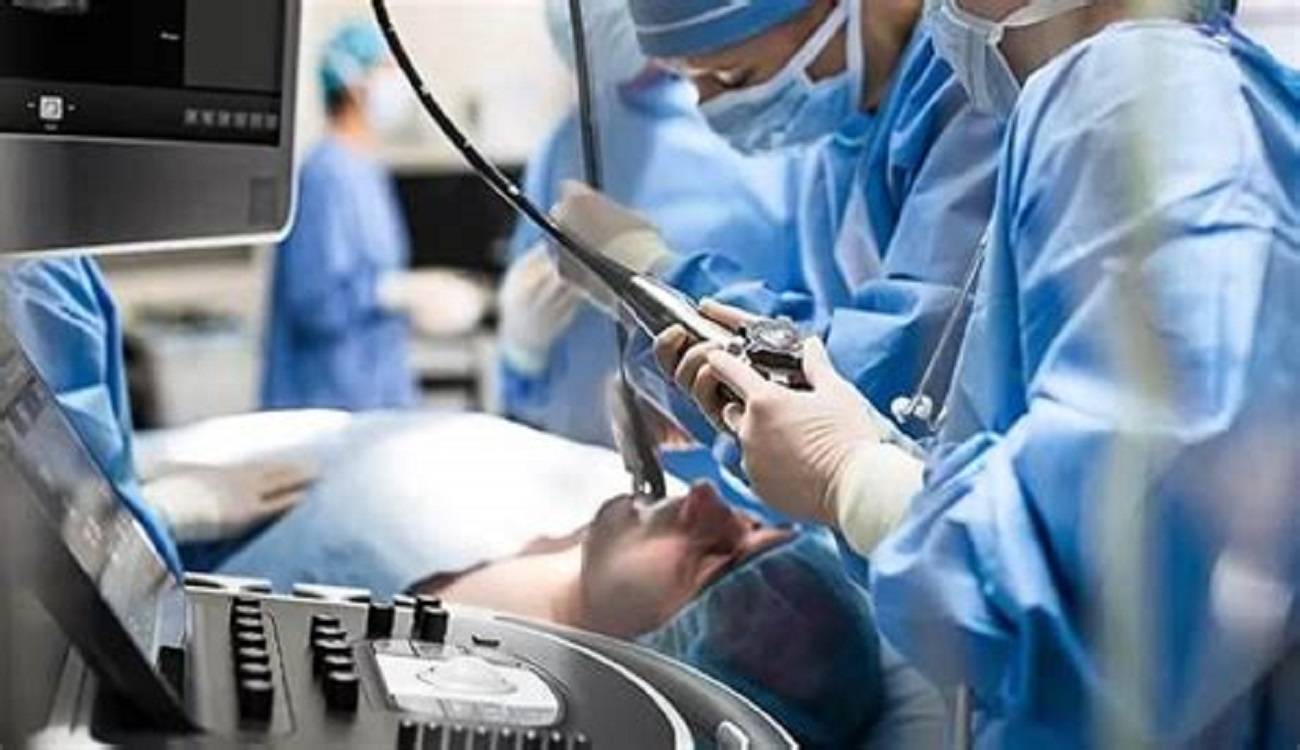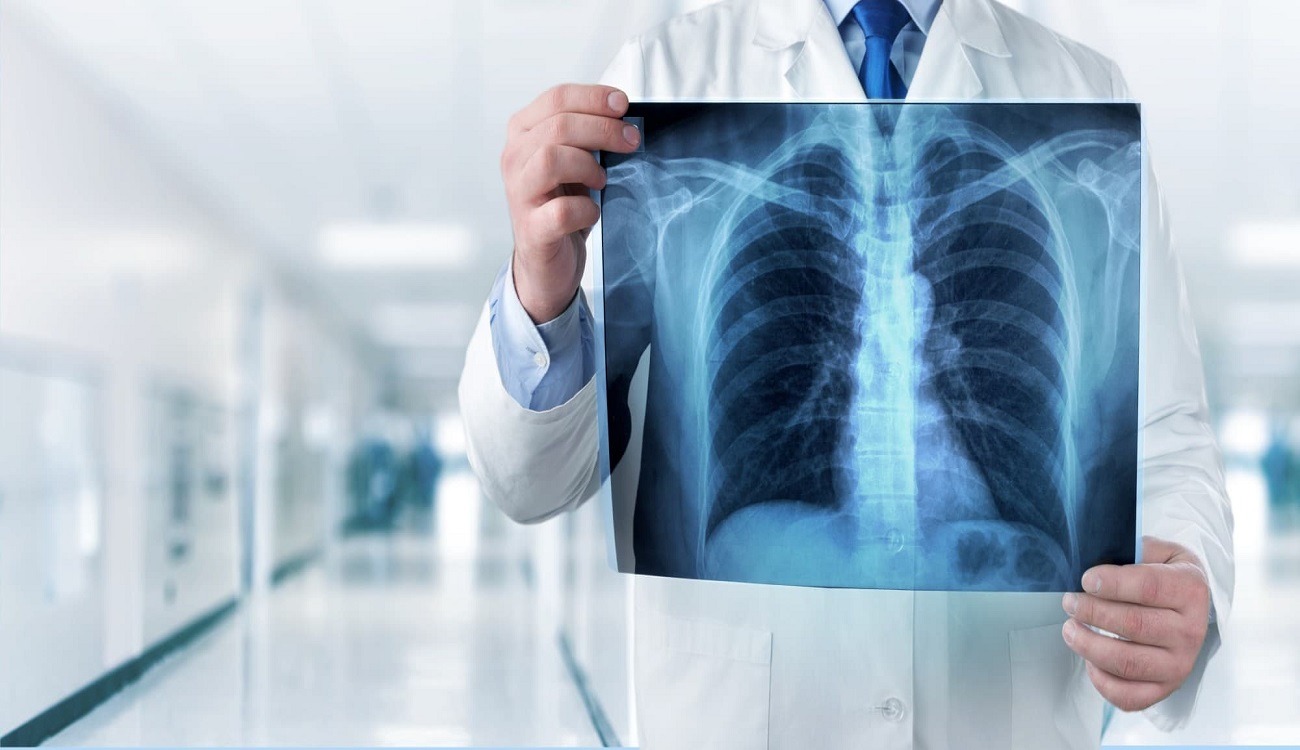

Nuclear scanning in the diagnosis of hidden cancers, its various methods, advantages and limitations and its role in the treatment process of cancer patients are discussed in this article. Cancer is one of the most common and complex diseases in the world, whose early diagnosis can play a very important role in improving the quality of life and increasing the chances of treatment. Many cancers have no obvious symptoms in their early stages, making them difficult to diagnose. In this regard, nuclear scanning in the detection of hidden cancers has been proposed as a new and efficient tool. Using radioactive materials and advanced imaging technologies, this method is able to identify cancer cells even before the appearance of clinical symptoms.
Table of Contents
- 1 Definition and nature of nuclear scanning
- 2 Role of scanning Nuclear in the detection of hidden cancers
- 2.1 Types of nuclear scans and the use of each one
- 2.2 1. PET Scan (Positron Emission Tomography)
- 2.3 2. SPECT Scan (Single Photon Emission Computed Tomography)
- 2.4 3. Bone Scan
- 2.5 4. Thyroid Scan
- 2.6 Advantages and limitations of nuclear scan
- 2.7 ✅ Note:
- 2.8 Nuclear scanning process
- 2.9 Clinical cases and practical examples
- 2.10 Nuclear scanning compared to other methods Diagnostic
- 2.11 one of the most equipped nuclear scanning centers in Saadat Abad, Tehran
- 2.12 the latest technologies used in nuclear scanning
- 2.13 The process of nuclear scanning in Vistan Clinic
- 2.14 What is a nuclear scan and how is it different from other imaging methods?
- 2.15 Is nuclear scanning dangerous for the patient?
- 2.16 In which cancers is nuclear scanning more useful?
- 2.17 Is it necessary to perform a scan Does nuclear need special preparation?
- 2.18 How long does it take to prepare the result of nuclear scan?
- 2.19 Can nuclear scan detect cancer recurrence? slow?
Definition and nature of nuclear scanning
Nuclear scan or "Nuclear Imaging" is a medical imaging method that uses radioactive substances or radionuclides to observe biological activities in the body. Unlike traditional imaging methods such as radiography or MRI, which mainly show anatomical structures, nuclear scan is able to image the functional processes of cells and tissues at the molecular level. kill.
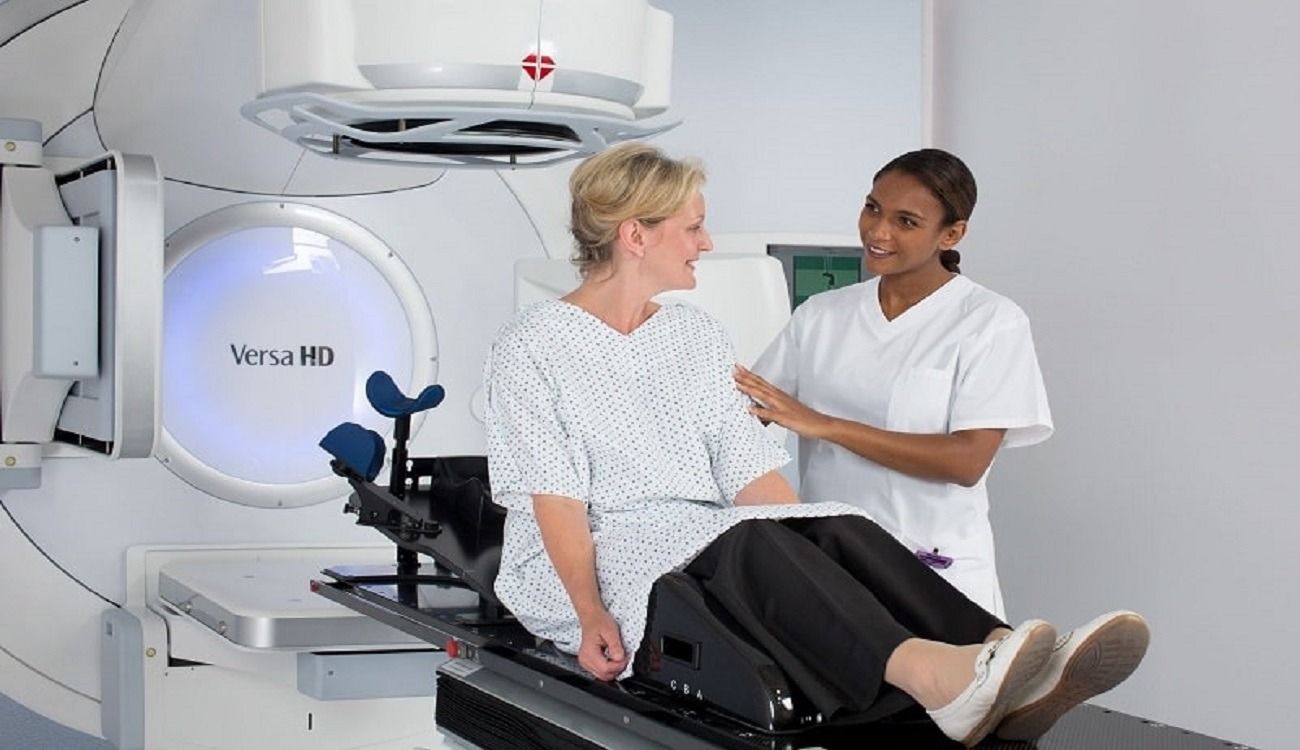
A nuclear scan usually involves injecting, swallowing, or inhaling a radioactive substance called a radioagent that is specifically absorbed into target tissues, such as cancerous tumors. Then, using advanced imaging devices such as gamma camera or PET/CT, radioactive activity is recorded and analyzed. This feature makes nuclear scanning useful in detecting hidden cancers even when the tumors are still small and invisible by other methods.

The role of nuclear scanning in detecting hidden cancers
Hidden cancers usually have no obvious symptoms in the early stages and are difficult to detect using traditional methods. Nuclear scan in the detection of hidden cancers allows identifying abnormal areas with metabolic and functional changes. This is especially important because early detection of cancer can speed up the treatment process and increase the success rate of the treatment.
Using a nuclear scan, doctors can:
- Identify small and invisible tumors
- Check for occult metastases
- Follow the progress of the disease
- Evaluate the response to chemotherapy or radiation therapy
For example, in thyroid cancer or lung cancer, sometimes small areas of cancer are detected before a palpable mass is formed by nuclear scanning in the detection of hidden cancers.
Types of nuclear scans and the use of each
Nuclear scanning in the detection of hidden cancers includes several common types, each of which has its own use:
1. PET Scan (Positron Emission Tomography)
PET scan is one of the most advanced methods of nuclear scanning in detecting hidden cancers. This method records the metabolic activity of cancer cells using sugar radiocarriers such as FDG. Because of their fast division and high metabolism, cancer cells absorb more of the radiolabel and are easily visible in the PET image.
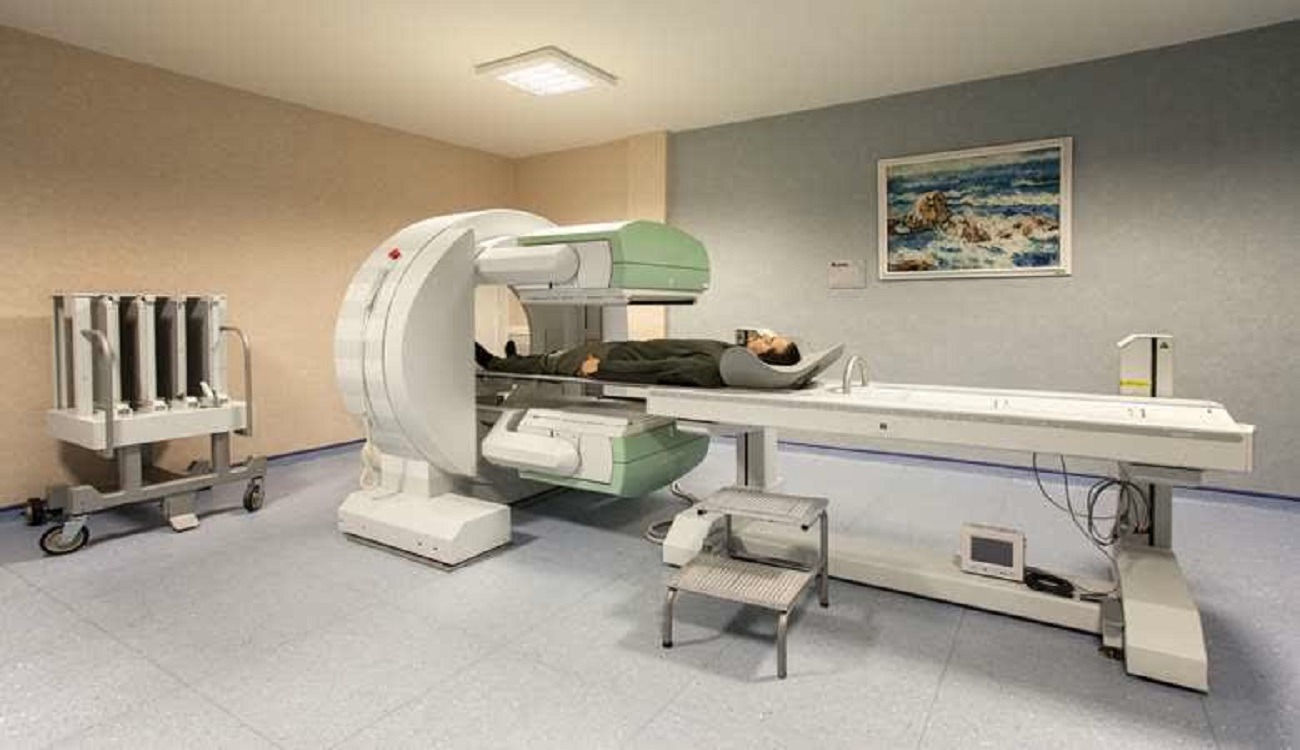
2. SPECT Scan (Single Photon Emission Computed Tomography)
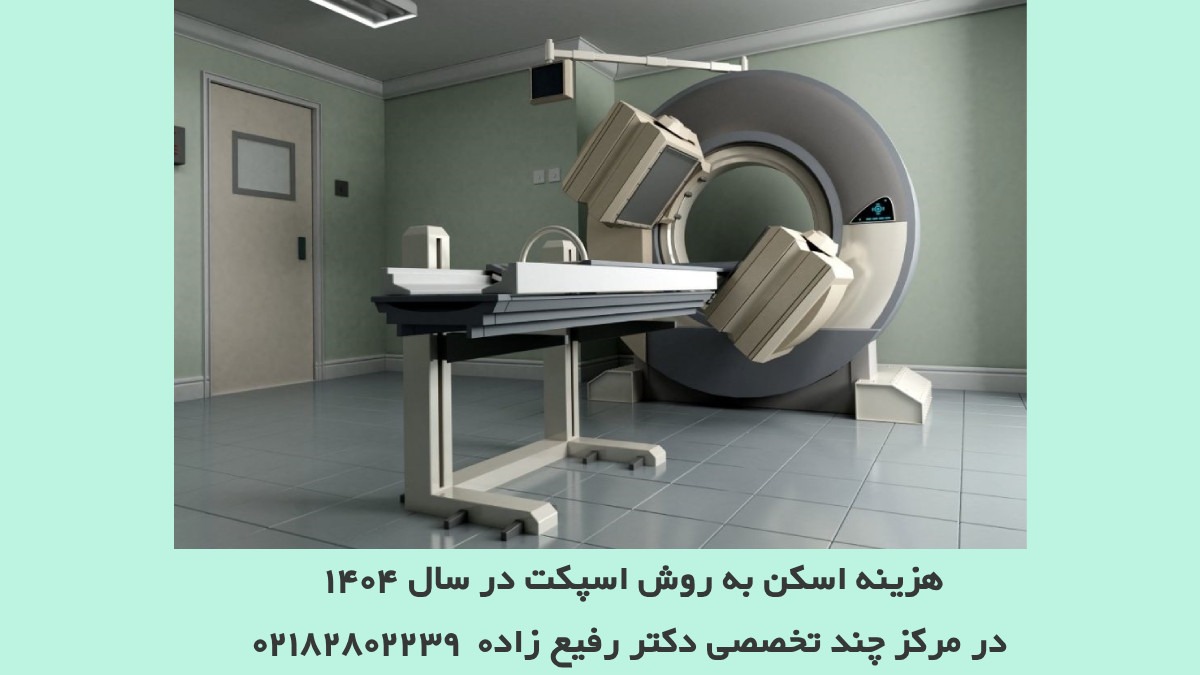
SPECT is similar to PET but uses a single photon to create an image. This method is often used to diagnose bone, brain and liver cancers and helps doctors to identify hidden cancers in certain areas of the body.3. Bone Scan
Bone scan is a common type of nuclear scan in the detection of hidden cancers, which is used to identify bone metastases. By injecting a special radioactive substance, the points that have abnormal bone activity are clearly visible in the image.
4. Thyroid Scan
In thyroid cancer, a thyroid scan using radioiodine can show functional and non-functional areas of the gland. This method helps to detect hidden thyroid cancers.
Advantages and limitations of nuclear scanning
| 🔹 Category | 🔹 Items |
|---|---|
| ✅ Advantages nuclear scan | |
| 1. | early detection of hidden cancers — the possibility of identifying tumors before the appearance of symptoms or structural changes in CT or MRI. |
| 2. | Identification of occult metastases — Detecting the spread of cancer to lymph nodes or other organs (such as the liver, bone, or brain) that cannot be seen by conventional methods. |
| 3. | Evaluation of treatment response — Observing a decrease or increase in the metabolic activity of the tumor after chemotherapy or radiation therapy, without having to wait for the tumor to change in size. |
| 4. | Examination of tissue function at the molecular level —imaging the “biological activity” of cells, not just structure—this feature makes it unique in diagnosing occult cancers. |
| ⚠️ Limitations of the scan Nuclear | |
| 1. | Relatively high cost — Due to the complexity of the technology and radioactive materials, the cost of this scan is higher than CT or MRI. |
| 2. | Need for advanced equipment and infrastructure —Need for PET/CT machine, cyclotron, and expert team Nuclear radiology. |
| 3. | Exposure to a small amount of radioactive radiation — Although the radiation dose is safe and low-risk, the use of radiopharmaceuticals is required. |
| 4. | Sometimes biopsy or other methods are needed to confirm — Increased metabolic activity does not always mean cancer. (e.g., inflammation can also be active), so the results should be supplemented with biopsy or other imaging. |
✅ Note:
Nuclear scanning in the detection of hidden cancers is a powerful tool that looks beyond the structure to the cellular function of the body. Despite some limitations, its diagnostic benefits—especially in early detection and treatment evaluation—are unparalleled.
However, the advantages of nuclear scanning in the detection of hidden cancers, especially in the diagnosis and follow-up of complex cancers, are much more prominent than its limitations.

Nuclear scan procedure
The process of performing a nuclear scan in the detection of hidden cancers usually includes the following steps:
- Initial consultation: The doctor examines the patient and determines the type of scan needed.
- Injection or ingestion of radioactive substance: The radioactive material is injected, eaten or inhaled by the patient.
- Waiting for absorption: Depending on the type of scan, it takes between 30 minutes and several hours for the radio-carrier to reach the target tissue.
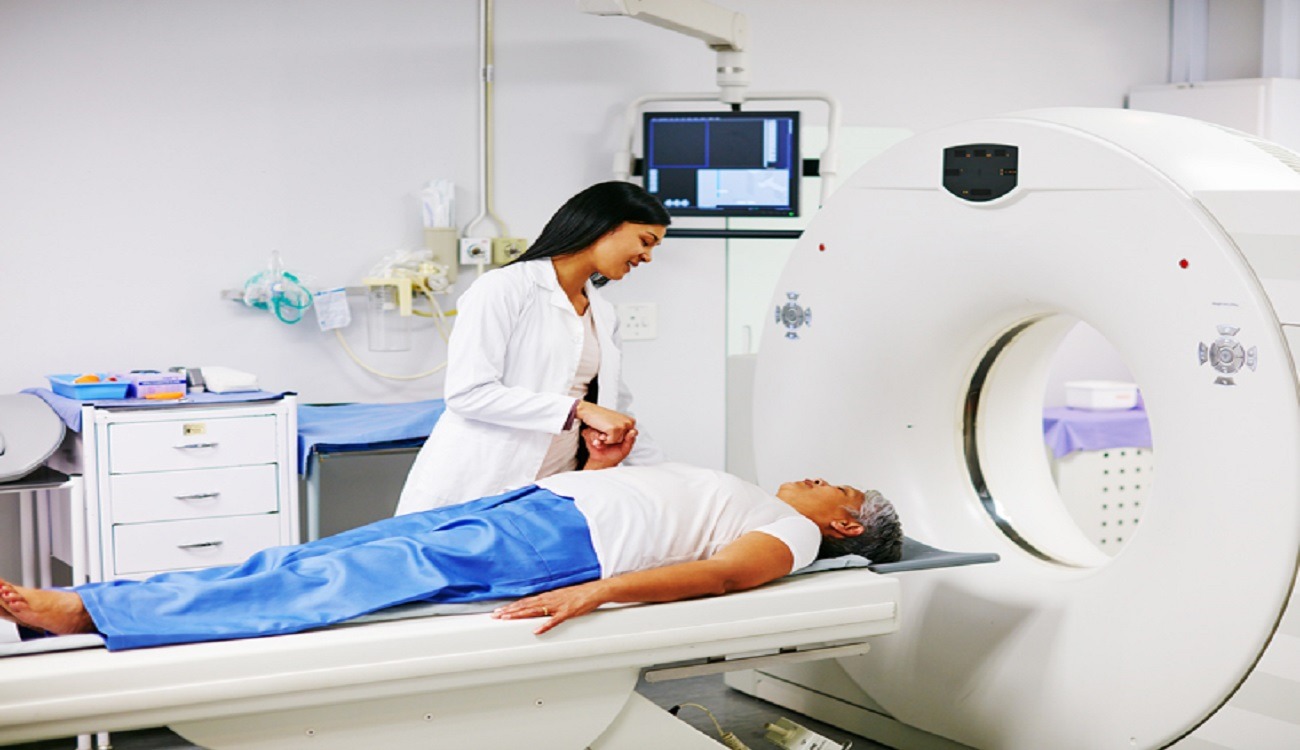
- Imaging: The patient is placed on the imaging device and the images are recorded.
- Interpretation of the results: The doctor analyzes the images and identifies abnormal areas that may be cancerous.
This accurate and non-invasive process makes nuclear scanning one of the reliable and scientific methods in detecting hidden cancers.
Clinical cases and practical examples
Using nuclear scan in detecting hidden cancers is critical in many clinical cases:
- Lung cancer: Small tumors that have not yet caused respiratory symptoms can be detected by PET Scan.
- Thyroid cancer: Areas of abnormal function are identified with a thyroid scan.
- Bone metastasis in breast or prostate cancer: Bone Scan helps to detect small spots of metastasis before the symptoms of bone pain.
- Treatment follow-up: Patients undergoing chemotherapy or radiation therapy are evaluated with a nuclear scan to detect hidden cancers to determine the effect of treatment.
These cases indicate that early diagnosis and treatment management would be difficult without the use of nuclear scanning.
Nuclear scan compared to other diagnostic methods
Compared to other imaging methods such as MRI, CT or ultrasound, nuclear scanning has certain advantages in detecting hidden cancers:
| 🔹 Advantage | 🔹 Description |
|---|---|
| 1. Focus on cellular function | |
| While CT scan (CT) and MRI mainly show the anatomic structure of organs, 🔹 Nuclear scan (such as PET) metabolic and biological activity of cells. It images. — This allows pathogenic changes to be detected before the appearance of structural changes. | |
| 2. Early detection | |
| A nuclear scan is able to: 🔹 detect small and early tumors, 🔹 detect cancer cells in the early stages of high glucose consumption (same metabolic activity), 🔹 show disease even when other scans are normal give. | |
| 3. Comprehensive body evaluation | |
| surgery) accurate and comprehensive. |
A nuclear scan isn't just an imaging scan — it's a dynamic view of the body's living function. Focusing on cellular activity, early detection and whole body assessment, this method has a unique place in diagnosis of cancer and hidden diseases.
However, in some situations a combination of methods gives the best result; That is, the simultaneous use of CT or MRI and nuclear scan in the diagnosis of hidden cancers helps in the accuracy of diagnosis.
One of the most equipped nuclear scanning centers in Saadat Abad, Tehran
🌟 Vistan Clinic - Nuclear Scan Department
At Vistan Clinic, we don't just take a scan — we uncover your body's hidden secrets.
Using state-of-the-art PET/CT and SPECT/CT technology, our team of experts looks deep into your cells, not just to see, to early detection, to hope, to live.
🔬 Why Vistan? Because you are more than a patient.
🔹 New generation devices with high image accuracy and short scanning time
🔹 A team of nuclear radiologists with years of experience in diagnosing cancer, heart and neurological diseases
🔹 Hassle-free service: quick appointment, pre-scan guidance, post-scan support
🔹 Calm, clean and stress-free environment — because we know every The moment is precious for you
📞 Call today and make your appointment.
📍 Vistan Clinic - nuclear scan specialized department
Address: Saadat Abad, northwest side of Saro Road (intersection of Paknejad and Saro) - No. 19 - next to police +10 - upper floor of Dr. Dashblaghi's pharmacy
📱 Contact number: 02182802192 – 02182802193

The latest technologies used in nuclear scanning
Recent advances have increased the accuracy and speed of nuclear scanning in detecting hidden cancers. The most important technologies are:
- Combined PET/CT: Simultaneous display of metabolism and body structure, identification of small tumors.
- PET/MRI: Combining histological details of MRI with metabolic information for early diagnosis.
- Molecular targeted radiolabels: specific binding to cancer cells and increasing the accuracy of diagnosis.
- Image processing software and artificial intelligence: Faster and more accurate analysis of scan data.
These technologies have made nuclear scanning in the detection of hidden cancers a reliable tool for identifying primary tumors, metastases and evaluating response to treatment.
Process of nuclear scan in Vistan Clinic
In Vistan Clinic, all nuclear scanning procedures are performed using advanced equipment and a team of expert doctors so that patients can go through the diagnosis process with peace of mind. The steps to do the work are as follows:
- Expert consultation: First, Vistan Clinic doctors check the patient's condition and prescribe the appropriate type of nuclear scan if needed.
- Injection or consumption of radioactive material: The radioactive material enters the body with a controlled and safe dose and accumulates specifically in suspected cancer cells.
- Short waiting period: After the injection, the patient rests for a while in the calm environment of the clinic, so that the substance reaches the target tissues.
- Precise imaging: Using modern PET/CT and SPECT devices, accurate images of the body are recorded.
- Analysis of the results: Nuclear medicine specialists of Vistan Clinic review the images and prepare a complete report for the attending physician.
This scientific and safe process allows nuclear scanning to detect hidden cancers to be performed in Vistan Clinic with the highest accuracy and reliability, and patients can start their treatment path with more accurate information.
Nuclear medicine scans (also known as nuclear imaging, radionuclide imaging, and nuclear scans) can help doctors find tumors and see how much the cancer has spread in the body (called the cancer's stage). They may also be used to decide if treatment is working. These tests are painless and usually done as an outpatient procedure.
Nuclear medicine scans (also known as nuclear imaging, radionuclide imaging, and nuclear scans) can help doctors find tumors and check how far cancer has spread in the body (called the cancer's stage). They may also be used to decide whether treatment is working. These tests are painless and usually performed on an outpatient basis.Quoted from the site: www.cancer.org
The role of nuclear scanning in detecting hidden cancer metastases
One of the biggest medical challenges in cancer management is identifying metastases that do not cause any clinical symptoms in the early stages. Metastases occur when cancer cells break away from their original site and spread to other organs, such as the bones, liver, or lungs. These hidden metastases are often not visible with conventional imaging methods.
In such a situation, nuclear scan plays a very important role in detecting hidden cancers. Using special radiocarriers, even the smallest accumulation of cancer cells in vital organs is detected. For example, in breast or prostate cancer, bone metastases that have no pain or symptoms in the early stages are clearly visible through nuclear scanning.
For this reason, doctors use nuclear scanning in the diagnosis of hidden cancers not only to identify primary tumors, but also to discover hidden metastases. This helps the treatment process to be planned more precisely and the chances of treatment success increase significantly.

Essential tests for cancer diagnosis
To diagnose cancer, doctors usually use a combination of lab tests, imaging and specialized methods. We explain below:
- Blood and urine test
- Some cancers can be detected by changes in the level of enzymes, proteins or blood cells.
- Example: Complete blood cell count (CBC) in the diagnosis of leukemia.
- Tumor marker tests
- are substances that cancer cells or the body produce in response to cancer.
- Example: PSA for prostate cancer, CA-125 for ovarian cancer, AFP for liver cancer.
- Medical imaging
- MRI, CT Scan and ultrasound to observe tissues and organs.
- Mammography to diagnose breast cancer.
- Nuclear scanning in the detection of hidden cancers to identify small tumors and hidden metastases that cannot be seen in conventional methods.
- Biopsy (tissue sampling)
- It is the most definitive way to diagnose cancer. The presence of cancer cells can be confirmed by microscopic examination of the tissue sample.
- Genetic and molecular tests
- For some cancers, such as breast cancer (BRCA1 and BRCA2) or hereditary colon cancer, they are used to determine a person's genetic predisposition.
🔹 In summary: No single test alone is sufficient for all cancers; Based on the patient's symptoms, family history and examinations, the doctor requests a combination of these tests.
🔹 Meanwhile, nuclear scanning has a special place in the diagnosis of hidden cancers, because it is able to reveal tumors or metastases that remain hidden by other methods.
Frequently asked questions about nuclear scanning in the detection of hidden cancers
What is a nuclear scan and how is it different from other imaging methods?
Nuclear scan is a method that examines the metabolic activities of cells using radioactive materials and advanced imaging devices. Unlike MRI or CT, which show most of the anatomical structure, nuclear scan in the diagnosis of hidden cancers is able to reveal the functional changes of cells in very early stages.
Is nuclear scanning dangerous for the patient?
No. The amount of radioactive materials used in the scan is very low and controlled and does not pose a risk to the patient. After the scan, these substances are gradually removed from the body.
In which cancers is nuclear scanning more useful?
This method is most used in thyroid, breast, lung, and prostate cancers, as well as identifying bone and liver metastases. In general, nuclear scanning is very valuable in detecting hidden cancers in any type of cancer that has the possibility of spread or metastasis
Does a nuclear scan require special preparation?
In most cases, there is no need for complex preparation. The doctor may advise the patient to fast or temporarily stop taking certain medications. Detailed instructions before the scan are provided by the doctor or treatment center.
How long does it take for the nuclear scan result to be ready?
Usually, it takes between 30 minutes and several hours to record images. The final interpretation is made by a nuclear medicine specialist and is usually provided to the attending physician on the same day or the next day.
Can nuclear scan detect cancer recurrence?
Yes. One of the most important applications of nuclear scanning in the detection of hidden cancers is to identify the return of the disease after treatment. This method helps the doctor to detect even the smallest signs of cancer recurrence in time.
Summary
Early detection of cancers, especially hidden cancers, plays a very important role in successful treatment and prolonging the life of patients. Nuclear scanning in the detection of hidden cancers is an advanced and efficient tool that enables better management of the disease with the ability to identify abnormal areas at the cellular and molecular level.
Due to the advantages and wide applications of this method, doctors and patients can benefit from nuclear scanning as a main diagnostic method for early detection of cancers. From types of PET, SPECT, Bone Scan and Thyroid Scan to evaluation of treatment response, nuclear scan in the diagnosis of hidden cancers plays a key role in improving the health and life of patients.