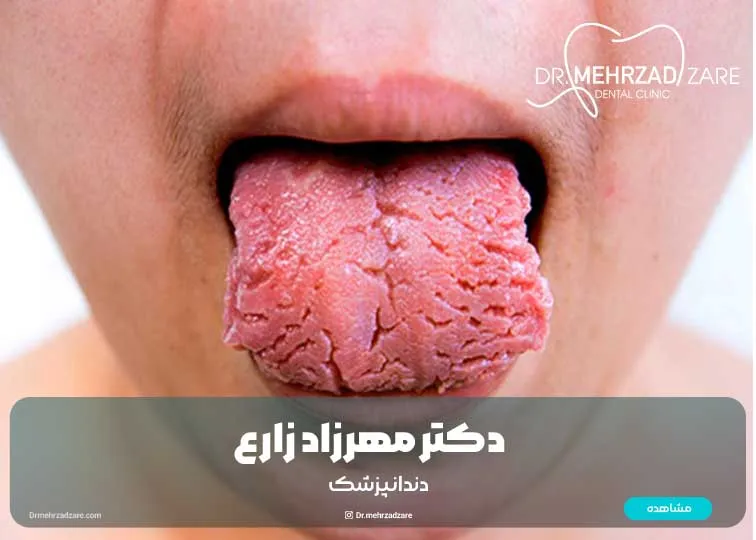

Cracked tongue is one of the common oral problems that many people face in their daily life. This condition, sometimes known as a cleft tongue or cracked tongue, can cause concern, especially if it's accompanied by discomfort. In this article, we will fully examine the causes of cracked tongue, its symptoms, and ways of prevention and treatment. The aim is to provide detailed and practical information so that you can manage this issue with sufficient knowledge. A furrowed tongue not only changes the appearance of the tongue, but may also be a sign of deeper health problems. With better knowledge, you can avoid side effects and maintain your oral health.
Definition of cracked tongue
A grooved tongue is a condition in which the surface of the tongue is covered with grooves, cracks, or deep valleys. These cracks are often seen in the central part of the tongue and their length ranges from a few millimeters to a few centimeters. A fissured tongue is usually painless and is considered a natural feature of the body in some people, but in more advanced stages, it may be associated with inflammation or infection.
To visualize it better, think of the language as a flat surface that breaks with natural lines over time. This problem starts from childhood and deepens with the passage of years. Related words such as grooved tongue or slotted tongue refer to the same phenomenon. Cracked tongue is not a disease, but a structural change in the mucous tissues of the tongue. Sometimes this condition is related to dry mouth or hormonal fluctuations, but without a detailed evaluation, the main cause is not clear.
In terms of anatomy, the tongue is made of muscles and mucous layers, and cracks appear mostly on the back of the tongue. These grooves can trap food particles or bacteria, which, if left untreated, can lead to other problems, such as mucositis or bad breath.
Reasons of cracked tongue
The causes are very diverse and usually involve a combination of genetic and environmental factors. One of the main reasons is heredity; If the family or relatives are facing a cleft tongue, the chance of its occurrence increases in people. This condition may be present from the beginning of life or appear in adolescence, without the person creating an external factor for it.
dry mouth
When the salivary glands do not work well enough, the surface of the tongue becomes dry and cracks more easily. Factors such as breathing through the mouth, taking drugs such as antihistamines or blood pressure control drugs, and hormonal changes during menopause affect dry mouth.
Aging
As we age, oral tissues become thinner and less flexible, which deepens the furrows. Bad habits like Environmental factors
Like improper diet, they also play a role in the causes of grooved tongue. Long-term stress, which affects the body's immunity, indirectly increases the cause, because stress disrupts the production of saliva. Poor oral hygiene, such as not cleaning regularly, allows bacteria to build up in the grooves and cause inflammation, which itself is the reason for the spread of cracks. In order to fully understand the reasons, it is necessary to pay attention to the connection of these factors. For example, genetics with dry mouth can make the condition more severe, and knowing the reasons is the first step to control. The most common symptom is deep lines or furrows on the tongue, especially in the middle or sides. These cracks can be smooth or irregular and their depth is different. In most cases, a fissured tongue is not painful, but if food remains in the grooves, burning or itching may occur. is another sign; The language seems rougher and more uneven. In case of inflammation, symptoms include redness, swelling, or even minor bleeding from the cracks. Bad breath can also be a side symptom, because bacteria multiply in deep grooves and produce unpleasant substances. is also one of the signs of grooved language. Hot, spicy or acidic foods can aggravate symptoms and cause burning. In people with low immunity, the symptoms are fungal or bacterial infections, which are accompanied by a white coating on the tongue or persistent pain. Prevention is based on healthy daily habits and can reduce the risk of its occurrence or worsening. First, keeping the mouth moist is vital. It is recommended to drink at least eight glasses of water daily to produce natural saliva. It is one of the most effective ways to prevent grooved language. Brushing twice a day with soft toothpaste, using It plays a big role in preventing this complication. Foods containing B vitamins, iron, and zinc, such as green vegetables and fruits, help keep the oral mucosa healthy. For those prone, using humidifiers in dry spaces or chewing sugar-free gum to increase saliva are good ways to prevent a furrowed tongue. Visiting the dentist regularly allows early detection of symptoms and preventive measures. By following these methods, you can lower the risk of a cracked tongue and have a healthy mouth. Treatments for furrowed tongue vary by severity and often do not require immediate medical action. In mild cases, home care is preferred. Rinsing the tongue with warm salt water can reduce inflammation and remove bacteria from the grooves. This simple task, done twice a day, helps the tissues heal and soothes the burning sensation. For furrowed tongue, they offer natural, drug-free solutions that can be combined with mainstream treatments. Aloe vera is one of the common options; Apply the fresh gel directly on the tongue to reduce inflammation and retain moisture. Like tea tree oil, when diluted with a carrier oil, it acts as an antibacterial. Dissolve a few drops in water and use for washing, but do not swallow it. In traditional medicine, massaging the tongue with clean fingers improves blood circulation and reduces tension. This easy exercise, 5 minutes daily, helps to smooth out the grooves. Also effective in alternative treatments for grooved tongue. Exercises that encourage nose breathing, dry They reduce the mouth and make prevention easier. Acupuncture with pressure on certain points is sometimes used for hormonal reasons. In conclusion, grooved tongue is a problem that can be easily controlled by knowing its causes, symptoms, prevention and treatments. From lip contouring to alternative treatments like aloe vera and breathing exercises, there are many options for improvement. Emphasis on oral hygiene and a healthy lifestyle not only prevents cracked tongue, but also increases general health. Keep in mind that loose language is usually safe, but it's important to follow through. Create a suitable program for you with expert advice. در نهایت، دانش و عمل بهموقع، رمز لبخندی سالم و راحت است.Symptoms

Change language context
Allergies to foods
Methods Prevention of cracked tongue
regular oral hygiene
proper diet
Treatments
In medical procedures
Home Remedies
alternative therapies
Natural oils
Yoga and breathing exercises
Conclusion
منابع