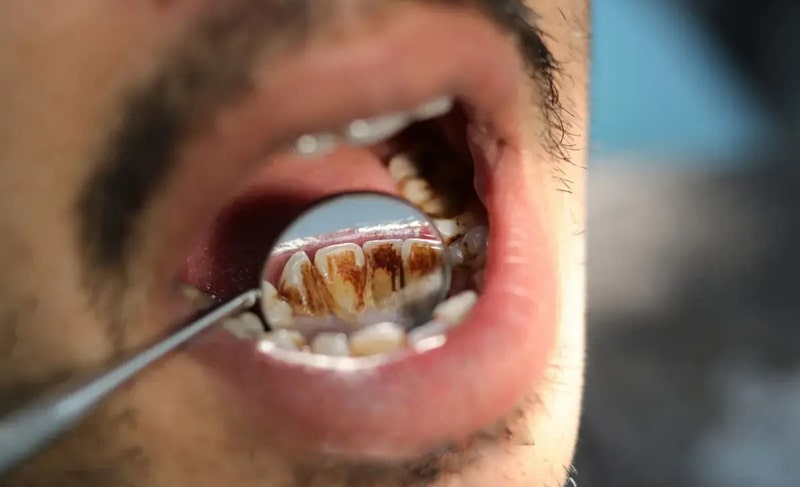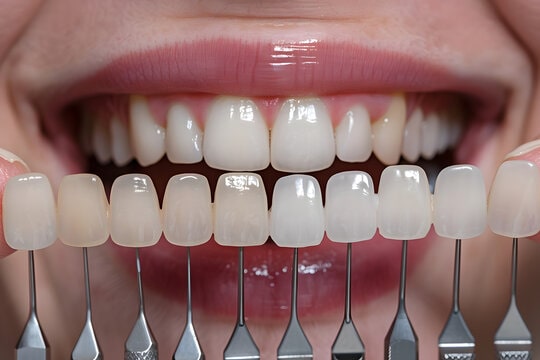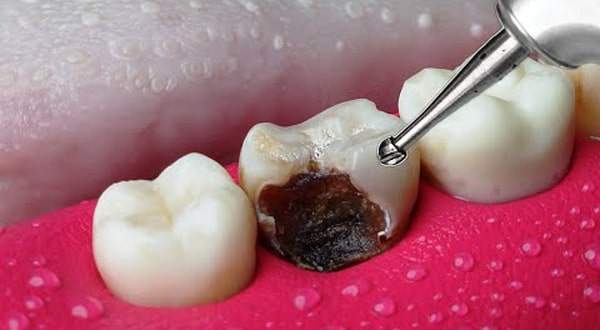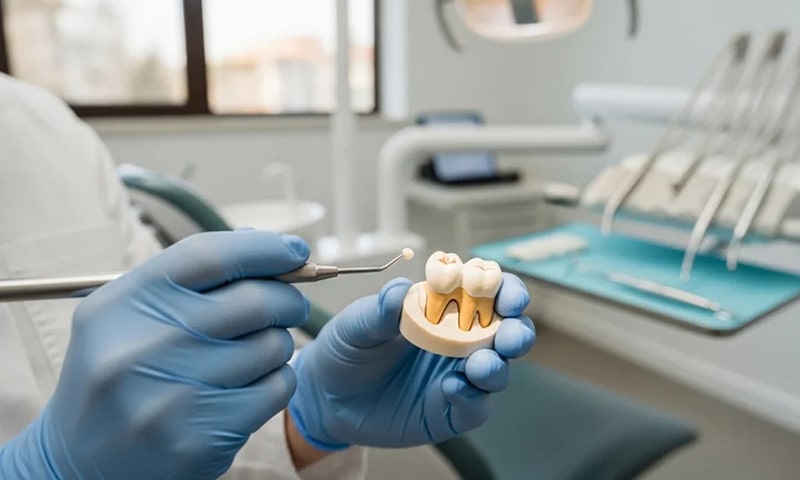


Treatment of tooth decay is one of the most common dental services that aims to restore the health and normal function of a damaged tooth. One of the main stages of this treatment is tooth filling, which is performed in two ways: temporary and permanent. Each of these methods has its own application and is chosen based on the type of injury, the patient's condition, and the doctor's treatment plan. In this article, we will carefully examine the structural, practical, cost and care differences between these two types tooth filling so that the patient can be more informed. to have a better understanding of the steps of his dental treatment.
| Summary of headlines | Tips |
| Purpose of tooth filling | Restoring the health, function and protection of decayed teeth |
| types of filling | Temporary and permanent filling |
| Temporary padding | Short-term protection, preventing bacteria and food from entering |
| temporary shelf life | A few days to a few weeks |
| use temporary padding | After denervation, waiting for crown, evaluation of tooth reaction, pain reduction |
| Temporary filling materials | Zinc oxide, eugenol, soft and removable materials |
| permanent filling | Long-term solution for decay and minor damage |
| permanent shelf life | Several years to more than 10 years |
| Permanent filling materials | composite, amalgam, ceramic, gold |
| The main difference between temporary and permanent | Durability, type of material, purpose of treatment and shelf life |
| duration | temporary short lasting / permanent chew resistant |
| cost | Temporarily cheaper / Permanently more expensive |
| Reasons of falling permanent filling | New caries, tooth cracks, poor attachment, grinding, erosion |
| The importance of timely referral | Prevention of infection, denervation and more serious damage |
| Final Result | Choosing the type of filling based on the condition of the tooth and the opinion of the dentist |
What is a temporary tooth filling?

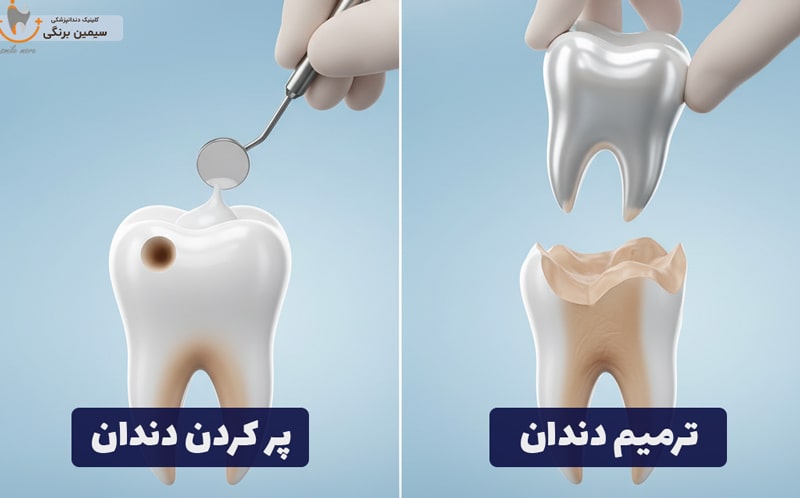
Temporary tooth fillings, as their name suggests, are temporary solutions that are used to protect the tooth until the final treatment. A temporary filling acts as a "temporary cover" to prevent bacteria and food particles from entering the tooth, but it is not designed for long-term use.
This type of filling usually stays in place for a few days to a few weeks. Because they are made of a softer material such as zinc oxide-eugenol, they are easier to remove, but also wear out more quickly or may fall out if left in too long.
Read more: cost of tooth filling
The dentist may use a temporary filling in the following cases:
- You have just had a root canal treatment and the tooth needs time to stabilize before the final restoration.
- You have a deep cavity in your tooth and the dentist wants to evaluate the reaction of the tooth before proceeding with the treatment.
- You are waiting for a custom veneer, inlay, or permanent filling to be made.
- You have a toothache and need an immediate (but temporary) solution to ease the discomfort.
What is permanent tooth filling?

Unlike temporary fillings, permanent fillings are used as a long-term solution for decay, small cracks or minor tooth damage. After placing a permanent filling, it is expected to last several years and even more than a decade with good oral hygiene.
This way, you can eat, talk, and go about your daily activities without worrying about the fillings coming off or falling out — something that's not guaranteed with temporary fillings.
Common materials used in permanent fillings include:
- Composite resin (Composite resin): same color as teeth, beautiful and widely used.
- Amalgam (Amalgam): Silver color and very resistant, usually used for back molars.
- Ceramic or porcelain (Ceramic or porcelain): durable and natural in appearance, especially suitable for visible teeth.
- Gold (Gold): very strong and durable, but due to high cost and special appearance, it is less requested.
What is the difference between temporary and permanent tooth filling?
Duration of use:
Temporary fillings are used for a short period of time, usually a few days to a few weeks, and are then replaced with permanent fillings. In contrast, permanent fillings are designed for long-term use and may last for years without needing to be replaced.
Materials used:
Temporary fillings are made of less durable materials such as eugenol or other temporary materials that can be easily removed. But permanent fillings are made of more resistant materials such as composite, amalgam or ceramic, which are strong and durable.
Purpose of use:
Temporary filling is placed to protect the tooth in special conditions; Such as when the treatment requires several sessions or after nerve extraction, when the tooth needs some time to recover. Permanent filling is considered the final treatment and has the role of long-term tooth protection.
Read more: The possibility of filling children's milk teeth It has
Durability and sustainability:
Temporary fillings are less durable and may wear or fall out over time. But permanent fillings are attached to the tooth with stronger adhesion and are able to withstand the pressure and force of chewing for a long time.
Ultimately, it is the clinical condition of the patient that determines whether a temporary filling is needed first or whether a permanent filling can be used directly; to achieve the best results in maintaining oral and dental health.
In the table below, we examine the differences between permanent and temporary fillings in terms of the features and prominent features of each:
| Temporary padding | Permanent padding | Aspect |
| Used for temporary tooth protection | Used for permanent closure of caries | Use |
| A few days to a few weeks | several years to lifetime | Permanence duration |
| Zinc oxide, eugenol or temporary polymers | Amalgam, composite, ceramic, gold | Ingredients |
| Not durable, prone to erosion and failure | Resistant to pressure and chewing | toughness and durability |
| Less expensive because it is temporary | More expensive due to durability and type of material | cost |
| Tooth protection after nerve extraction or before final restoration | Restoring the normal function of teeth for the long term | Target |
| Fast installation and easy removal | Requires more preparation and longer installation time | Installation duration |
Why do we need temporary tooth filling?
Sometimes, direct placement of a permanent filling is not possible or recommended. For example, if your tooth is inflamed due to decay or trauma, the dentist may want to first check the tooth's response to treatment, and then seal it permanently. In this situation, temporary filling provides this possibility.
In other cases, denervation treatment may require several sessions. Temporary filling protects the tooth in this space.
Also, while you are waiting for a custom restoration to be made, such as a crown or onlay, a temporary covering prevents bacteria from entering the tooth. This phased approach isn't just a protocol — it's a type of targeted protection. This method is the dentist's solution to ensure that your tooth achieves the best possible result in the long term.
Is it possible for a permanent tooth filling to fall out?

Although permanent fillings are designed to last a long time, in some cases they may become dislodged for a number of reasons, including:
- New caries under the filling:
If new decay develops around or under the filling, the tooth structure is weakened and may cause the filling to fall out. - Crack in tooth or filling:
Chewing hard foods or exerting too much pressure can cause the tooth to crack or the filling itself, resulting in the filling falling out. - Poor connection:
If the filling is not properly placed during installation or does not adhere well to the tooth due to moisture or other factors, it will loosen and fall out over time. - Teeth grinding (Broxism):
People who have a habit of clenching or grinding their teeth are more prone to the filling falling out, because constant pressure weakens it. - Erosion and natural changes over time:
Over time, the filling may wear down or change position relative to the tooth, which increases the likelihood of it falling out.
Read more: in What to do if tooth filling material falls out
Dental fillings are an important part of restorative treatments that are temporary or permanent depending on the condition of the tooth and the treatment plan. Temporary filling is a short-term and protective solution for special conditions; While permanent filling is a durable solution to restore the function and beauty of teeth.
Understanding the difference between these two types of fillings helps patients move more confidently in their treatment path and make more informed decisions. In any case, regular visits to the dentist and oral hygiene play a key role in increasing the durability and success of these treatments.
FAQ
1. How long does a temporary filling last?
Usually from a few days to a few weeks; Depending on the type of treatment and dentist's opinion.
2. Is permanent filling really permanent?
No, but with good care it can last more than 10 years or more.
3. What should be done if the filling is permanent?
See a dentist quickly to prevent further damage or infection.
Read more: Tooth restoration and filling
4. Which type of filling is cheaper?
Temporary filling is less expensive because it is designed for a short period of time.
5. Can a temporary filling be kept for a long time?
No, because its structure is weaker and if left for a long time, it may cause decay or infection.
6. Does the type of filler have an effect on shelf life?
Yes, more resistant materials such as ceramic, gold or composite are more durable.