The difference between neurotherapy and neurofeedback; Guide to choosing the best treatment method

Dr. Masoume Falahian
TehranPsychologist and consultant

in In the growing world of brain-based therapies, there are many terms such as neurotherapy, neurofeedback, biofeedback and tDCS that can easily cause confusion. Many people use these words interchangeably, while each one has a specific meaning and application. If you are also looking to understand the difference between neurotherapy and neurofeedback and want to know which method is more suitable for you, this article will clear all your doubts.
Suggested article:
"Advantages and disadvantages of neurotherapy during pregnancy; Is it safe for the mother and fetus?"
Neurotherapy: the big umbrella of brain-based therapies
Neurotherapy is a general and umbrella term that refers to any type of treatment that works directly on the nervous system and brain function. The purpose of all these methods is to correct dysfunctional brain patterns and create sustainable changes through the principle of neuroplasticity. This large toolbox includes several main techniques:
- Neurofeedback (Neurofeedback): a learning-based method that helps the brain regulate its waves.
- Biofeedback (Biofeedback): A method that helps a person learn to control the body's physiological reactions (such as heart rate).
- Brain Stimulation methods: techniques such as tDCS (electrical stimulation) and TMS (magnetic stimulation) that modulate the activity of certain areas of the brain by applying external energy.
- Other techniques: other emerging methods such as photobiomodulation (use of light) are also included in this category.
Therefore, when we talk about the difference between neurotherapy and neurofeedback, we are actually comparing a set with one of its main components.
Neurofeedback: Focusing on Brain Waves for Self-Regulation

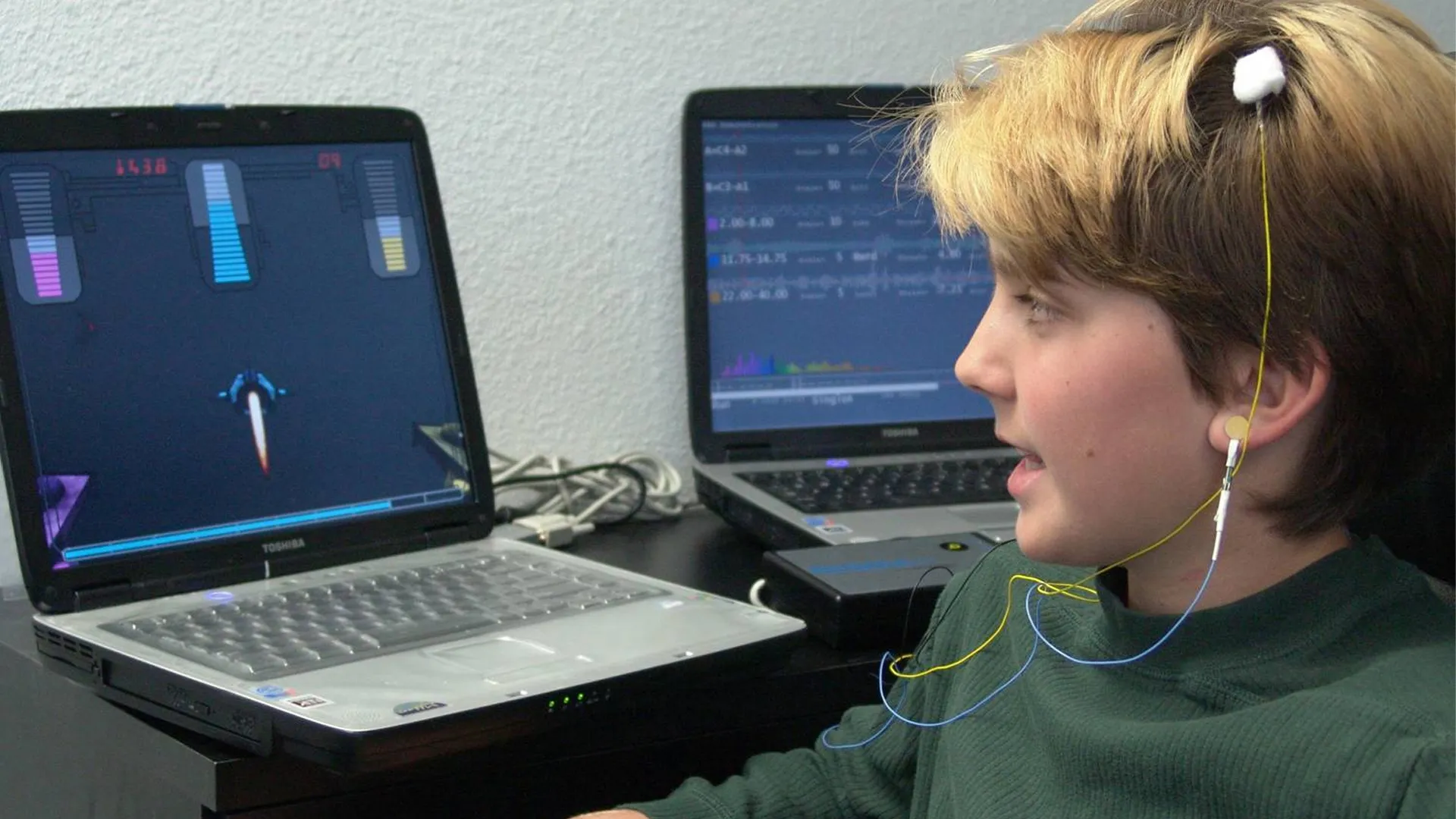
Now let's examine the most important tool in this box, i.e. neurofeedback, in more detail. Neurofeedback is a non-invasive and learning-based technique. In this way, nothing enters your brain from the outside; Rather, the brain learns how to heal itself.
The process is that sensors are placed on the head and record the electrical activity of the brain (brain waves) live. This information is transferred to a computer and shown to you in the form of feedback (like a video game or movie). By observing this feedback, your brain subconsciously learns to change its brain wave patterns to a more optimal and stable state. This ability to self-regulate is the key to treating many disorders. Many clients are initially unaware of the difference between neurotherapy and neurofeedback and think they are the same, while neurofeedback is a specialized subcategory.
Quick comparison: the difference between neurotherapy and neurofeedback
The best way to fully and quickly understand the difference between neurotherapy and neurofeedback is to compare their key features:
Feature Neurotherapy (general concept) Neurofeedback (specialized method) Definition A broad field including all treatment methods that directly affect the nervous system. A special technique in the field of neurotherapy that teaches the brain to self-regulate through feedback. Domain very broad; including training methods (such as neurofeedback) and stimulation methods (such as TMS). Limited to training the brain through operant conditioning to change brain wave patterns. Tools EEG, QEEG, EMG, GSR, TMS, tDCS and... EEG recording device and feedback software. main goal Overall improvement of brain and nervous system function through various interventions. Increasing the ability of the brain for sustainable self-regulation. Understanding this goal clarifies the difference between neurotherapy and neurofeedback. Application example A comprehensive treatment program for depression that may include neurofeedback for mood regulation and TMS for resistant cases. Using neurofeedback to reduce excess theta waves in the brain of a child with ADHD in order to increase concentration.How is the best neurotherapy method chosen for you?
Now that you are familiar with the difference between neurotherapy and neurofeedback and other neurotherapy methods, the main question is: which method is right for you? The answer to this question requires a comprehensive assessment. In the following, we will examine the steps of this smart choice:
First step: What is your main problem? (cognitive-emotional or physical-emotional)
The first step is to identify the core nature of your problem. Although all mental problems involve both physical and mental aspects at the same time, the bottom of the scale usually weighs on one side.
When is neurofeedback the first choice?

If your underlying problem is more of a deep-rooted cognitive or emotional nature, neurofeedback is usually the first line of treatment. This includes the following:
- Attention Deficit Hyperactivity Disorder (ADHD): Problems with concentration, distraction, and restlessness are directly related to brain wave patterns.
- Depression and mood swings: asymmetric patterns of activity in the frontal lobes of the brain are a specific therapeutic target for neurofeedback.
- Obsessive-compulsive disorder (OCD): Overactive brain circuits in OCD can be reset with neurofeedback.
- Sleep problems: Insomnia is often caused by the brain's inability to produce the slow waves needed for sleep, which neurofeedback can teach this pattern.
When does biofeedback play a key role?
If your problem is associated with intense physiological and physical reactions, biofeedback is a very powerful tool. This includes the following:
- Panic attacks and acute anxiety: Biofeedback teaches you how to control your heart rate, rapid breathing, and sweating.
- Migraines and tension headaches: thermal biofeedback (to control blood flow) and muscle biofeedback (to reduce neck muscle tension) are among the most effective methods.
- General stress management: If your stress manifests itself mostly in the form of physical symptoms such as muscle cramps or digestive problems, biofeedback will be very useful.
Second step: QEEG brain map

This stage is the most scientific and accurate part of the neurotherapy method selection process. A brain map acts like a GPS that shows the therapist which treatment path is most suitable for your brain.
- Example 1 (ADHD): If the brain map shows excessive theta waves (slow waves) in the frontal regions of the brain, the diagnosis is more certain and the treatment protocol will specifically focus on neurofeedback to reduce these waves and increase focus-related (beta) waves.
- Example 2 (Anxiety): If the QEEG shows excessive activity of fast beta waves (associated with rumination and worry) throughout the brain, neurofeedback would still be the main option.
- Example 3 (Physical stress): If the brain map does not show a specific and prominent pattern, but the clinical assessment indicates severe physical reactions to stress, the therapist may prioritize biofeedback as the starting point of treatment to train the nervous system to relax.
The third step: combining methods
In many cases, the best and smartest choice is not one or the other, but an integrated approach. Psychological problems are often complex and the combined use of different tools gives much better results.
Applicable example in the treatment of anxiety:
- Neurofeedback teaches your brain to be calmer from the ground up and less likely to go into fight or flight mode.
- Biofeedback gives you practical and immediate tools so that in the moment you feel anxious (for example, before a speech), you can control your heart rate and regain your calmness with a few breathing techniques.
This integrated view is the basis of the treatment approach in centers like Rahe Roshan, where the treatment plan is designed based on the unique needs of each person and with a smart combination of the best neurotherapy tools, so that the person achieves the ability to manage his condition both in a radical and practical way.
Frequently Asked Questions
1. Can I use only neurofeedback, without other neurotherapy methods?
Yes, in many cases, neurofeedback alone is the main and sufficient treatment method. For example, in the treatment of ADHD, neurofeedback protocols are widely used. However, in more complex cases, an integrated approach that may include biofeedback or other interventions may yield better results.
2. What is the difference between the cost of neurotherapy and neurofeedback?
Since neurofeedback is a type of neurotherapy, its cost is considered part of the total cost of the treatment program. The final cost depends on the type of protocol, the number of sessions and whether other methods such as QEEG or biofeedback are also used.
3. Which one is better for treating anxiety, neurofeedback or biofeedback?
Both are very effective and are often used in combination. Neurofeedback works directly on brain patterns associated with anxiety (such as fast beta waves). Biofeedback teaches you to control the physical symptoms of anxiety (such as heart palpitations). Choosing between these two or using a combination of them depends on the results of the initial evaluation and expert diagnosis.
-
Next 7 Secrets of a Lasting Relationship: The Complete Guide to Counseling for a Successful Marriage
Related content ...

Courtesy etiquette for the boy's family: how to act professionally?
Articles
What is the purpose of women in marriage? Differences between generations and hidden motivation
Articles
All About Neurotherapy for Hyperactivity: From Cost to Treatment Outcomes
Articles