
What is physiotherapy?
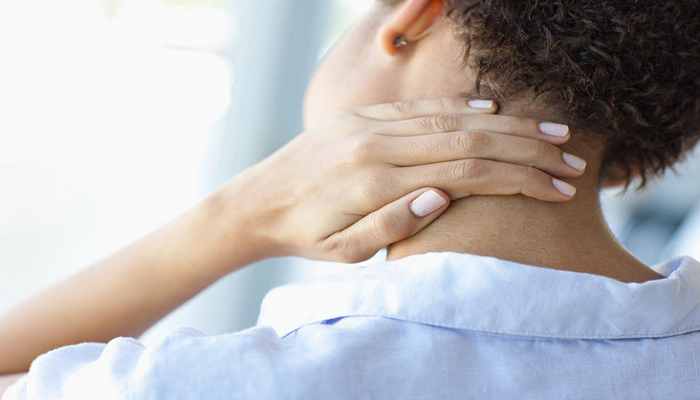
Physiotherapy is one of the branches of rehabilitation sciences that helps improve body function and reduce pain by using sports exercises, specialized equipment, manual techniques and physical methods such as electrotherapy, heat and cold therapy. This treatment method is often used to restore the body's normal movement and function after injury, surgery or chronic diseases. Physiotherapy is not only effective in treating skeletal-muscular problems, but also plays a role in improving the functioning of the nervous, cardiovascular and respiratory systems.
One of the most important goals of physiotherapy is to reduce pain and improve the quality of life of patients. Physical therapists use techniques such as massage therapy, corrective exercises, ultrasound therapy, and electrical stimulation to reduce inflammation and increase range of motion. In addition, special rehabilitation programs are designed for patients after orthopedic surgeries, strokes, sports injuries and diseases such as arthritis and chronic back pain so that people can return to their daily activities faster.
Physiotherapy is used in a wide range of therapeutic areas. In children, it helps improve movement problems caused by diseases such as cerebral palsy. In elderly people, it plays an important role in maintaining movement independence and preventing falls and fractures. Also, it is used in athletes to prevent injuries and recover faster after sports injuries. Physiotherapists usually work with doctors and other health professionals to develop the best treatment plan for patients.
Finally, physical therapy not only helps to treat injuries and diseases, but is also effective in improving general body function and preventing movement problems. Regular physical therapy exercises can improve posture, increase flexibility, and strengthen muscles. For this reason, this treatment method is offered in specialized clinics, hospitals, rehabilitation centers and even at home by professional physiotherapists.
If you are looking for a specialized physiotherapy center in Isfahan, Iranian Health Clinic is one of the best options. Using the latest physiotherapy equipment, an experienced team of specialists and providing modern treatment methods, this clinic provides extensive services in the field of physiotherapy and rehabilitation. Treatments at this center include physiotherapy for musculoskeletal problems, sports injuries, rehabilitation after surgery, treatment of chronic pain and neurological diseases such as stroke and cerebral palsy in children. Iranian Health Clinic, with a scientific and specialized approach, helps patients to recover faster and increase their quality of life.
Who is a physiotherapist and what does he do?
Physiotherapist is an expert in the field of rehabilitation and physical therapy, who helps to improve body function by using scientific methods and movement exercises. These people have extensive knowledge in the field of anatomy, physiology, musculoskeletal diseases and treatment techniques. Physiotherapists usually work in hospitals, physiotherapy clinics, rehabilitation centers, sports clubs and even in patients' homes so that people can regain their normal movement after injury or illness.
The main task of the physiotherapist is to assess the patient's condition and design a treatment plan that fits his condition. First, they set up a treatment plan by carefully examining and checking for movement problems, muscle weakness, or chronic pain. Then, using techniques such as corrective exercises, massage therapy, electrotherapy, cold and heat therapy, and manual methods, they help reduce pain and increase the patient's range of motion. Physiotherapists also train patients to speed up their recovery process and prevent re-injury with appropriate exercises.
Another important role of a physiotherapist is to help patients improve their movement abilities after surgery, stroke, spinal cord injuries, neurological diseases such as MS and Parkinson's, and even respiratory and cardiovascular problems. Physiotherapists design a specific treatment plan for each patient and gradually adjust the amount of exercises and the intensity of treatment based on the patient's progress. They also help athletes improve their performance and prevent sports injuries.
In general, physiotherapists play a key role in improving the physical health and increasing the quality of life of patients. They not only treat injuries and diseases, but also help improve people's health by providing necessary advice on physical condition, healthy lifestyle, and prevention of movement injuries. Choosing a skilled and expert physiotherapist can have a significant impact on the process of recovery and return to normal life.
The most important physical and mechanical factors, techniques and methods in treatment by physiotherapists are:
1. Physical factors in physiotherapy
Physiotherapists use various physical factors to reduce pain, improve motor function and speed up the healing process. These factors include the following:
- Heat and cold therapy: using warm compresses to increase blood circulation and reduce pain or cold compresses to reduce inflammation and swelling.
- Light and laser therapy: healing damaged tissues and reducing inflammation using low power laser.
- Electromagnetic fields and electrotherapy: use of electric waves (such as TENS) to stimulate nerves and reduce pain.
- Ultrasonic waves (ultrasound): a method to improve tissue repair, reduce muscle spasm and increase blood flow.
2. Mechanical factors in physiotherapy
In physiotherapy, it is very important to use mechanical forces to improve body function and increase muscle strength. These factors include the following:
- Resistance exercises: exercises with weights, resistance bands and special devices to strengthen muscles and improve physical endurance.
- Stretching and corrective movements: exercises to increase joint flexibility and reduce muscle stiffness.
- Correction of movement patterns: teaching how to walk, sit and perform daily movements correctly to reduce pressure on joints and prevent possible injuries.
3. Therapeutic techniques in physiotherapy
Physiotherapists use a variety of techniques to treat movement problems and reduce pain, including:
- Massage therapy: improving blood circulation, reducing muscle tension and relieving pain through specialized massages.
- Electrical nerve and muscle stimulation: using electrical devices to activate muscles and prevent muscle atrophy in disabled patients.
- Bandage and therapeutic taping: using special adhesives to support muscles and joints and reduce pain.
- Acupressure and manual techniques: applying pressure on specific points of the body to reduce pain and improve the flow of energy in the body.
4. Treatment methods in physiotherapy
The treatment methods used in physiotherapy are different depending on the type of injury and the needs of the patient. Some of the most important methods are:
- Therapeutic exercise: a set of special movements and exercises to strengthen muscles, increase range of motion and improve body balance.
- Rehabilitation after surgery and stroke: specialized physiotherapy programs to restore movement and independence of patients.
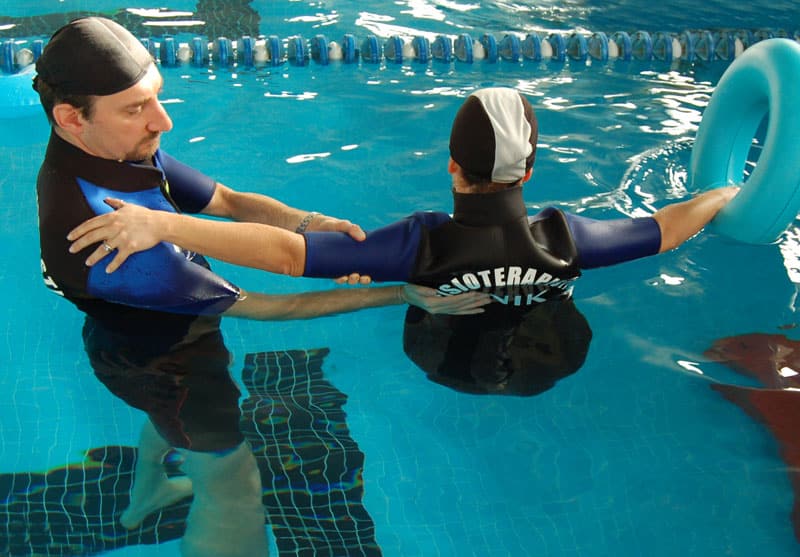
- Hydrotherapy: using exercises in water to reduce pressure on joints and increase muscle strength.
- Shockwave Therapy: Sending shock waves to stimulate tissue repair and reduce inflammation in chronic musculoskeletal problems.
These techniques and methods together allow physiotherapists to design effective treatment programs for different patients and speed up the recovery process.
The most important tasks of the physiotherapist in the clinic
Physiotherapists play a key role in diagnosing, evaluating and treating movement problems of patients. Using their specialized knowledge, they help to improve the musculoskeletal function, increase the quality of life and reduce the pain of patients. In a physical therapy clinic, the physiotherapist's duties are divided into several basic parts, which include documentation, examination and diagnosis, treatment planning, treatment implementation, supervision and consultation. In the following, the details of these duties are fully described.
1. Documenting and recording patients' information
- Creation of patient file: record personal information, lifestyle, medical records and current conditions of the patient.
- Registration of treatment documentation: patient profile, type of treatment, treatment steps, materials and techniques used in each session and notes related to the treatment process.
- Creation and delivery of treatment reports: providing treatment reports to the technical officer of the department to check the patient's recovery process.
- Preservation of patient information: compliance with ethical principles and protection of the privacy of treatment seekers and non-disclosure of their confidential information.
2. Review, examination and initial diagnosis
- Examination of the patient's condition: detailed examination and physical therapy tests to assess the patient's movement status, level of pain and functional problems.
- Diagnosis of disorders and disabilities: identifying problems such as movement limitations, muscle weakness, musculoskeletal diseases, neurological problems and other disabilities.
- Evaluation of the patient's lifestyle: analysis of daily activities and identification of factors that may affect recovery.
3. Create and implement a treatment plan
- Creating an individual treatment plan: Designing a treatment plan tailored to the patient's condition, which includes treatment techniques, physical therapy exercises, and rehabilitation methods.
- Implementation of therapeutic interventions: performing various physiotherapy methods including:
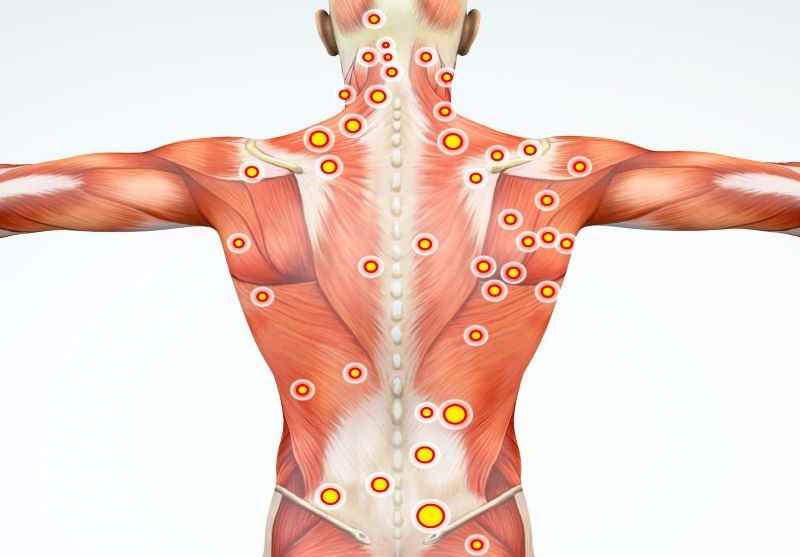
- Dry needling: a method to treat muscle trigger points and reduce pain.
- Manual Therapy: manual techniques to increase range of motion and reduce muscle spasm.
- Mechanotherapy: using mechanical devices to rehabilitate and strengthen muscles.
- Thermotherapy: using heat or cold to reduce inflammation and increase blood circulation.
- Electrotherapy: using electric waves to reduce pain and stimulate muscles.
- Exercise Therapy: prescribing physical exercises to improve the balance, strength and flexibility of the patient.
4. Monitor, evaluate and provide therapeutic feedback
- Evaluation of patient progress: checking the effect of treatment, adjusting exercises and providing necessary changes in the treatment plan.
- Recording all the details of treatment steps: continuous monitoring of the healing process and recording changes in the patient file.
- Providing recovery statistics: checking and reporting the progress of the patient to the attending physician or other members of the treatment team.
- Sending the final treatment report: prepare and send a complete report of the patient's treatment at the end of the physiotherapy sessions to the relevant doctor.
5. Advice and education to the patient and companions
- Delivery of educational documentation and treatment recommendations: Providing necessary guidance on home exercises, correct posture and pain reduction methods.
- Education of patients and companions: explaining how to perform rehabilitation exercises at home, informing patients about the treatment process and preventing movement problems from returning.
- Careful advice to patients: guidance on a healthy lifestyle, proper movement regimen and methods to prevent re-injury.
6. Cooperation and compliance with professional principles
- Supervising the therapeutic activities of assistants and technicians: controlling the quality of the work of physiotherapy assistants and ensuring the correct implementation of therapeutic methods.
- Participation in periodical trainings: attending annual refresher courses, reading new scientific articles and collecting specialized documents to keep professional knowledge up to date.
- Complying with the principles of professional ethics: respecting the rights of patients, providing treatment without discrimination, preserving privacy and observing the principles of behavior in the work environment.
- Non-interference in the treatment of colleagues: Adhering to one's duties and not interfering in the work of other colleagues.
7. Carrying out other tasks assigned by the head of the department
- Collaboration in the development of clinic services: participation in improving treatment processes and implementing new physiotherapy methods.
- Regarding the health and safety of the work environment: ensuring the correct use of equipment, compliance with health instructions and maintaining a safe environment for patients.
Characteristics of a professional physiotherapist
A professional physiotherapist is a person who, in addition to having specialized knowledge in the field of physiotherapy, also has clinical skills, professional ethics and strong communication skills. These people should not only be familiar with the latest treatment methods and physiotherapy techniques, but also should be able to interact with patients in the best possible way and adjust the treatment process based on the individual needs of each patient. In the following, the most important characteristics of a professional physiotherapist are examined.
1. Specialized knowledge and scientific skills
A professional physiotherapist must have in-depth knowledge of anatomy, physiology, pathology and therapeutic techniques. Knowledge of modern methods such as manual therapy, dry needling, electrotherapy, shockwave and exercise therapy, along with a deep understanding of the principles of rehabilitation, allows the physiotherapist to choose the best treatment method for patients. In addition, attending retraining courses and continuous study to keep up-to-date scientific information is essential for a successful physiotherapist. 2. Diagnosis and treatment planning skills
A professional physiotherapist should be able to correctly diagnose the symptoms, problems and movement disorders of patients and design a treatment plan that fits the patient's condition. This process includes accurate patient assessment, performing clinical tests, analyzing the results and formulating a personalized treatment plan. Also, the physiotherapist should be able to check the patient's recovery process during the treatment sessions and, if necessary, make the necessary changes in the treatment plan. 3. Ability to communicate and consult with patients A professional physiotherapist must have the ability to establish an effective and intimate relationship with patients. Explaining disease conditions, treatment process and rehabilitation exercises in simple and understandable language increases the patient's cooperation in the treatment process. Also, providing advice on lifestyle modification, correct body posture, home exercises and prevention of future injuries is one of the important duties of a skilled physiotherapist. 4. Observance of ethical principles and preservation of patient information Preserving patients' privacy, respecting their rights and adhering to the principles of professional ethics are the most important characteristics of a professional physiotherapist. He should be able to provide medical services to all patients without discrimination and with patience. Also, a committed physiotherapist should not interfere in the treatment of other colleagues and should behave according to professional standards. 5. Commitment to learning and professional development
A professional physiotherapist is always learning and improving his skills. Attending seminars, training workshops, reading scientific articles and familiarizing with new technologies in the field of physiotherapy makes him an up-to-date and efficient therapist. Also, cooperation with other medical specialists, such as orthopedics, neurologists, surgeons and sports doctors, can help provide better and more accurate services to patients.