Heel fracture physiotherapy - Radin Physiotherapy Clinic

Radin Physiotherapy Center
تهرانMohammad Dehghani - Physiotherapist
Physiotherapy of heel fracture
- Category: Physiotherapy services, foot physiotherapy, articles
- Publication date: May 31, 2024
- Study time: 11 minutes

 Study time: 11 minutes
Physiotherapy of heel fracture
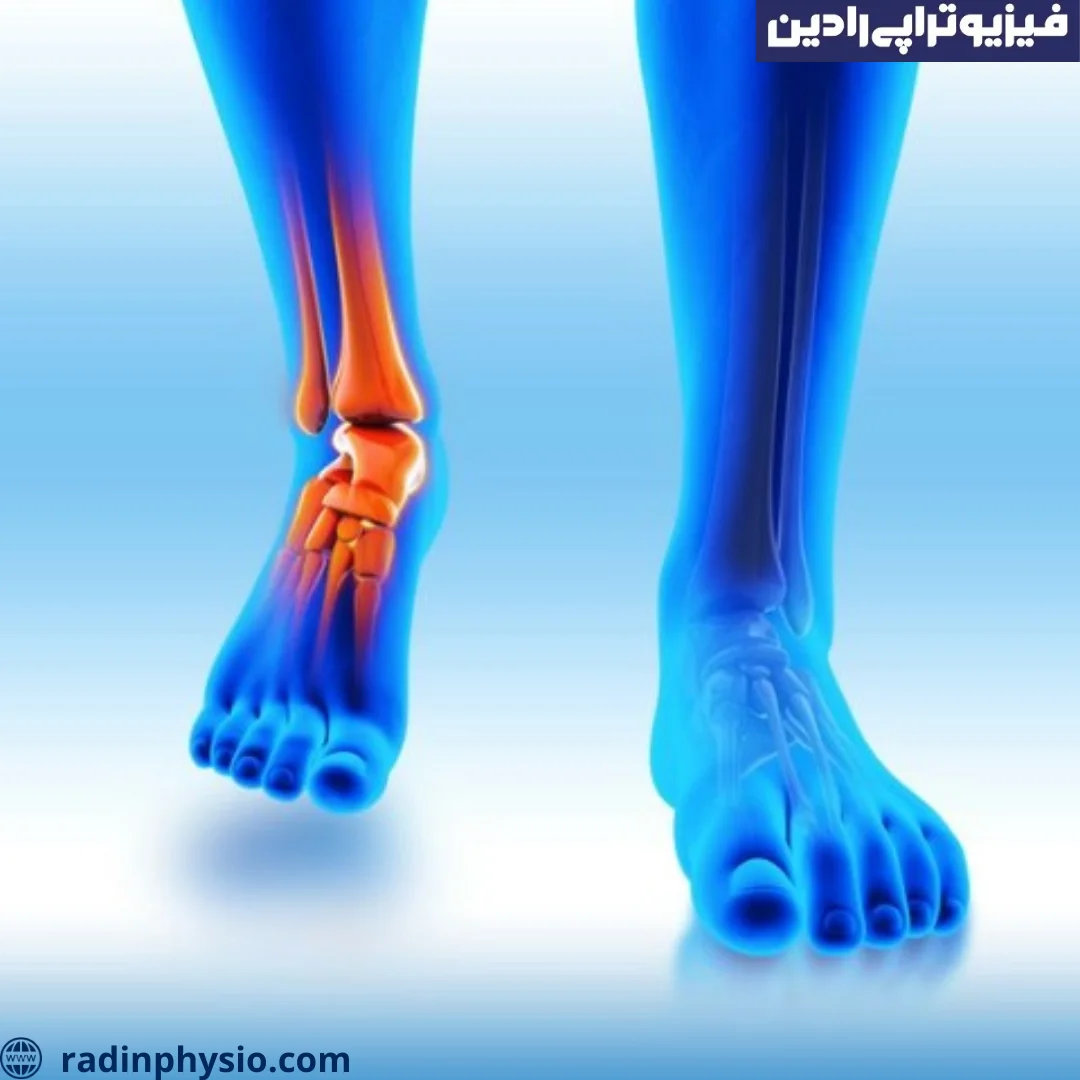
A heel fracture or heel bone fracture is a condition in which one or more bones in the heel area are broken. The heel consists of several bones, including the cuboid and smaller bones that are connected by ligaments.A heel fracture can occur from a direct blow, excessive pressure, a fall, or improper use of the foot. This type of fracture is usually accompanied by severe pain, swelling, bruising and inability to move the broken part. In some cases, the broken bones may appear visibly.
To diagnose a heel fracture, the doctor usually uses various methods such as medical history, physical examination, X-ray, and may also use imaging tests such as CT scan or MRI.
Treatment of heel fracture depends on factors such as the location and severity of the fracture, the condition of the bones, and the needs of the individual. Treatment may include the use of bone grafts, the use of nuts and screws, the use of balances and heel braces, and sometimes surgery. Also, depending on the type of fracture and the doctor's recommendation, a person may need to use a splint or a wheelchair.
It is important to see a doctor quickly in case of a heel fracture so that an accurate diagnosis and appropriate treatment can be applied and more complications can be prevented.

 Consultation and appointment booking
Call 26247611
Consultation and appointment booking
Call 26247611
What are the types of heel fractures?
Heel fracture can occur in different types. Below, we mention some types of heel fractures:
Cube bone fracture (Calcaneus Fracture)
Cube bone is a large bone located in the back part of the heel. Fractures in this bone may occur due to falls from a height, car accidents, direct impact, or excessive pressure. This type of fracture is usually associated with swelling, severe pain in the back of the leg, and bruising.
Fractures of Bones Connected to the Calcaneus
The cuboid bone connects to other bones in the foot, such as the talus and calcaneus. A fracture in any of these bones can occur and have similar symptoms and pains to a cuboid fracture.
Stress Fracture
The fracture of the bone of the area connected to the heel may occur as a result of pressure and repetition of sports activities, or through improper use of the foot. This type of fracture usually starts with slow and gradual pain in the heel area and gets worse with continued activity.
Expansion fracture (Avulsion Fracture)
In this type of fracture, a part of the heel bone is separated from the bone due to strong tensile force. This type of fracture usually occurs as a result of sports activities or sudden movements.
It is important to see a doctor if any type of heel fracture occurs so that an accurate diagnosis can be performed and appropriate treatment can be performed.
Intra-articular fractures
Intra-articular fractures in the heel can occur in different joints. Below, we mention some types of intra-articular fractures in the heel:
Talus Fracture
The talus bone or ankle bone is a large bone that is located between the cuboid bone and the vulnerable bone (heel area). Fractures in the talus bone may occur due to a fall from a height, direct impact, or excessive pressure. This type of fracture is usually accompanied by severe pain, swelling and limitation in the movement of the talus joint.
Fractures of Articulating Bones
Fractures may occur in joint bones in the heel, such as the metatarsal bones or smaller bones in the talocalcaneus joint (the joint between the talus bone and the cuboid bone). The symptoms related to these fractures include pain, swelling, movement limitation and joint instability.

Fractures of the Metatarsal Bones
The upper calcaneal bones, the bones at the front of the heel, may be fractured. These fractures may occur due to direct impact, high pressure or repetitive stress on these bones. The symptoms include pain, swelling, and bruising in the fracture area.
Diagnosis and accurate treatment of all types of intra-articular fractures in the heel requires a visit to a specialist doctor. Using X-ray, CT scan and physical examination, the doctor will confirm the diagnosis and determine the appropriate treatment plan. This may include the use of bone grafts, surgery, the use of supportive devices such as heel splints, and physical therapy.
In this type of dislocation fracture, the joint between the talus bone and the cuboid bone (talocalcaneus) is displaced. This type of fracture usually occurs due to strong impact or high pressure on the joint. In this type of dislocation fracture, the joint between the talus bone and the navicular bone (talonavicular) is displaced. This type of fracture usually occurs due to severe trauma or excessive pressure on the joint. A dislocation fracture requires immediate medical attention. In most cases, the dislocated joint must be repositioned to allow the bones to return to their proper place in time. Then, the doctor may recommend physical therapy, depending on the severity of the fracture, the need for surgery, the use of support devices such as heel splints. Read about the cause of hot feet. Heel fracture may be associated with the following symptoms: If you experience any of these symptoms, it is important to see a doctor to provide an accurate diagnosis and appropriate treatment. To diagnose a heel fracture, the doctor can use imaging methods such as X-ray or MRI and, if necessary, he will recommend you to see an orthopedic specialist. A heel fracture can occur due to a variety of factors, including: It is important to know that these are only some of the causes of heel fractures, and other factors may also play a role in the occurrence of this type of fracture. If you experience a heel fracture, visiting a specialist doctor can diagnose and treat this problem. A heel fracture may cause the following complications and problems: The importance of proper diagnosis and treatment of heel fracture is very important in order to prevent further complications and problems. The best solution for correct diagnosis and treatment of this problem is to see a specialist doctor. Diagnosis of heel fracture is usually done by an orthopedic doctor or orthopedic surgeon. To diagnose a heel fracture, the doctor may use the following methods and tests: 
Talocalcaneal Dislocation
Talonavicular Dislocation


What are the symptoms of heel fracture?
What is the cause of heel fracture?
What are the consequences of heel fracture?
How to diagnose heel fracture
Non-surgical treatments for heel fractures


Non-surgical treatment of heel fracture usually depends on the type and severity of the fracture, accompanying other complications, and the doctor's recommendations. Non-surgical treatment includes the following:
- Rest and standing: Depending on the severity of the fracture, the doctor may recommend that you do not walk much and avoid heavy exercises and excessive pressure on the foot. The use of assistive devices such as crutches can also help.
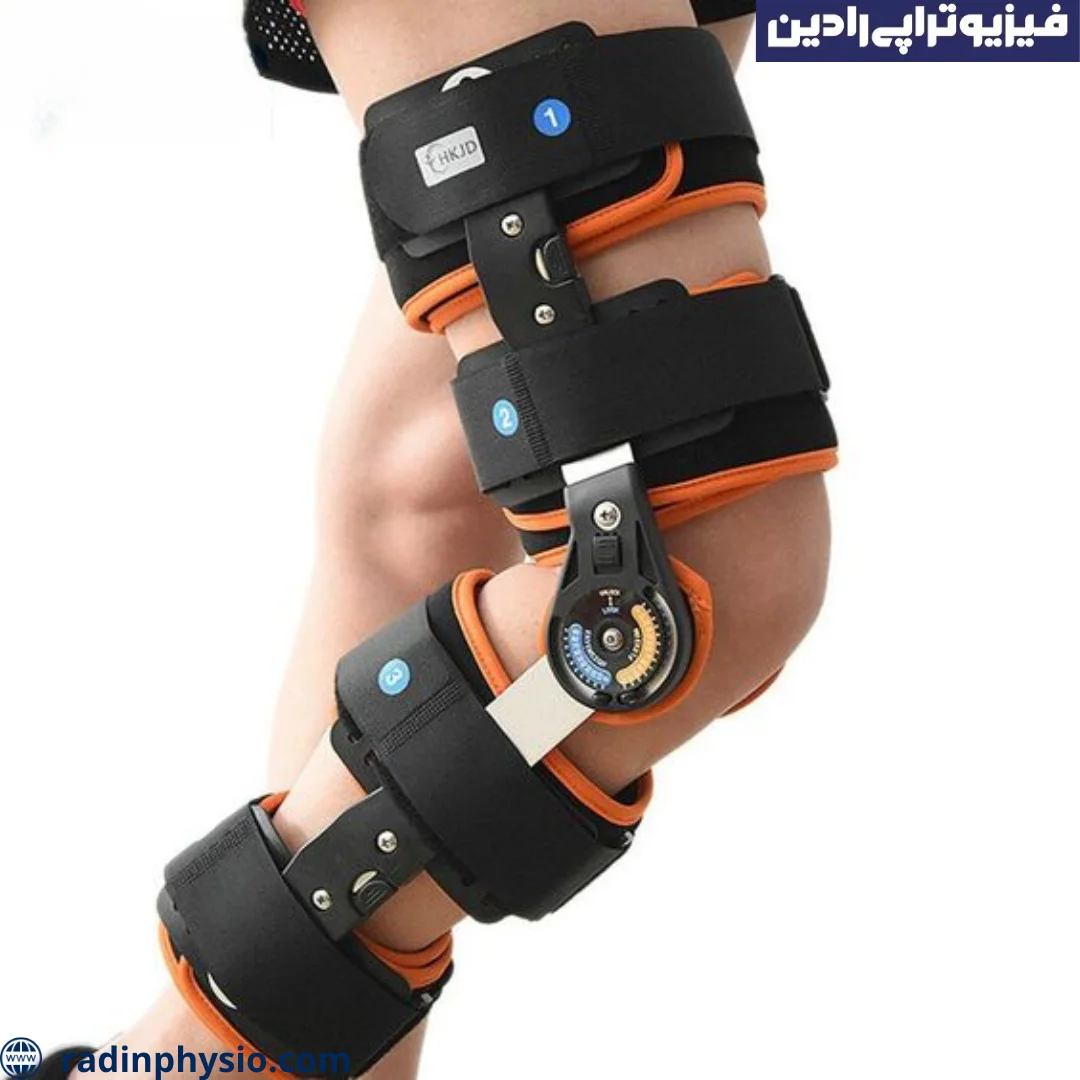
- Bandage and Splint: The doctor may recommend a bandage or splint for strengthening and the use of crutches to properly stabilize the leg. These aids can take pressure off broken bones and speed healing.
- Ice compress: Applying an ice compress to the injured area can reduce swelling and pain. But the doctor's order should be followed.
- Medications: If necessary, the doctor may prescribe nonsteroidal anti-inflammatory drugs (NSAIDs) such as ibuprofen to reduce pain and control inflammation.
- Physiotherapy: After a while when movement is allowed, physical therapy can be helpful. Strengthening exercises, flexibility exercises and balance exercises can facilitate the improvement of leg movement and strength.
- Adequate diet: Consuming foods rich in calcium and vitamin D can help improve bone healing. Consuming nutritious food such as fruits, vegetables, fish and dairy products is also recommended.
Treatment of leg fracture with surgery
Treatment of a leg fracture with surgery may be necessary in cases where the fracture is severe, the strength of the bones has been unacceptably reduced, or in cases where non-surgical treatment has not yielded satisfactory results. Surgical treatment can include:
- Internal fixation: This procedure involves the use of metal screws, plates, or pins that are placed into the bones to hold them in the correct position and help the bone heal. This procedure is usually used for fractures that occur in the heel or knee area.
- External fixation surgery: In this procedure, they place the bones in the correct position and keep them during the healing process. This procedure is usually used for fractures that occur in the leg area.
- Bone reconstruction surgery: In some cases, bone reconstruction surgery may be necessary. This method involves moving the broken parts of the bone, using restorative techniques such as bone grafting or using artificial bone artifacts.
- Shape correction surgery: In some cases, fractures that cause severe deformity of the foot require a shape correction surgery. In this procedure, the bones are placed and the proper structure of the foot is restored.
After surgery, physical therapy and rehabilitation exercises are usually recommended to strengthen the muscles and movement of the foot and facilitate recovery. Also, it is very important to follow the doctor's recommendations after surgery, such as the use of crutches, changes in diet and proper care.
What methods are used for heel fracture physiotherapy?
Physiotherapy for heel fracture is done in order to improve muscle strength, increase range of motion, improve balance and return to daily activities. There are different methods for heel fracture physiotherapy, which can be mentioned as follows:
- Muscle strength and endurance exercises: These exercises include resistance exercises such as weight lifting movements or using special resistances. These exercises help to strengthen leg muscles and increase their endurance. Flexibility exercises: Doing flexibility exercises such as stretching muscles, stretching and using massage techniques to increase the flexibility of muscles and joints. These exercises can help improve the range of motion of the foot. Balance and quartz exercises: Exercises that help improve balance and quartz are useful for recovery after a heel fracture. This includes exercises such as standing on one leg, doing balance exercises and using a balance ball.
- Hydrotherapy: Physiotherapy in water (hydrotherapy) can be suitable for heel fractures. Water as a weightless medium, hydrostatic pressure and relaxing properties on bones and muscles can be useful in recovery and rehabilitation exercises.
Physiotherapy exercises for heel fracture should be determined and supervised by a professional physiotherapist. Before doing any physical therapy exercises for a heel fracture, it is important to consult your doctor and get his or her instructions. Based on the details of the fracture, individual factors and your condition, your doctor can prepare and guide you with the appropriate physical therapy program.
Concluding remarks
Physiotherapy plays a very important role in the healing and treatment of heel fractures. Physiotherapy includes strengthening and flexibility exercises and techniques that accelerate healing and help reduce symptoms and pain. Usually, the physiotherapist will prescribe specific exercises for you to do on a regular basis. You can contact the specialist Radin clinic to speed up your recovery with the best techniques and equipment by booking an appointment with the cooperation of the experienced staff.
You can also use the services of contact the clinic get an appointment Instagram
Physiotherapy with insurance Supplemental
Physiotherapy with Asia Insurance Physiotherapy with social security insurance Physiotherapy with armed forces insurance Physiotherapy with Kausar Insurance Physiotherapy with teacher insurance Physiotherapy with entrepreneur insurance Physiotherapy with Sepeh Bank Insurance Physiotherapy with cooperative insurance Physiotherapy with Mellat Insurance Physiotherapy with Refah Bank Insurance Physiotherapy with SOS insurance Physiotherapy with Sarmad insurance Physiotherapy with Saman Insurance Physiotherapy with new business insurance Physiotherapy with Razi Insurance Physiotherapy with Salem city insurance Physiotherapy with Arman Insurance Physiotherapy with Bank Melli Insurance Physiotherapy with modern insurance Physiotherapy with Dana Insurance Physiotherapy with Parsian Insurance Physiotherapy with Sina Insurance Physiotherapy with Alborz Insurance- Tags: , Heel fracture, Best Physiotherapy specialist


Pelvic Varicose Physiotherapy
read more

What is ultrasound therapy? Ultrasound therapy in physiotherapy
Read more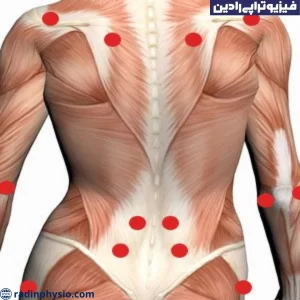
What is meant by trigger points? How is physiotherapy related to trigger points?
Read more

What is frozen shoulder disease?
Read more
Read more


What is a leg fracture? Physiotherapy of leg fracture
Read more

What is shock wave therapy? The benefits of this treatment method
Read moreOther educational articles
What is osteoporosis in adults? Osteoporosis treatment with physiotherapyStudy time: 11 minutes Osteoporosis in adults and treatment of osteoporosis with physiotherapy are topics that are discussed in this article. Osteoporosis in adults means a decrease in bone density. This situation occurs due to a decrease in the balance between the processes of building and destroying bones.
What is osteoarthritis? Is arthritis treated with physiotherapy?
Study time: 14 minutes Osteoarthritis or joint damage is a chronic inflammatory disease that affects the joints. Arthritis physiotherapy is a treatment that can be effective for arthritis. In this disease, joint tissues including cartilage, bone, ligaments and muscles around the joint undergo changes.What is a bone graft?
Study time: 11 minutes Bone graft is a procedure in which bone or replacement is placed for damaged or insufficient bone. This method is used to strengthen bones, correct bone shape, compensate for bone loss, or replace broken and damaged bones.
What is mobility?
Study time: 7 minutes Mobility (Mobility) or the ability to move freely helps you to control yourself and do different things without feeling pain and any extra effort.