![Children's vaginal infection: symptoms and treatment [obstetrics and gynecology specialist]](/storage/posts/covers/2026/01/05/e56f480f09acfaf71854a94f42ccf293be7e378bd9a4adcffd54d5476bf51caa.jpg)


عفونت واژن در کودکان، به ویژه در سنین پیشدبستانی و ابتدایی، یکی از مشکلات بهداشتی است که ممکن است والدین و مراقبان را نگران کند. Children's vagina can suffer from inflammation, infection and other problems for various reasons. These infections can be caused by factors such as bacterial, fungal, or viral infections, and due to the sensitivity and special physiological structure of the reproductive system in children, they must be treated specifically and quickly. In this article, the causes, symptoms, treatments and prevention of
The structure and anatomical features of the vagina in children
The vagina of children has physiological and anatomical differences with the vagina of adults. In the first years of life, children's vagina lacks diverse microbial flora that is present in adults. Also, the level of estrogen in a child's body is not enough to make the vaginal mucosa as sensitive and sticky as in adults. These characteristics make the reproductive system of children susceptible to infections such as vaginitis and other problems related to sexual hygiene.
Read more information about vaginal infection treatment at home in the above link.
Causes of vaginal infection in children
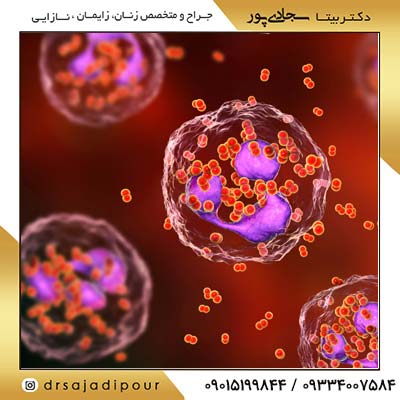
- One of the most important causes of vaginal infections in children is bacterial infections. Common bacteria present in the genital area of adults can be transferred to the vagina, especially in children, through contact with feces or poor hygiene. These bacteria include E. coli, Streptococcus and Staphylococcus aureus which can lead to vaginal inflammation and infection.
-
Fungal infections
Fungal infections such as candidiasis are especially common in girls in childhood. The fungus Candida albicans, which is usually present in the digestive tract and skin of children, can overgrow and cause fungal infections in certain conditions such as the use of antibiotics or hormonal changes. -
Viral infections
Some viruses such as Human papillomavirus (HPV) and Herpes simplex virus(HSV) can also cause vaginal infections in children. These viruses can be transmitted through direct contact with infected skin or mucus. -
parasitic infections
infections such as trichomoniasis, which is caused by the parasite Trichomonas vaginalis, can in some cases cause symptoms similar to bacterial infections in the vagina. However, these types of infections are less common in children. -
Physical or chemical injuries
Contact with irritating chemicals such as scented soaps or using inappropriate hygiene products can cause vaginal inflammation and infections. Also, physical injuries such as violence or sexual abuse can be considered as risk factors.


![The role of inositol in the treatment of female infertility [obstetrics and gynecology specialist]](/storage/posts/covers/2026/01/05/c0b071d7095fdcbaa34903c34e092d27a7f5b2fc471de3ff89c0a6eb0c446a10.jpg)

![Breast cancer [breast] symptoms, diagnosis + treatment [gynecologist]](/storage/posts/covers/2026/01/05/0d2c008b72cfbf5343598c8045fd73cdfbfe6a0e567bd035ea8e1fc90702e96a.jpg)
![Vaginal infection in pregnancy: symptoms, diagnosis and treatment [obstetrician and gynecologist]](/storage/posts/covers/2026/01/05/74fbd328a8a4a83f39778f4a417048ddeb814f527d50d1afc9e23bbe0ad5e371.jpg)