مقاله تخصصی
Bulimia nervosa: symptoms, causes and rapid
3 months ago
937 بازدید

Dr. Hossein Bayat
ShirazPhD in health psychology
When "bulimia nervosa" prevents a person from relaxing and progressing, knowing about valid treatment methods can be the starting point of change. In this guide, we have discussed the most effective ways to treat bulimia nervosa worldwide; From cognitive-behavioral therapy (CBT) to antidepressants and expert counseling. This article has been compiled especially for people who are looking for the best and fastest way of scientific treatment. Bulimia nervosa is a serious eating disorder that affects millions of people worldwide, according to the US National Institute of Mental Health (NIMH). Sufferers typically experience periods of uncontrolled overeating and then resort to behaviors such as self-induced vomiting, use of laxatives, or excessive exercise to prevent weight gain. This disorder is not just a simple eating problem; Rather, it is closely related to anxiety, depression, and negative body image, and if left untreated, it can lead to serious physical problems such as dental damage, digestive problems, and heart disorders (Mayo Clinic, 2023). The importance of dealing with bulimia nervosa is that many sufferers turn to a psychologist or doctor late due to denial of the problem or fear of judgment, and this condition can cause irreversible negative effects in a person's life. **What is bulimia nervosa?**
Bulimia nervosa is one of the most common eating disorders in the world. Sufferers of bulimia nervosa are probably mentally preoccupied with their weight and body shape, and may find it hard to criticize and judge themselves. Since these cases are related to the image they have of themselves and not only related to food, their treatment is not easy and in fact very difficult, but treating obesity and overeating effectively can make them feel better about themselves and adopt a more appropriate way of eating. People with bulimia nervosa secretly eat large amounts of food uncontrollably during certain periods, and then feel guilt, shame, and regret. Then, in order to prevent weight gain, these people try to purge the extra calories they have taken in by various methods such as forced vomiting, improper use of laxatives or diuretics, excessive exercise or fasting. This disorder occurs in 1.5% of young women and 0.1% of young men. Frequent periods of overeating and purging can have dangerous physical consequences for a person and cause dehydration, digestive problems, tooth decay and hormonal disorders. The severity of bulimia nervosa is measured by the number of times the sufferers purge (vomiting, enemas, etc.) per week, which usually happens at least once a week for three months, and then necessary decisions are made for treatment. Research has shown that people with bulimia usually have average weight and there is no problem with their normal weight. **Symptoms of bulimia nervosa**
Recognizing the symptoms of bulimia nervosa is one of the most important steps for early diagnosis and treatment. This disorder is not limited to simple overeating, but includes a set of physical, psychological and behavioral symptoms. Symptoms of bulimia nervosa are shown as early as age 12 and sometimes earlier. Healthy people sometimes overeat, but this overeating is not considered a disorder. Research published in the American Psychiatric Association (DSM-5) shows that most patients experience a combination of the following symptoms:
### **behavioral and psychological signs**
1. **Secret Binge Eating Periods:** Eating large amounts of food in a short period of time with a feeling of loss of control. 2. Purging after binge eating: Intentional vomiting, improper use of laxatives, or vigorous exercise to prevent weight gain. 3. **Persistent preoccupation with weight and body shape:** Obsessive thoughts about calories, dieting, or getting fat. 4. **Constant fear of gaining weight:** Even if you have a normal weight. 5. **Avoidance of social situations:** which includes eating, due to shame or fear of being seen. 6. **Mood swings:** Depression, anxiety and low self-confidence. **3 main causes of bulimia**
Bulimia nervosa is a complex eating disorder that is caused by various factors; This is despite the fact that the exact cause of this disorder is not known. A combination of different factors such as genetic, biological, psychological and environmental factors are effective in causing bulimia nervosa. This disorder usually begins in late adolescence or early adulthood, and it is more likely to occur in women than in men. In the following, we examine some of the important causes of overeating. ### **Genetics and biological factors**
Genetics is one of the factors that influence the development of various diseases and mental and physical disorders. If the first-degree family members suffer from bulimia nervosa; The possibility that other family members will suffer from this disorder is high. Certain genetic abnormalities and imbalances in neurotransmitters such as serotonin (which plays a role in regulating mood and appetite) increase the possibility of bulimia nervosa. Genetic overweight can also increase the likelihood of bulimia nervosa. ### **Psychological and emotional factors**
Psychological factors have significant effects on the occurrence of bulimia nervosa. People who have mental and emotional problems such as depression, anxiety disorders, substance abuse, perfectionism and inappropriate body image; are more vulnerable to this disorder. Children who are exposed to trauma, physical, sexual and psychological abuse, parents with substance abuse, etc. are more prone to this disorder. People with bulimia nervosa usually feel negative about themselves and this negative feeling reduces the motivation for treatment. ### **social and cultural effects**
Social and cultural pressures can cause bulimia nervosa. In today's society, being thin and having an ideal body is very important; This emphasis on thinness has promoted weight loss and non-standard diets. The effect of these social pressures on some people is such that they suffer from bulimia nervosa. In the treatment of bulimia nervosa, paying attention to the factors that cause it can cause the root and effective treatment of this disorder. **Complications of bulimia**
A healthy diet improves the quality of life and having a healthy body and mind; For this reason, people suffering from bulimia suffer from many physical and mental problems. The effects of overeating can have negative effects on the physical, mental and social condition of people. **Physical effects**
- **Imbalance of electrolytes:** The balance of electrolytes in the body plays an important role and prevents the occurrence of many diseases; Repeated episodes of overeating and purging cause electrolyte imbalances. This disorder in the human body can lead to cardiac arrhythmia, muscle weakness, heart failure, hypokalemia and hyponatremia. - **Digestive problems:** Processes that cause food to be forced out of the body; It can cause problems such as acid reflux, esophageal rupture, stomach rupture, gastrointestinal bleeding, and inflammation and damage to the esophagus, throat, and stomach. - **Oral and dental problems:** Another side effect of overeating is damage to the mouth and teeth. In this disorder, the teeth are repeatedly exposed to stomach acid and this causes many problems such as tooth enamel erosion, tooth decay, gum disease and tooth sensitivity. **Psychological effects**
- **Depression and anxiety:** People who suffer from binge eating disorder; They usually suffer from mental illnesses such as depression and anxiety disorders. Having mental illnesses can have negative effects on the severity and symptoms of binge eating. Treatment of depression without drugs can be effective in improving the patient's condition. - **Not having a proper body image:** People with overeating usually have a wrong and incorrect understanding of their body condition and do not feel good about their body. - **Compulsive obsession:** Another side effect of overeating on the mental health of people is obsessive compulsive disorder. These people exhibit obsessive behaviors such as having specific food rules and rituals for eating. Obsessive behaviors can be controlled using obsessive compulsive therapy with neurofeedback. **social consequences**
- **Effect on academic and work performance:** The physical and psychological effects that overeating has on humans; It can affect a person's ability to concentrate and lead to disruption in academic and work performance. - **Social isolation:** These people avoid being in different social situations due to feeling of shame and embarrassment, and it causes them to withdraw and social isolation.
For further study:
Migraine treatment with neurofeedback
Treatment of panic disorder
Treatment of bipolar disorder with neurofeedback
### **Physical symptoms of bulimia**
1. **Damage to teeth and gums:** Tooth enamel erosion and decay caused by frequent contact with stomach acid (National Eating Disorders Association). 2. Digestive problems: gastric reflux, sore throat, abdominal pain and sometimes esophageal rupture. 3. **Disturbance in the balance of electrolytes:** leading to muscle weakness, cardiac arrhythmia and in severe cases heart failure. 4. **swelling of salivary glands and face:** due to frequent vomiting. 5. Menstrual irregularity in women: or hormonal changes. 6. **Persistent fatigue:** Dizziness and dehydration. **What are the best treatments for bulimia nervosa?**
Definitive diagnosis and treatment of bulimia nervosa disorder is possible by consultants and specialists. Binge eating disorder, if not treated at the right time, can cause irreversible problems in a person's life and even lead to death. A healthy lifestyle can have a great impact on reducing the symptoms of bulimia nervosa and improving people's diet. Treatment for bulimia nervosa usually involves a combination of treatments that address the physical, psychological, and behavioral aspects of the disorder. The treatment of bulimia nervosa is not only limited to changing eating habits, but it is a combination of psychotherapy, drug therapy, and in some cases, new treatments. International organizations such as the American Psychiatric Association and the National Institute of Mental Health (NIMH) emphasize that multidimensional interventions provide the best results for patients. In the following, the most important and effective methods of treating bulimia are introduced:
### **Psychotherapy in bulimia nervosa**
Psychotherapy is the first method used to treat bulimia nervosa. In the meantime, cognitive-behavioral therapy (CBT) is one of the most effective individual counseling methods that focuses on changing your thinking and behavior. People with this disorder gain more understanding about their thoughts, feelings, and binge eating through talk therapy and talking openly about their problem. After the person gets a better understanding of his disorder, the therapist tries to reduce the symptoms of bulimia by teaching different techniques. In addition to CBT, another type of psychotherapy called Interpersonal Therapy (IPT) also plays an important role in the treatment of bulimia nervosa. This approach is based on the belief that communication problems and unhealthy relationships can trigger binge eating behaviors. In IPT, the therapist helps the individual identify harmful communication patterns and build healthier and more satisfying relationships by improving communication skills. As a result, reducing loneliness, increasing social support and improving self-esteem can significantly reduce binge eating and purging behaviors. ### **drug therapy**
Fluoxetine (Prozac), an anti-depressant and anti-anxiety drug, can be used to treat and deal with bulimia nervosa. Selective serotonin reuptake inhibitors, which are a type of antidepressant, are used to treat overeating and reduce vomiting. This drug also affects the treatment of stress, anxiety and depression. ### **Treatment of bulimia nervosa with neurofeedback**
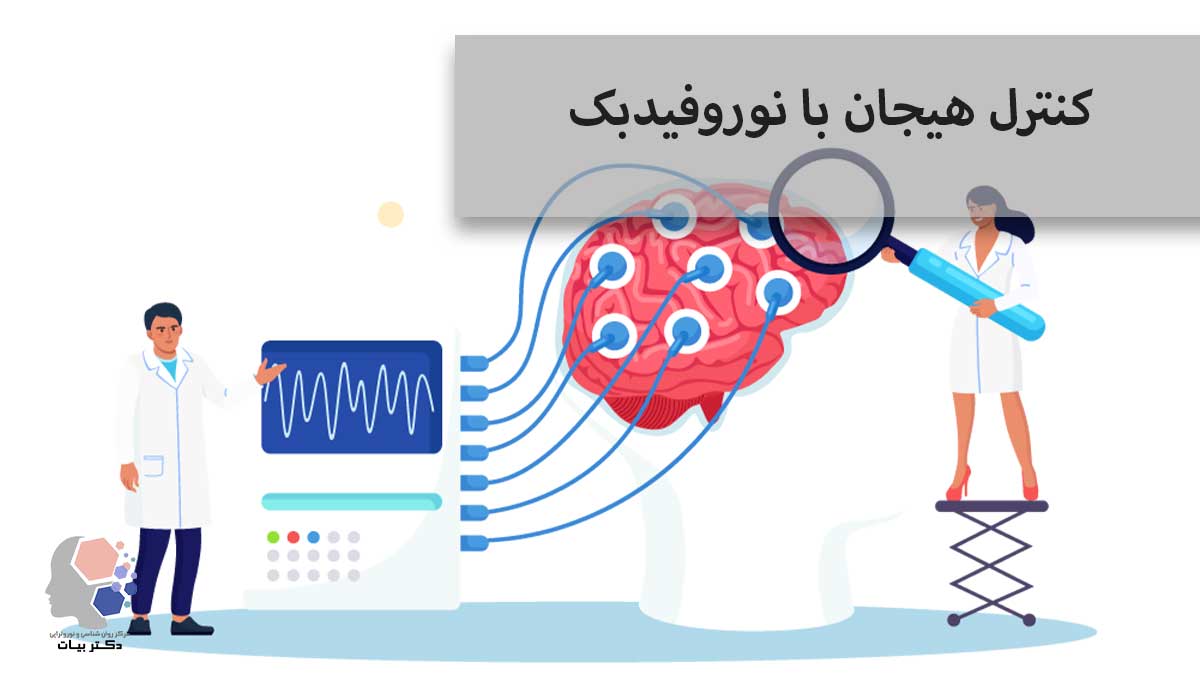
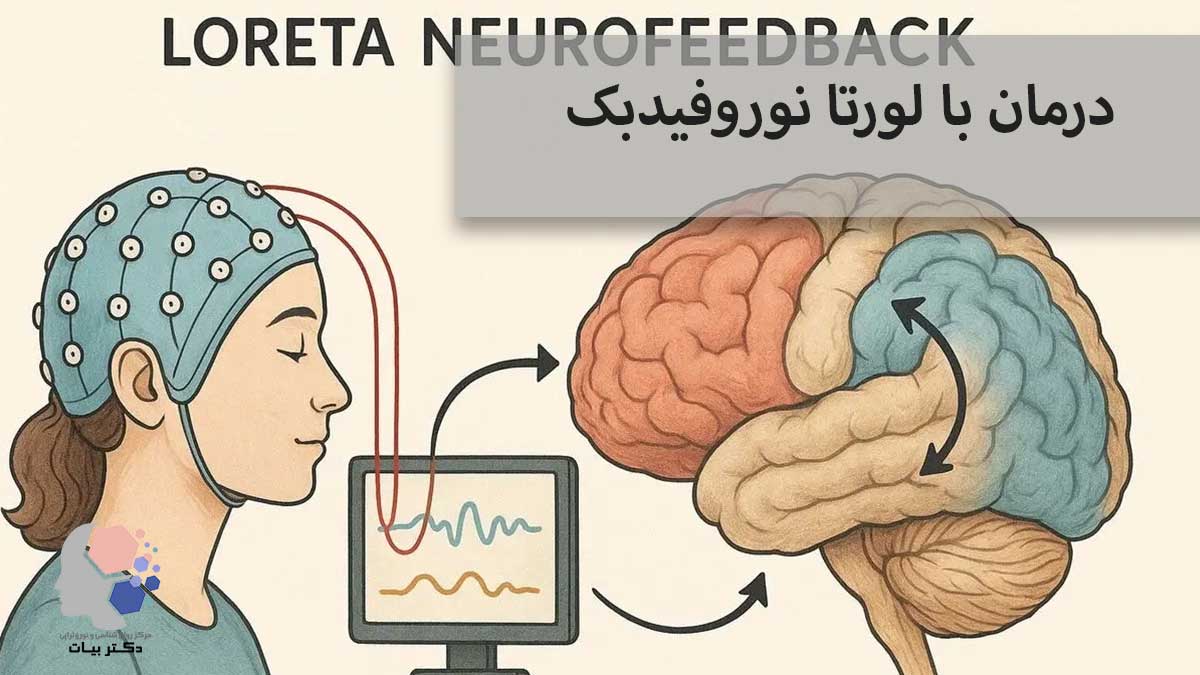
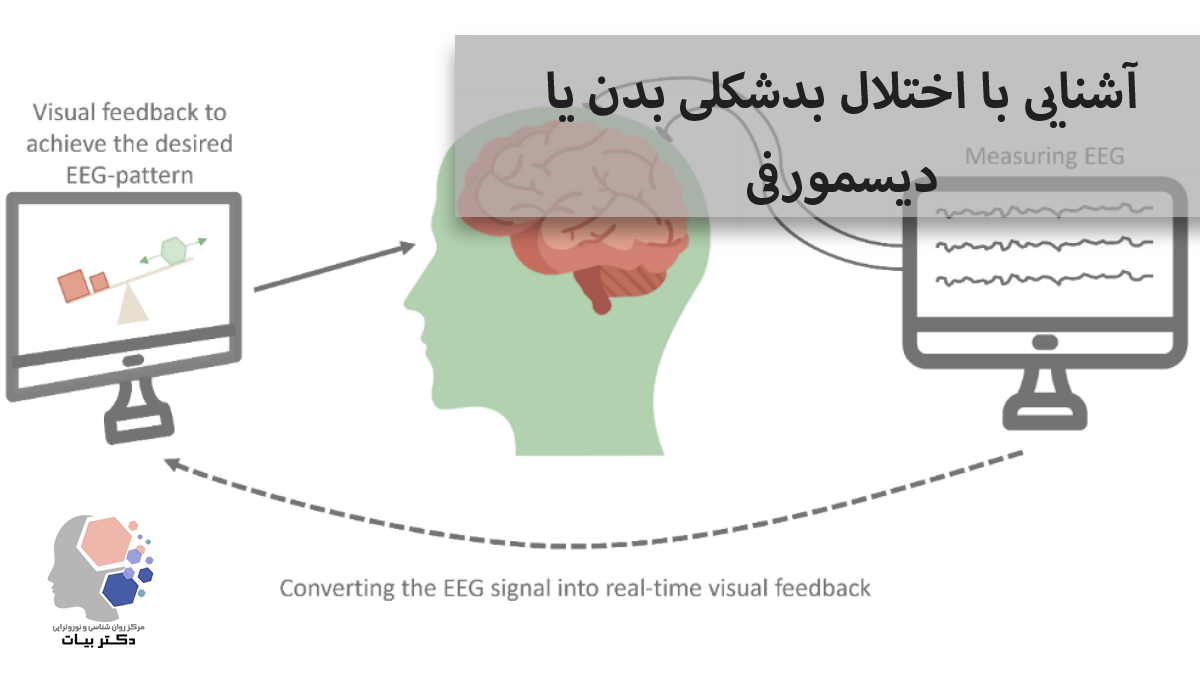
The treatment of bulimia nervosa is not limited to psychotherapy and drug therapy. In recent years, new and complementary methods have entered the field of eating disorders treatment and many researchers have confirmed their effectiveness. One of these approaches is neurofeedback, which is one of the types of biofeedback treatment methods. Using brain wave recording and feedback technology, neurofeedback helps people correct unhealthy patterns of emotion regulation and impulses related to overeating. By improving self-regulation of the brain, neurofeedback can reduce binge eating and purging behaviors and strengthen a person's sense of control over emotions. ### **mindfulness**
Another approach that has attracted a lot of attention is Mindfulness-Based Therapy. This type of intervention teaches patients to experience their present moment and feelings without judgment. Academic research has shown that mindfulness practice can reduce food cravings, stress, and unhealthy thought patterns related to body and food. Combining mindfulness with CBT or IPT helps people become more aware of their behavioral triggers and make healthier choices instead of impulsive reactions. ### **Psychology of thinness**
Weight loss psychology or Behavioral Weight Therapy is a new treatment approach that focuses on the relationship between mind and behavior with food and body weight. This method examines bulimia not as a purely food problem, but as the result of the interaction between thoughts, feelings, and behavioral habits. The main goal of weight loss psychology is to teach skills that help a person become more aware of their eating patterns, manage emotions without overeating, and make healthy food decisions. In practice, weight loss psychology utilizes various psychotherapy techniques, including CBT, mindfulness, and behavioral self-control. For example, the individual learns how to identify situations that trigger binge eating and to deal with alternative coping strategies. Scientific studies have shown that combining slimming psychology with nutrition programs and regular exercise reduces binge eating behaviors and increases feelings of control and body satisfaction. **Summary**
Binge eating disorder is one of the most common disorders in the world that occurs mostly in young people. Internet and virtual space also have a high and bad effect on people's perception of their weight and body. At the psychology clinic and Loretta Neurofeedback Bayat, the best and most standard type of counseling is provided for the treatment of people suffering from binge eating disorder. This disorder can have negative effects on the human body and mind; For this reason, its treatment improves human quality. Sources used in this content:
1. Bulimia nervosa
2. Cognitive Behavioral Therapy (CBT) for Eating Disorders
3. The social media diet: A scoping review to investigate the association between social media, body image and eating disorders among young people
**Frequently Asked Questions**
**1- What is bulimia nervosa?**
These people secretly eat large amounts of food in an uncontrollable manner and then try to clean up the extra calories they have taken in by various methods. **2- What percentage of men and women in the world suffer from bulimia nervosa?**
This disorder occurs in 1.5% of young women and 0.1% of young men. **3- What are the symptoms of overeating?**
- Mental and practical conflict about body shape and weight
- Fear of gaining weight
- Repeated episodes of overeating (binge eating)
- Inability to control the amount of food used
- Doing vigorous exercise or vomiting to lose weight
- Refusal to eat
- Exaggerated use of food and herbal supplements to lose weight