

مقدمه
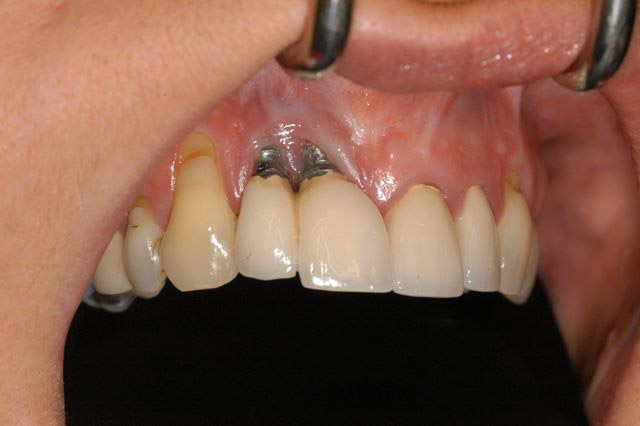
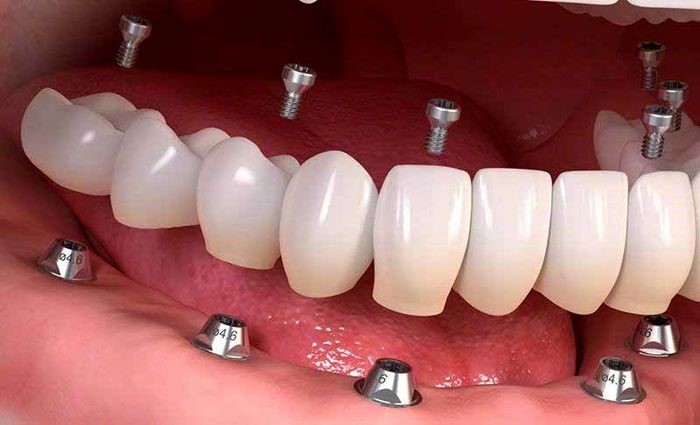
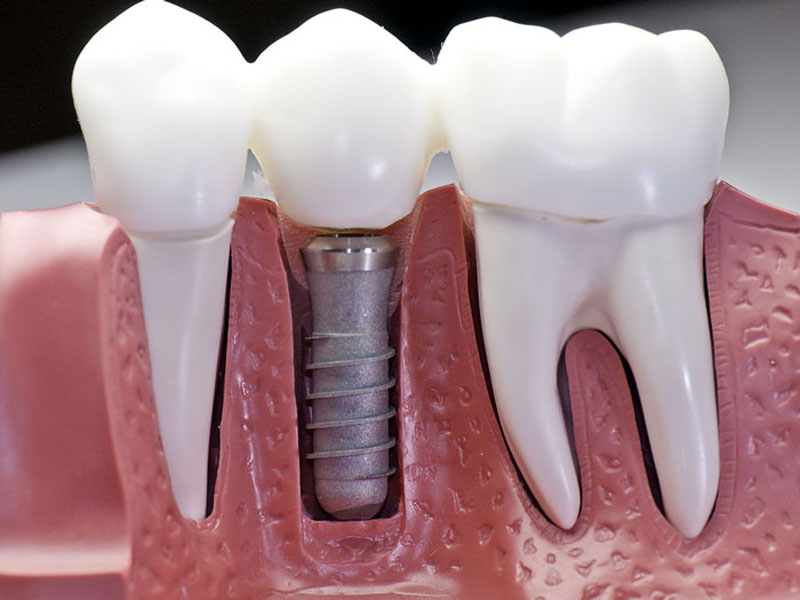
ایمپلنت دندان یکی از بهترین روشهای جایگزینی دندانهای از دست رفته است که موفقیت آن به عوامل زیادی بستگی دارد. While most people consider local factors such as gum health, jawbone quality, or oral hygiene, the impact of obesity on dental implants is often overlooked. But can excess weight reduce the chance of implant success? In this article, we examine the relationship between obesity and dental implants.
What is obesity and how does it affect public health?
Obesity is a chronic and complex condition characterized by excessive accumulation of fat in the body. Body mass index or BMI is one of the most common measures to measure obesity. Usually, people who have a BMI higher than 30 are classified as obese.
Obesity is associated with several diseases, including:
-
cardiovascular diseases
-
type 2 diabetes
-
High blood pressure
-
respiratory diseases
-
Metabolic disorders
-
Chronic inflammations
These systemic problems can affect the success or failure of dental treatments, including implants.

The effect of obesity on dental implants
Recent scientific studies show that obesity can be a risk factor for the success of dental implants. The most important reasons that explain the negative effect of obesity on dental implants are:
1. Chronic systemic inflammation
Obesity leads to increased chronic inflammation throughout the body. This inflammation weakens the body's immune system and reduces the body's ability to repair tissues. High inflammation is also associated with increased bone loss around the implant.
2. Impaired healing of wounds
In obese people, the wound healing process after implant surgery is slower. This issue increases the risk of infection and failure to fuse the implant base with the bone.
3. Increased risk of periodontal diseases
Obesity is associated with increased risk of gingivitis and periodontal diseases. These diseases can weaken the base of the implant and lead to its failure.
4. Quality of the jaw bone
Obese people may suffer from lower bone density or jaw bone loss. This can reduce the stability and durability of the implant.
Scientific studies about the effect of obesity on dental implants
Various studies have been conducted on the relationship between obesity and dental implant success. In a study published in the Journal of Clinical Periodontology, it was found that people with a high BMI experienced a higher rate of implant failure than people of normal weight.
In another study, researchers concluded that obesity is associated with increased peri-implantitis. This inflammation, which involves the surrounding of the implant, can lead to bone loss and finally the failure of the treatment.
Are all obese people at risk of implant failure?
The answer is no. Obesity is a risk factor but not a definite obstacle. Many obese patients experience successful implant treatment with special care and under the supervision of a specialist dentist. The key is to control obesity-related factors such as blood sugar, blood pressure, and gum health.

How to increase the chances of implant success in obese people?
To increase the probability of successful implant treatment in obese patients, it is important to observe the following points:
✅ Weight loss and weight management before surgery
Even a 5-10% reduction in body weight can reduce inflammation and improve the immune system.
✅ control underlying diseases
If there is diabetes or blood pressure, these diseases should be controlled before implant treatment.
✅ strictly observe oral and dental hygiene
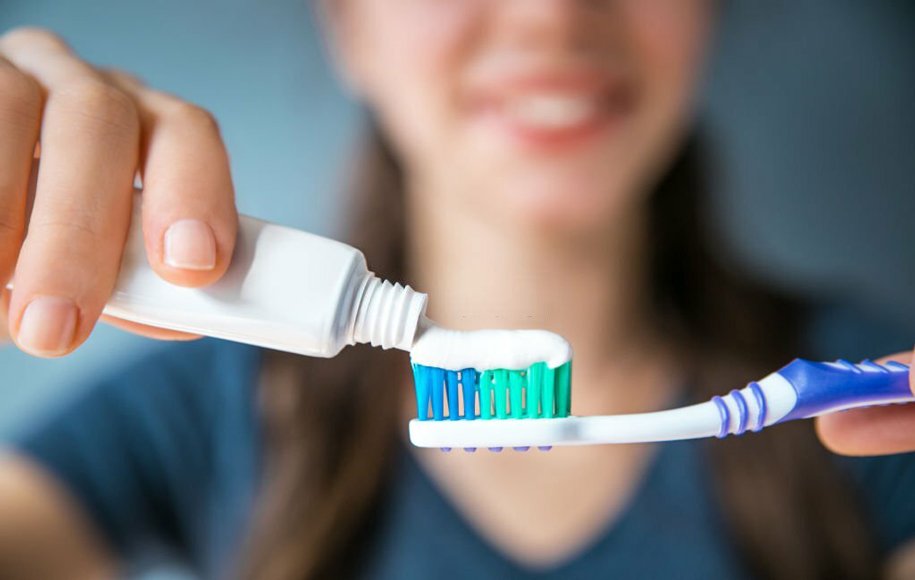
It is necessary to use a toothbrush, dental floss, mouthwash and visit the dentist regularly.
Use of advanced technologies
The use of digital surgical methods and precise implant design can increase the success rate in obese people.
✅ proper nutrition and food supplements
Nutrition rich in vitamin D, calcium and antioxidants is very effective in the bone and gum healing process.
Procedures of implant for obese patients
Implant treatment for overweight people may come with additional considerations:
1. Detailed examination of the medical record
Evaluation of metabolic status and diagnosis of related diseases such as diabetes and high cholesterol
2. High-precision imaging
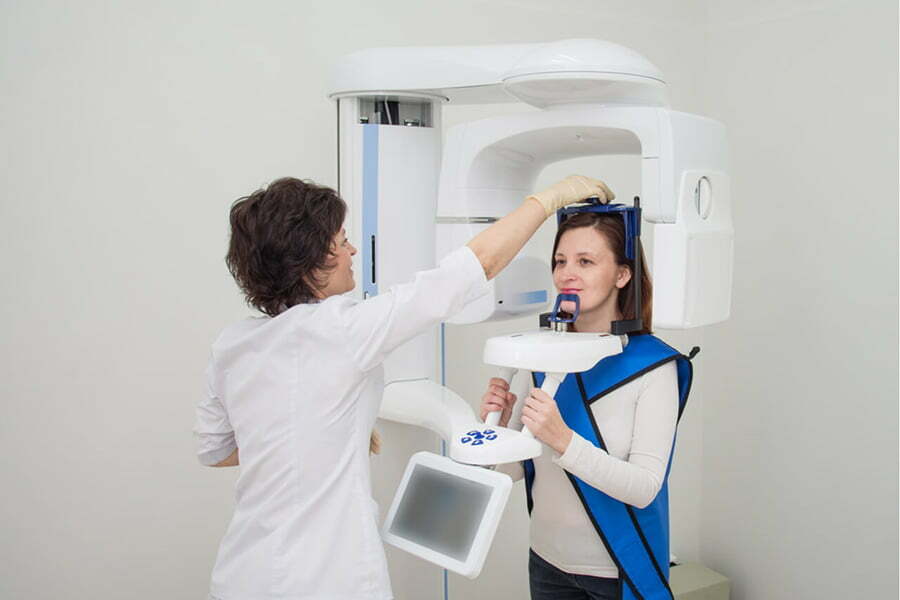
Using CBCT to check bone density and jaw conditions
3. Choosing the right implant system
Selecting brands and sizes of implants that are compatible with the patient's conditions
4. Minimally invasive surgical design
Decreasing the duration of surgery and using methods that have less tissue damage
5. Post-surgery care
use of anti-inflammatory drugs, antibiotics and careful control of the patient's general condition
Immediate implants for obese people: yes or no?
In the immediate implant method, the missing tooth is extracted and the implant base is immediately placed in the bone. Although this method is successful in certain conditions, it is not recommended in obese people due to the increased possibility of inflammation and delayed healing except with a thorough investigation and ideal conditions.
possible complications of implants in obese patients
If the necessary care is not observed, obese people may face the following complications:
-
Inflammation around the implant (peri-implantitis)
-
failure of fusion of implant with bone
-
Jaw bone analysis
-
Chronic infections
-
Implant loosening or coming out
Should one go on a weight loss diet before the implant?
If the person's BMI is very high (for example, above 35), the dentist may recommend losing a few kilos before surgery. Losing weight reduces systemic inflammation and improves the function of the immune system and contributes to the success of the treatment.
Frequently asked questions about the effect of obesity on dental implants
Is severe obesity an obstacle to implant?
In severe cases, the doctor may postpone the treatment until the general condition of the patient improves.
Is it possible to have a successful implant despite obesity?
Yes, if underlying diseases are controlled and necessary care is observed.
Does obesity cause implant failure?
If oral hygiene is not followed or weight gain is uncontrollable, yes.
Are obese people more prone to implant infection?
It is more likely, but it can be prevented by following care protocols.
Conclusion: obesity, a manageable obstacle in the way of implant treatment
Obesity may reduce the likelihood of dental implant success, but it is not an absolute barrier. With awareness, control of related diseases and cooperation with an experienced dentist, obese people can also experience successful implant treatment. If you are overweight and looking for a way to replace missing teeth, it is better to consult a specialist and follow a detailed treatment plan.
Dr. Farbad Seifi and Dr. Farzane Dashkhane dental center in Maragheh city is one of the most equipped dental implant centers. You can contact the phone number 04137223003 for booking an appointment and more detailed advice. You can also find other ways to contact us on the Contact Us page. To see the trainings and routines of the office, you can also Dr. Farbod Seifi's Instagram page and Follow the page of Dr. Farzaneh Dashkhane on Instagram.