White marriage: a free choice or a path full of complications?


White marriage: a free choice or a complicated path?
- March 8, 1403
- 8 minutes
White marriage is one of the new social phenomena that has become popular in some societies in the last few decades. This type of emotional and marital relationship is usually not legally and officially registered and is not legally recognized as marriage. In these relationships, couples live together freely and with informal agreements in most cases without legal registration and in the form of cohabitation. This type of relationship has been formed in some countries as a result of social and cultural changes, and today we are faced with different attitudes towards it in many societies. White marriage can have various effects on the emotional and psychological life of people, which will be discussed further.
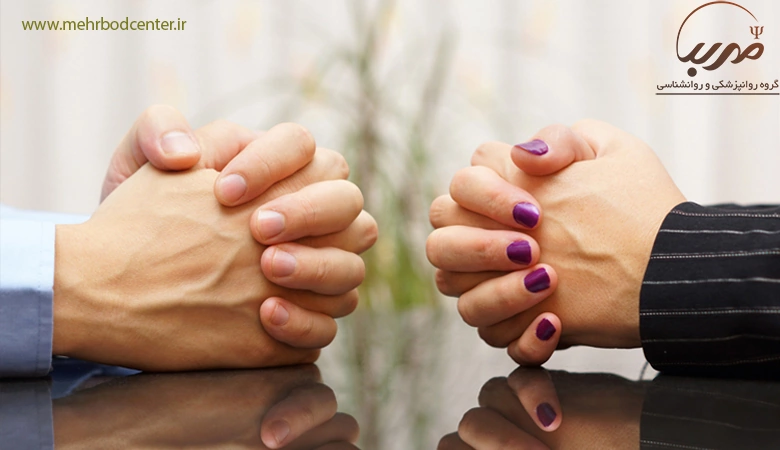
What is white marriage?
White marriage is a kind of relationship between two people who live together without official registration or legal contract. In these relationships, people do not have any formal and legal obligations to each other and live together based on personal agreements. This type of marriage can exist in many forms, including cohabitation without any formal or legal ceremony. Although this type of marriage is informally known as "cohabitation", compared to formal and legal relationships, white marriage does not have a social and legal dimension, and therefore there are certain problems related to it. To have communication skills in your emotional relationships, you can consult with Mehrabad's psychology and psychiatry group. To have healthy emotional relationships, you can contact Mehrbod Psychology and Psychiatry Group.
The effect of white marriage on the mental health of couples
White marriage, due to the lack of legal and formal obligations, can have various effects on the mental health of couples. On the one hand, some people feel more free in this type of relationship and are less subject to social and family pressures, which can lead to a reduction in stress and anxiety. On the other hand, the lack of legal structure and stability in these relationships may create a feeling of psychological insecurity and lead to challenges such as anxiety and depression. Also, the lack of formal commitments can lead to mistrust and concerns about the lack of stability of the relationship.
Read more: emotional divorce
Psychological challenges in white marriage relationships
White marriage relationships may face several psychological challenges. One of the most important challenges is the lack of legal and social support, which can have negative effects on the mental health of couples. In this type of relationship, the probability of feeling lonely, emotional instability and lack of psychological security is higher. In addition, not having formal and legal obligations can lead to problems in emotional relationships, such as lack of trust, feelings of worthlessness, and difficulty in crisis management. Finally, problems related to families and the social environment can also put more psychological pressure on people.
Read more: The importance of the first year Marriage
Psychological differences in white marriage and official marriage
Psychological differences between white marriage and official marriage are widely observed in various aspects of people's personal and social life. These differences can affect the way couples interact, their feelings towards each other and even their mental health. In the following, we will examine these differences from different aspects:
1. Legal and official obligations
In formal marriage, couples are under legal obligations that bind them to each other legally. These obligations include various issues such as financial rights, childbearing rights, and even issues related to divorce and separation. These commitments typically make people feel more secure in their relationship because they know there is legal protection if something goes wrong.
In a white marriage, due to the absence of official and legal obligations, this feeling of security does not exist. People may always worry that there is no legal protection for them in case of problems or legal problems will arise for them. This instability may cause anxiety and worry and sometimes even create a feeling of worthlessness and seriousness in the relationship.
2. Trust and psychological security
Trust is one of the most important factors in any relationship, and in official marriage, due to legal and public obligations, this trust may be formed more. Couples in formal marriage are usually committed to each other to support each other in different situations and stay together, even in times of crisis. This official commitment can lead to greater psychological security.
In a white marriage, with the absence of legal obligations and the informality of the relationship, there may be concerns about fidelity and permanence in the relationship. Feelings of mistrust and fear of abandonment can be greater in such relationships, and this mistrust may lead to anxiety, depression, and feelings of loneliness.
3. Social and cultural acceptance
Formal marriage is socially accepted in most societies and people get more social support. In most societies, official marriage is recognized as the main criterion for a stable and committed relationship, and people who are officially married enjoy more social acceptance.But in a white marriage, people may face social judgments and cultural pressures. In many societies, white marriage is still not recognized as a legitimate and valid relationship model and may be considered as an unofficial and even invalid option. These social pressures can have a negative effect on people's mental health and lead to feelings of isolation and helplessness.

4. Sense of identity and belonging
In formal marriage, people experience a sense of social identity and belonging to society within the framework of a formal and recognized relationship. This type of marriage is associated with formality and acceptance in the family and society, which can give people a sense of stability and mental peace. People in formal marriage benefit from more social and cultural support, and this strengthens their individual and social identity.
In a white marriage, people may experience a sense of identitylessness or not belonging as an official couple. They may feel that their place in society or family is lower than a formal marriage, and as a result, this feeling of not belonging can lead to a decrease in self-confidence and personal identity.
5. Stress and psychological pressure
Official marriage usually creates less psychological pressure for couples due to legal and support obligations. People in a formal marriage know that if problems arise, there are legal and social supports to help them get through the crisis. This psychological security can reduce stress and psychological pressure.
In a white marriage, because there is no formal commitment, people may always feel that their relationship is at risk and if problems arise, they cannot enjoy legal and social support. These worries can lead to more stress, anxiety and psychological pressure.
6. Interactions and emotional dependence
In a formal marriage, there are deeper emotional commitments between the couple, which makes the feeling of more emotional and psychological dependence in these relationships. This dependence can make the relationship more stable and in times of crisis, people naturally rely on each other and support each other.
In a white marriage, due to the lack of formal commitments, the possibility of emotional dependence is reduced and people may be constantly searching for their emotional independence. This issue can lead to creating emotional distances and reducing closeness between couples.
The effect of white marriage on individual and social identity
White marriage can have significant effects on people's personal and social identity. From an individual point of view, the lack of formal commitments may cause identity crises in people, as they may feel that their relationship is not only legally but also socially unstable. This lack of stability can lead to doubt in personal and social identity. Socially, people in white marriage relationships may face more cultural and social pressures. In societies where official marriage is highly valued, this type of relationship may reduce people's social status and even exclude them from some social groups.
Conclusion
White marriage, as an emerging social phenomenon, has many positive and negative aspects, and its effects on the individual and social psychology of couples are significant. On the one hand, this type of relationship can provide more freedom for people and lead to the reduction of social and legal pressures. On the other hand, challenges such as mental instability, identity crises and social pressures may lead to psychological problems in couples. Finally, a more detailed examination of this phenomenon and its effects on people's mental health requires more attention to the cultural, social and psychological conditions of each society.
Related contentA comprehensive look at emotional divorce
Emotional divorce is one of the complex and challenging issues in relationships
A healthy emotional relationship: a way to a life full of peace and love
A healthy emotional relationship is one of the important and fundamental elements for
Write your comment Cancel reply