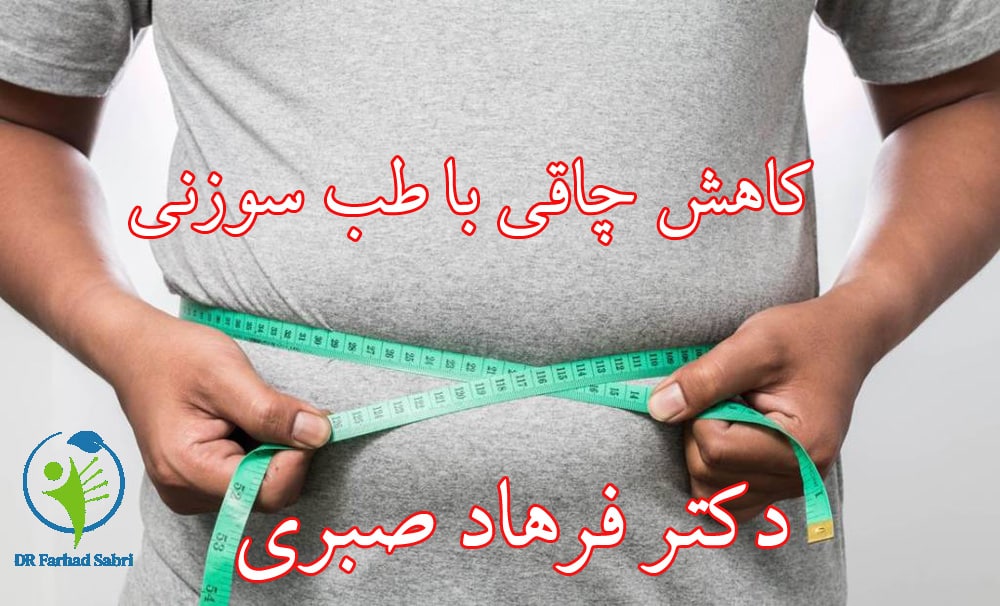

reducing obesity with acupuncture
Reducing obesity with acupuncture One of the new fields of application of this science and its effect on weight management and reducing obesity. which researchers and experts pay special attention to, in recent years, acupuncture has attracted a lot of attention as an ancient Chinese treatment method used in the treatment of various health issues. With the increase in the prevalence of obesity and related problems globally, the search for effective and low-risk solutions to control weight and improve public health has become more important.

Acupuncture, which involves inserting thin needles into specific points of the body to improve internal function and balance, has traditionally been used to treat various pains and disorders. But the question that will be investigated in this article is how this treatment method can help in weight loss and obesity management. Can acupuncture help regulate appetite, increase metabolism and reduce stress?
Causes of obesity
Obesity is a complex and multifactorial condition that can be caused by various reasons. These factors include genetics, environment, individual behaviors and health status. Below are the most important causes of obesity:
- Improper nutrition
High calorie consumption: Excessive consumption of high-calorie foods and sugary drinks can lead to weight gain.
Imbalanced diet: A lack of nutrients, such as fiber, protein and healthy fats, and an excess of saturated fat and added sugars can contribute to obesity.
- Lack of physical activity
Sedentary lifestyle: Lack of physical activity and prolonged sitting (for example, at work or at home) can lead to weight gain and obesity.
Lack of regular exercise: Lack of regular exercise helps reduce energy consumption and increase fat storage.
- Genetic factors
Heredity: Genetics can affect how much body fat is stored, metabolism, and how fat is distributed. Some people may be naturally prone to gaining weight.
- Hormonal disorders
Thyroid problems: Thyroid disorders, such as hypothyroidism, can lead to decreased metabolic rate and weight gain.
Polycystic ovary syndrome (PCOS): This hormonal disorder can lead to weight gain and obesity, especially in the abdominal area.
- Psychological and behavioral factors
Stress and anxiety: Stress and anxiety can lead to emotional eating and overeating, which can lead to weight gain.
Overeating due to negative emotions: Some people turn to food to cope with negative emotions, which can lead to excessive calorie consumption and weight gain.
- Environmental and social factors
Accessibility of high-calorie foods: The presence of high-calorie and low-nutrition foods in the living and working environment can lead to weight gain.
Cultural eating habits: Eating habits and lifestyles that are common in different cultures can have a great impact on weight and obesity.
- Medical factors
Medications: Certain medications, such as antidepressants and steroid medications, can lead to weight gain.
Underlying diseases: Diseases such as type 2 diabetes and metabolic disorders can contribute to obesity.
- Age and hormonal changes
Aging: With age, the body's metabolic rate naturally decreases and body weight may also increase.
Hormonal changes: Hormonal changes during menopause or other hormonal changes can affect fat storage and weight gain.
- Sleep and sleep problems
Lack of sleep: Not getting enough sleep can disrupt hormones that regulate appetite and metabolism, which can contribute to weight gain.
Sleep disorders: Sleep disorders can affect body weight.
In general, obesity is usually the result of the interaction of several factors, and for its effective management and treatment, it is necessary to comprehensively examine and manage various factors.
Reducing obesity with acupuncture and how it affects
Scientific studies have shown that acupuncture can affect weight loss and obesity management in several ways:
Appetite reduction: Acupuncture may help regulate hormones that control appetite and help reduce the urge to overeat.
Increasing metabolism: Some research shows that acupuncture can help increase the body's metabolism and increase energy consumption.
Improving digestion: Acupuncture can help improve the function of the digestive system and optimize the absorption of nutrients.
Reduce stress: Stress can lead to weight gain. Acupuncture may help reduce stress and anxiety, and thus provide better control over eating habits.
Regulate hormone levels: Acupuncture may affect the body's hormonal balance, which can be helpful in weight management.
However, it is important to note that acupuncture alone is usually not enough for weight loss. This method is best used as part of a comprehensive weight loss program that includes a balanced diet, regular exercise, and lifestyle changes. Also, before starting acupuncture treatment, it is necessary to consult with a doctor or certified acupuncturist.

Can acupuncture help regulate appetite, increase metabolism?
Yes, acupuncture can help regulate appetite and increase metabolism. This treatment method, using very thin needles that are placed in certain parts of the body, helps regulate body functions and improve energy balance. Here is a brief explanation of how Acupuncture can regulate appetite and increase metabolism:
- Regulation of appetite
Acupuncture can help regulate appetite by affecting hormones that control appetite. These effects specifically include the following:
Appetite reduction: Some acupuncture points help regulate hormones such as leptin and hunger, which play an important role in regulating appetite and satiety. By regulating these hormones, acupuncture can help reduce the urge to overeat and better control food intake.
Reduce cravings for certain foods: Acupuncture may help reduce cravings, especially high-calorie or sweet foods.
- Increasing metabolism
Acupuncture can help increase body metabolism and improve energy metabolism. These effects include the following:
Stimulation of specific points: By stimulating specific points of the body, acupuncture can help increase the activity of the sympathetic nervous system, which can lead to an increase in metabolic rate and energy metabolism.
Improving thyroid function: Some studies have shown that acupuncture may help improve thyroid function. Since the thyroid plays a key role in regulating the body's metabolism, improving its function can help increase the metabolic rate.
Energy balance: Acupuncture helps regulate and improve the flow of energy (qi) in the body. This balance can help better metabolic function.
Conclusion
In general, acupuncture can be used as a complementary method alongside proper diet, regular exercise and lifestyle changes to improve weight management and increase metabolism. Always consult with a Accredited acupuncturist and physician are essential to ensure this method is appropriate for the individual's specific needs.



