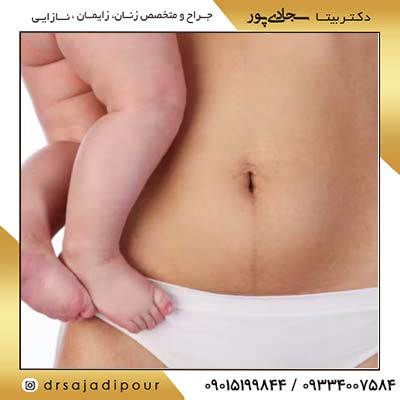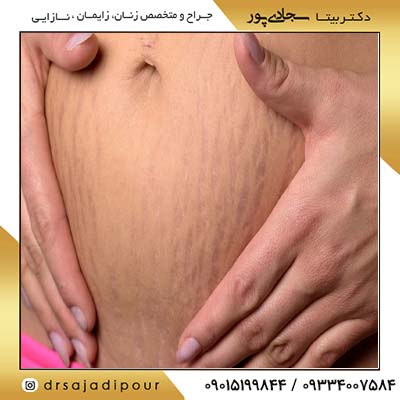


افتادگی رحم بعد از زایمان یکی از مشکلات پزشکی است که بسیاری از زنان به ویژه پس از زایمانهای طبیعی با آن مواجه میشوند. This condition actually refers to the uterus falling or falling from its natural position inside the pelvis and can cause physical and psychological problems for women. Childbirth, especially natural births, puts a lot of pressure on the muscles and tissues around the uterus, and in some cases, it can lead to dysfunction of these tissues and the occurrence of problems such as uterine prolapse. In this article, the causes, symptoms, diagnosis, and treatment of uterine prolapse after childbirth will be examined in a specialized way.
Definition of uterine prolapse
uterine prolapse refers to a state in which the uterus due to weakness or damage It moves to the muscles and supporting tissues of the pelvic region below its normal position. In severe cases, the uterus can completely protrude from the vaginal opening. This condition is usually more common in older women who have had multiple births, but it can also occur in women who have experienced natural childbirth. Since the uterus is naturally located in the pelvis, any disorder in the muscles and supporting tissues can cause it to move.

Symptoms of uterine prolapse
Uterine prolapse in the early stages may not have any obvious symptoms. But as the disease progresses, various symptoms can appear, including the following:
-
Feeling of pressure in the pelvic area
One of the first symptoms of uterine prolapse is a feeling of pressure and heaviness in the pelvic area, which can be felt especially when standing or performing daily activities. -
Urinary problems
Women with prolapsed uterus may experience problems such as urinary incontinence, frequent urge to urinate or pain when urinating. These problems are due to the pressure that the falling uterus puts on the bladder. -
vaginal prolapse
In more severe cases, women may notice vaginal prolapse or even the uterus protruding from the vagina. This condition is usually seen in more advanced stages of the disease. -
pain and discomfort in the pelvic area
Uterine prolapse can cause pain and discomfort in the pelvic area, especially during prolonged standing or physical activity. -
Sexual problems
Women with prolapsed uterus may experience pain and discomfort during sex. These problems are caused by changes in the position and location of the uterus and pressure on the tissues around it.
Diagnosis of uterine prolapse
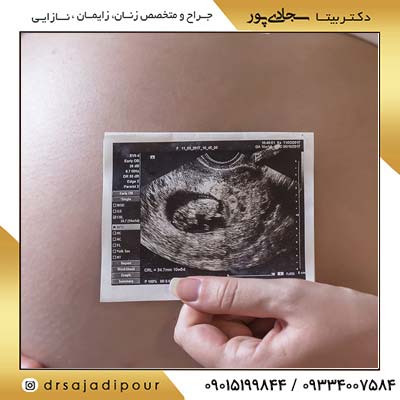
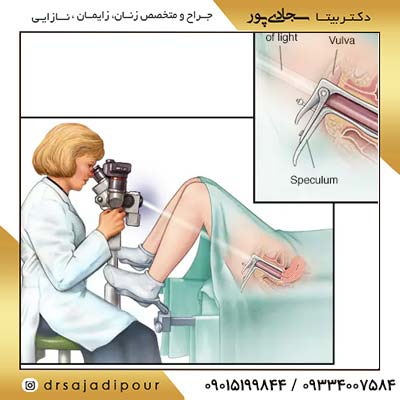
Uterine prolapse is usually diagnosed by a gynecologist. The doctor can reach the correct diagnosis by examining the clinical symptoms, medical history of the patient and performing a pelvic examination. In some cases, imaging tests such as ultrasound or MRI are also used to check the condition of the uterus and the extent of its prolapse.

treatment of uterine prolapse
The treatment of uterine prolapse depends on the severity of the disease and the health status of the patient. Different treatments include non-surgical and surgical treatments:
-
Non-surgical treatments
-
Pelvic floor muscle strengthening exercises (Kegel): These exercises help strengthen the pelvic floor muscles and can be effective in the early stages of the disease.
-
Using support devices (penis): A penis is a device that can be temporarily placed inside the vagina and help support the uterus.
-
Physiotherapy: Specialized physiotherapy can help strengthen the pelvic floor muscles and reduce the symptoms of uterine prolapse.
-
-
Surgical treatments
If non-surgical treatments are not effective and symptoms intensify, surgery can be an appropriate treatment option. Types of surgeries performed to treat uterine prolapse include:-
Pelvic reconstructive surgery: In this type of surgery, the uterus returns to its normal position and the muscles and supporting tissues are strengthened.
-
Conclusion
Uterine prolapse is one of the most common problems after childbirth, which can greatly affect the quality of life of women. Various causes such as weakness of pelvic floor muscles, excessive stretching of tissues and complicated deliveries can cause this problem. Although non-surgical treatments such as Kegel exercises and the use of pesiris are effective, in some cases surgery may be the only treatment option. Women should pay attention to the symptoms of this condition and, in case of any problems, consult a doctor in order to benefit from appropriate treatments.
Dr. Sjady-Pour Contact Information
-

![The role of inositol in the treatment of female infertility [obstetrics and gynecology specialist]](/storage/posts/covers/2026/01/05/c0b071d7095fdcbaa34903c34e092d27a7f5b2fc471de3ff89c0a6eb0c446a10.jpg)

![Children's vaginal infection: symptoms and treatment [obstetrics and gynecology specialist]](/storage/posts/covers/2026/01/05/e56f480f09acfaf71854a94f42ccf293be7e378bd9a4adcffd54d5476bf51caa.jpg)
![Breast cancer [breast] symptoms, diagnosis + treatment [gynecologist]](/storage/posts/covers/2026/01/05/0d2c008b72cfbf5343598c8045fd73cdfbfe6a0e567bd035ea8e1fc90702e96a.jpg)


![Vaginal infection in pregnancy: symptoms, diagnosis and treatment [obstetrician and gynecologist]](/storage/posts/covers/2026/01/05/74fbd328a8a4a83f39778f4a417048ddeb814f527d50d1afc9e23bbe0ad5e371.jpg)