Verbal learning disorder Introducing the best center to improve the disorder

Dr. Melika Akbari Mehr
تهرانNeurologist and neurologist
To get an appointment, call 66565325(021).
Verbal learning disorder Where is the best center for disorder recovery?
- diseases and disorders
- »
- verbal learning disorder
- »
- verbal learning disorder | Where is the best center for disorder recovery?
- Author: Mostafa Asgari Nejad
- Category: verbal learning disorder
The main headings of this content


Learning language and verbal skills are vital abilities in human development. When a person has a problem in processing, understanding or producing language for various reasons, his daily life, work and education are affected. This condition, known as verbal learning disorder, has nothing to do with a person's general intelligence. On this page, we are going to examine verbal learning disorder from different aspects.

What is verbal learning disorder and what are its symptoms?
Verbal learning disorder is a neurodevelopmental condition that impairs the brain's ability to process verbal and linguistic information. A person with this challenge experiences problems using language (expressing thoughts) and understanding language (listening comprehension). Timely diagnosis of this disorder is very important and ultimately helps the specialists to consider the best possible solutions to improve people's condition. Verbal processing disorders have different symptoms that you should be familiar with.Here are some of the most common symptoms of this disorder:
- Difficulty finding the right word: inability to remember and say the right words when speaking
- Difficulty with verbal commands: Difficulty understanding and following verbal commands
- Weakness in pronunciation: Persistent mistakes in pronouncing sounds and words or changing them.
- Difficulty in rhythm: inability to recognize or make words that rhyme or sound the same
- Slow learning: Challenges in remembering letters, numbers, colors, and days of the week
- Limited vocabulary: not using diverse words and difficulty in learning new words
The causes of verbal learning disorder in children and teenagers
To find the root of learning disorders, we must pay attention to the factors that affect the structure or function of the brain. Scientists have concluded that in many cases, learning disorders, including verbal learning disorder, have hereditary roots. In fact, if one of the close family members is facing these problems, there will be a possibility of it occurring in the children as well. However, other factors can also play a role in the formation of this disorder in children and adolescents.
Some factors are effective in causing verbal learning disorder, which are:
- Problems during pregnancy: alcohol, smoking or drug use by the mother during pregnancy
- Prenatal injuries: lack of oxygen supply or poor nutrition of the fetus (brain damage)
- Childhood infections: occurrence of some infectious diseases such as meningitis and brain damage in childhood
- (impairment) in auditory processing: inability of the brain to accurately and quickly interpret received information
- Blow to the head: various physical injuries to the language processing parts of the brain
- Exposure to lead: poisoning with heavy metals in the living, educational or workplace environment
Effective and practical methods to help improve verbal learning disorder
Treatment is different for everyone with a verbal learning disorder. Neurologists will design a specific program for each person suffering from this condition with a detailed evaluation. One of the practical and effective methods in improving this disorder is specialized educational interventions, such as the use of multisensory methods (visual, auditory and movement) in language education, which can be very helpful.

Focusing on speech therapy will have a great impact on strengthening various language skills of a person with verbal learning disorder, such as sentence structure and correct pronunciation of words. On the other hand, regular exercises and family and school support for individuals are the main pillars of improvement in this direction. In the table below, you can briefly review some of the treatment approaches for this disorder, as well as the goals of each one.
therapeutic approach
The main goal
Multisensory education
Using different senses to improve learning letters and words
Phonology exercises
Focus on connections between sounds or letters to improve decoding
Computer programs
Using software to strengthen memory and language processing
Strengthening social skills
Learning to understand non-verbal cues and improve interactions
Cognitive-behavioral psychotherapy
Decreasing anxiety and increasing self-confidence of the person involved with the problem
Family counseling
Creating a safe environment and supporting people with this disorder by parents
Where is the best center to improve symptoms of verbal learning disorder?
Finding a center that offers innovative and specialized treatments for verbal learning disorder is very important. As a specialized brain and neurology clinic, Noorali Complex uses advanced treatment approaches and an experienced staff. Focusing on neurotherapy interventions and cognitive rehabilitation, this center offers solutions that directly target the neurological roots of this disorder.
With its modern devices and equipment, this complex is known as the best center for improving the symptoms of verbal learning disorder. In fact, each of Neurali's advanced equipment will have a great effect in improving this disorder.

Equipments of the neural center and their effects in the improvement process of verbal learning disorder:
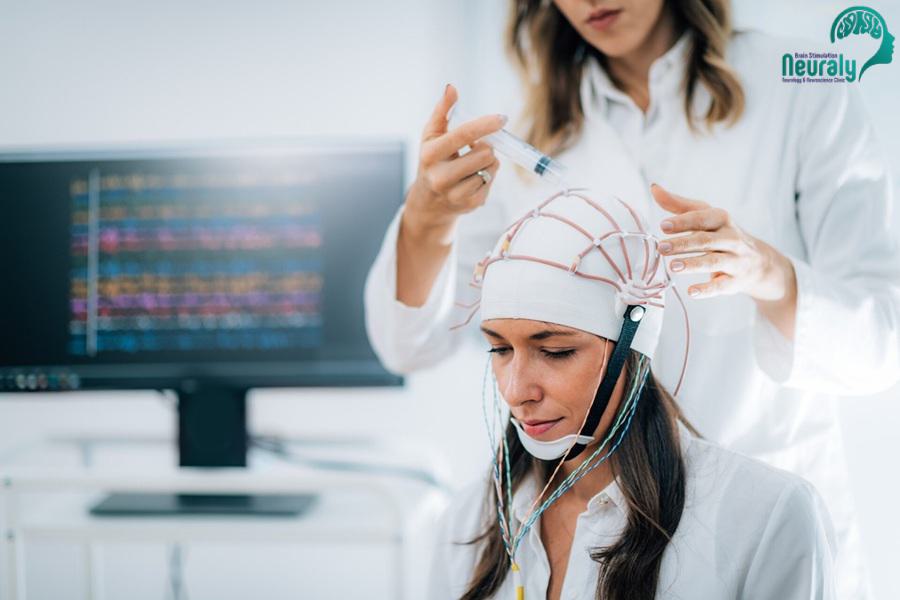
- Brain Mapping (QEEG): The QEEG device carefully evaluates the electrical activity of the brain in order to identify the ineffective areas in the expression of words and finally to design the appropriate treatment protocol for each person
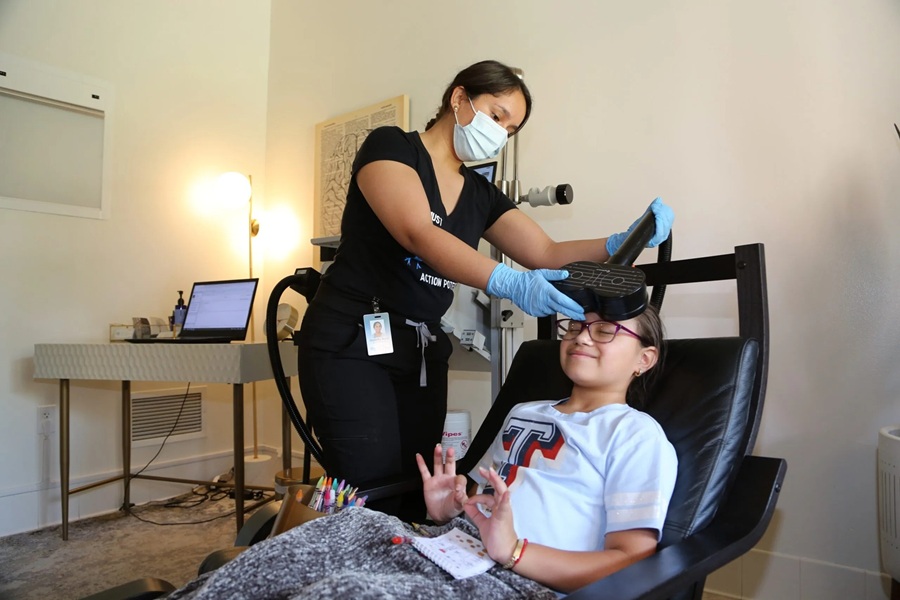
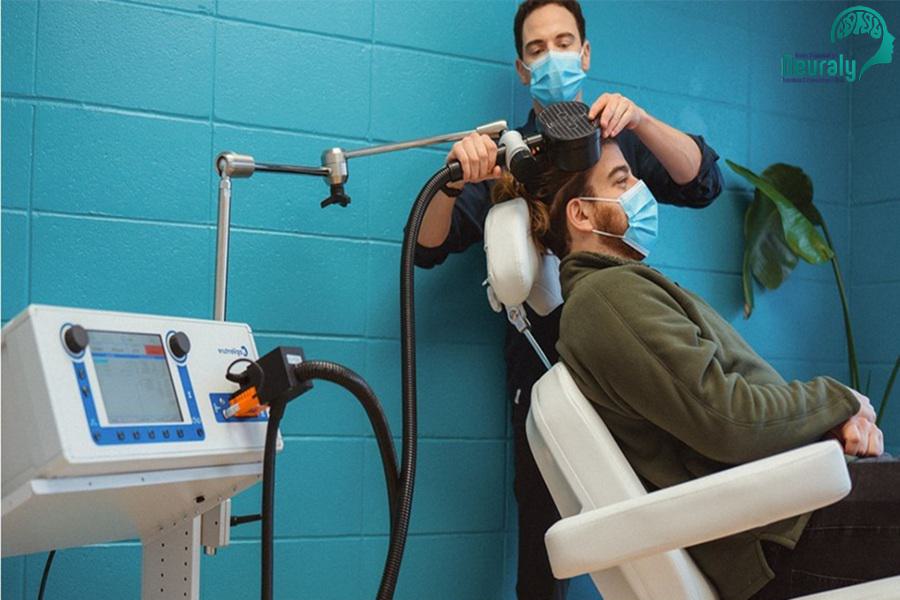
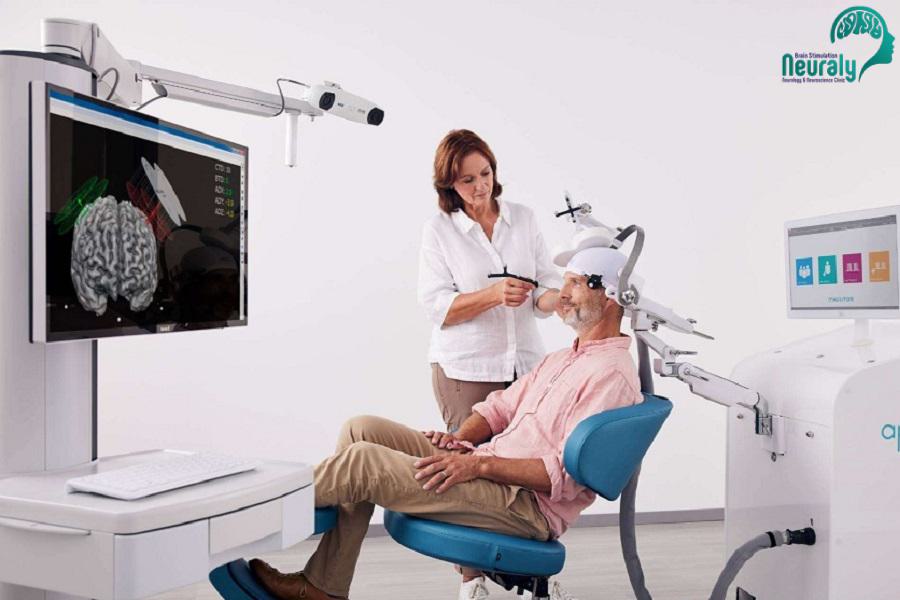
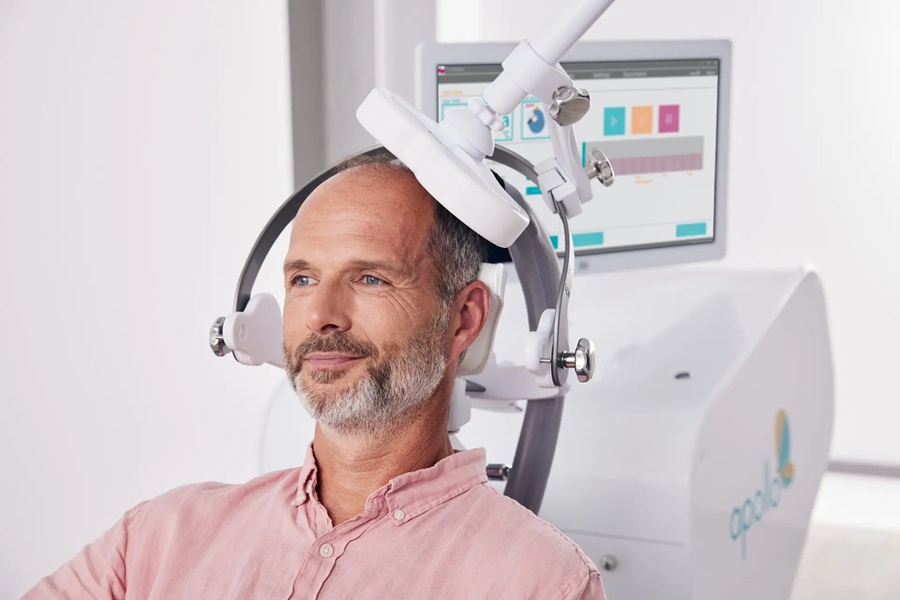
- Magnetic Brain Stimulation (rTMS): This device regulates the function of neurons in the parts of the brain responsible for language to strengthen neural connections and improve speech comprehension and expression skills
- Neurofeedback: This device also teaches the brain to optimize its waves, increase the ability to self-regulate and focus, and thus process auditory information better
- Biofeedback: Biofeedback helps to control the body's physiological reactions such as heart rate, and as a result stress during learning is reduced
Neurali Clinic; The best choice for improving the symptoms of verbal learning disorder
Verbal learning disorder can seem like a big challenge at first, but with timely diagnosis and specialized treatment, the path to recovery for people affected by it is smooth. Using the knowledge of its committed specialists, as well as the best tools in the world such as rTMS, neurofeedback, etc., Noorali neurology clinic is ready to provide the best and most effective treatment services to clients. Our specialists in this collection, by carefully evaluating the conditions of neurological patients, consider the best treatment methods for them and finally provide the best services.
FAQ
What is the difference between verbal learning disorder and mental retardation?
This type of disorder is not related to low IQ, and people with average or higher intelligence only have problems processing linguistic information.
Is verbal learning disorder completely curable?
Although there is no definitive treatment to eradicate it, specialized interventions will have a great impact on improving the symptoms and performance of the individual.
How does magnetic brain stimulation (rTMS) help improve the symptoms of verbal learning disorder?
By regulating the activity of language-related parts in the brain, this device will strengthen and improve memory and ultimately improve a person's verbal abilities.
Rate this article
Make an appointment online
Click on the button below to receive an appointment.
021-66565325Receive a phone appointment