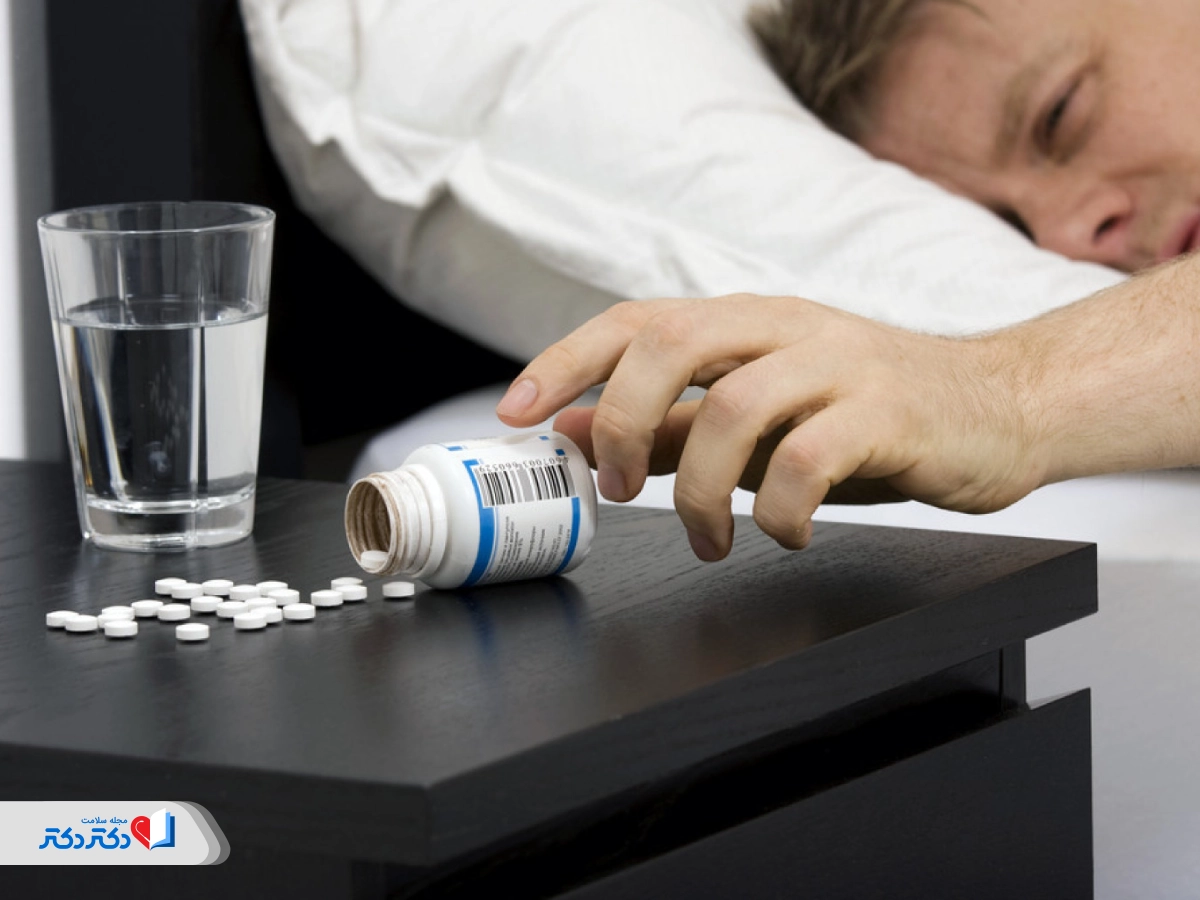
اسکیزوافکتیو یک اختلال روانی مزمن و نادر، ترکیبی از روانپریشی و افسردگی است، روی مرز مبهم اسکیزوفرنی و اختلال خلقی. فرد مبتلا به اسکیزوافکتیو متفاوت فکر میکند، متفاوت رفتار میکند، توهم میزند، هذیان میگوید، باورهای غلط را میپذیرد و افسردگی یا شیدایی را تجربه میکند. در ظاهر شبیه چند بیماری روانی مختلف است؛ در واقع، ترکیبی از اختلال در ادراک و احساسات که بر تفکر، رفتار، و روابط اجتماعی تأثیر میگذارد. In this guide, we will tell you what schizoaffective disease is, what is the type of depression and schizoaffective bipolar, and we will talk about the important details of this disease, from symptoms to its treatment methods. class="lwptoc_items" style="display:none;"> Schizoaffective symptoms in People (schizoaffective bipolar)
مقاله تخصصی
What is schizoaffective? Symptoms, treatment and differences with schizophrenia and bipolar
1 day ago
859 بازدید

Dr. Reza Bahadur
MashhadOrthopedic specialist
What is schizoaffective disorder?
Schizoaffective is a complex, chronic and rare psychotic disorder with a combination of schizophrenic symptoms and mood disorders. Mental health experts identify this disorder as a type of schizophrenia.
Schizoaffective person hallucinates, delusions and suffers from depression and mania at the same time. This disorder changes the way people think, feel and function and makes it difficult to attend work, school and other social environments. He gradually becomes alone and needs help and support to live his daily life.
Given the narrow border between schizoaffective, schizophrenia and bipolar disorder, the diagnosis of this disorder requires a careful clinical evaluation. The first symptoms appear between the ages of 25 and 35, and women are more prone to it than men. Schizoaffective disorder does not have a definitive and 100% cure.
Let's see what are the common symptoms of schizoaffective disorder and how do its sufferers feel.

Schizoaffective symptoms in people
Now that you know what schizoaffective means, it's time to check the symptoms of schizoaffective disorder. The symptoms of schizoaffective or psychotic illness are similar to schizophrenia, or they change mood and look like depression. These fixed signs are not fixed and clear among all. Both their type is variable, so is their intensity.
Schizoaffective psychological symptoms
What is meant by schizoaffective symptoms? Signs that show a person's perception of reality has changed and false beliefs have been replaced. These lead a person to withdraw from social activities and cause a drop in his job and academic performance. Some of the most frequent ones are:
- delusions and false and unrealistic beliefs;
- hallucinations (seeing and hearing voices and unreal things);
- disturbed thoughts and speech;
- abnormal or unexpected behaviors;
- feeling anxious;
- Indifference and soullessness of the face;
- Inability to move;
- Problems performance at work, school and other social situations;
- reluctance to take care of oneself.
schizoaffective mood symptoms
Now let's see in terms of What are the mood changes of schizoaffective symptoms? Schizoaffective is sometimes accompanied by periods of deep depression (feelings of sadness, worthlessness, fatigue, lack of motivation) or periods of mania or hypomania (increased energy, talkativeness, lack of sleep, impulsive behaviors). During the period of depression, the feeling of emptiness knocks a person off his feet; During mania, his mood changes rapidly and goes from anger to calmness or from sadness to happiness.
Schizoaffective mood symptoms of the depression type are:
- Feeling of guilt and worthlessness;
- feeling of fatigue, lethargy and exhaustion;
- Insomnia or oversleeping;
- Not enjoying anything; 400;">Impulsivity;
- Difficulties concentrating and paying attention;
- Poor self-confidence;
- 400;">Thoughts of death and suicide;
- Anorexia;
- persistent sadness. Competitive;
- Insecure and risky behaviors;
- Excessive talkativeness;
- Feeling of dominance on the world;
- increasing social, sexual and work activities;
- fast thoughts and speech;
- trust Exaggerated breath;
- Impulsive behaviors such as extravagance;
- Very happy and happy mood;
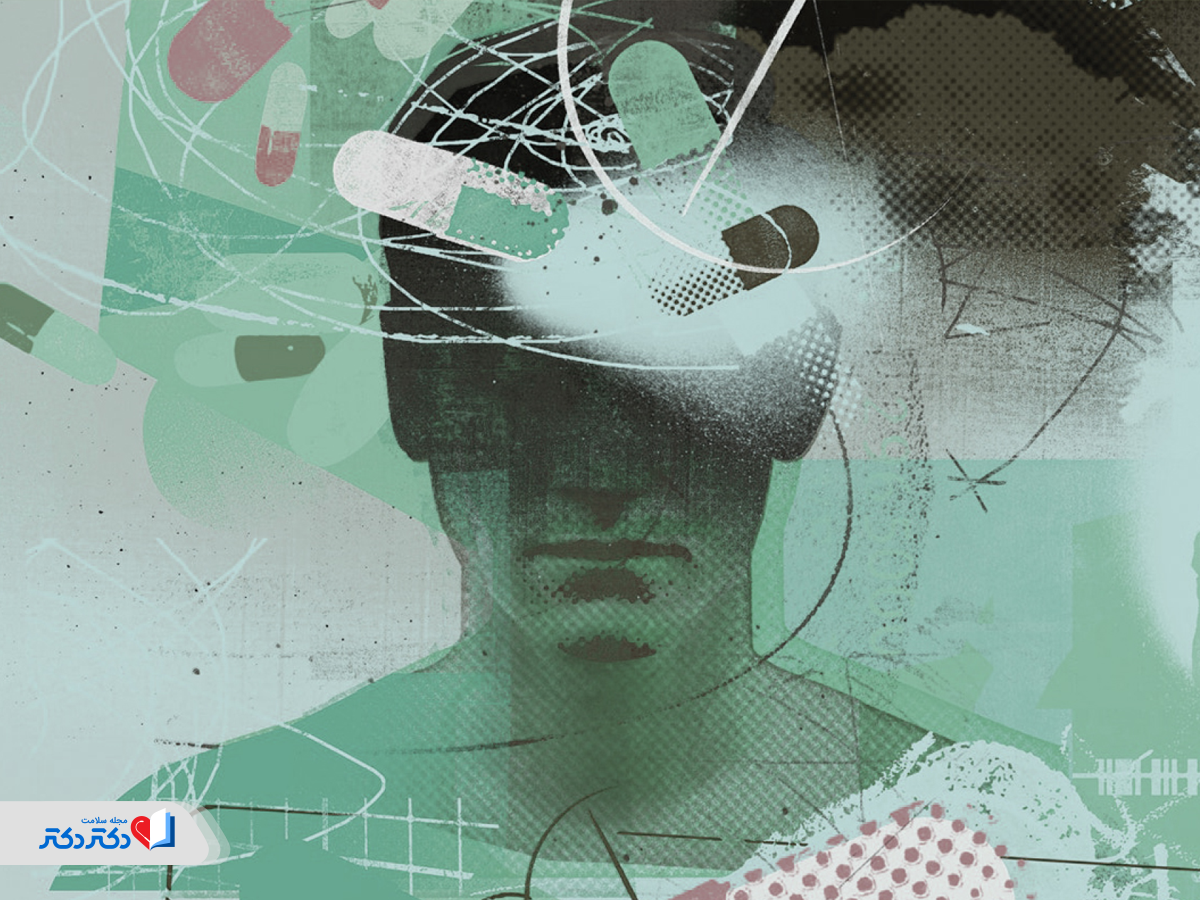
- disturbed and confused thoughts; src="data:image/svg+xml,%3Csvg%20xmlns=%22http://www.w3.org/2000/svg%22%20viewBox=%220%200%201200%20900%22%3E%3C/svg%3E" data-src="https://drdr.ir/mag/wp-content/uploads/2025/12/schizoaffective-disorder-3.webp" alt="Continuous grief from schizoaffective symptoms" width="1200" height="900" data-srcset="https://drdr.ir/mag/wp-content/uploads/2025/12/schizoaffective-disorder-3-280x210.webp 280w, https://drdr.ir/mag/wp-content/uploads/2025/12/schizoaffective-disorder-3-1024x768.webp 1024w, https://drdr.ir/mag/wp-content/uploads/2025/12/schizoaffective-disorder-3-768x576.webp 768w, https://drdr.ir/mag/wp-content/uploads/2025/12/schizoaffective-disorder-3.webp 1200w" data-sizes="(max-width: 1200px) 100vw, 1200px">
- Genetics. Schizoaffective disorder is usually inherited in families. It does not mean that if your father or mother is infected, you will definitely be infected. It means that in this case, you are more at risk.
- Chemistry and structure of the brain. According to the recent findings of medical science from brain scans, schizoaffective is sometimes rooted in the different brain structure and function of people.
- Stress. Stressful events such as bereavement of loved ones, divorce or dismissal can be the reasons for starting or triggering this disorder.
- Drugs. The use and addiction of narcotics and psychotropic drugs such as LSD are associated with the formation of this disorder.
- Antipsychotic drugs: This drug is prescribed to treat the symptoms of schizophrenia. Haloperidol, paliperidone, risperidone, olanzapine, aripiprazole, ziprasidone, quetiapine, iloperidone, asenapine and clozapine are commonly used examples in this drug group. Mania is prescribed. Lithium, carbamazepine, divalproex and valproate are among the most effective mood stabilizers. Fluoxetine and sertraline are known antidepressants.
Schizoaffective types: bipolar type and Depression
The next frequent question is related to the types of this disorder: What is schizoaffective bipolar disease? What is the difference between schizoaffective depression and schizoaffective bipolar? In response, the types of this disorder are divided into two groups based on the symptoms that the patient experiences: the first type of schizoaffective bipolar disease, which includes a manic episode and a depressive episode; The second type of schizoaffective which only includes depression.
Bipolar schizoaffective (bipolar schizoaffective)
Bipolar schizoaffective disease includes several days of high energy (mania) and several days of severe energy loss (depression). The psychological and mood effects of these fluctuations such as talkativeness, impulsive behaviors, hallucinations or delusions damage social and professional relationships. If you ask, "What is the treatment of bipolar schizoaffective?", we must say that the treatment approach is usually a combination of antipsychotic drugs and mood stabilizers. does He finds it difficult to perform the simplest daily activities, sinks into despair, feels deep sadness, worthlessness and lack of motivation, and sometimes suffers from hallucinations or delusions. If you want to know the impact of this type of disorder on a person's life and what is the difference with schizoaffective bipolar disease, we must say that the damage of this disorder on a person's work activities and social interaction is no less than the bipolar type.
The treatment of schizoaffective depression is the use of antipsychotic and antidepressant drugs along with supportive psychotherapy, the only solution for these people to stabilize their mood and manage their lives. Everyday.

What are the causes of schizoaffective?
The exact cause of schizoaffective disorder is unknown and its formation depends on several different factors:
The difference between schizoaffective and schizophrenia and bipolar disorder
The difference between schizoaffective and schizophrenia and bipolar disorder It is not very noticeable and most of its symptoms are similar to them.
Let's start with the difference between schizophrenia and schizoaffective disorder in symptoms. Schizoaffective is a combination of psychotic symptoms (such as hallucinations and delusions) and mood disorders (depression or mania) at the same time or in separate periods. It is remarkable. While schizophrenia presents with stable psychotic symptoms without periods of ups and downs, and bipolar disorder is associated with mood swings between depression and mania.
The difference between formal and schizoaffective and bipolar schizophrenia is not significant in the treatment discussion. Patients with all three types of disorders must take antipsychotic and mood stabilizing drugs for treatment.
The following comparison table summarizes the difference between schizoaffective and schizophrenia. We have. + Mood
Is schizoaffective treated?
Schizoaffective treated
The important question of people suffering from this disorder is whether schizoaffective disease can be treated or not. In response, we must say that schizoaffective disease does not have a definitive and 100% cure and is likely to last until the end of life, but its symptoms can be managed and alleviated with medication and psychotherapy. Take medicine for the rest of their lives. Based on the type of disorder and the severity of the symptoms, the doctor prescribes one or more of these common drugs:

Schizoaffective and treatment with psychotherapy
The psychotherapy approach includes individual therapy, family therapy, and group therapy, and its first step is a conversation with a mental health professional to manage everyday challenges. Family therapy is another type of psychotherapy in which families learn from the therapist how to deal with and support the schizoaffective member.
The next approach is skills training consultation. The subject of these sessions is around daily activities, grooming and hygiene, social skills and work or academic responsibilities, and in them the person learns to take care of himself. This approach is extremely valuable alongside the main treatment program and as a complementary treatment.
Cognitive Behavioral Therapy (CBT) teaches patients coping skills to understand exactly how their thoughts and beliefs affect their behavior and feelings; Then take steps to change those thoughts and beliefs. In CBT sessions, the therapist teaches the affected person to manage their stress and understand whether their thoughts are based on reality or just delusions.
Schizoaffective and its impact on marriage and cohabitation
The last question we answer is about the relationship between schizoaffective and marriage. Schizoaffective and schizophrenia and all other mental disorders affect marriage and life together and make it full of challenges. This disorder clearly causes disturbance in thinking, change in behavior and occurrence of psychotic symptoms and makes it difficult to maintain emotional stability, emotional connection and mutual understanding. Fortunately, by pursuing treatment and all-round support, a successful married life can be achieved. Participating in family counseling sessions and regular follow-up of treatment helps greatly in improving the relationships of these people and plays a prominent role in reducing conflicts and improving the quality of life together.
Doctor's final words
Schizoaffective disorder is a combination of two different aspects of mental health, namely "thinking" and "feeling", and both Its aspect needs a balanced understanding and treatment. This disorder does not mean loss of mind nor a sign of weakness, but indicates a chemical and neurological disorder in the brain, which can be controlled like any other disease. Timely diagnosis and treatment, including psychotherapy and prescription medication, are the main pillars in the return of mental and emotional balance and reduce the challenges of daily life for these people. If you or your loved ones have such symptoms, start the treatment path by talking to a specialist therapist.
Psychologists and Doctor Dr. Psychiatrists provide you with accurate, correct and complete details about the symptoms and treatments of this disorder in online consultation sessions and clear the darkness of ambiguity in your mind.
Frequently Asked Questions
1. What is the life expectancy of people with schizoaffective disorder?
People with schizoaffective disorder usually live a little less than the average society, because depression, drug use and unhealthy lifestyle related to this disorder affect physical health. Of course, if they follow up the treatment regularly, these people have a longer life span. Is schizoaffective the same as schizophrenia?
Resources
Tags:
The content of this article is for your general information only and does not constitute medical prescription.