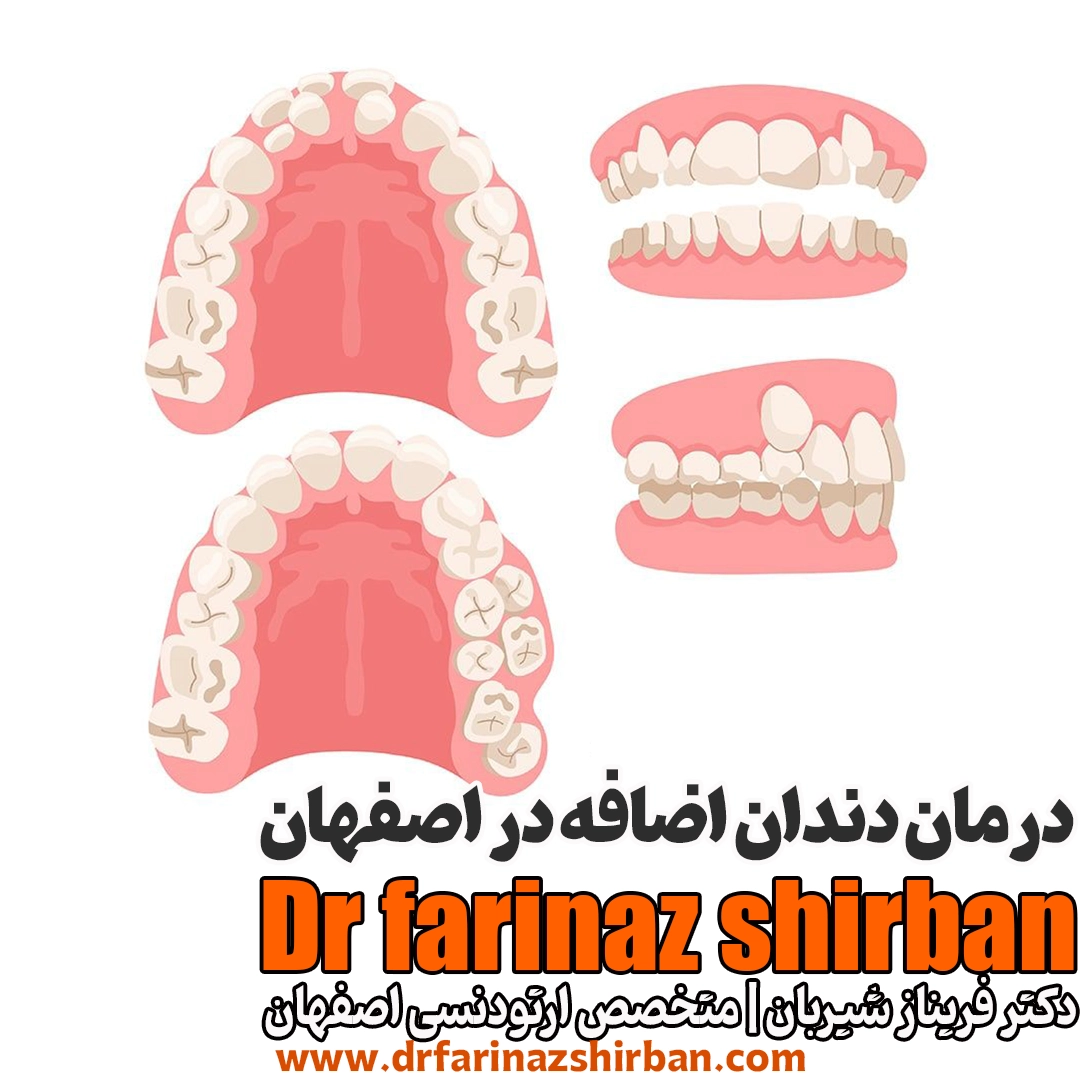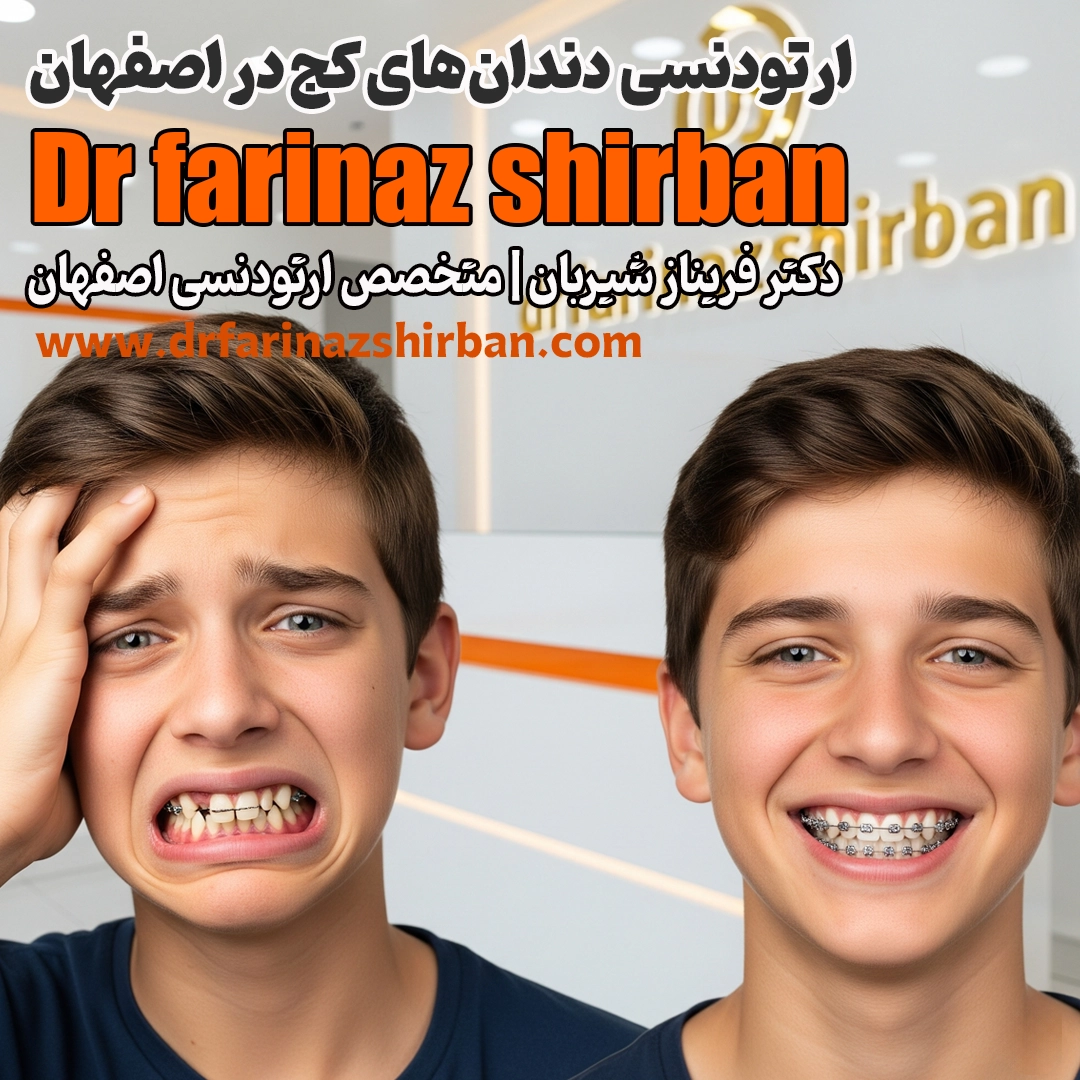


آیا تا به حال موقع لبخند زدن، به نامرتبی یا کجی دندانهایتان توجه کردهاید؟ خیلیها با این مشکل روبهرو هستند؛ Both children and teenagers who have just grown permanent teeth, and adults who have been living with crooked teeth for years. Disorganized teeth do not only affect the beauty of the smile; It can also cause problems such as difficulty in chewing, changes in speech, or even an increase in the possibility of decay and gum diseases.
This article is written with the approval and based on the clinical experience of Dr. Farinaz Shirban, an orthodontic specialist for children and adults in Isfahan. Next, in simple and completely scientific language, you will understand why teeth are crooked, what treatment methods are available (from fixed orthodontics to invisible brackets and new technologies), and what care is necessary after treatment.
Our goal is that you can safely and fully informed about the best treatment method for you or your child.

And if you are thinking of a free consultation to treat crooked teeth right now, you can do so by clicking the button below and benefit from Dr. Shirban's direct guidance.
Why are teeth crooked?
Crooked and untidy teeth are one of the common problems of all ages and can affect self-confidence, chewing and even oral health. Knowing the causes of crooked teeth helps parents and adults to choose the best treatment method and prevent more serious problems.
1. Genetic factors and natural development
Genetics play an important role in the shape and size of the jaw and teeth. Some children have a small jaw or grow bigger teeth, which causes their teeth to be disorganized and crowded. Even if milk teeth are regular, permanent teeth may become crooked due to lack of space.

2. Oral habits of children
Oral habits in children, including finger sucking or prolonged pacifier use, can cause crooked teeth. Constant pressure on the teeth and jaw may cause crooked and misaligned teeth over time. Stopping these habits on time plays an important role in preventing crooked teeth.
Some effective habits in children's crooked teeth:
- Thumb sucking after the age of 4
- teeth grinding or pressure on the teeth
- long use of pacifier
- chewing hard foods
3. Environmental factors and lifestyle
Life style and diet can also affect the growth of jaws and teeth. Consuming too much soft or processed foods and reducing the natural chewing activity causes the jaw to shrink and create insufficient space for the regular growth of teeth.
4. Eruption of wisdom teeth and adult changes
Even if the teeth were straight in childhood, the growth of wisdom teeth and bone and gum changes in adulthood can cause the need for crooked teeth orthodontics. This natural movement of the teeth can cause crowding and changing the order of the teeth.
Dr. Farinaz Shirban's opinion about adult orthodontics
Many adults think they have missed out on orthodontics, but the reality is that it is never too late to have a tidy and healthy smile. Orthodontics in adults is not only possible, but also has very successful results.
Even in complex cases, it is possible to guide the teeth to the best position by combining advanced methods such as fixed orthodontics and clear aligners. The end result is more than just beauty: an attractive smile, improved oral health and increased confidence in everyday life.
Methods for treating crooked teeth
When the reasons for crooked teeth are known, it is time to choose the right treatment method. Fortunately, there are a variety of ways to treat crooked teeth, from home care and minor procedures to orthodontics for severely crooked teeth and specialized treatments. The choice of the best method depends on the age, the severity of the crookedness and the health status of the teeth.
1. Crooked tooth orthodontics
Orthodontics Crooked teeth is one of the most effective and scientific methods to correct misaligned teeth. This method includes several options:
- Fixed orthodontics: suitable for very crooked and crowded teeth. Wires and brackets gradually guide the teeth to the correct position.
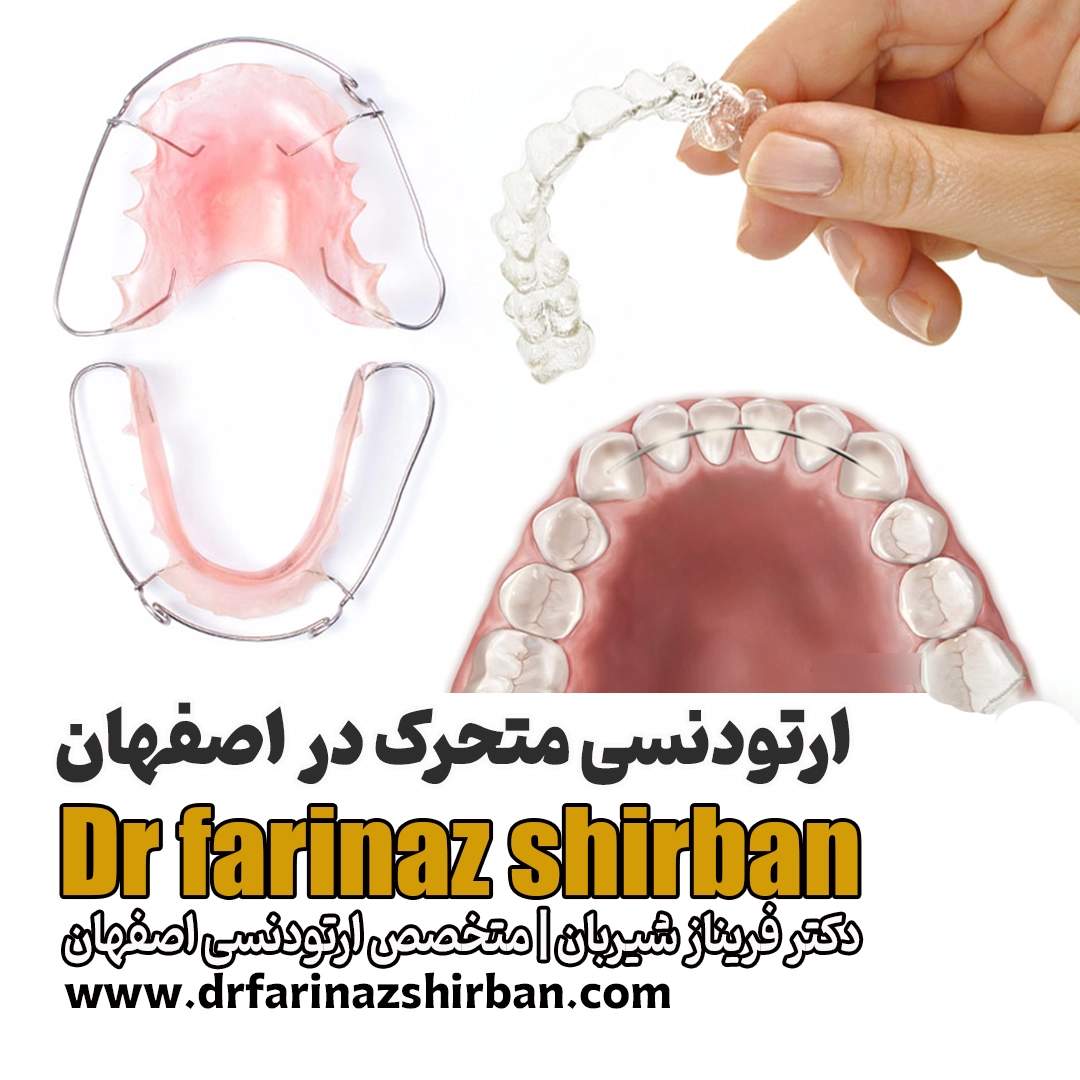
- Movable orthodontics or aligners: This method is especially useful for children or adults who want the treatment to be inconspicuous.
- Orthodontics for misaligned teeth with veneers: In minor cases, the use of veneers can correct the appearance of crooked teeth.
Note: The use of orthodontics on crooked teeth should be done under the supervision of a specialist so that the teeth and gums are not damaged.
2. Treatment of a crooked tooth or partial teeth
Sometimes the problem is just a crooked tooth and there is no need for complete orthodontics. To treat crookedness of a tooth, you can:
- It is possible to use single crooked tooth orthodontics with small and limited tools.
- In some minor cases, it is possible to treat a crooked tooth with restorative methods or veneers.
3. Home methods and primary care
Some people seek treatment for crooked teeth at home. It is important to know that no home method can replace orthodontics for crooked teeth, but the following measures can help prevent them:
- Regular follow-up with a dentist for children
- observe oral hygiene to prevent caries
- Preventing oral habits that cause crooked teeth in children.
Note: home methods are only preventive and treatment of crooked teeth without orthodontics is usually limited and short-term.
Table of methods for treating crooked teeth
Important tips for successful treatment
- If you have very crowded or crooked teeth, fixed orthodontics gives the best results.
- After orthodontics, it is necessary to use a fixed or mobile retainer so that the teeth do not tilt again.
- The cost and duration of the treatment depends on the severity of the curvature and the chosen method and can be calculated and consulted in equipped clinics.

Orthodontics for very crooked and severely misaligned teeth
When the teeth are very crooked or misaligned, choosing the right method for treatment is very important. Metal fixed orthodontics, ceramic orthodontics and lingual orthodontics are usually the best options. Dr. Shirban's experience and scientific studies show that For very crooked teeth, mobile orthodontics or clear aligners alone are not enough, and there is often a need to use fixed orthodontics or combine treatment with jaw surgery.
1. Fixed metal orthodontics (Metal Braces)
- The most common and effective method for severe dental anomalies
- Metal brackets are attached to the teeth and the wires gradually move the teeth.
- Advantages: Accurate control of teeth movement, suitable for any type of severe deformity
- Note: The metal appearance of the brackets is obvious, but its performance is very effective
2. Fixed ceramic orthodontics (Ceramic Braces)
- Fixed ceramic orthodontics: It works the same as metal orthodontics, except that the brackets are the same color as the teeth.
- Suitable for those who care about the appearance of the bracket.
- Advantages: Almost invisible from the outside, effective for severe deformity
- Disadvantages: more fragile than metal and slightly more expensive
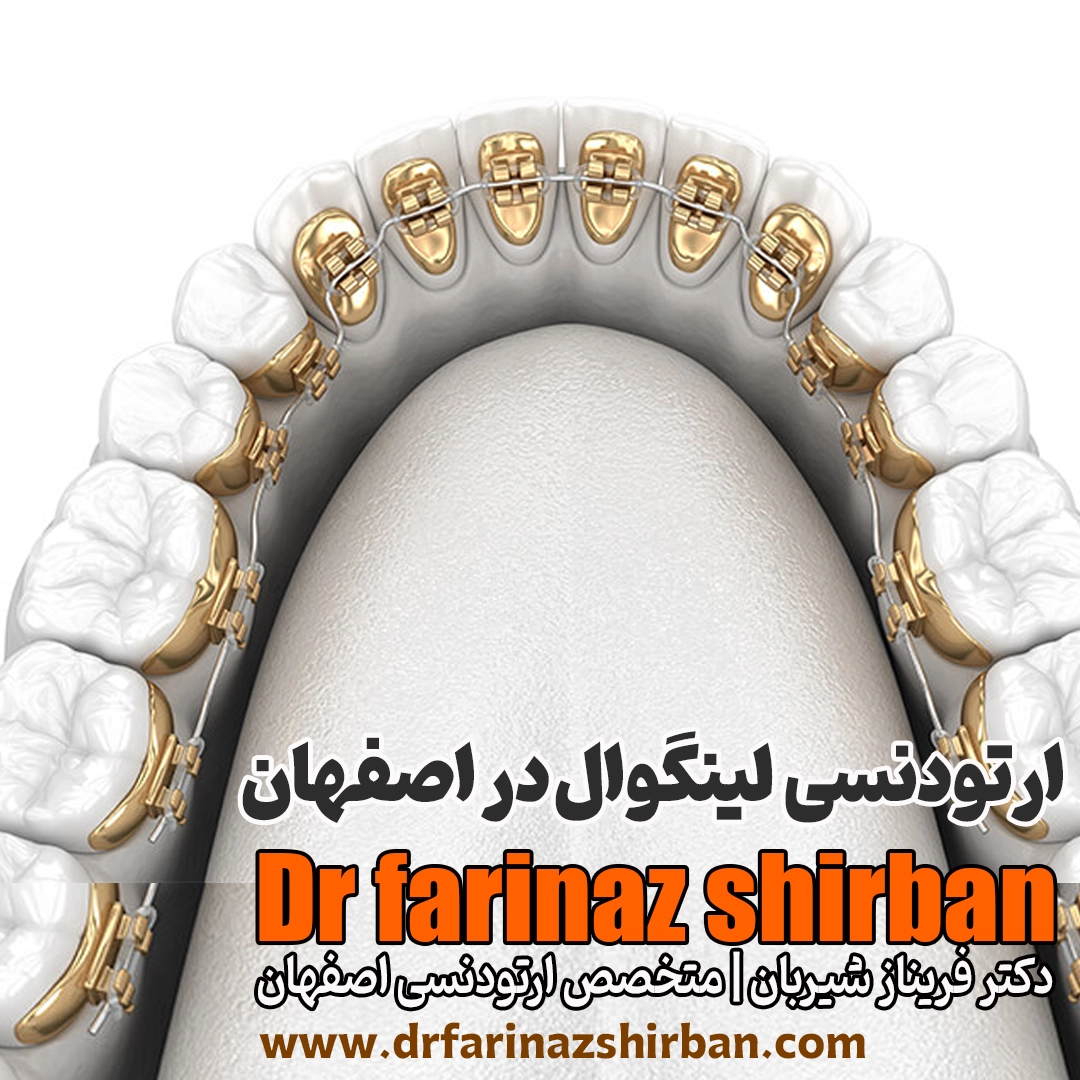
3. Lingual orthodontics (Lingual Braces)
- In lingual orthodontics, the brackets are attached from the inside of the teeth (tongue side).
- Completely invisible from the outside
- Suitable for patients who care about the appearance of the bracket.
Important note: For severe deformities of crooked and crowded teeth, removable orthodontics or clear aligners are usually not enough alone, and metal or ceramic fixed orthodontics must often be used. In complex cases, combining treatment with jaw surgery is recommended to achieve the best results.
opinion of Dr. John Graham, prominent American orthodontist
Crooked teeth are not just a beauty issue; They can cause problems with chewing, speech and gum health. Awareness and timely treatment of these abnormalities, especially with modern orthodontic methods, can maintain oral and dental health and increase your self-confidence.
Each person should choose the best treatment method according to the severity of the misalignment of their teeth and their personal circumstances in order to obtain a stable and reliable result.
The latest orthodontic methods for misaligned teeth in Isfahan
Next to traditional methods, new orthodontic technologies have improved the treatment experience and increase the accuracy and comfort of the patient. از جمله این فناوریها میتوان به براکتهای خودتنظیم (Self-Ligating Braces) و اسکن دیجیتال و مدلسازی ۳D اشاره کرد که حرکت دندانها را با کنترل دقیقتر و پیشبینی بهتر نتیجه درمان ممکن میکنند.
جدول مقایسه بهترین و جدیدترین روشهای ارتودنسی برای دندانهای خیلی کج و نگهدارنده پس از درمان:

مزایا، عوارض و مراقبت بعد از درمان دندان های کج
مزایای درمان دندانهای کج:
درمان دندان نامرتب با ارتودنسی، چه برای کودکان و چه بزرگسالان، فواید متعددی دارد:
- زیبایی و اعتمادبهنفس: دندانهای صاف و مرتب باعث لبخندی جذاب و افزایش اعتمادبهنفس میشوند.
- بهبود سلامت دهان و دندان: دندانهای صاف دسترسی بهتری برای مسواک و نخ دندان ایجاد میکنند و خطر پوسیدگی و التهاب لثه کاهش مییابد.
- عملکرد بهتر جویدن و گفتار: با اصلاح دندانهای کج، جویدن غذا مؤثرتر میشود و مشکلات گفتاری احتمالی کاهش مییابد.
- پیشگیری از سایش و آسیب دندانها: دندانهای صاف فشار بیشتری را به طور یکنواخت تحمل میکنند و از سایش یا شکستگی جلوگیری میشود.
عوارض احتمالی پس از ارتودنسی
هر درمانی میتواند عوارضی داشته باشد که با آگاهی و مراقبت صحیح، مدیریت میشوند:
- درد یا حساسیت موقت دندانها: معمولاً در چند روز اول پس از تنظیم براکتها یا الاینرها رخ میدهد.
- کجشدن جزئی مجدد دندانها: در صورت عدم استفاده منظم از نگهدارنده، دندانها ممکن است کمی به جایگاه قبلی بازگردند.
- مشکلات بهداشت دهان: تجمع پلاک در اطراف براکتها در صورت رعایت نکردن مسواک و نخ دندان ممکن است باعث پوسیدگی شود.
- زخم یا تحریک لثه و گونه: تماس براکتها با بافت نرم ممکن است باعث زخم شود، که با واکس ارتودنسی و مراقبت ساده قابل کنترل است.
مراقبت بعد از درمان دندان های کج
برای اطمینان از نتایج درمان و جلوگیری از مشکلات احتمالی، رعایت نکات زیر ضروری است:
- بهداشت دهان و دندان: مسواک زدن مرتب و استفاده از نخ دندان مخصوص براکتها یا الاینرها الزامی است.
- رعایت رژیم غذایی مناسب: جلوگیری از خوردن غذاهای سفت یا چسبناک که ممکن است براکتها را خراب کند.
- استفاده منظم از نگهدارنده: همانطور که در بخش قبل گفتیم، نگهدارنده ثابت یا متحرک به ثبات دندانها کمک میکند.
- گزارش مشکلات سریع: هرگونه درد غیرعادی، شکستگی یا جابجایی نگهدارنده باید فوراً به متخصص اطلاع داده شود.
- پیگیریهای دورهای: مراجعه به متخصص ارتودنسی برای بررسی وضعیت دندانها و تنظیم نگهدارنده یا درمانهای تکمیلی.
نکته کلیدی: با رعایت صحیح مراقبتها، نتایج درمان دندانهای کج پایدار و دائمی خواهند بود و دیگر نیازی به ارتودنسی مجدد نخواهید داشت.

ارتودنسی دندانهای کج در کودکان و نوجوانان
ارتودنسی دندان نامرتب در کودکان و نوجوانان اهمیت زیادی دارد، زیرا درمان زودهنگام میتواند از مشکلات شدید دندانی در بزرگسالی جلوگیری کند. The experience and recommendations of Dr. Farinaz Shirban show that starting treatment at the age of 5 to 10 years has the best results, especially when the child's jaw is still growing.
- Prevention of severe malocclusion: early correction of teeth placement and prevention of severe crowding
- Easier treatment: teeth and jaw bone are more flexible in children, so orthodontics is shorter and easier.
- Reducing the need for jaw surgery in the future: In many cases, timely treatment prevents the need for complex surgical procedures.
Child treatment methods:
- Children's mobile orthodontics to correct empty spaces and jaw growth
- Fixed metal or ceramic orthodontics for severe problems and very crooked teeth
Key point: The start of orthodontic treatment for crooked teeth in children is done with a careful examination by an orthodontist, so that the best treatment plan can be personalized.
Dr. Farinaz Shirban's advice about orthodontics for children and teenagers
Timely diagnosis and treatment of crooked teeth in children and teenagers not only increases his self-confidence, but also prevents more serious problems in chewing and speech. The earlier the treatment starts, the more stable the results and the shorter the treatment time.
Treatment of crooked teeth without orthodontics: fact or myth?
Some patients seek to treat crooked teeth without orthodontics, especially if the teeth are slightly crooked or their appearance is important to them. But Dr. Shirban's experience and scientific research show that non-orthodontic methods have their limitations.
Common non-orthodontic methods:
-
Dental veneer and laminate:
-
They only cover minor problems and minor kinks.
-
Quick and painless method, but it does not solve the main problem of malocclusion and jaw problems.
-
-
Dental crown:
-
For teeth that are disproportionate in shape or size.
-
It can smooth the appearance of teeth, but it does not move teeth.
-
-
Temporary splints and plates:
-
They are used to partially correct the position of the teeth in the short term.
-
Key point: For very crooked teeth and severely misaligned teeth, the use of non-orthodontic methods alone is not enough, and fixed or ceramic orthodontics must often be performed.
Cost and price of orthodontics for crooked teeth in Isfahan
The cost of orthodontics for crooked teeth in Isfahan depends on the type of treatment, the severity of the abnormality and the age of the patient. Dr. Farinaz Shirban recommends a detailed examination before starting the treatment to personalize the treatment plan and determine the actual cost.
Factors influencing the cost:
- Duration of treatment
- Number of teeth under treatment and severity of crookedness
- Type of orthodontics: metal, ceramic, lingual or clear aligner
- need for complementary treatments: such as tooth extraction, jaw surgery or additional molding
Comparison table of the cost of orthodontics in Isfahan (year 1404)
Important note: for detailed advice and to receive price of orthodontics in Isfahan in a personalized way, you can book a free consultation with Dr. Shirban right now.
The complete guide to treating crooked teeth
Crooked teeth are not only a matter of beauty; They can affect chewing, speaking, and even gum and jaw health. Fortunately, today, with scientific and technological advances, the treatment of crooked teeth is easily possible for children and adults.
Based on the experience and knowledge of Dr. Farinaz Shirban, an orthodontic specialist for children and adults, the best method of treatment for very crooked and irregular teeth is fixed metal, ceramic or lingual orthodontics. Also, the use of fixed or mobile retainers after treatment is the key to maintaining stable results. For milder cases or those looking for less visible methods, self-adjusting brackets and clear aligners are good choices.
Due to the modern facilities in Isfahan and the experience of the city's specialists, you can benefit from advanced treatments with high accuracy and shorter time. Detailed information about the cost, treatment method and post-orthodontic care is also available for you to make an informed choice.
Right now you can take the first step to have a healthy and tidy smile!
Booking a free consultation with Dr. Farinaz Shirban in Isfahan, checking the condition of the teeth and planning the treatment according to your needs, is possible with just one call or registering an online request.

Dr. Shirban's answer to frequently asked questions about crooked teeth and orthodontics