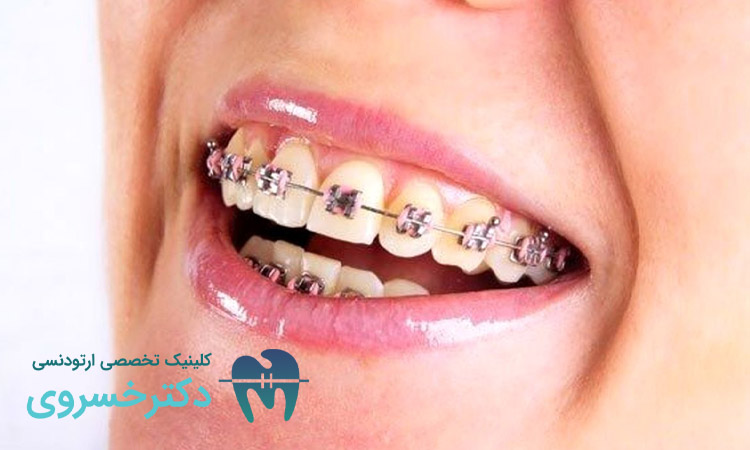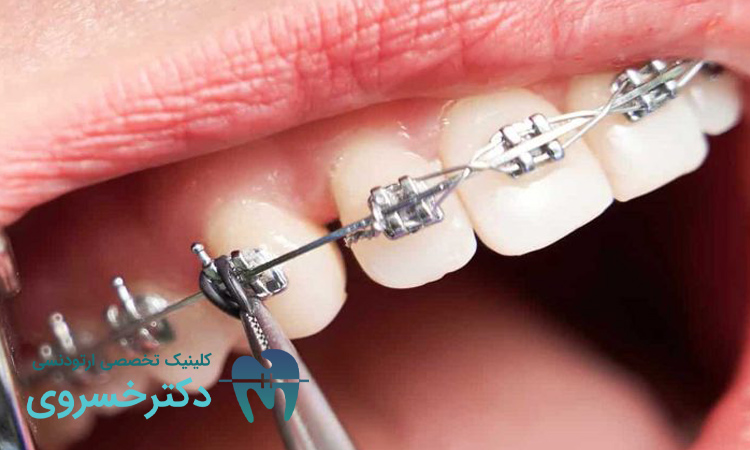
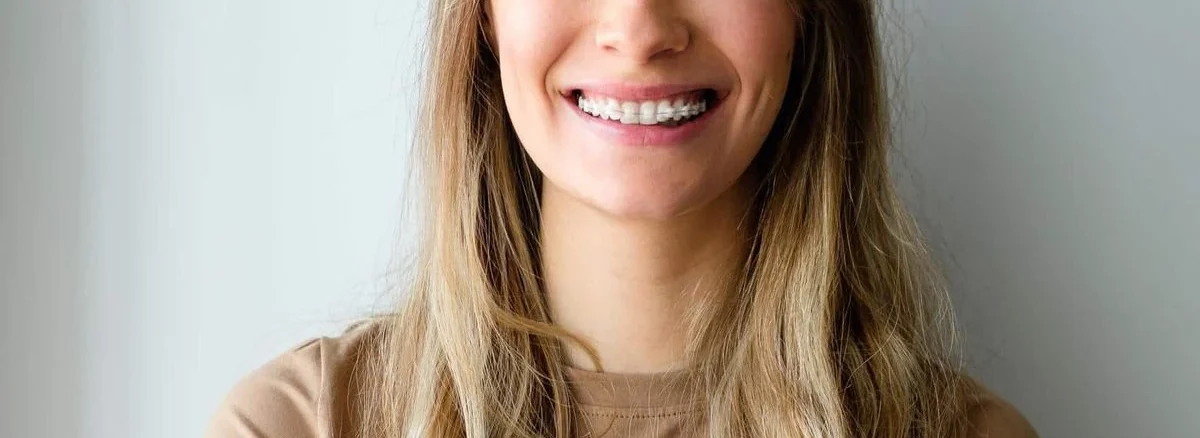
در سالهای اخیر، درخواست انجام ارتودنسی برای بزرگسالان افزایش چشمگیری داشته است. اگر در گذشته ارتودنسی بیشتر مخصوص نوجوانان بود، امروز بسیاری از افراد بالای ۳۰، ۴۰ و حتی ۵۰ سال برای اصلاح لبخند، بهبود عملکرد دندانها یا رفع مشکلات دهانی تصمیم به درمان میگیرند. حتی ارتودنسی در سالمندان نیز برخلاف تصور رایج، به یک روش قابل انجام و مفید تبدیل شده است.
دلیل این افزایش فقط زیبایی نیست؛ بسیاری از بزرگسالان با مشکلاتی مانند نامرتبی دندانها، دشواری در تمیزکردن، مشکلات لثه، درد فک، سردرد یا سایش دندانی مواجه هستند. به همین دلیل، ارتودنسی در بزرگسالی دیگر یک انتخاب ظاهری نیست، بلکه میتواند یک ضرورت درمانی باشد.
پیشرفت فناوریهای دندانپزشکی، روشهای نامرئی، ابزار دقیقتر و درمانهای سریعتر باعث شده فرایند ارتودنسی برای بزرگسالان و سالمندان بسیار قابل تحملتر، کمدردتر و سادهتر از گذشته باشد. با این حال، همچنان پرسشهایی مطرح است: آیا درمان در بزرگسالی محدودیت دارد؟ چه روشهایی مناسبتر هستند؟ و آیا طول درمان برای افراد بزرگسال بیشتر است؟
در این مقاله، با زبانی روان و تخصصی بررسی میکنیم که ارتودنسی برای سالمندان و بزرگسالان چه مزایا و محدودیتهایی دارد، چه روشهایی مناسبتر است و تفاوت درمان آنها با نوجوانان در چیست. این متن به شما کمک میکند با آگاهی کامل تصمیم بگیرید که آیا اکنون زمان مناسب برای شروع ارتودنسی است یا خیر.
مزایای شروع ارتودنسی در سنین بالاتر
وقتی صحبت از ارتودنسی برای بزرگسالان میشود، بسیاری از افراد تصور میکنند این درمان فقط جنبه زیبایی دارد. But the fact is that the benefits of orthodontics in old age are much more extensive and vital. Adults usually understand the importance of oral health more precisely after years of experience. They know that misalignment of teeth does not only affect the appearance of the smile, but also changes the quality of life, chewing ability, jaw health, gum health and even self-confidence.
One of the most important advantages is the improvement of oral function in chewing and biting. The teeth that are not in their correct place put the wrong pressure on the jaw and cause a disturbance in the distribution of force. This can lead to tooth wear, chronic headaches and jaw joint problems. Orthodontics for adults dramatically improves oral function by aligning the teeth properly.
Another advantage is the improvement of gum health. Too many spaces or overcrowding of teeth causes plaque accumulation and bacteria growth. Adults who have lived with this problem for years have usually experienced gingivitis or periodontitis. Correcting the position of the teeth makes it easier to clean the mouth and reduce the risk of gum disease. Many adults choose orthodontics to improve the beauty of their smile. Having a symmetrical and attractive smile increases self-confidence and can even have a positive effect in social and work situations. This becomes even more important for people who work in professional and formal environments.
Finally, one of the big advantages of orthodontics for adults is that they have more cooperation with the dentist. Adults usually follow the instructions more closely and take the necessary care, which makes the treatment process faster and the result better.
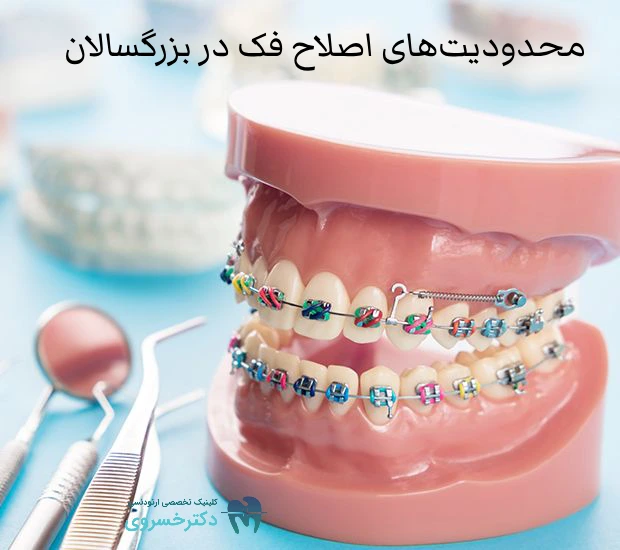
Limitations of jaw correction in adults
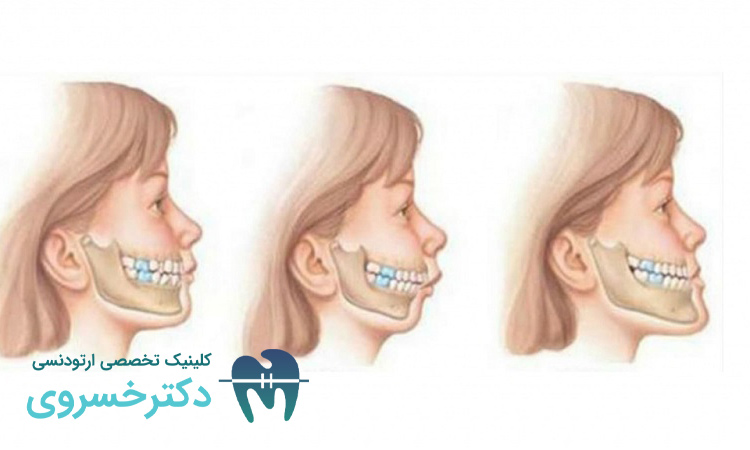
Although orthodontics is completely doable for adults, there is one important caveat: jaw growth stops in adulthood. Unlike teenagers, whose jaw growth can be guided, in adults, it is not possible to fundamentally modify the jaw structure. Therefore, in cases where there is severe jaw deformity, orthodontics alone may not be enough and jaw surgery is necessary along with the treatment.
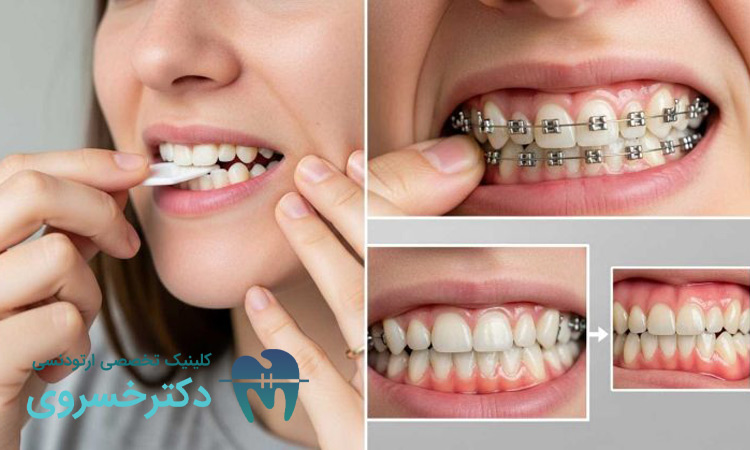
However, sorting and moving teeth is possible at any age. The only restrictions are related to specific oral and dental conditions. For example, people with gingivitis or bone weakness should be treated more carefully so that too much pressure on the teeth does not cause damage. Also, a topic that many have questions about href="https://drmkhosravi.com/%d8%a7%d8%b1%d8%aa%d9%88%d8%af%d9%86%d8%b3%db%8c-%d9%85%d9%88%d8%ac%d8%a8-%d9%b e%d9%88%d8%b3%db%8c%d8%af%da%af%db%8c-%d8%af%d9%86%d8%af%d8%a7%d9%86-%d9%85%db%8c-%d8%b4%d9%88%d8%af%d8%9f/> tooth decay with orthodontics; Although orthodontics itself does not cause decay, brackets make it more difficult to clean the teeth, and if oral hygiene is not followed, the possibility of decay increases. The presence of previous treatments such as implants, laminates, or veneers can also complicate the orthodontic program; Especially since the implant cannot be moved. Also, the speed of teeth movement in adults is usually a little slower, and the duration of treatment may be longer than that of teenagers. However, with careful planning and good hygiene, orthodontics in adults can still be very successful and manageable.
The best types Orthodontics for adults
One of the most attractive parts of orthodontics for adults is the existence of very diverse and flexible options for treatment. Unlike in the past when the only available method was visible metal brackets, today there are methods that are both efficient and very suitable in terms of appearance.
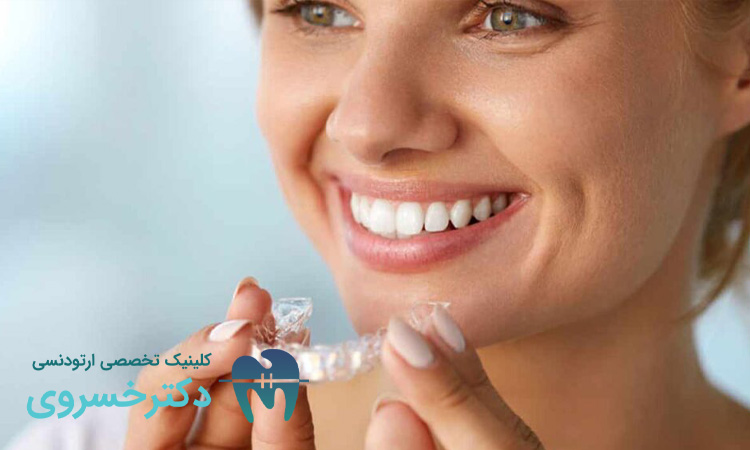
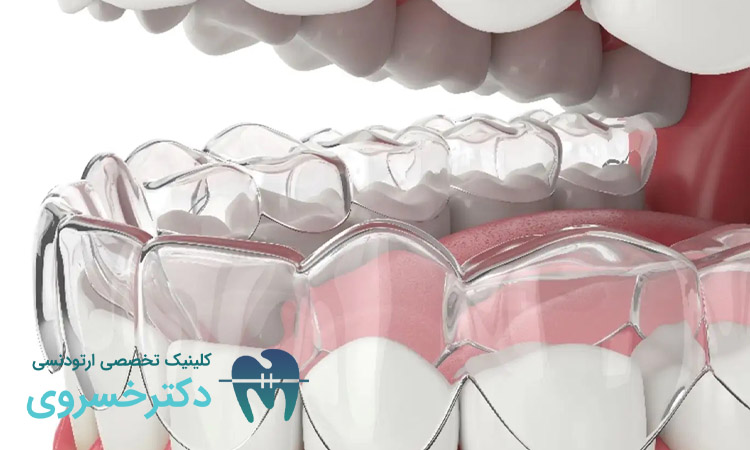
One of the most popular methods is Invisiline invisible orthodontics. This method uses transparent templates that are almost invisible. For adults who do not want their treatment system to be seen in work or social settings, Invisalign is an ideal choice. In addition to the beautiful appearance, this method also makes eating and brushing easier, because the plaques can be separated.
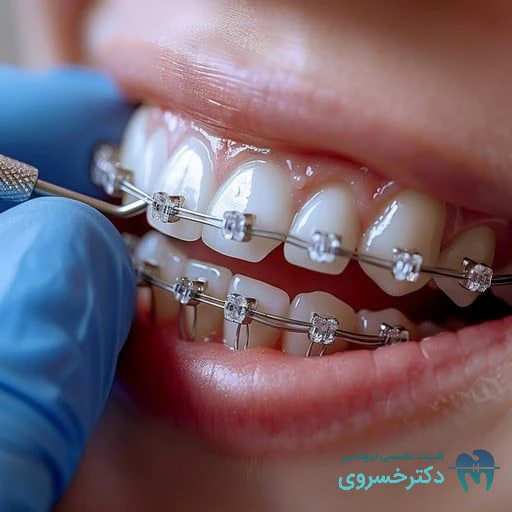
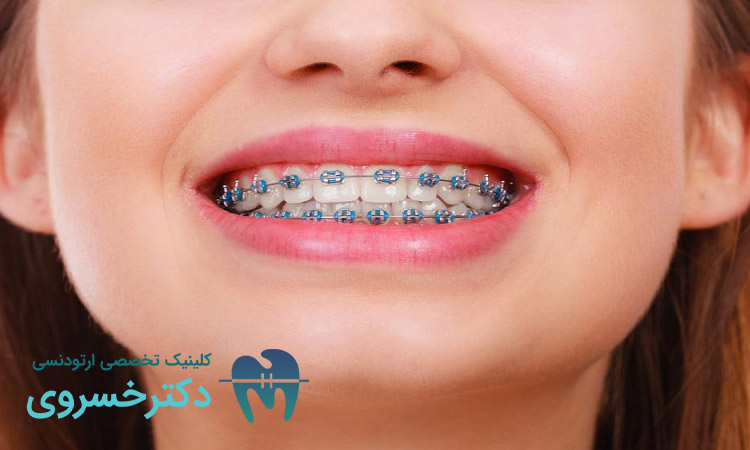
Another method is ceramic orthodontics. In this method, the brackets are the same color as the teeth and have a more natural appearance than metal brackets. Many adults who are looking for a combination of treatment stability and a more aesthetic appearance choose this method.
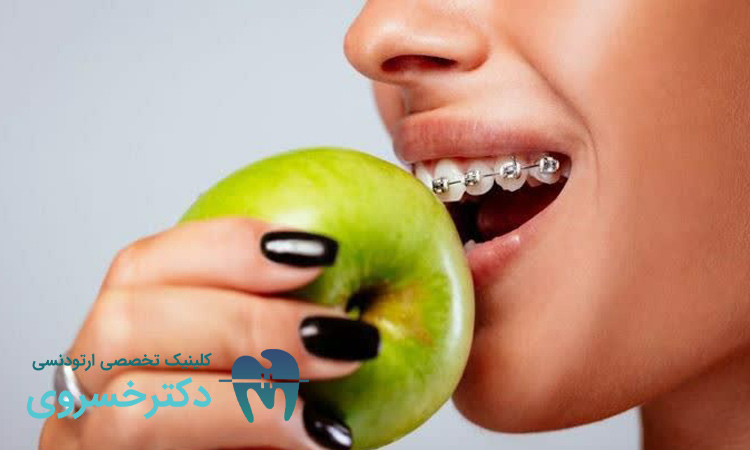
Metal brackets are still a viable and highly effective option for adults, especially in cases where complex tooth movements are required. Metal brackets have the most durable structure and can correct some problems in a shorter time.
In the end, lingual orthodontics is a very discreet option. In this method, the brackets are installed behind the teeth and are not visible from the front. Although this method costs more, it is very suitable for people who are looking for maximum concealment.
To better understand the differences, the following table shows the difference:
| Type of orthodontics | Visibility | Suitable for | Speed Treatment |
| Invisible (Invisiline) | Very little | Beauty and comfort | Medium |
| Ceramic | Low | Appearance Natural | Medium |
| Metallic | High | Complex problems | High |
| Lingual | Zero | Full Hiding | Bottom |