

درد زانو ممکن است تنها به ساعات بیداری محدود نشود، بلکه اغلب تا شب ادامه پیدا میکند، باعث اختلال در خواب خواهد شد و جنبههای مختلف زندگی فرد را تحت تأثیر قرار میدهد.
بیماریهایی مانند آرتریت نقش پررنگی در تشدید این وضعیت دارند و در نتیجه، بیخوابی شبانه میتواند به چرخهای از افزایش درد و کاهش کیفیت خواب منجر شود. شناخت تأثیر درد زانو بر خواب و بهکارگیری روشهایی برای کنترل این تأثیر، گامی مؤثر در جهت تجربه یک خواب راحت و شبانهی آرام است.
درد زانو چه تاثیری روی کیفیت خواب دارد و برای آن باید چه کرد؟
زانو درد، مخصوصاً به علت مشکلاتی همچون آرتروز، چالش مهمی برای خواب ایجاد میکند. افراد اغلب در شب، ناراحتی، سفتی و افزایش التهاب مفصل را تجربه میکنند که منجر به بروز مشکلاتی در خواب میشود.
این مسئله یک چرخه خسته کننده ایجاد میکند که در آن درد با کمبود خواب بدتر میشود و بالعکس. برای کاهش این علائم، چندین راهکار را میتوان اجرا کرد.
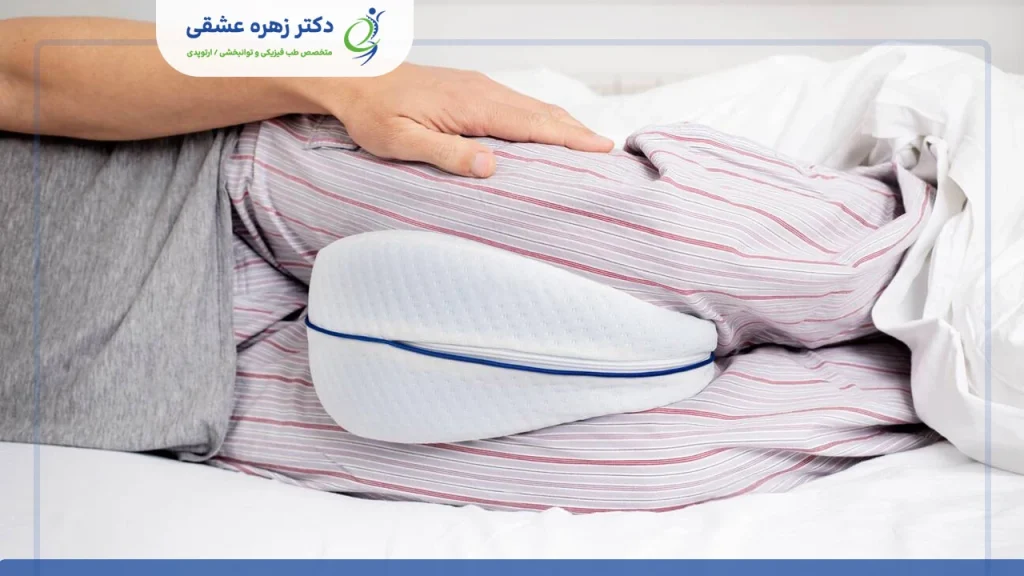
1- بالشهای حمایتی راحتی خاصی فراهم میکنند. Placing one of them between the knees when you sleep on your side or under the knees when you lie on your back can help align the spine and reduce pressure on painful joints. In addition, 2- placing heat or ice on the knee for 15 to 20 minutes before bed can provide temporary relief.
3- Warm baths in the evenings are another way to relax muscles and
4- Doing regular and low-impact sports during the day such as walking or swimming can help manage knee pain and improve sleep quality by increasing physical fatigue.
5- Maintaining a healthy weight through a balanced diet can reduce pressure on the knees and help relieve pain.
6- Satin sheets reduce friction and Changing the position during sleep will be easier.
Solutions to reduce sleep disorder caused by knee pain
Doing activities such as swimming, cycling or walking that put little pressure on the joints can help reduce the load on the knee and relieve pain. better control.
It is also very important to provide suitable conditions for sleep; Using a room with the right temperature, a comfortable bed and avoiding the light of the phone screen before going to sleep can have a positive effect on the quality of sleep. In addition, following a regular sleep schedule and avoiding eating heavy food before going to sleep plays an effective role in improving the quality and effectiveness of sleep. For sleeping
Choosing the right position for sleeping can have a great effect on reducing discomfort caused by knee pain. Here are some practical recommendations to improve the sleeping position of people with knee pain:
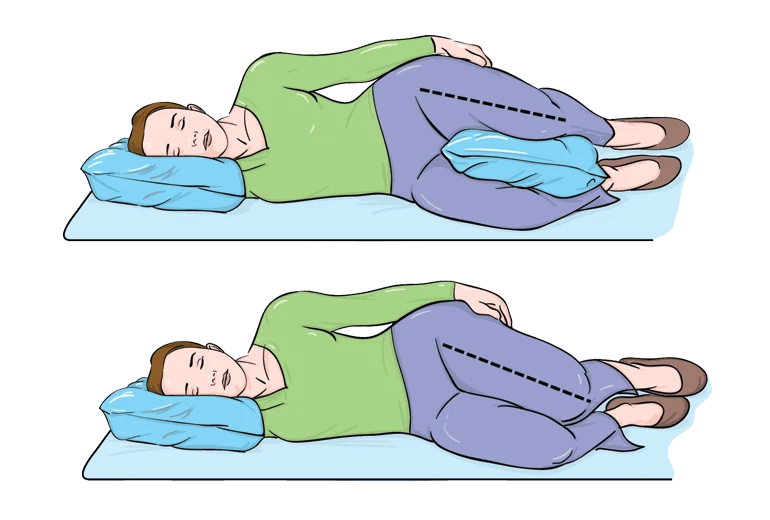
- Side sleeping: For people with knee injuries, sleeping on the same side with a pillow between the knees can reduce pressure and support the joint.
- Sleeping on your back: If you prefer to sleep on your back, Placing a pillow under the knee helps to reduce the tension on the joint and increase the feeling of comfort during the night.
- Strengthening healthy sleep habits: Using supportive methods such as proper sleeping position, along with observing regular sleep patterns, helps improve sleep quality and plays a role in effective pain management.
Methods to help before sleep:
- A warm bath relaxes the muscles.
- Light stretching movements or gentle activity during the day improves flexibility and blood flow.
What is the cause of sudden severe knee pain while sleeping?

Sudden knee pain while sleeping can be caused by various problems such as:
- Osteoarthritis : Joint cartilage wears down and causes pain and stiffness
- torn Meniscus: Damage to the cartilage can be caused by twisting movements
- Knee bursitis: Inflammation of the bursae can cause pain when moving
- Gout: It is a type of arthritis caused by excess uric acid that causes sudden pain
These problems are often worse at night and due to factors such as reduced movement, increased inflammation and reduced distraction from pain. It can.
Time to see a doctor
Knowing when sleep-disrupting knee pain requires medical intervention is essential. See your doctor in the following cases:
- Persistent pain: Pain persists despite rest, ice, and over-the-counter pain relievers.
- Significant swelling or stiffness: Swelling, stiffness, or loss of mobility in the knee is a sign of a serious problem.
- Exacerbated night pain: If knee pain is worse at night or interferes with daily activities, you should contact your doctor. Consult a doctor
- Symptoms of infection: Symptoms such as fever, warmth or redness around the joint are signs of potential infection.
People who have had knee injuries in the past or have chronic problems should be careful. Talking to your doctor about your concerns can help you find the right treatment options to better manage your pain and improve sleep quality.
 Knee orthopedic in Shiraz [knee orthopedic specialist]
effect of sleeping on the side on the knee

Sleeping on the side can lead to more knee pain for various reasons. First, problems such as arthritis or bursitis often lead to inflammation and stiffness, which will increase as movement decreases at night.
When sleeping on the side, one of the knees may lie directly on top of the other and cause unnecessary pressure on the knee joint. This position aggravates the discomfort and increases poor misalignment.
Solution: Putting a pillow between the knees for a better sleep
To reduce knee pain while sleeping, place a supportive pillow between the knees. This aligns the legs and minimizes stress on the knees.
Additionally, a relaxing bedtime routine of stretching can increase blood flow and reduce discomfort. If these interventions are not effective and the pain continues, see a specialist.
Cognitive-behavioral therapy for pain and sleep management
Cognitive-behavioral therapy (CBT) is known to be an effective method in improving sleep problems and chronic pain, especially in people with knee pain caused by arthritis.
According to a study conducted on a group of people aged 50 to 70, those who underwent this treatment woke up less at night and the severity of discomfort caused by knee pain decreased.
These results show It shows that CBT can play an effective role in reducing insomnia and pain management and help to improve the overall quality of sleep. src="data:image/svg+xml;base64,PHN2ZyB4bWxucz0iaHR0cDovL3d3dy53My5vcmcvMjAwMC9zdmciIHdpZHRoPSIxMDI0IiBoZWlnaHQ9IjU3NiIgdmlld0JveD0 iMCAwIDEwMjQgNTc2Ij48cmVjdCB3aWR0aD0iMTAwJSIgaGVpZ2h0PSIxMDAlIiBzdHlsZT0iZmlsbDojZjdmN2Y3O2ZpbGwtb3BhY2l0eTogMC4xOyIvPjwvc3ZnPg==" decoding="async" width="1024" height="576" data-src="https://doctoreshghi.com/wp-content/uploads/2025/05/relaxation-better-sleep-1024x576.webp" alt="Role of relaxation better sleep" class="wp-image-16153" data-srcset="https://doctoreshghi.com/wp-content/uploads/2025/05/relaxation-better-sleep-1024x576.webp 1024w, https://doctoreshghi.com/wp-content/uploads/2025/05/relaxation-better-sleep-300x169.webp 300w, https://doctoreshghi.com/wp-content/uploads/2025/05/relaxation-better-sleep-768x432.webp 768w, https://doctoreshghi.com/wp-content/uploads/2025/05/relaxation-better-sleep-500x281.webp 500w, https://doctoreshghi.com/wp-content/uploads/2025/05/relaxation-better-sleep-200x113.webp 200w, https://doctoreshghi.com/wp-content/uploads/2025/05/relaxation-better-sleep-80x45.webp 80w, https://doctoreshghi.com/wp-content/uploads/2025/05/relaxation-better-sleep.webp 1280w" data-sizes="(max-width: 1024px) 100vw, 1024px">


In addition to cognitive-behavioral therapy, using relaxation techniques such as mindfulness, deep breathing, and gentle yoga can effectively improve sleep quality.
These methods help to have a more restful sleep by reducing stress, which often increases with chronic pain.
Incorporating relaxation exercises into your nighttime routine helps the body receive messages to reduce pain and provide a suitable environment for sleep. With the continuation of these exercises, a person's resistance and flexibility against pain will also be strengthened. Behavioral