تصور کنید بدنتان علائمی از بیماری مثل ضعف، لرزش، مشکل در حرکت یا حتی تشنج نشان میدهد، اما دکترها میگویند هیچ علت پزشکی مشخصی برای بروز این علائم وجود ندارند. چنین تجربهای میتواند گیجکننده و ترسناک باشد، اما این همان چیزی است که افراد مبتلا به اختلال تبدیلی یا اختلال عصبی-عملکردی را با مشکلات فراوان روبهرو میکند. در اختلال تبدیلی، بدن استرسها و تعارضهای روانی را به علائم جسمانی آزاردهنده و ناتوانکننده تبدیل میکند. در این مقاله، تلاش داریم به زبانی ساده بیان کنیم که بیماری اختلال تبدیلی چیست. همچنین، شما را با علائم، تشخیص و روشهای درمانی آن آشنا میکنیم و مفاهیمی مثل اختلال تبدیلی تجزیه ای را توضیح میدهیم. After reading this article, you will understand how the mind expresses hidden emotions in the language of the body and how a person suffering from conversion disorder can regain his physical and mental health. class="lwptoc_items" style="display:none;">

What is conversion disorder? (Conversion Disorder) symptoms and diagnosis

Dr. Reza Bahadur
MashhadOrthopedic specialist
What is conversion disorder?
Conversion disorder is a neuropsychiatric condition in which a person experiences abnormal physical symptoms. These symptoms impair a person's sensory or motor function, while there is no specific neurological disease or medical problem that explains these symptoms. The symptoms that the patient is dealing with in neuro-functional disorder are real and the person cannot control them; Also, the person does not cause them on purpose.
Symptoms of conversion disorder may appear with low or high intensity. This disorder is actually a psycho-somatic problem, that is, the body unconsciously and without the individual's intention and will turns mental stresses and conflicts into physical symptoms. In fact, psycho-physical disorders highlight the deep connection between the mind and the body.
Conversion Disorder is the old name of this neurological and psychological problem, which today is better known as Functional Neurological Disorder (FND). The old name of conversion disorder well shows the cause of this disorder: in this disorder, the body transforms mental and emotional stress into physical symptoms. However, the new name of the neurofunctional disorder further reveals the nature of the disorder: FND is caused by a problem in the way the brain processes signals and sends wrong messages to the body.
Research with evidence from MRI imaging shows that the neurofunctional disorder changes the way the brain sends and receives signals, even if the physical structure of the brain appears normal. The exact physical cause of this disorder is unknown, but it may be triggered by a stressful event, emotional or physical injury, or neurological disease. Also, there is no specific standard test to diagnose conversion disorder. To diagnose conversion disorder, doctors only need to do a CT scan, MRI, and blood tests to completely rule out other physical or neurological causes.

History of conversion disorder
Conversion disorder or neuro-functional disorder has a long and evolving history in medicine. Years before the current understanding of this disorder was formed, doctors called it hysteria. The term hysteria is no longer used in modern psychiatry and neurology, and it is not used in new psychiatric texts and DSM.
In the past, FND symptoms were assumed to be fake or pretend symptoms, and for this reason, treatment measures were not taken to improve this disorder. But today, newer definitions of FND disorder are being proposed, which has opened the way for treatment and improvement of this disorder. In fact, changing the name of this disorder from hysteria to conversion disorder and then to neuro-functional disorder shows a better understanding and recognition of the nature of this disorder in recent years.
In recent definitions, conversion disorder is described as a neuro-psychiatric disorder in which the "brain software" malfunctions and produces real and physical symptoms that are not under the patient's control. For this reason, in the latest description of the diagnostic and statistical manual of mental disorders, neuro-functional disorder is introduced as one of the disorders with physical and psycho-somatic symptoms that can turn mental stress into physical symptoms, even if no medical reason can be found for these physical symptoms. data-end="256">Symptoms of conversion disorder are diverse and often manifest themselves in the form of problems in movement or the patient's five senses. These symptoms can cause severe stress and make a person face many problems in social or work life.
Motion symptoms
Motion symptoms common in neuro-functional disorder include the following:
muscle weakness or paralysis;
abnormal muscle movements such as tremors, jumping or spasms muscular;
difficulty swallowing;
difficulty walking or controlling movements;
Nervous tics;
Loss of balance or dizziness.
In addition, conversion disorder may present with symptoms Sensory, speech, vision, hearing and cognition are also involved.
Sensory symptoms
Sensory symptoms and disturbances in the five senses can include:
Numbness or loss of the sense of touch (such as a tingling sensation in the skin);
Loss of the sense of smell and taste.
Speech problems
Speech problems can be seen in some people as follows:
Speech snippet
Stuttering;
Inability to speak.
Vision problems and Hearing
Vision problems may include:
double vision;
Blurred vision;
Complete blindness;
Hearing loss;
Deafness.
Cognitive problems
Cognitive problems such as memory and concentration may also affect a person. Also, the patient may be dealing with:
Memory problems;
concentration;
loss of train of thought;
forgetting کلمات.

Psychic seizures Non-epileptic
Also, the patient may have psychogenic non-epileptic seizures (Psychogenic Non-Epileptic Seizure) or PNES for short. These seizures are similar to epileptic attacks, but they are not caused by abnormal electrical activity of the brain like epilepsy, but have a psychological origin.
PNES non-epileptic seizures may occur with these symptoms:
General trembling of limbs or pelvic movements;
Inability to respond;
staring at a certain point;
seizure;
Lethargy;
Fainting.
Other symptoms
In addition to these, some people report other physical symptoms, including:
Chronic fatigue or lack of energy;
Persistent pain.
How does conversion disorder appear in children?
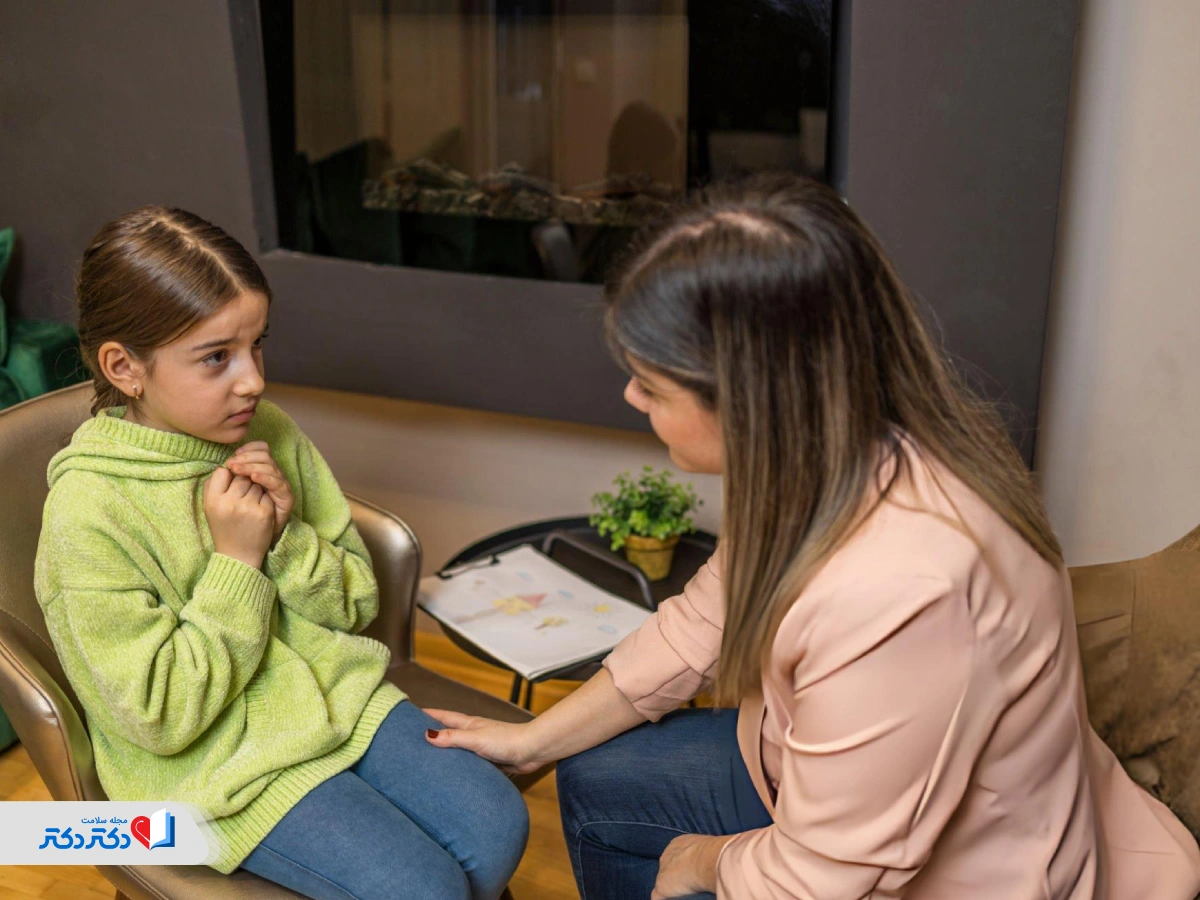
Conversion disorder can occur in any It appears with age, but it is mostly seen in people over 10 years old. In children and adolescents, neuro-functional disorder causes symptoms similar to adults. Also, the symptoms are real and debilitating in this age group.
Neurological-functional disorders in children may be seen in the form of PNES seizure attacks, muscle weakness or paralysis, abnormal movements such as tremors, jumping or muscle spasms, loss of balance or difficulty walking, difficulty swallowing or sensory symptoms such as loss of touch, vision problems or hearing problems.
Many children with the disorder Being neuro-functional, they may appear well-behaved, successful, and calm on the surface because these children have learned to hide their negative emotions. Children and adolescents with FND often avoid conflict and are reluctant to talk about themselves and their feelings. These children may have a history of physical or sexual abuse, neglect, harassment, or family problems.
Since conversion disorder can leave a child or adolescent with serious disabilities and developmental problems, early diagnosis and family psychotherapy can be vital for the child's or adolescent's recovery and future prospects. If you know a child or teenager with this disorder around you, you can use the online visit service of DoctorDoctor to consult with the most experienced physical and mental health specialists.
Read more: Symptoms What is depression?
Difference between conversion disorder and dissociative disorder
Conversion disorder and dissociative disorder are complex, and some sources consider dissociative disorder synonymous with conversion disorder. But, if we take a closer look, we will better understand the difference between conversion disorder and dissociative disorder.
Dissociative disorder is a type of mental disorder in which the natural connection between thoughts, feelings, memories and a person's identity is disrupted. In dissociative disorder, a person may feel disconnected from reality or their body. Also, patients with dissociative disorder may suddenly forget important life events. Dissociative disorder often occurs in response to traumatic experiences or severe stress and is an unconscious defense mechanism for coping with trauma. If dissociative disorder is not treated, it can increase the risk of conversion disorder.
In dissociative disorder, the patient is more involved in unpleasant mental and identity symptoms, but conversion disorder usually causes a person to experience physical symptoms without a medical cause. Both disorders are often caused by trauma and severe stress and may occur simultaneously in the same person. However, their main difference is in the nature of the symptom experience. In dissociative disorder, problems occur at the level of perception, memory, and identity, but in conversion disorder, the symptoms are more physical and visible. This distinction helps the psychotherapist to choose appropriate and targeted treatment methods for the treatment of any type of disorder.
Effective methods of treatment for conversion disorder in psychology
Since conversion disorder does not have a physical cause and the symptoms are caused by psycho-physical problems, a large part of conversion disorder treatment includes psychotherapy and psychiatric interventions. The first and most important step in the treatment of conversion disorder is to establish an empathic and trust-based relationship between the therapist and the person suffering from this disorder. The patient should be reassured that the symptoms are real but not caused by a serious physical illness. Understanding this makes the patient more compatible with the treatment process and speeds up the process of improvement and reduction of symptoms.
Different forms of psychotherapy and behavioral therapies are used for treatment, some of the most common of which include:
- Cognitive Behavioral Therapy (CBT): Cognitive Behavioral Therapy or CBT The most common way to treat conversion disorder is conversion. CBT therapy helps a person identify and correct negative and erroneous thought patterns that affect their emotions and behaviors. The CBT method may include exercises for stress management, anxiety control, relaxation techniques, and modification of maladaptive reactions.
- Psychodynamic Therapy (Psychodynamic Therapy): Dynamic psychotherapy tries to delve into a person's past painful experiences and emotional conflicts. This type of therapy helps a person understand how past experiences can cause physical symptoms without a medical cause. By examining early relationships, childhood, and repressed experiences, one finds a strong connection between negative feelings about past events and distressing physical symptoms in the present. As a result, the person can identify the root of the problems and manage them.
- Family therapy: The family plays an important role in the diagnosis and management of conversion disorder. The family system-focused approach helps family members understand the patient's symptoms and reactions and provide appropriate psychological support. Increasing family awareness can correct unhealthy behavioral patterns and reduce the likelihood of psychosomatic symptoms returning. Hypnosis: Hypnosis is sometimes referred to as a complementary method for the treatment of conversion disorder. In this method, with the help of his therapist, the person tries to be calm and focused and identify the connection between his unconscious memories, emotions and physical symptoms. In general, hypnosis can help reduce anxiety, tension, and the intensity of psycho-physical symptoms, although the scientific evidence of this method is more limited compared to other methods and is less useful.
In addition to the various psychotherapy methods that we have explained, drug therapy to reduce physical symptoms and chronic pain along with physical therapy and occupational therapy to improve body coordination and prevent muscle weakness can play a role in improving the conditions of a person with conversion disorder. However, since conversion disorder is a psychosomatic syndrome, psychotherapy and counseling provide the best results in improving this disorder.

Doctor's Last Word
Conversion disorder or neuro-functional disorder shows how the mind and body are connected and how stress and mental conflicts are expressed in body language. But, the important thing here is that correct diagnosis, family support and targeted psychotherapy can improve a painful syndrome like conversion disorder and help the patient move towards peace and health with small but continuous steps. If you or one of your loved ones is in a similar situation and you don't know where to start, we suggest you to use the online visit service of Dr. Doctor and get help from a mental health specialist. DoctorDoctor's expert doctors and psychiatrists are ready at any hour of the day and night to help you get through the physical and mental challenges of your life safely with a personalized program. class="fi-accordion-icon-container fi-accordion-icon-right"> Is conversion disorder the same as mental retardation?
No. Conversion disorder (CD), also called neurofunctional disorder (FND), is different from dementia. People who feign a disorder or malingering intend to deceive others or exaggerate the severity of their symptoms. But people with conversion disorder experience real psycho-physical and physical symptoms and cannot stop or control these symptoms. Also, unlike people who pretend, patients with conversion disorder do not intend to mislead others.