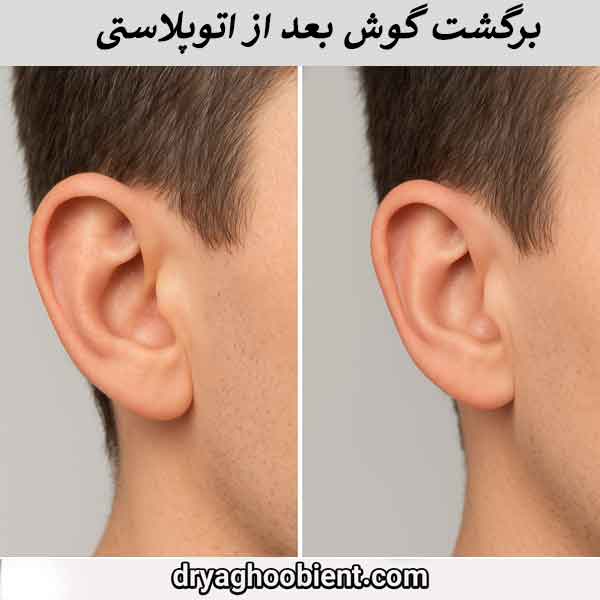
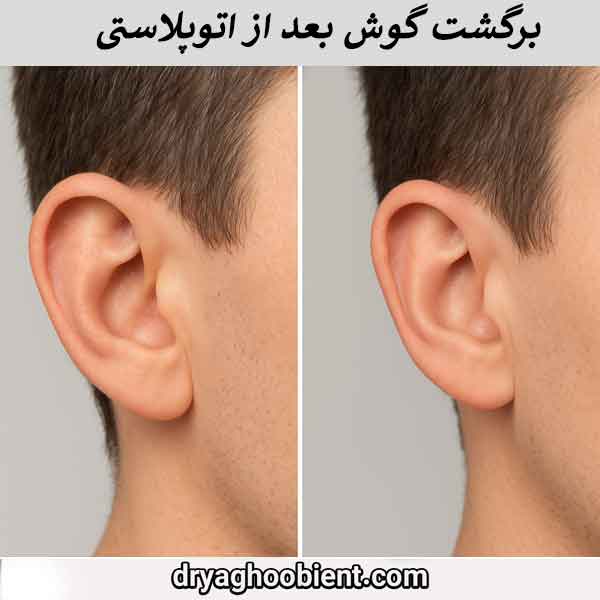
Successful and long-lasting otoplasty: prevention of ear recurrence after surgery

Dr. Maryam Yacoubi
تهرانOtorhinolaryngology and skull base specialist
Effect of increasing age on the probability of ear return after otoplasty surgery
Aging can play an important role in ear return after otoplasty surgery. With age, the skin and soft tissues of the ear lose their elasticity, and this affects the process of improving and stabilizing the shape of the ears after otoplasty. On the other hand, metabolic and hormonal changes associated with aging can reduce the speed of wound healing and increase the probability of hearing loss. In older people, the results of cosmetic ear surgery may be less stable due to the reduced resistance of the immune system and the possibility of problems such as inflammation or infection. For this reason, it is recommended that people who intend to undergo otoplasty at an older age should consult the best ear surgeon in Tehran before making a final decision and consider all the possible risks of ear recurrence after otoplasty.
permanence of ear cosmetic surgery
permanence of ear cosmetic surgery is permanent in most cases and patients can enjoy stable and natural results of this operation. However, the duration of the results of ear cosmetic surgery can be affected by factors such as the thickness and stiffness of the cartilage or the history of trauma and damage to the ear. In such a situation, there is a possibility of a partial return of the ear after the surgery, and the durability of the ear cosmetic surgery may decrease. Despite this, in most people, the result of ear cosmetic surgery is permanent and there is no concern about reversibility. Adhering to the surgeon's recommendations and post-operative care also play an important role in increasing the durability of otoplasty results.
Reasons for ear return after otoplasty
Although otoplasty usually brings permanent and natural results, in some cases the ears may undergo changes over time. These changes are often minor, but knowing the reasons for the back of the ear after otoplasty can help patients get better care after surgery. The most important contributing factors are:
Incomplete correction during surgery
One of the most common causes of ear return is incomplete correction during surgery. The surgical technique, the inherent structure of the ear cartilage, and the expected amount of correction can affect the final result.
Incomplete healing process
If pressure or impact is applied to the ear during the recovery period, there is a possibility that the sutures will loosen and, as a result, the ear will come back. Excessive movement or manipulation of the ear after surgery can also affect the final result.
Changes in ear cartilage
Ear cartilage has a natural tendency to return to its original shape. If sufficient structural support is not created during surgery, there will be a possibility of gradual change of the ears after otoplasty.
Age of the patient
Age is one of the important factors in the durability of otoplasty results. In younger patients, the cartilage is softer and more flexible, and the results will be more stable. On the other hand, the cartilage is stiffer in the elderly and the probability of the ear turning back is higher.
Non-observance of post-operative care
Not following the surgeon's recommendations, such as using a headband correctly or avoiding heavy activities, can lead to the ear turning back. Even the improper closing of the headband sometimes causes problems in the results of the operation.
Natural asymmetry of the ears
In some people, the natural asymmetry of the face or ears can make the surgical results look less symmetrical. Also, the gradual changes of the cartilage with the passage of time, even after complete recovery, can make the appearance of the ears slightly different.
What should we do if we have a back of the ear after otoplasty?
Seeing the back of the ear after otoplasty can be stressful and worrying for many patients. But there is no need to worry; Because the problem can be solved with timely measures. In such a situation, the following steps are recommended:
urgent consultation with a surgeon
The first step is to contact your surgeon quickly. By examining the condition of the ear, the doctor determines the rate of return and, if necessary, suggests the best treatment solution.
Strict adherence to post-operative care
Completely following the post-surgery care instructions plays an important role in preventing aggravation of complications and faster correction of the problem.
Preparation for reconstructive surgery
In cases where the back of the ear after otoplasty is severe, there may be a need for reconstructive surgery. This surgery corrects the problems of the initial operation and restores the shape of the ear to the desired state.
Is it worth performing reconstructive otoplasty?
Reconstructive otoplasty surgery is one of the sure methods to correct the unfavorable results or to remove the back of the ear. This operation is often performed with local anesthesia and in a short period of time and has a high success rate. Many patients are completely satisfied with the final result after reconstructive surgery. Side effects of reconstructive otoplasty are similar to the primary procedure and usually resolve within 24 hours. Only if you see symptoms such as infection or abnormal swelling should you contact your doctor immediately. e-con-full e-flex e-con e-child" data-id="72f24028" data-element_type="container" data-settings='{"background_background":"classic"}'>