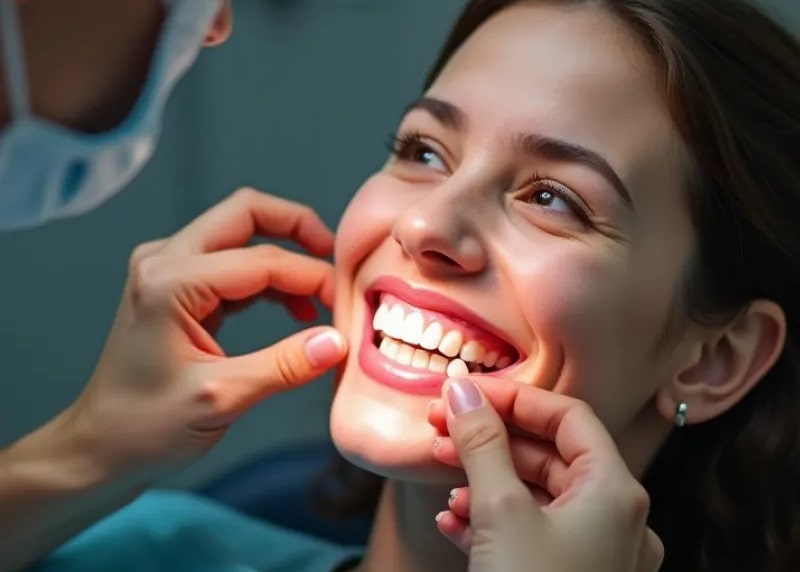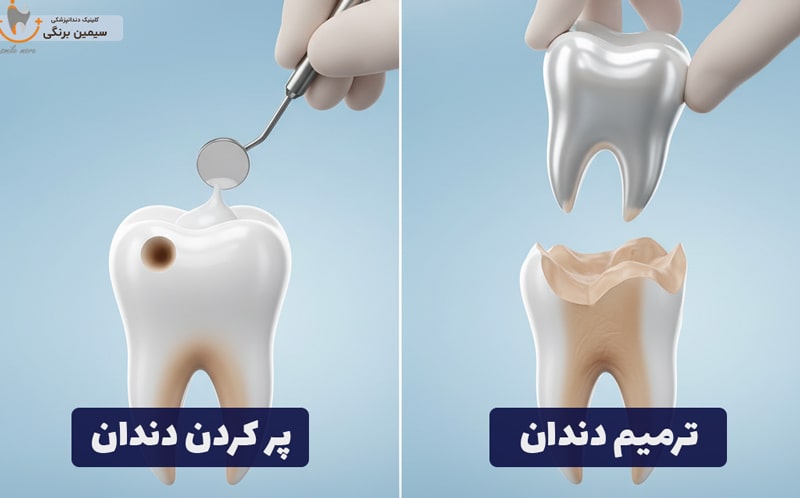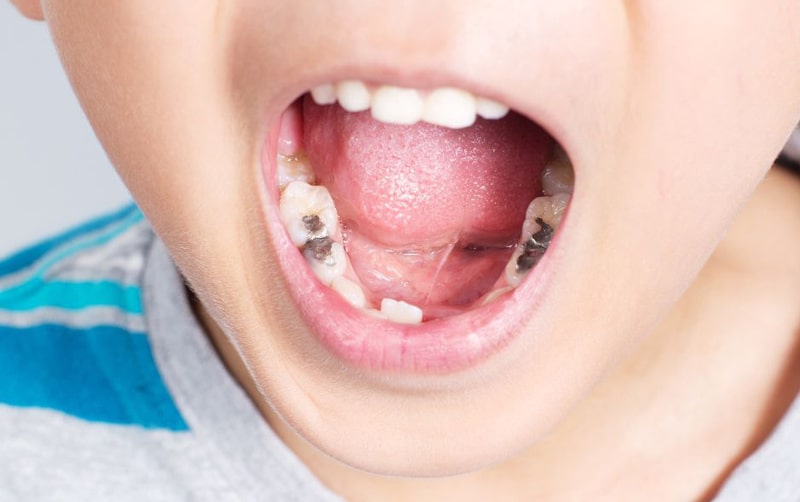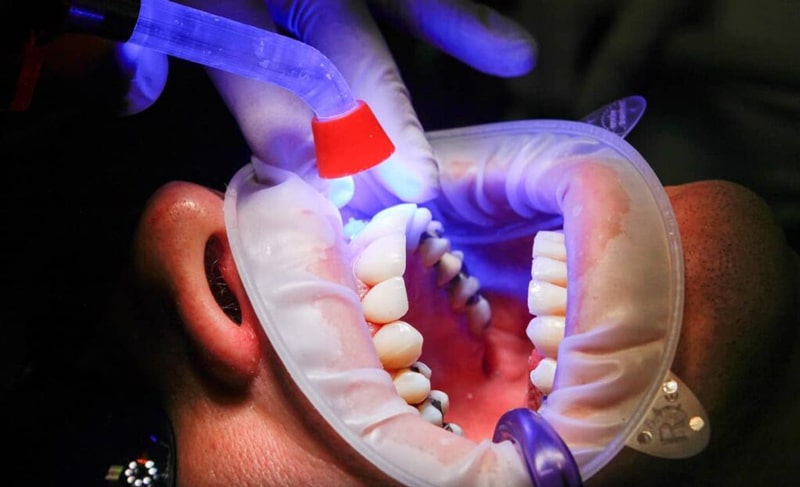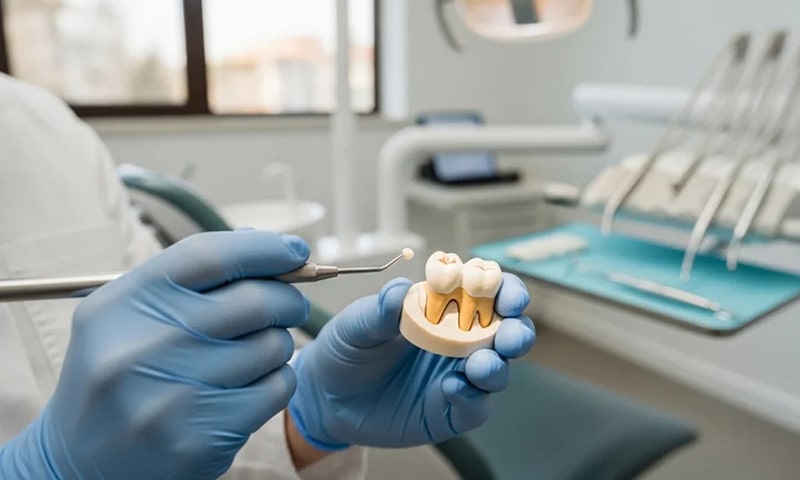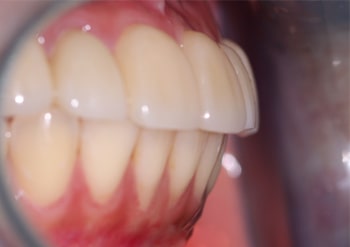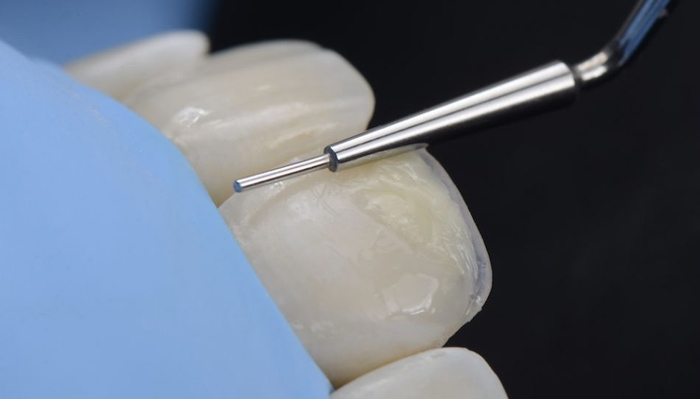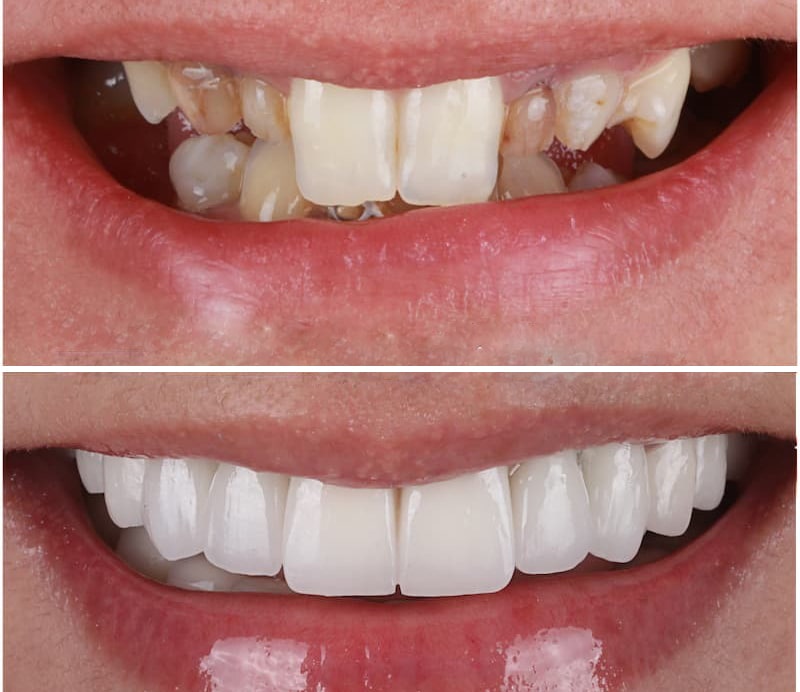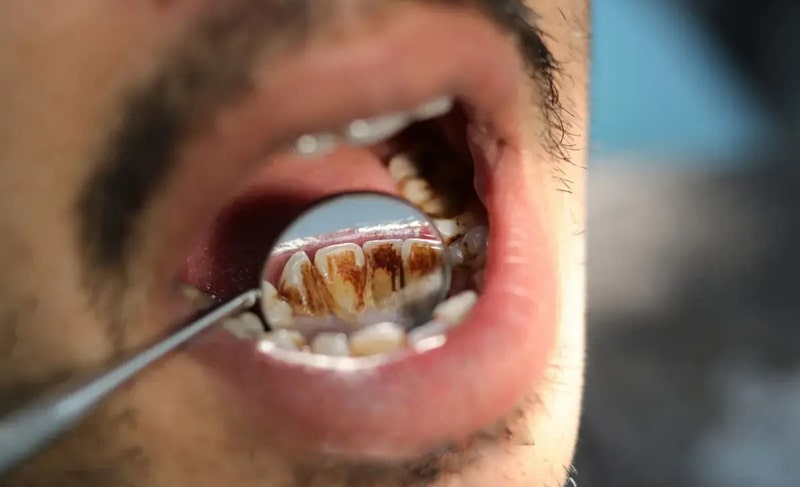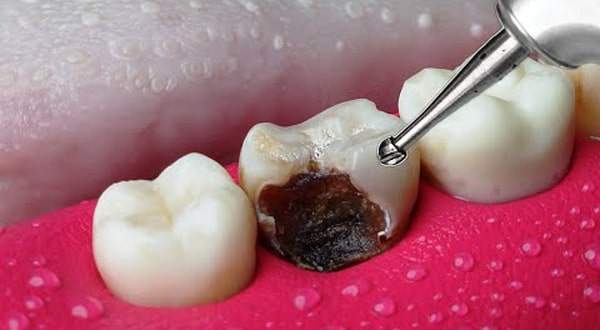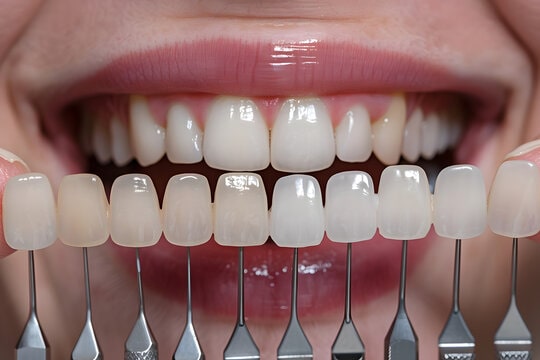


Choosing the most natural tooth composite color is one of the most important steps to have an attractive smile that is in harmony with natural teeth. Usually, group A and B colors are considered an ideal option due to their transparency and closeness to natural enamel. There are other types of colors such as C, D and other types of colors. Various composite color models are selected based on your skin color to have a natural result. Reading this article will help you choose the right color to have the best color for having natural teeth with your face.
| Subject Summary | Important points at a glance |
| The importance of choosing composite color | Choosing the right color makes the smile appear natural, harmonizes with the face and increases self-confidence |
| Common misconception | The whitest color is not always the best choice and can create an artificial look |
| The main criteria for color selection | Skin color, gum color, age, natural teeth color, face shape and ambient light |
| Light skin color | A1 and A2 colors are more appropriate and natural |
| Dark or green skin color | A3, A3.5 colors create a more natural effect |
| person's age | Younger people lighter colors, older people natural and slightly darker colors |
| The most natural common colors | A2 and A3 are the most natural and widely used composite colors |
| Very bright colors (B1, XL, BL) | They look shiny but they change color sooner and need more care |
| composite color groups | A (warm), B (yellowish), C (gray), D (reddish gray) |
| The difference between front and back teeth | Lighter front teeth, slightly darker back teeth are selected |
| Effect of color on cost | Natural colors and professional layering usually cost more |
| role of the dentist | Expert opinion is necessary to choose harmonious and natural color |
| Note when installing | Due to dry mouth, the composite may appear brighter at first |
| Composite color retention | observing oral hygiene and reducing the consumption of tea, coffee and cigarettes |
Catalog of types of dental composite colors
The color of tooth composite is divided based on the intensity of whiteness, transparency, undertone and tonality of each one from A to XL, and choosing it correctly plays an important role in making the smile look natural and beautiful. We will examine the main types of composite colors below:
Composite Group A

Composite color group A is suitable for teeth with a warm and slightly red-brown undertone and gives the teeth a natural and warm appearance. The sub-branches of this group are:
| Subdirectory | Explanation and Application |
| A1 | The lightest color of group A, suitable for young front teeth with light natural color |
| A2 | Medium natural shade, widely used for anterior and posterior teeth |
| A3 | A little darker, suitable for front and back teeth with a warmer undertone |
| A4 | The darkest spectrum of group A, suitable for posterior teeth or warm and dark color |
Composite Group B

Group B is the most natural and the most widely used group to create an attractive smile in harmony with natural teeth. This color has a yellow-white undertone.
| Subdirectory | Explanation and Application |
| B1 | The lightest and clearest color, suitable for front teeth for a natural smile |
| B2 | Medium natural shade, most common choice for front and back teeth |
| B3 | A little darker, for back teeth or teeth with a slight yellow undertone |
| B4 | The darkest spectrum of group B, suitable for posterior teeth and correction of warm colors |
Composite Group C
Group C is suitable for teeth with a cold and gray undertone and is used to correct discoloration by creating a mild contrast. Its application is more suitable for front teeth and for cloudy or discolored teeth.
| Subdirectory | Explanation and Application |
| C1 | Bright, good for correcting minor discoloration |
| C2 | Medium color, for front and back teeth with cool undertones |
| C3 | Darker, suitable for posterior teeth or slightly cloudy teeth |
| C4 | Darkest spectrum of group C, limited use for posterior teeth or special conditions |
Composite Group D
Composite is designed for teeth with a cold and slightly gray undertone and is less often used for front teeth. It is mostly used in posterior teeth.
| Subdirectory | Explanation and Application |
| D2 | The lightest color of group D, suitable for posterior teeth with a mild cold undertone |
| D3 | Medium, for posterior teeth and teeth that have a gray undertone |
| D4 | The darkest spectrum of group D, limited use for posterior teeth and special conditions |
Translucent Color Composite (transparent)
This color is used to make the appearance of the teeth more natural and allow light to pass naturally. Composite color Translucent
Usually, the underlay is colored and is mostly used on the edges of front teeth or thin layers of composite to create a natural effect. Its use helps the teeth look less artificial and the light reflection is like natural teeth.
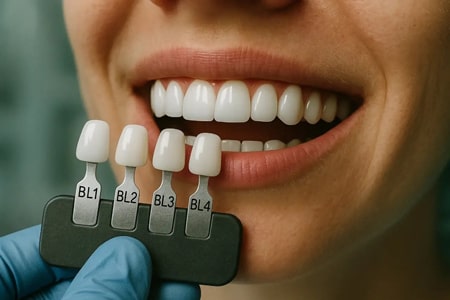
XL / Extra Light color composite (light white)
XL color composite is suitable for people who are looking for a bright and bright white smile. This color is mostly used for the front teeth and is especially useful for people who have light natural tooth color or want to have a whiter smile than their natural teeth. This color helps to create a bright and attractive effect in the smile and makes the teeth have a completely clear and shiny effect.
Read more: color Glacier white tooth composite
BL / Bleach color composite (very light white)
BL or Bleach is a very bright color and close to perfect white and is usually used to have white teeth. The color tone of this group is very bright and bright and is also known as Hollywood. So this color is considered to be the whitest type of composite.
Selection criteria in choosing the natural color of composite

Choosing the right composite color plays an important role in creating a natural and harmonious smile of adjacent teeth. The most natural colors are usually close to tooth enamel and their transparency does not create an artificial appearance. Effective factors in choosing composite color; They are:
- Skin color: People with light skin, it is better to use lighter colors such as A1 and A2, while dark skin is more harmonious with darker colors such as A3.
- Eye color: Eye color is also effective in choosing a color, and people with light eyes usually use lighter colors, while dark eyes are more harmonious with a medium or slightly darker color.
- Age: With age, the color of the teeth naturally becomes darker; Therefore, older people usually prefer darker colors to make their smile look more natural.
- Personal taste: The choice of composite color depends on the individual's taste and it is better to consult a dentist to achieve a harmonious result.
What is the most natural color of tooth composite?
The most natural tooth composite color is usually chosen from groups B and A, because it has the closest transparency and color to natural tooth enamel. Group B is very widely used to create a harmonious and natural smile with the adjacent teeth, and group A, with a warm and slightly red-brown undertone, makes the teeth look natural and alive. To achieve an ideal result, it is necessary to carefully choose the right sub-branch and consult with a dentist.
Click to know cost of dental composite
Important tips for choosing natural composite color
- Consultation with the dentist: The dentist will choose the right color based on the color of the adjacent teeth, the ambient light, and the fit with your smile, so that it has a natural appearance.
- Composite color test before installation: Some offices try the color sample on your teeth to make sure that the chosen color is harmonious with natural teeth and does not create an artificial appearance.
- Attention to the level of transparency: The transparency and glossiness of the composite should be in harmony with the natural tooth enamel. A color that is too matte or too shiny creates an artificial appearance.
- Attention to the color of the gums: The color of the gums is important in the harmony of the smile; Light gums look natural with brighter tooth colors and dark gums with medium or slightly darker colors.
Conclusion
Choosing the most natural tooth composite color plays an important role in the beauty, harmony and natural appearance of the smile. Knowing the color groups, subcategories and special colors such as BL and XL helps to make a more accurate choice. Also, paying attention to factors such as skin color, gums, age and clarity of teeth makes the final result more natural. By choosing the right color and following principles, you will have a great and lasting result.
If you are looking for the most accurate and natural choice of composite color to suit your face, Barangi dental clinic with an experienced team and the use of high-quality materials will provide you with the best results. To receive expert advice and book an appointment, contact Barangi Dental Clinic today.
FAQ

Can the composite color be changed after installation?
It is not possible to change the color of the composite directly, and to correct the color, it is necessary to replace or repair it.
Is the most natural composite color always the same color as one's own teeth?
No; Sometimes, to make the smile more natural, the color of the composite is chosen a little brighter than the color of the natural teeth to create more harmony in the smile.
What is the difference between the most natural composite color and bleached color?
The natural color of the composite has the transparency and depth of the real tooth color; While bleached colors are usually brighter and more uniform.
Read more: Natural Glass Edge Composite
Is the most natural tooth composite color the same for all teeth?
No; The most natural color is different for each person and depends on factors such as skin color, gum color and facial features.
Is the color of composites chosen differently for front and back teeth?
Yes; Usually, lighter and more transparent colors are chosen for the front teeth and slightly darker colors for the back teeth.
Does composite color change color after some time?
If you use high-quality materials and observe oral hygiene, there will be no significant color change; But consuming a lot of coffee, tea, cigarettes and colored drinks will change the color over time.