Plavix (clopidogrel) tablets and its effect in preventing blood clot formation
Plavix tablet with the generic name of clopidogrel is one of the most important and widely used drugs in the field of prevention and treatment of cardiovascular diseases.... This pill is in the category of anti-platelet drugs and is used to prevent the formation of blood clots.... Specialist doctors usually prescribe this drug for patients with coronary heart disease, stroke, plaque syndrome and other drugs.. Side effects; Therefore, it must be taken with the direct prescription of a doctor...
In this article from Health Magazine GCORP LLC, join us as we explore what Plavix pills are, what they are, and how to take them.
Table of contents
- What is Plavix tablet?
- Mechanism of action of Clopidogrel tablet
- Plavix 75 tablet use
- How to use Plavix
- Plavix use in pregnancy and breastfeeding
- Precautions and contraindications for Plavix
- Plavix tablets and tooth extraction
- Clopidogrel side effects
- Drug interaction of Plavix tablets
- Reference guide Doctor
- repeated
- drug interactions
What is Plavix?
Plavix (Plavix) with the brand name clopidogrel is an anti-platelet drug and is included in the category of cardiac drugs.. This drug prevents blood platelets from sticking together and forming blood clots in the veins.. Plavix is usually prescribed to people who are at risk of heart attack, stroke and vascular disease.. To prepare Plavix 75.
Learn more: bisoprolol tablets
The mechanism of action of clopidogrel tablets
The mechanism of action of Plavix tablets is based on the inhibition of platelet aggregation... Platelets play an important role in the formation of blood clots and stop bleeding... But platelets in some people's bodies are overactive and create unnecessary blood clots... The result of this is the occurrence of cardiovascular problems... The compounds of this drug block special receptors called P2Y12 on the surface of platelets and prevent them from sticking to other platelets.. It affects P2Y12 receptors and thus blocks the signal path of platelets.
Clopidogrel tablets are prescribed to prevent or treat diseases related to blood clotting, such as:- Heart attack (myocardial infarction): Used for people who have already had a heart attack or are at high risk of it.
- Ischemic stroke: It is a suitable option for patients who are at risk of stroke due to the presence of blood clots in the blood vessels of the brain.
- Coronary artery disease (CAD): It is prescribed in people with coronary artery stenosis to reduce the risk of cardiovascular problems.
- Peripheral arterial disease (PAD): It is suitable for improving blood flow in people with vascular problems and pulmonary embolism (blood clots in the lung).
- After placement of cardiac stents: It is considered as a post-operative treatment to prevent blood clots and improve blood flow.
- Acute Coronary Syndromes (ACS): It is prescribed in people with unstable angina pectoris, arteriosclerosis, unstable heart rate and heart attack.
Learn more: Apixaban tablets
How to use Plavix
This drug should be taken under the supervision of a specialist doctor.. The doctor usually determines the dose of the drug based on the age, type of disease, the condition of the patient and other drugs used... Plavix 75 mg is the standard dose of this drug for the treatment of heart problems and after stenting..
Important points when taking clopidogrel include the following:
- Be sure to take the medicine with a glass of water.
- You can take Plavix with or without food.
- This medicine may be prescribed for one to 12 months depending on the type and severity of the disease.. So avoid stopping it arbitrarily.. because there is a possibility of blood clots and severe side effects.
- The doctor determines the dose of the medicine based on the severity of the disease.. So avoid changing the desired dose. If you miss a dose, take the missed dose as soon as you remember. But if the next appointment is close, you can ignore the missed dose and continue taking the medicine according to the doctor's initial order.
- Remember, taking 2 doses of this pill at the same time is not only ineffective, but can increase the risk of heart attack or stroke.
Learn more: What is Rosuvastatin 20 tablets for?
Plavix use in pregnancy and breastfeeding
Plavix is placed in the category of pregnancy drugs B.... This means that the studies conducted do not show a particular risk for damage to the fetus, abortion and dangerous complications.... But most experts prescribe clopidogrel tablets during pregnancy with the lowest dose and for a short period of time.
Also, currently there is not enough information about the effectiveness of Plavix tablets in breastfeeding and its effects on the baby....so it is better not to use it without consulting a specialist doctor.
Best time to take Plavix
The best time to take Plavix depends on the type of disease and the doctor's recommendation... This medicine for problems related to blood clotting should often be taken in the morning and at night... The most important thing about taking clopidogrel is to take it at a certain time every day so that a constant dose of the medicine remains in the body.
Learn more: propranolol tablets
Precautions and contraindications of Plavix tablets
You should use Plavix with caution if you have the following conditions:
- sensitivity to clopidogrel medicinal compounds
- History of heavy bleeding due to gastric ulcer
- Liver problems
- before any type of surgery
- Simultaneous use with herbal supplements
Learn more: What is warfarin?
Plavix tablets and tooth extraction
This medicine increases the risk of bleeding during and after the operation.. That is why they recommend that if you are going to operate or have recently had surgery, be sure to inform your doctor before starting to take Plavix.. This issue should also be considered during tooth extraction.. The doctor usually stops taking Plavix five to seven days before the tooth extraction.
Clopidogrel side effects
This pill, like any other drug, can cause side effects... If the side effects described below persist for more than a few days or become more severe, be sure to tell your doctor:
- dizziness
- Headache
- diarrhea
- Nausea and vomiting
- stomach discomfort sleepiness
- Redness and skin acne
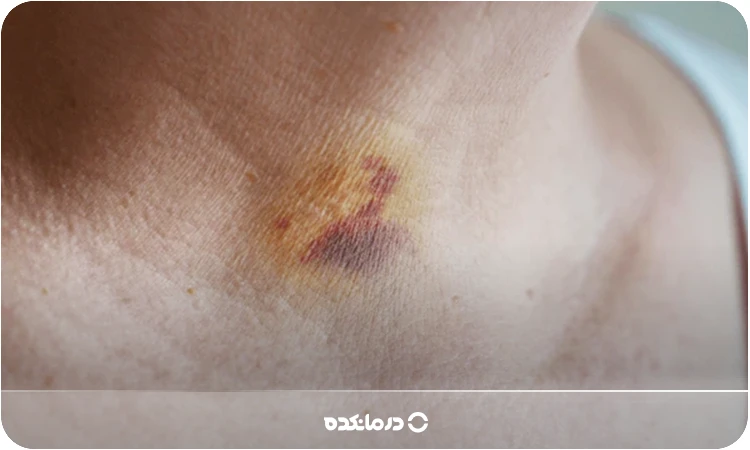
- Unusual bruising Allergic reaction of the body such as swelling of the face, lips, tongue or throat, hives and itching
Symptoms such as excessive gum bleeding, blood in the urine and stool, bleeding from the stomach or intestines, myositis (muscle disorders) and extensive bleeding under the skin are serious side effects of Plavix...
Pharmaceutical interactions of Plavix
Concurrent use of Plavix with some medications is dangerous and can increase bleeding.... Medications that may interact with this pill include:
- Aspirin
- Warfarin Ibuprofen cimetidine Omeprazole
- Esomeprazole
Learn more: Aspirin tablets
Guide to see a doctor
Plavix tablet is one of the anticoagulant drugs that reduce the risk of heart attack and stroke by inhibiting the accumulation of platelets in the blood.. This drug prevents unnecessary clotting in the blood.. For this reason, it is used after vascular surgery and for the treatment of heart attack and coronary artery disease. Bleeding and serious complications...
In this article from GCORP LLC magazine, we have examined in detail what Plavix 75 tablets are for and what side effects they have.... If you have more questions about how to take and dosage of Plavix according to your specific condition, you can visit a cardiologist online through the GCORP LLC website.... Also, it allows you to make an appointment with the specialist of your choice through the online appointment system to see a cardiologist in person.
Frequently Asked Questions
This pill is an antiplatelet drug that prevents the formation of blood clots in the veins. Doctors usually prescribe Plavix to reduce the risk of heart attack, stroke, and coronary artery disease.
This drug increases the risk of bleeding. Therefore, people prone to stomach bleeding should not take it.
This drug was first released by French and American companies, but now it is produced globally and most countries, including Iran, are able to produce it.
If the patient cannot take clopidogrel tablets, the doctor prescribes other antiplatelet drugs such as Zylate, Prasugrel, Ticagrelor, and Suvix.
Sources: Drugs webmd
Was this article helpful to you?
![Which fruit increases blood pressure [high and low]? 18 effective fruits](/storage/posts/covers/2026_01_08/ef00bb701cbb99e90a24ba8d73265ba4c08936335e859a33b69553f5c5e737a2.webp)
![For whom is rhinoplasty dangerous? [10 groups+cause+solution]](/storage/posts/covers/2026_01_06/3e06a993c87e243daaf67dc69ac3e484d377b2708c93656820e0084ea4f080d6.webp)
![What fruits have vitamin B12? [13 fruits + consumption tips]](/storage/posts/covers/2026_01_06/dfaeceb7cb9a203805aeba8715bf7cdea6f5cb2b5b9314e1898807545e874bb1.webp)
![Is nasal massage necessary after surgery? [Training + 5 effective benefits]](/storage/posts/covers/2026_01_06/1f2686c8d522130d256828a51d7d46594dbde31ec2253325e6a8a38f04094789.webp)
![The best drops to reduce eye pressure [14 powerful drugs + method of administration]](/storage/posts/covers/2026_01_06/0177c50098eb80d878d1c883d09ae31ad2f489b17e1288f52018e3f8ef213e5f.webp)
![What is hair filler? [9 benefits, how to inject + durability of hair filler]](/storage/posts/covers/2026_01_06/c21c5e1ff48e9af8214111dfe0b867586f298e3d74a95fadda02b0b04df12598.webp)
![The strongest antibiotic for tonsil infection [7 drugs + method of administration]](/storage/posts/covers/2026_01_06/7b5adf6bb8cf556824d96570b6adba58f824b3a7f248993cfaafb73c0b5b8610.webp)
![Garlic pills for weight loss [4 effective benefits and side effects + how to use]](/storage/posts/covers/2026_01_06/c49f08b482d5860218c8635e48194a50f2ed48b51ef15925aa2d73d8393ff3ab.webp)
![What foods increase eye pressure? [8 harmful foods and drinks]](/storage/posts/covers/2026_01_06/52929c4d1b9ed7916d3fc5a8e45060479fb186f332dd217e68905f71f89a33f0.webp)
![What foods lower eye pressure? [18 useful foods]](/storage/posts/covers/2026_01_06/f180eb15f8e64fc9b386f9d5dc7936a5e416af36032be3bdcdf9054925a21d43.webp)
![itchy scalp; 18 causes [medical treatment + 11 home remedies]](/storage/posts/covers/2026_01_06/a1e116ec1c6243fd5c4e6fb951da5cb33bbd92a09c44e29b845852a86f550681.webp)
![What is intestinal colitis and what are its symptoms? [3 causes + definitive treatment]](/storage/posts/covers/2026_01_06/d3384e9221c036ff3eb447c69ffabb109dd6c0c35f5e5f0af775c4545cfd7ea5.webp)
![The best pills for irritable bowel syndrome [10 powerful drugs]](/storage/posts/covers/2026_01_06/70f02d6808fab88d67b0c6734a623e5e71982d323dbd2fb8158c29669849b813.webp)