
Last update date 2026-01-01 by Dr. Shabnam Rafizadeh neurologist
The best way to diagnose the blockage of heart vessels is to perform cardiac angiography because this method is considered the most accurate and definitive way to diagnose the blockage of heart vessels.
In angiography, by using a thin and flexible tube and injecting a contrast agent, the doctor can see a clear image of the inside of your heart vessels directly and live. This direct observation allows the doctor to detect even the smallest narrowings with confidence and is therefore unique for diagnosing coronary artery occlusion.
To help the health of heart vessels and prevent them from clogging, proper nutrition plays a key role, for example: 1- fatty fish from cold waters 2- fruits and vegetables rich in antioxidants and fiber 3- raw seeds and nuts 4- legumes and whole grains 5- garlic and spices Anti-inflammatory In the following, we will explain more and how these foods work.
Vistan Specialist Clinic, using advanced equipment and expert staff, performs heart angiography with maximum accuracy to detect heart vessel blockage. این مرکز با دقت و امنیت بالا، به بیماران در ارزیابی و مدیریت مشکلات قلبی کمک میکند.برای اطلاعات بیشتر و نوبت دهی با شماره های زیر تماس حاصل فرمایید.
| کلینیک ویستان – مرکز مرزداران | شرفی اصفهانی – بر بلوار مرزداران، بین اتوبان اشرفی اصفهانی و یادگار امام، پلاک ۱۸۴، ساختمان ایمان – طبقه همکف – 02191090158 |
| کلینیک ویستان – مرکز سعادت آباد | سعادت آباد، خیابان سرو – مرکز تصویربرداری و قلب – 02191092878 |
| کلینیک ویستان – مرکز صادقیه | اتوبان اشرفی اصفهانی – فلکه دوم صادقیه – 02191092872 |
| کلینیک ویستان – مرکز جردن | جردن، خیابان تندیس – 02191092338 |
| کلینیک ویستان – مرکز ستارخان | ستارخان، نبش تهران ویلا و حبیب الله – 02191092872 |
فهرست مطالب
- 1 آنژیوگرافی قلب به عنوان بهترین راه تشخیص گرفتگی رگهای قلب
- 2 انجام آنژیوگرافی چقدر زمان میبرد؟
- 3 نتیجه آنژیوگرافی بهترین تشخیص گرفتگی رگهای قلب
- 4 5 تغذیه مناسب برای باز شدن رگهای قلب
- 5 علائم گرفتگی رگهای قلب در زنان و مردان
- 6 آیا گرفتگی رگ قلب خطرناک است؟
- 7 سن گرفتگی عروق قلب در زنان و مردان
- 8 مقایسه آنژیوگرافی با 10 روش دیگر تشخیص گرفتگی رگهای قلب
- 9 ده سوال متداول بیماران در مورد تشخیص گرفتگی رگهای قلب
- 10 نتیجهگیری
آنژیوگرافی قلب به عنوان بهترین راه تشخیص گرفتگی رگهای قلب
آنژیوگرافی قلب به چه صورت انجام میشود؟

در ادامه به صورت ساده روش انجام آنژیوگرافی بهترین راه تشخیص گرفتگی رگهای قلب را شرح میدهیم
- ابتدا بیمار روی تخت دراز میکشد و محل ورود کاتتر (معمولاً مچ دست یا کشاله ران) بیحس میشود.
- یک برش کوچک در محل ایجاد شده و کاتتر Catheter (لولهای نازک و انعطافپذیر) از طریق رگ به سمت قلب هدایت میشود.
- زمانی که کاتتر در موقعیت مناسب قرار گرفت، ماده حاجب (ماده حاجب در آنژیوگرافی قلب، یک محلول حاوی ید است که تحت اشعه ایکس (X-ray) کاملاً قابل مشاهده میشود) به جریان خون تزریق میشود.
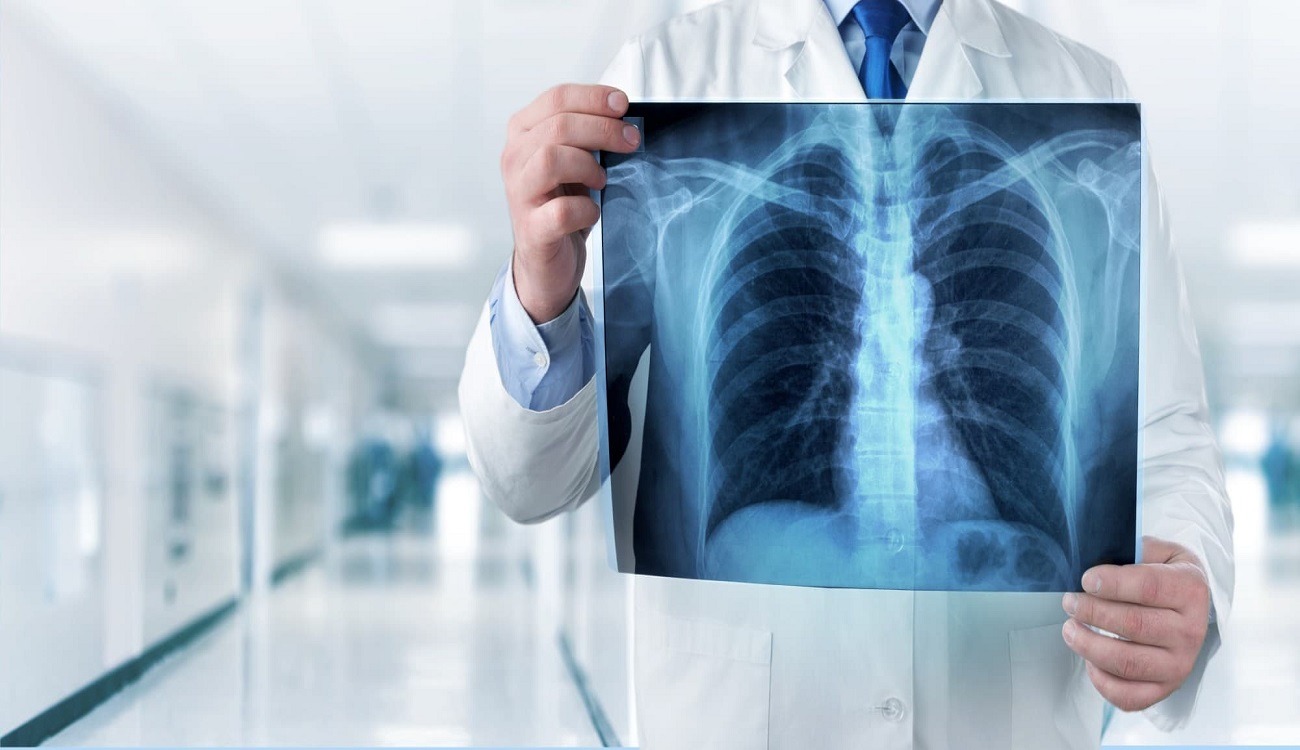
- با استفاده از اشعه ایکس، حرکت ماده حاجب در عروق قلب مشاهده و ثبت میشود که نشاندهنده وضعیت جریان خون است.
- اگر ماده حاجب از رگی عبور نکند یا به کندی عبور کند، نشاندهنده انسداد یا گرفتگی در آن رگ است که میتواند در همان جلسه یا بعداً درمان شود.
چگونه برای آنژیوگرافی آماده شویم؟

- مشورت با پزشک:
- لیست کامل تمام داروها (به ویژه رقیقکنندههای خون مانند وارفارین، آسپرین، یا داروهای دیابت مثل متفورمین) و سابقه حساسیت (خصوصاً به ید، ماده حاجب یا پوسته صدف) را به پزشک خود اطلاع دهید.
- در مورد شرایط خاص مانند بارداری یا مشکلات کلیوی حتماً توضیح دهید.
- ناشتا بودن:
- معمولاً لازم است ۴ تا ۸ ساعت قبل ناشتا باشید (عدم مصرف غذا و نوشیدنی). This prevents the risk of vomiting and its entry into the lung during the operation.
- To accompany:
- Due to anesthesia or sedation, must have a companion to drive you home after the procedure.
- Bring essential personal items such as ID card, insurance booklet and all medical documents.
- covering and grooming:
- Wear comfortable and loose clothes. Leave all the ornaments at home.
- The area of the hand (wrist) or groin (depending on the catheter entry point) must be clean and shaved
How long does angiography take?

One of the common questions of patients before performing cardiac angiography is how long it takes to diagnose the blockage of heart vessels.
The angiography procedure itself for diagnosis of heart vessel blockage usually takes between half an hour. But it should be kept in mind that the total time from start to finish (including preparation and rest after the operation) may be several hours. The exact duration depends on the conditions of each person.
What should be observed after cardiac angiography?
Observing the following points after heart angiography, which is the best way to diagnose heart vessel blockage, is very important for faster recovery and prevention of complications. These recommendations are usually general, and your doctor may give more specific instructions that should be prioritized.
1- Urgent and hospital care (up to the first few hours):
- Absolute rest: You should usually rest in bed and keep your leg straight for 4 to 6 hours (depending on how the catheter is closed).
- Pressure on the catheter insertion site: To prevent bleeding, the nurse puts pressure on the site (groin or wrist) or uses special devices to close the vessels.
- Symptom monitoring: Vital signs (blood pressure, pulse), catheter insertion site, and your symptoms are carefully monitored
2- Care after discharge and at home:
- Dressing: Keep the dressing as prescribed by the doctor (usually 24 hours) and make sure it is clean and dry.
- Bleeding and swelling: If you notice any active bleeding, rapid and large swelling, progressive bruising, or severe pain at the site, see a doctor immediately.
- Bathroom: Usually you should not shower for 24 hours. After that, you can take a shower but avoid rubbing the area and dry it gently. Do not use the bathtub, swimming pool or jacuzzi until the doctor has given permission.
- Activity: Avoid lifting heavy objects (more than 5 kg) and strenuous activities (such as heavy exercise, running) for at least 3 to 5 days. You can usually return to light daily activities after 24 to 48 hours.
-
Drink plenty of fluids (preferably water) to eliminate the contrast agent from the kidneys faster. This work reduces the possibility of kidney damage.
- Proper nutrition:After recovery, eat a light meal.
- Driving and Returning to Work: You should not normally drive for 24 hours. The time to return to work depends on the type of work and the result of angiography. For back desk jobs, it usually takes 1-2 days, and for heavier jobs, it may take a few days to a week.
The result of angiography is the best diagnosis of blockage of heart vessels

Cardiac angiography is one of the most important methods of diagnosing blockage of heart vessels which is performed using contrast material injection and X-ray imaging. This diagnostic method allows doctors to observe the condition of the vessels in detail and determine the extent of their blockage.
Types of angiography results
After performing angiography, the results are divided into several categories:
Natural results
In some cases, the result of angiography is completely normal and no blockage in the vessels is observed. In this case, the veins are clear and unobstructed, and the blood flow is well established in them. This result indicates that the patient's symptoms are probably due to other problems other than diagnosis of coronary artery occlusion. However, even in this situation, the doctor offers recommendations to maintain heart health
Mild vasoconstriction
Sometimes the result of angiography shows a mild blockage (less than 50%) in the vessel. This amount of constipation usually does not require surgical intervention and can be controlled with lifestyle changes and drug treatment. In these cases, the doctor prescribes drugs such as aspirin, statins, and blood pressure-lowering drugs and offers recommendations for lifestyle modification.
Medium vascular occlusion
Moderate blockage (between 50 and 70%) requires more attention. In these cases, depending on the patient's condition, clinical symptoms, and the results of other tests, the doctor may recommend drug therapy or decide to perform angioplasty. Diagnosis of blockage of heart vessels is very important at this stage, because it can prevent the progression of the disease and the occurrence of serious complications.
severe blood vessel congestion
Severe blockage (more than 70%) in one or more vessels requires medical intervention. In these cases, the doctor usually recommends angioplasty and stenting. If the blockage is in multiple vessels or in a location unsuitable for angioplasty, coronary artery bypass graft surgery (CABG) may be a better option.
Complete blockage of blood vessels
Complete blockage of one or more vessels is a more serious condition that requires immediate action. In these cases, depending on the duration of the blockage, part of the heart muscle may be damaged. Diagnosis of coronary artery occlusion is very critical at this stage and usually requires immediate intervention.
5 proper nutrition to open heart vessels

A healthy diet can help the health of the coronary arteries and prevent the blockage of the heart arteries. Remember: if you have been diagnosed with serious heart disease, be sure to consult your doctor and consider these tips only as a supplementary and preventive measure.
Five useful food groups to help the opening and health of the heart vessels:
| Cold water fatty fish Example: Salmon, sardine, mackerel, Trout. Why they are useful: They are rich in omega-3 fatty acids. Omega-3 helps to reduce inflammation in blood vessels, reduce blood triglycerides, prevent plaque formation and maintain vascular flexibility. Fruits and vegetables rich in antioxidants and fiber Example: Berries (cranberries, raspberries), citrus fruits, kiwi, dark green leafy vegetables (spinach, cauliflower), broccoli, tomatoes. Why they are useful: Antioxidants (such as vitamin C, flavonoids) prevent the oxidation of bad cholesterol (LDL) and its sitting in the walls of the arteries. The fiber in them also helps reduce cholesterol absorption. |
| Raw seeds and nuts Example: Almonds, walnuts, flax seeds, chia seeds. Why they are useful: Excellent source of unsaturated fatty acids, fiber, vitamin E (a strong antioxidant) and minerals. They are like magnesium. These compounds help reduce bad cholesterol, improve the function of the inner layer of blood vessels (endothelium) and reduce inflammation. |
| Legs and whole grains Example: Beans, lentils, peas, oats, whole grain bread. Why they are useful: High soluble fiber (especially in oats) oats and legumes) directly binds to cholesterol in the digestive system and prevents its absorption. They also help to control blood sugar and reduce blood pressure. |
| Garlic and anti-inflammatory spices Example: Fresh garlic, turmeric (containing curcumin), ginger. (vasodilation), lowering blood pressure and preventing the development of arteriosclerosis helps. Turmeric is also a strong natural anti-inflammatory that reduces damage to the walls of blood vessels. |
Symptoms of coronary artery blockage in men and women

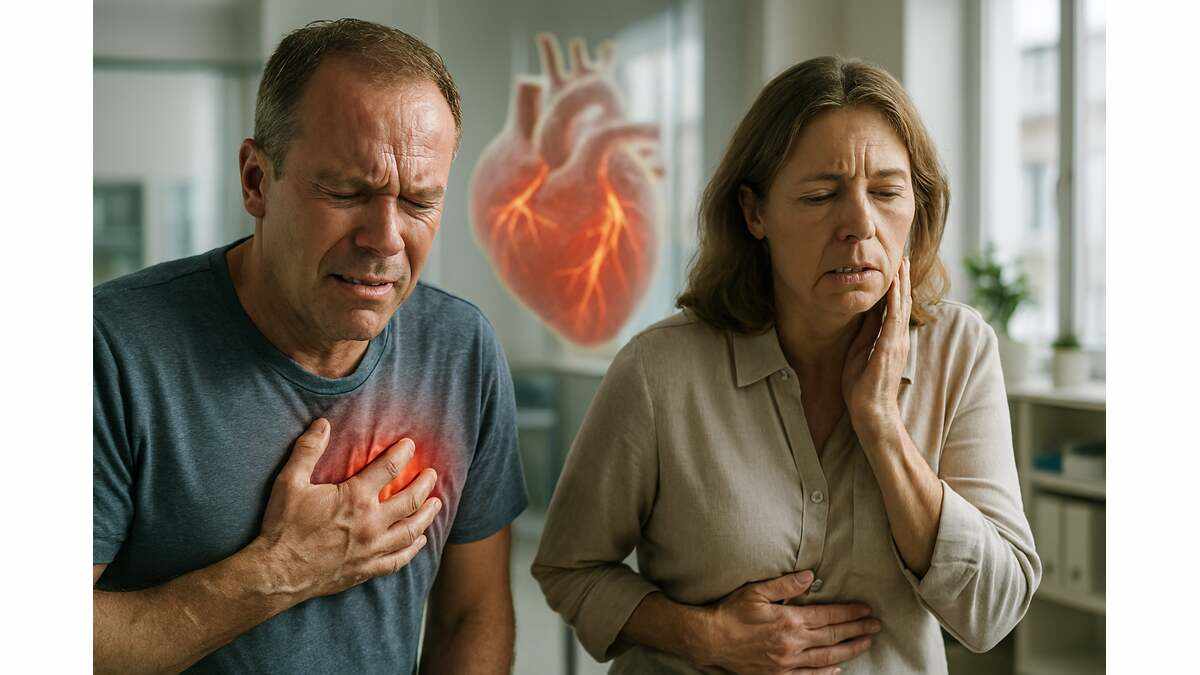
Diagnosis of heart vessel blockage in the early stages can play a vital role in preventing serious complications such as heart attack. However, the symptoms of this disease sometimes appear differently in men and women, and it is necessary to pay attention to these differences for a more accurate diagnosis. Therefore, knowing the specific symptoms of each gender helps to speed up the process of diagnosing heart vessel blockage and receiving appropriate treatment.
| Common symptoms in men | Common symptoms in women |
|---|---|
| Feeling of pressure or chest pain (often sharp) | Chest pain (often diffuse, sharp or burning) |
| Pain spreading to the left arm, jaw, or back | Unusual shortness of breath, extreme fatigue and weakness |
| Cold sweat and nausea | Pain in the back, neck, abdomen, or jaw without obvious chest pain |
| Feeling Lightheadedness or dizziness | Nausea, indigestion or upset stomach |
| Sweating for no reason or feeling suddenly anxious |
Note that this table only shows the most common symptoms and the symptoms may vary from person to person.
Is coronary artery occlusion dangerous?

Diagnosis of coronary artery occlusion is a vital step, because this complication can be extremely dangerous. The gradual blockage of the heart arteries limits the blood supply to the heart muscle and in case of complete blockage, it leads to a heart attack and permanent damage to the heart or even death.
This danger is not only due to mechanical obstruction; Rather, the sudden rupture of fat plaques in narrowed arteries can cause blood clots and suddenly cut off blood flow. Therefore, not paying attention to symptoms and delaying treatment will have irreparable consequences.
The importance of taking timely action is revealed here, because by diagnosing the blockage of heart vessels in the initial stages, it is possible to prevent the progression of the disease and the occurrence of a disaster with lifestyle changes, drugs and, if necessary, intervention measures. In fact, the main danger is in the disease remaining unknown and not managing it.
Age of coronary artery occlusion in women and men

Although coronary artery occlusion often manifests itself in middle age (after 45 years for men and 55 years for women), the foundations of this problem are usually laid years ago. The process of fat deposition in the veins can start silently from early youth or even adolescence.
So age alone is not a definitive criterion. An unhealthy lifestyle such as poor nutrition, inactivity and stress can extremely speed up this process and cause heart problems even at a younger age. This is why the diagnosis of coronary artery disease is not only for the elderly and the assessment of risk factors is important and necessary for all people of any age.
Comparison of angiography with 10 other methods of diagnosing heart vessel blockage
In the following, we intend to provide a comprehensive and comparative guide of different methods of diagnosis of coronary artery occlusion. For this purpose, the information will be categorized in two separate and structured tables. The first table will be dedicated to invasive and semi-invasive methods of diagnosis of coronary artery occlusion. The second table also clearly covers the non-invasive methods effective in the diagnosis of heart vessel occlusion (such as CT angiography). The final goal is to provide a complete and practical review of the tools for the diagnosis of coronary artery occlusion for specialized and general audiences.
Table 1: Invasive or semi-invasive methods
| Method name | Preparation method Before | Advantages | Disadvantages |
| Angiography | Inserting a catheter into the vessels through the groin or wrist and injecting contrast material to view the vessels with X-ray. The need to fast and stop certain medications before surgery. | Very high diagnostic accuracy, the possibility of simultaneous therapeutic intervention (angioplasty), direct observation of vessels, the gold standard of diagnosis | Invasiveness, risk of bleeding, infection, vascular damage, sensitivity to contrast material, need to be hospitalized |
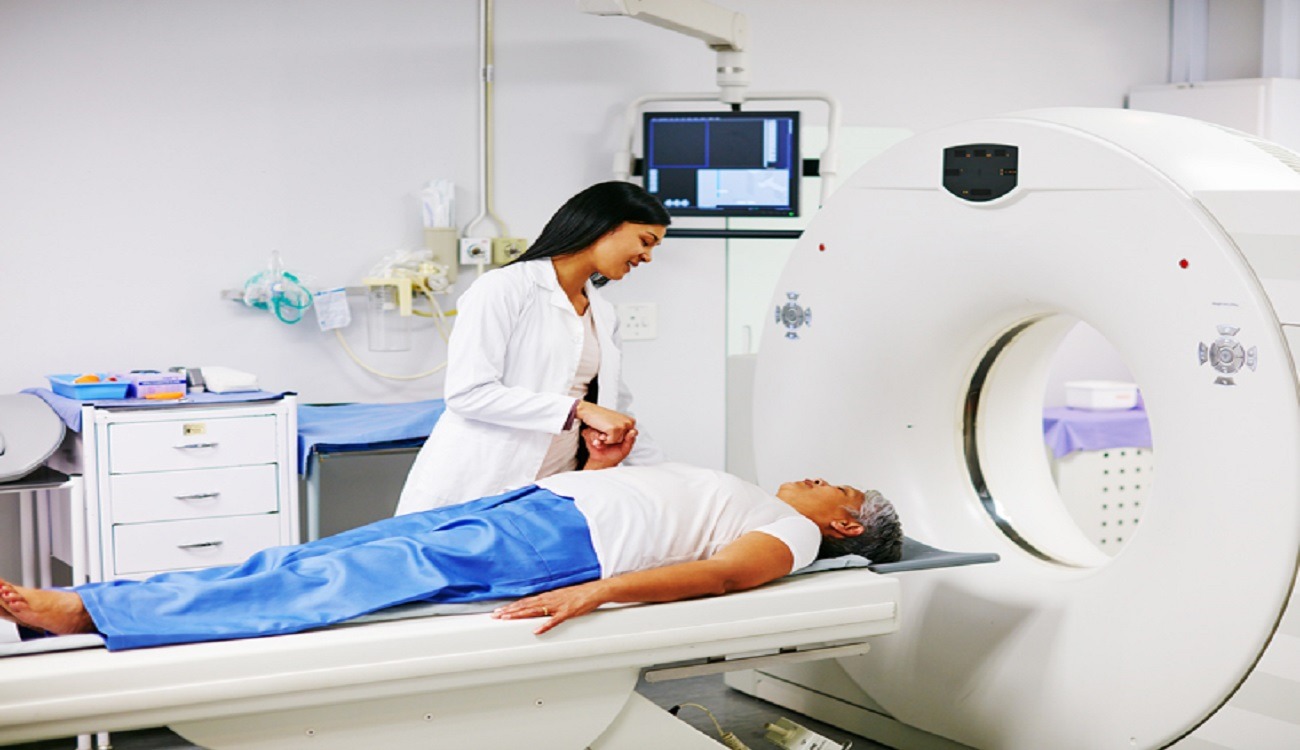
| CT angiography | Injection of contrast material through a vein and X-ray imaging. The need to fast and control the heart rate before imaging. | Less invasive than angiography, high-quality 3D images, no need for long-term hospitalization | X-ray radiation, possibility of reaction to the contrast material, less accurate than angiography, no possibility of simultaneous therapeutic intervention |
| Cardiac catheterization | Inserting a catheter into the heart to measure the pressure inside the heart cavities and checking the operation of the valves. The need to fast and preparation similar to angiography. | Possibility of simultaneous examination of valve function and intracardiac pressure, accurate diagnosis of heart failure | Invasiveness, complications similar to angiography, high cost, need for expertise and advanced equipment |
| Computed tomography angiography (CCTA) | Combination of CT scan and angiography with injection of contrast material. The need to control the heart rate and fasting. | 3D images with high resolution, simultaneous examination of cardiovascular anatomy, less invasive | X-ray radiation, limitation in the detection of mild seizures, no possibility of therapeutic intervention |
| Echo stress | Echocardiography before and after increasing the heart rate (with exercise or medication). The need to prepare for exercise or drug injection. | Evaluation of heart function under stress, diagnosis of ischemia, semi-invasive | Less accurate than invasive methods, dependence on expert skill, limitation in patients with inappropriate echo window |
Table 2: Non-invasive methods
| Method name | Preparation method Previous | Advantages | Disadvantages |
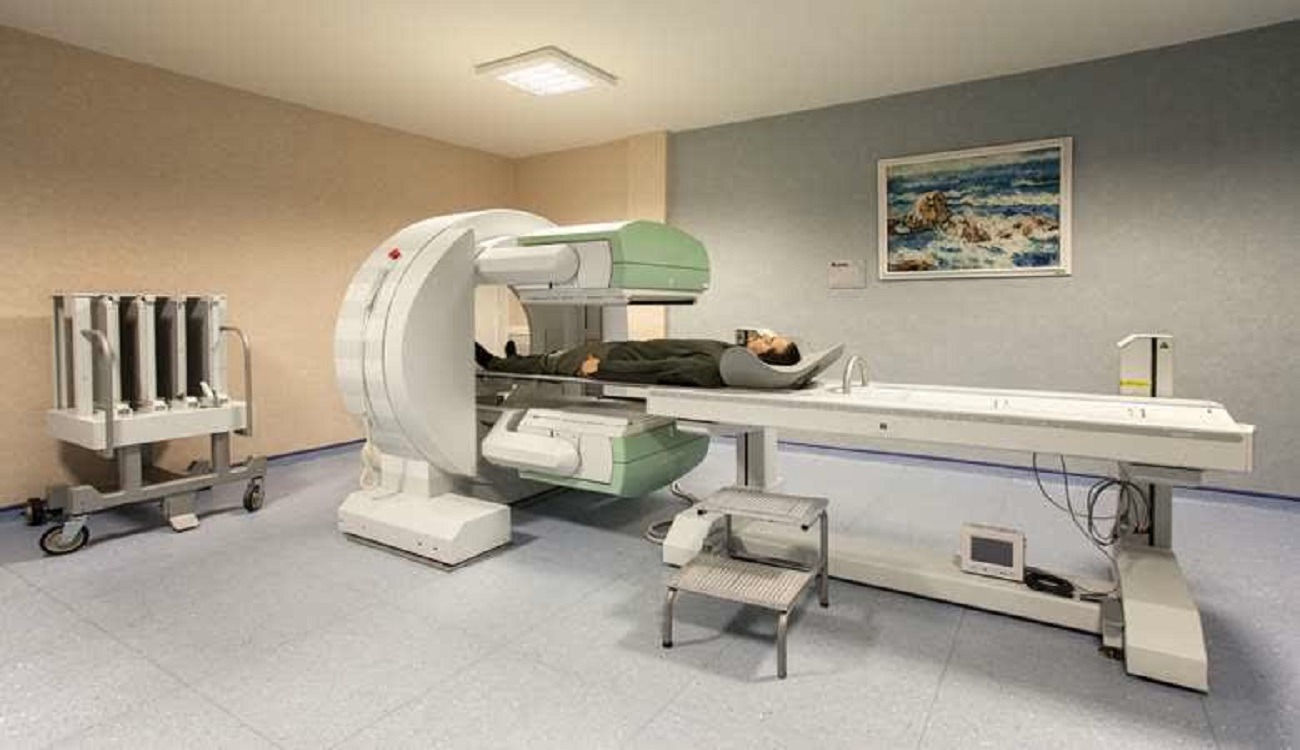
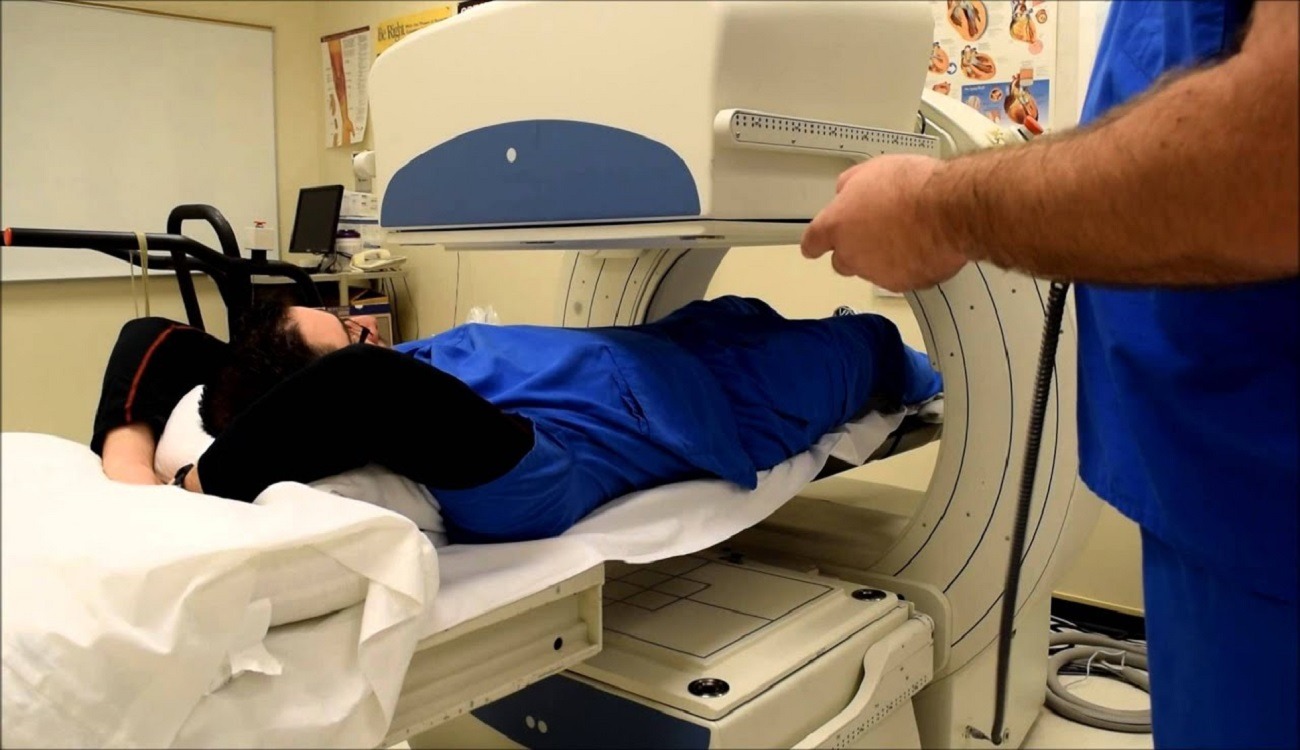
| Nuclear heart scan | Injection of radioactive material and imaging of the heart while resting and in activity. The need to fast and be ready for exercise. | Precise diagnosis of ischemic areas, myocardial perfusion, non-invasive | Irradiation of radioactive materials, time-consuming, high cost, less accuracy in detecting mild cramps |
| Exercise test (stress test) | Performing physical activity on a treadmill with a gradual increase in speed and incline with cardiac monitoring. The need for appropriate clothing and shoes. | Simple, cheap, available, examining the patient's exercise tolerance, non-invasive | Average sensitivity and specificity, false positive and negative results, limitations in patients unable to exercise |
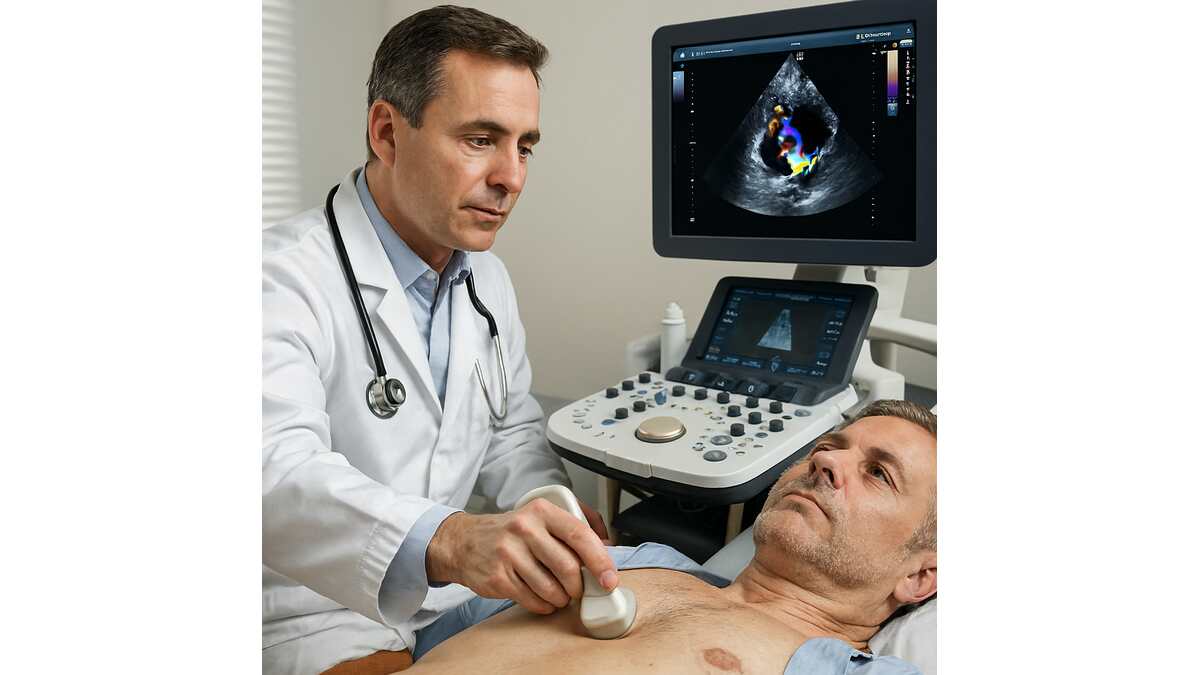
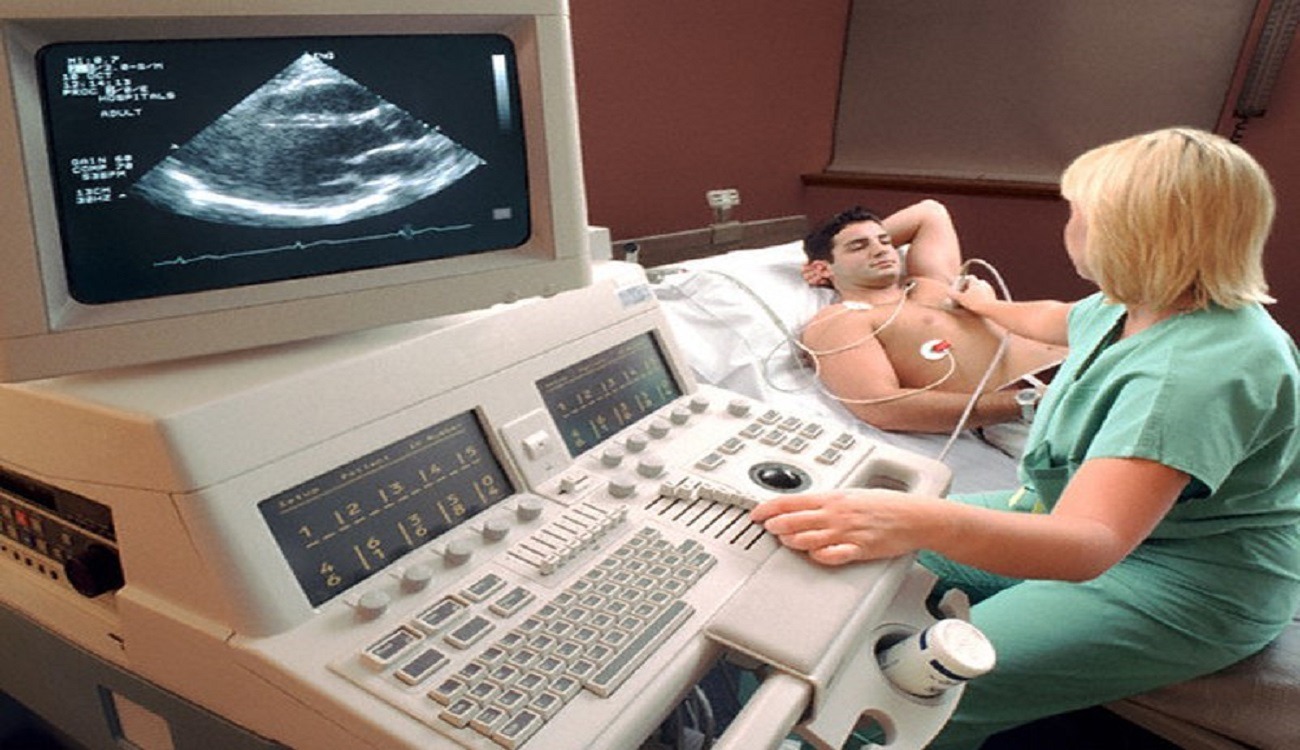
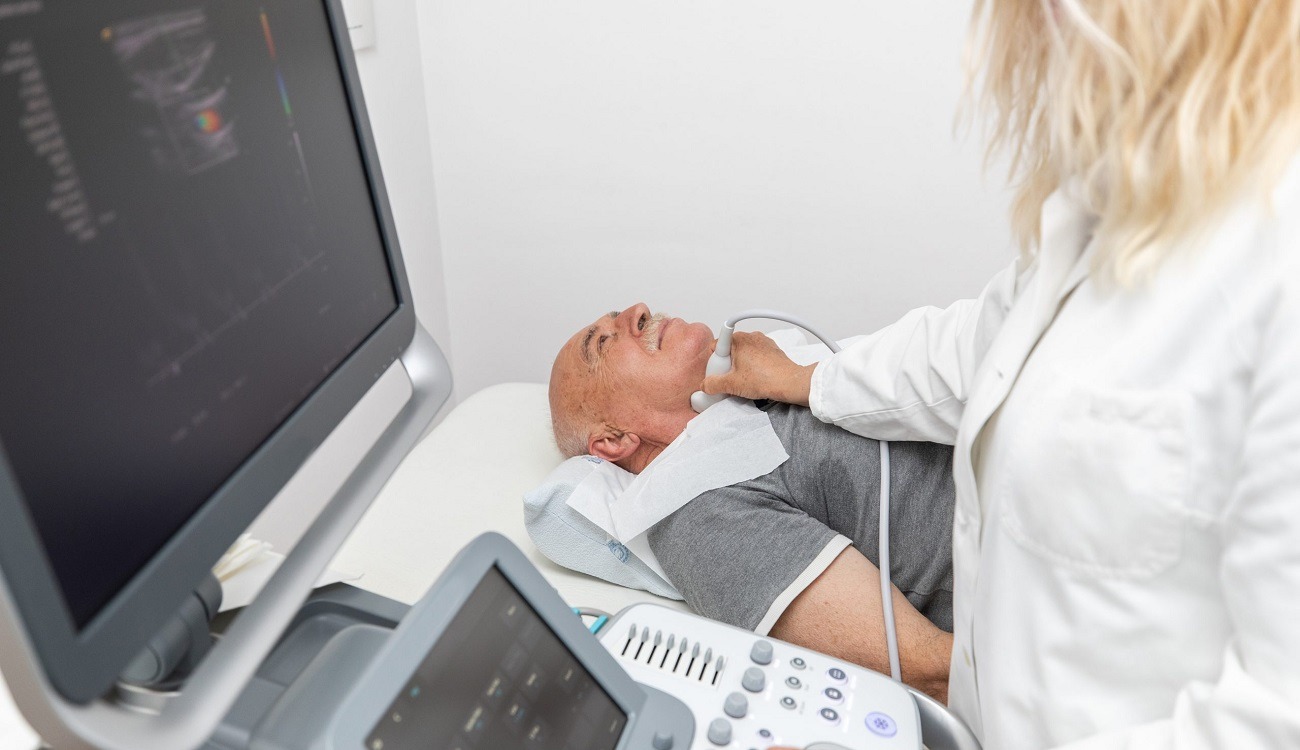
| Echocardiography | Use of sound waves to image the structure and function of the heart. No need for special preparation. | No complications, non-invasive, simultaneous examination of valve and heart muscle function | Limited in direct diagnosis of vascular occlusion, dependence on expert skill, limited in obese patients |
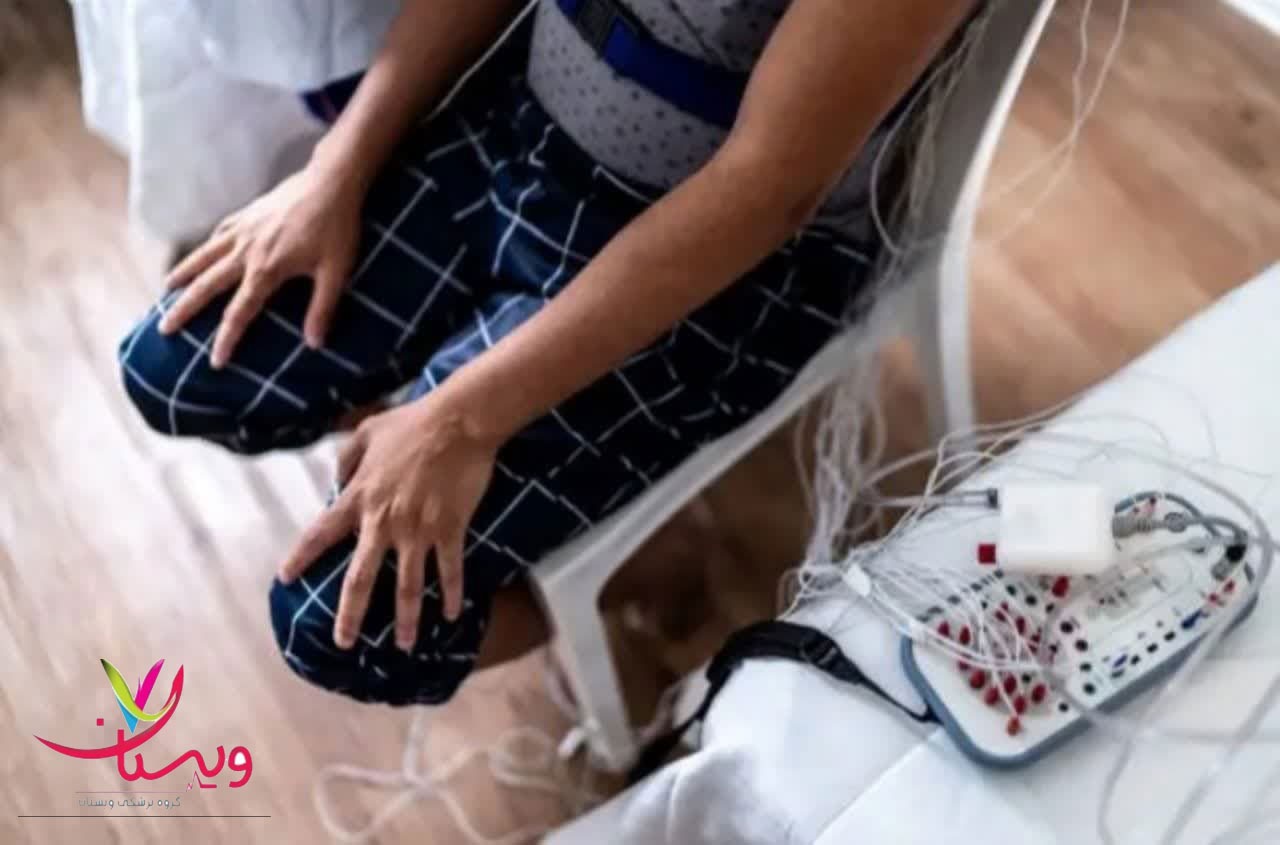
| Electrocardiogram (cardiac strip) | Registering the electrical activity of the heart with electrodes attached to the chest. No need for special preparation. | Quick, cheap, available, non-invasive, detection of arrhythmias and acute stroke | Low sensitivity in detecting blood clots, false negative results, no detection of mild blood clots |
| Doppler ultrasound | Using sound waves to check blood flow in the vessels. No need for special preparation. | Non-invasive, without complications, check the speed and pattern of blood flow | Limited in the examination of vessels, more suitable for peripheral vessels |
| Ankle-brachial index (ABI) | Comparison of upper and lower limb blood pressure. No need for special preparation. | Simple, cheap, non-invasive, diagnosis of peripheral vascular disease | Not directly diagnosing vascular occlusion, it is mostly used for peripheral vessels |
Ten frequently asked questions of patients regarding the diagnosis of coronary artery occlusion
1- What is the best way to detect the blockage of heart vessels?
Angiography is the most accurate and definitive diagnostic method that shows the state of the vessels directly by injecting contrast material and X-ray imaging.
2- Is it possible to diagnose coronary artery occlusion without angiography?
Yes, non-invasive methods such as nuclear heart scan, CT angiography, echocardiography and exercise test can show signs of blockage, but they do not have the certainty of angiography.
3- How does the exercise test help to diagnose the blockage of heart vessels?
In the exercise test, the heart is put under pressure, and if the arteries are clogged, symptoms such as chest pain, changes in the ECG, or a drop in blood pressure appear, which can indicate the blockage of the arteries.
4- How accurate is the nuclear heart scan in the diagnosis of coronary artery occlusion?
A nuclear scan can show areas of the heart with insufficient blood supply with about 85-90% accuracy, but may not detect mild blockages.
CT angiography is a less invasive procedure that provides high-quality three-dimensional images of the vessels, but is limited in detecting mild blockages or in people with high heart rates.
6- What are the symptoms that show that I should go to the doctor fordiagnosis of coronary artery blockage?
Warning signs include chest pain or pressure, shortness of breath especially when exercising, unusual fatigue, irregular heartbeat, and sometimes pain in the jaw, neck, or arm.7- Can a blood test help in diagnosing the blockage of heart vessels?
Blood tests alone cannot detect clogged arteries, but high levels of cholesterol, triglycerides, blood sugar, and certain inflammatory markers can indicate the risk of developing artery disease.
8- Is the diagnosis of heart vessel blockage different in women and men?
Yes, women may have more unusual symptoms such as severe fatigue, shortness of breath or pain in other parts of the body, and some diagnostic tests such as the exercise test may have more false positive results in women.
9- Is it more difficult to diagnose the blockage of heart vessels in diabetics?
Yes, people with diabetes may have fewer symptoms because diabetic neuropathy can reduce pain. Also, some tests such as the exercise test may be less useful in these people due to movement limitations or peripheral vascular problems.
10- What actions should be taken after diagnosis of heart vessel blockage?
Depending on the severity of the blockage, the doctor may recommend drug therapy, lifestyle changes, angioplasty and stenting, or in more severe cases, vascular bypass surgery. Regular follow-ups and control of risk factors are also very important.
Conclusion
Diagnosis of coronary artery blockage in time and accurately is a life-saving cornerstone in preventing a silent disaster called a heart attack. In this way, heart angiography as the gold standard and the most accurate method, provides a clear map of the condition of the coronary arteries. However, we should not forget that prevention always takes precedence over treatment.
Inclusion of 5 key nutritional pillars, fatty fish, colorful fruits and vegetables, nuts and seeds, whole grains and anti-inflammatory spices, in the daily diet is a powerful weapon to protect the vessels, fight inflammation and maintain the flexibility of the vessels. Combining diagnostic awareness with smart nutrition is the most powerful strategy for a healthy heart and a longer life. Your heart health starts with a conscious choice.