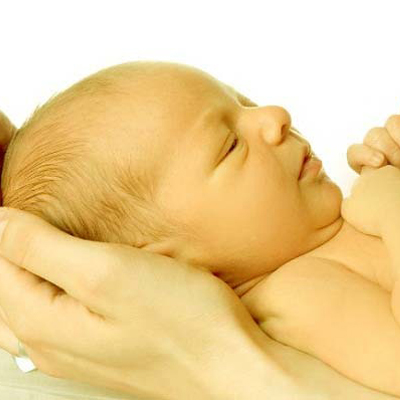


Baby jaundice is one of the most common problems in the first days of birth and many parents experience it. In most cases, newborn jaundice is normal, temporary and harmless and resolves without the need for special treatment. However, in some situations, jaundice can be a sign of a serious problem and, if neglected, can cause dangerous complications for the baby.
Knowing the dangerous symptoms of baby jaundice helps parents to go to the doctor at the right time and prevent serious and even permanent injuries. In this article, we fully explain what baby jaundice is, when it becomes dangerous, and what symptoms should not be ignored.
What is baby jaundice and why does it occur?
Jaundice of the baby is the yellowing of the skin and whiteness of the eyes, which occurs due to the increase of a substance called bilirubin in the baby's blood. Bilirubin is the result of the natural breakdown of red blood cells, and the liver is responsible for its removal.
In babies, especially in the first days of life, the liver is not yet fully developed and may not be able to excrete bilirubin properly. As a result, the level of bilirubin rises and jaundice appears.
The difference between normal jaundice and dangerous jaundice
Most babies suffer from physiological jaundice, which usually:
- Starts from the second or third day of birth
- Its severity is mild to moderate
- It gradually decreases during 1 to 2 weeks
But dangerous jaundice occurs when:
- appear very soon (within the first 24 hours of birth)
- Its intensity will increase quickly
- long term
- Be accompanied by unusual symptoms
In such a situation, an immediate examination by a pediatrician is necessary.

Dangerous symptoms of baby jaundice
Parents should be sensitive to some warning signs. Observing any of the following symptoms can be a sign of severe or abnormal jaundice:
1. Jaundice in the first 24 hours after birth
If the baby's jaundice appears on the first day of birth, it is not normal and can be a sign of blood incompatibility, infection or underlying diseases.
2. Severe and extensive yellowing of the skin
Jaundice that is not limited to the face and spreads from the face to the chest, abdomen, arms and legs can be a sign of high bilirubin.
3. Very intense yellowness of the whites of the eyes
Clear and intense yellowing of the whites of the eyes is one of the important signs of severe jaundice that should not be ignored.
4. Abnormal lethargy and sleepiness
A baby who is overly sleepy, has difficulty waking up, or is unresponsive to the environment may have dangerous jaundice.
5. Reduce or stop feeding
A baby who shows little desire to breastfeed, sucks poorly, or has decreased frequency of feedings needs immediate evaluation.
6. The following and unusual cries
Sharp, loud or unusual cries can be a sign of the effect of severe jaundice on the baby's nervous system.
7. Darkening of urine
Baby's urine should normally be colorless or very light yellow. Dark urine can be a sign of abnormal jaundice or liver problems.
8. Colorless or gray stool
The baby's stool should have a natural color. Very light or colorless stool can be a sign of bilirubin excretion disorder.
Why is severe jaundice dangerous?
If the bilirubin level increases too much and is not treated in time, it may enter the baby's brain and cause a serious complication called craniocerebrospinal fluid. This situation can lead to:
- Permanent brain damage
- Hearing disorders
- Movement problems
- Growth retardation
- And in severe cases, death
The good news is that with early detection, severe jaundice is completely treatable.

Babies at higher risk of severe jaundice
Some babies are more susceptible to dangerous jaundice than others, including:
- Premature babies
- Babies with low birth weight
- Mother and baby blood type incompatibility
- History of severe jaundice in a previous child
- Inadequate feeding with breast milk
- Presence of infection or underlying diseases
In these babies, it is more important to monitor closely and see a doctor sooner.
How is dangerous jaundice diagnosed?
Determining the severity of jaundice is not enough just by looking at the baby's skin. Pediatrician uses the following methods:
- Measuring jaundice with a special device on the skin
- Blood test to accurately determine the level of bilirubin
Based on the baby's age, weight and bilirubin level, a decision is made about the need for treatment.
Treatment of severe baby jaundice
Jaundice treatment depends on its severity and may include:
- Increasing the frequency of baby feeding
- Phototherapy (light therapy), which is a safe and effective method
- In rare cases, blood exchange
Treatment must be done under the supervision of a doctor and home and non-scientific methods should be avoided.
The role of parents in preventing complications of jaundice
Parents play an important role in early detection of dangerous jaundice. Important actions include:
- Attention to the color of the baby's skin and eyes
- Investigation of behavior, sleep and nutrition of infants
- See a doctor if you notice any unusual symptoms
- follow up and perform the recommended tests
According to Dr. Combs Herman Moghadam, pediatrician, any suspicion of severe jaundice should be taken seriously and medical examination should not be postponed.
Summary
Jaundice in babies is normal and harmless in most cases, but sometimes it can be a sign of a serious problem. Recognizing the dangerous symptoms of jaundice in a baby, seeing a doctor in time and doing the right treatment play a key role in preventing dangerous and permanent complications. Parents' awareness is the most important factor in maintaining the baby's health in the first critical days of life.