AIDS symptoms in women; How is HIV in women?
Table of contents:
- AIDS symptoms in women
- Cold symptoms
- Swollen lymph nodes
- Rapid weight loss
- Mood changes
- Skin changes
- Changes in menstruation
- During Menstruation and nocturnal infection
- Sweat
- Muscle pain
- Causes of HIV infection in women
- AIDS prevention methods in women
- Final speech
- Frequently asked questions
AIDS symptoms in women
Just a few weeks after HIV enters the body, the virus rapidly multiplies in the body and causes a flu-like illness. After this initial period, the symptoms usually increase and if the person is not treated, they will continue to experience the symptoms.
Learn more: What is AIDS?
Learn more: What are the symptoms of AIDS in men?
symptoms similar to a cold
After 2 to 4 weeks of being infected with HIV, the first symptoms appear and usually last from 1 week to 1 month... Since these symptoms are similar to cold and flu symptoms, a person may not notice AIDS at first.... In the following, you can learn about the most common symptoms of AIDS, which are similar to a cold.
- Feeling tired
- Headache
- Low grade fever
- Cough
- Sneezing
- Runny nose or congestion
If you have such symptoms, you can consult an infectious disease doctor online, and if necessary, you can visit an infectious disease specialist in Tehran and other cities in person.
Swelling of lymph nodes
Many women with AIDS also experience symptoms such as swollen lymph nodes.... In this condition, the neck area just below the jaw and behind the ear swells.... This swelling usually lasts from a few days to fifteen months.
Fast weight loss
Another symptom of AIDS in women is rapid weight loss.... If a person infected with HIV is not treated, this virus causes nausea, diarrhea, food absorption and loss of appetite, and the patient experiences rapid weight loss.
Mood changes
Sometimes the progress of HIV in women causes mood changes and neurological disorders in people.... Evidence shows that these problems are usually more in women.... The most common of these problems are depression, feelings of hopelessness, intense sadness, as well as stress and memory loss.
Skin changes
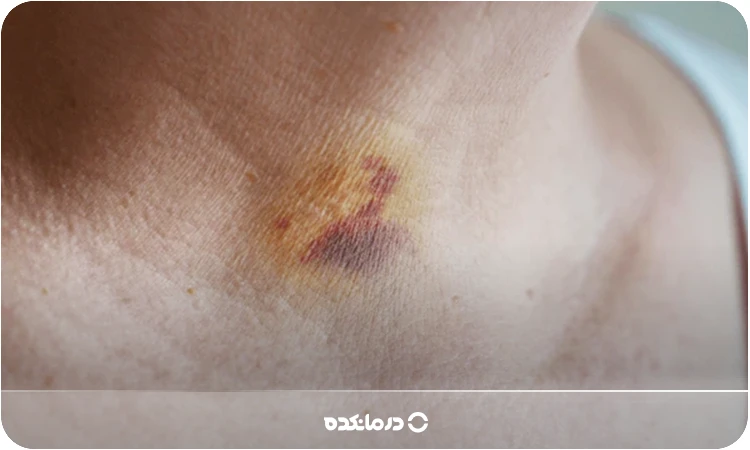
HIV causes abnormal spots on the skin in women....these spots are sometimes red and pink, and sometimes they appear in brown and purple colors....these spots may appear inside the mouth, on the eyelids or on the nose....sores in the mouth, genital area, and anus are also other skin problems that occur in people with AIDS.
Menstrual changes
Some women with AIDS notice changes in their menstrual habits and experience heavy or very light bleeding when they are menstruating. Usually, people who experience rapid weight loss may not have a period for months.. Hormonal fluctuations in people with AIDS cause changes and exacerbation of menstrual symptoms, and for this reason, these people may experience more severe symptoms such as abdominal pain, breast tenderness, and fatigue.
Learn more: What is rheumatic fever?
fungal infection
HIV increases the risk of vaginal yeast infections in women.... Although all women may get yeast infections from time to time, this problem is much more common in women with AIDS... When a person gets AIDS, the body's immune system spends a lot of energy to respond to the virus.
- Burning inside and around the vagina
- Pain during intercourse
- Painful urination
- Thick and white vaginal discharge
Fever and night sweats
Some people with AIDS experience night sweats for the first time in the first months.... This is because the body is fighting the infection while sleeping.... In this situation, a person may experience a fever of about 38 degrees with sweating.
Learn more: The most common way of transmitting AIDS in Iran
Muscle pain
Another of the most problematic symptoms of AIDS in women is muscle and muscle pain, which usually begins in the first few weeks of infection. Muscle and muscle pain at the beginning of AIDS is very similar to the flu.
The cause of HIV infection in women
In general, the HIV virus is transmitted from one person to another through body fluids such as blood, semen, vaginal fluids, rectal fluids, and breast milk... You can learn more about the most common ways of transmitting AIDS in women.
- Having unprotected sex
- Using shared syringes for injecting drugs or getting tattoos
- Using an HIV-infected needle
- Putting HIV-infected blood, sperm, or secretions into an open wound
- Injecting HIV-infected blood into the mother's breast or AIDS
- Injecting HIV-infected blood Chest
- to my dear
Learn more: What is Kern Ikteros?
Methods to prevent AIDS in women
Maintaining women's health to fight AIDS is the first way to prevent it.... Since the HIV virus is transmitted through bodily fluids, the most common way of transmission is through unprotected sex..
Concluding remarks
AIDS is a dangerous disease that can threaten the life of the person and the people around him if not treated on time.. It is better to know that there is no specific treatment for this disease, but the use of some drugs prevents the multiplication of the virus as well as its transmission to other people and helps the person to experience a normal life without symptoms of the disease... href="https://gcorp> LLC helps you consult doctors online and start your treatment after doing the necessary tests.
Frequently Asked Questions
If the spouse of a person with AIDS uses HIV drugs on a daily or monthly basis, the virus is suppressed and not transmitted... However, it is recommended that these people use condoms during sex.
Statistics show that about 1.2 million people worldwide have AIDS, of which 60% are men and 40% are women.. AIDS?
Although HIV and AIDS are often used interchangeably, the truth is that if a person is treated after the virus enters a person's HIV, their disease may never progress and they may not develop AIDS... But AIDS actually occurs when Let the virus damage the immune system and threaten the person's life.
Sources: Healthline, Metropolisindia, webmd
Was this article useful for you?
![Which fruit increases blood pressure [high and low]? 18 effective fruits](/storage/posts/covers/2026_01_08/ef00bb701cbb99e90a24ba8d73265ba4c08936335e859a33b69553f5c5e737a2.webp)

![For whom is rhinoplasty dangerous? [10 groups+cause+solution]](/storage/posts/covers/2026_01_06/3e06a993c87e243daaf67dc69ac3e484d377b2708c93656820e0084ea4f080d6.webp)
![What fruits have vitamin B12? [13 fruits + consumption tips]](/storage/posts/covers/2026_01_06/dfaeceb7cb9a203805aeba8715bf7cdea6f5cb2b5b9314e1898807545e874bb1.webp)
![Is nasal massage necessary after surgery? [Training + 5 effective benefits]](/storage/posts/covers/2026_01_06/1f2686c8d522130d256828a51d7d46594dbde31ec2253325e6a8a38f04094789.webp)
![The best drops to reduce eye pressure [14 powerful drugs + method of administration]](/storage/posts/covers/2026_01_06/0177c50098eb80d878d1c883d09ae31ad2f489b17e1288f52018e3f8ef213e5f.webp)
![What is hair filler? [9 benefits, how to inject + durability of hair filler]](/storage/posts/covers/2026_01_06/c21c5e1ff48e9af8214111dfe0b867586f298e3d74a95fadda02b0b04df12598.webp)
![The strongest antibiotic for tonsil infection [7 drugs + method of administration]](/storage/posts/covers/2026_01_06/7b5adf6bb8cf556824d96570b6adba58f824b3a7f248993cfaafb73c0b5b8610.webp)
![Garlic pills for weight loss [4 effective benefits and side effects + how to use]](/storage/posts/covers/2026_01_06/c49f08b482d5860218c8635e48194a50f2ed48b51ef15925aa2d73d8393ff3ab.webp)
![What foods increase eye pressure? [8 harmful foods and drinks]](/storage/posts/covers/2026_01_06/52929c4d1b9ed7916d3fc5a8e45060479fb186f332dd217e68905f71f89a33f0.webp)
![What foods lower eye pressure? [18 useful foods]](/storage/posts/covers/2026_01_06/f180eb15f8e64fc9b386f9d5dc7936a5e416af36032be3bdcdf9054925a21d43.webp)
![itchy scalp; 18 causes [medical treatment + 11 home remedies]](/storage/posts/covers/2026_01_06/a1e116ec1c6243fd5c4e6fb951da5cb33bbd92a09c44e29b845852a86f550681.webp)
![What is intestinal colitis and what are its symptoms? [3 causes + definitive treatment]](/storage/posts/covers/2026_01_06/d3384e9221c036ff3eb447c69ffabb109dd6c0c35f5e5f0af775c4545cfd7ea5.webp)
![The best pills for irritable bowel syndrome [10 powerful drugs]](/storage/posts/covers/2026_01_06/70f02d6808fab88d67b0c6734a623e5e71982d323dbd2fb8158c29669849b813.webp)