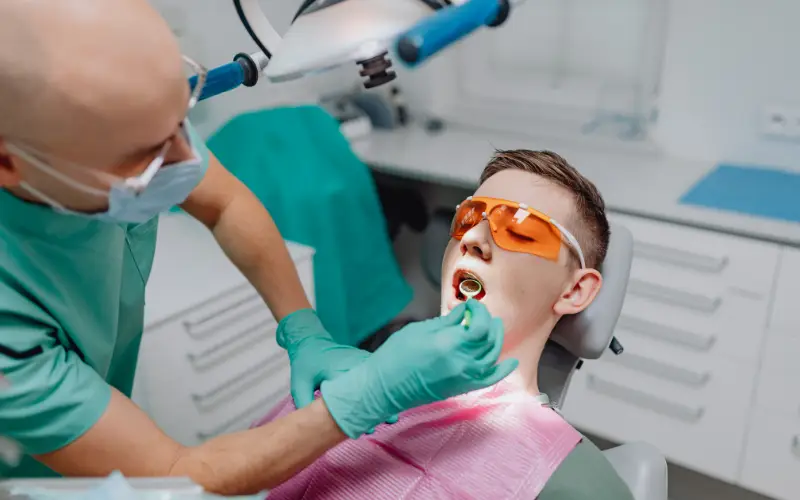
Damage to the dental implant Causes, symptoms and expert solutions

Dr. Sajjad Zafari
سنندجdentist
Damage of dental implant Causes, Symptoms and Expert Solutions
Category: TutorialsNo Opinion on dental implant damage Reasons, symptoms and specialized solutions Published on November 3, 1404 Last update: November 3, 1404 According to the American Association of Oral, Maxillofacial Surgeons, the success of this method is reported to be more than 95%. However, there is a possibility of problems or failure of the implant in some cases. In the following, we will discuss the damage of the dental implant.
Effective and influential factors in dental implant damage
Implants are usually stable, but a combination of local, systemic, and behavioral factors can increase the risk of failure or failure.
Factors related to gum and bone health
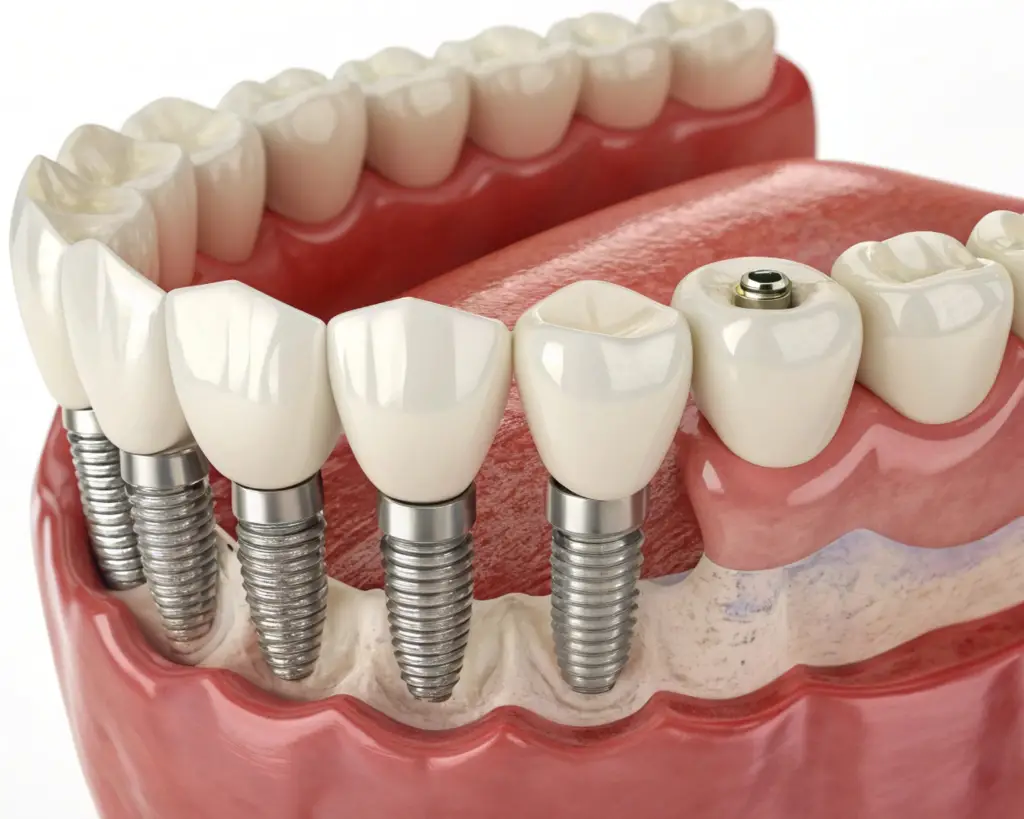
- Peri-implantitis and gingivitis: Infection around the implant causes bone loss and loosening of the fixture.
- Lack of jaw bone quality or volume: insufficient bone or low density reduces the chances of successful osseointegration.
Factors related to design and implementation
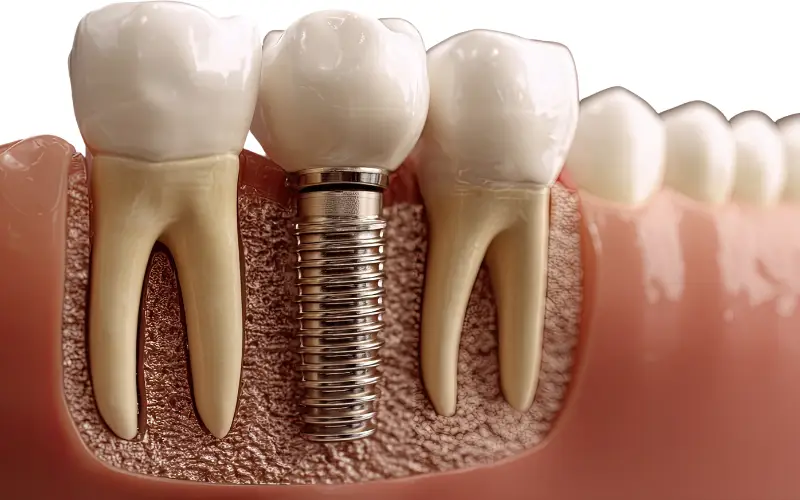
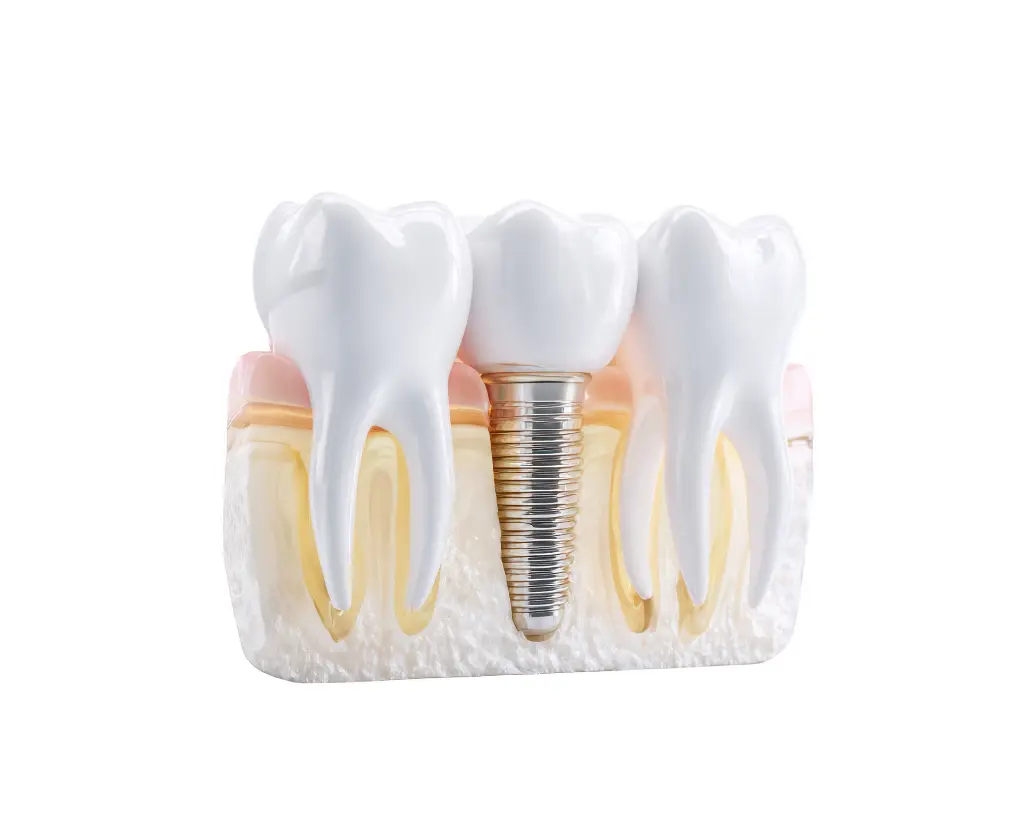
- Improper placement of the implant: Incorrect angle or depth creates unnatural loading and unbalanced forces.
- Prosthetic quality and connecting components: low-quality parts or incorrect installation will cause the screws to loosen and the prosthesis to fail.
- Premature or excessive loading: Imposing masticatory forces before complete bone fusion increases the risk of fracture.
Medical and systemic factors of the patient
- Uncontrolled systemic diseases such as uncontrolled diabetes or autoimmune diseases that impair bone repair.
- use of bone-affecting drugs such as some bisphosphonates which alter the process of bone regeneration
Behavioral and health factors
- Poor oral hygiene and plaque accumulation: increasing the risk of inflammation and infection around the implant and causing damage to the dental implant.
- Cigarette and hookah: reduction of local blood supply and disruption of bone repair.
- Damaging dental habits such as teeth grinding or chewing on hard objects that create insufficient and frequent load on the implant.
Factors related to infection and surgery
- Inadequate infection control during or after surgery: Contamination of the surgical area or inadequate post-operative care can lead to implant failure.
- Insufficient experience of the surgeon or treatment team: incomplete implementation of surgical and prosthetic protocols increases the possibility of complications.
Signs and symptoms of dental implant failure
The question of many clients is whether the dental implant is damaged? Yes, but by following some basic hygiene tips, you can prevent the damage of your dental implant. In the following, we will discuss the signs and symptoms of dental implant damage:

- Persistent or increased pain at the implant site that does not decrease or worsens after the initial healing period (several weeks to several months)
- swelling or severe redness of the gums around the fixture or the implant site with signs of inflammation.
- The discharge of pus or an unpleasant smell from the implant site indicates a possible infection.
- looseness or movement of implant prosthesis/fixture; A healthy implant should be firmly fixed in the bone, and any movement is a sign of ossification or non-fusion problems.
- Continuous or abnormal gum bleeding around the implant when brushing or applying light pressure.
- Gingival receding or showing more length of the fixture than in the early days, which indicates bone or gum loss.
- pain when chewing or change in bite pattern that did not exist before and is associated with the use of implants.
- Fever, feeling of general illness or swelling of lymph nodes in addition to local symptoms that can be a sign of systemic infection.
Ways and methods of preventing dental implant damage
Preventing dental implant damage by complying with
Regular visits to the dentist and specialized checkups
Periodical examinations and professional cleaning (special implant mass measurement) allow early detection of inflammation or bone loss and prevent the development of problems.
Control of systemic diseases and drugs
Careful management of diabetes, autoimmune diseases, and informing the surgeon about medications affecting bone (such as bisphosphonates) increase the chance of successful osseointegration.
Observe loading schedule and avoid premature loading
Following the dentist's recommendations about the time to place the permanent prosthesis and avoiding strong chewing forces in the early stages will prevent implant failure.
Timely treatment of inflammation or infection
Any redness, bleeding or discharge around the implant should be investigated and treated quickly to prevent bone loss and dental implant failure.
Protection against impact and excessive pressure
Using a night guard in case of grinding teeth, avoiding chewing hard objects and avoiding opening packages with teeth will reduce harmful pressure.

Pre-surgical evaluation and improvement of bone quality if needed
If there is a defect in bone volume or quality, performing a bone graft or using auxiliary methods before implant implantation will reduce the risk of dental implant damage.
Who are good candidates for dental implants?
Who are dental implants suitable for? Is it? People who are in stable condition in terms of general health and have healthy or repairable gums and jawbone are suitable candidates for dental implants; In particular, adults who have one or more missing teeth, have acceptable oral hygiene, controlled systemic diseases (such as controlled diabetes) and do not smoke or want to quit, can benefit from implants.The best dental implant center in Sanandaj
Dr. Sajjad Zafari's specialized dental implant and cosmetic practice in Sanandaj focuses on reliable implants, precise prostheses and post-treatment care, offering a combination of clinical experience and modern equipment for painless and durable treatments; If you are looking for the best implant office in Sanandaj with reliable results and client satisfaction, Dr. Sajjad Zafari's office is considered a professional and accessible option.
Share Write your opinion Cancel Answer Read more
Steps of tooth denervation; From diagnosis to final restoration
The stages of tooth extraction or root canal therapy are one of the most accurate and effective methods of preserving natural teeth; However, the fear of pain or insufficient information makes many patients refuse to visit and as a result, instead of timely treatment, they end up with more serious complications such as tooth loss or the spread of infection [...]
The best way to correct teeth
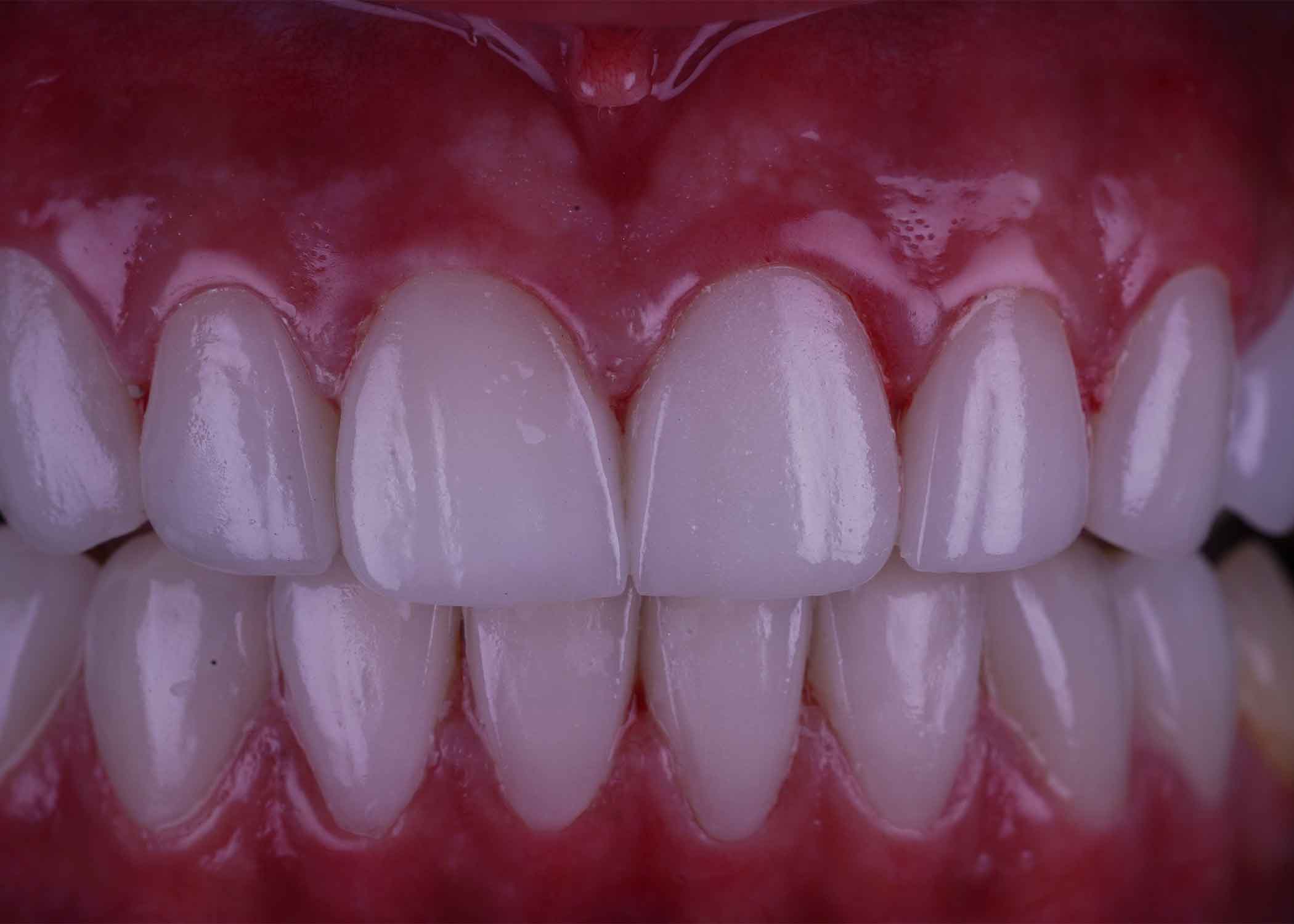
The best method to correct teeth and beautify teeth The best method to correct teeth and beautify teeth Correcting and beautifying teeth is very important, because healthy and beautiful teeth not only add charm to your appearance, but also help improve your overall health. But to correct and beautify the teeth, [...]
Care after gum surgery | Special solutions
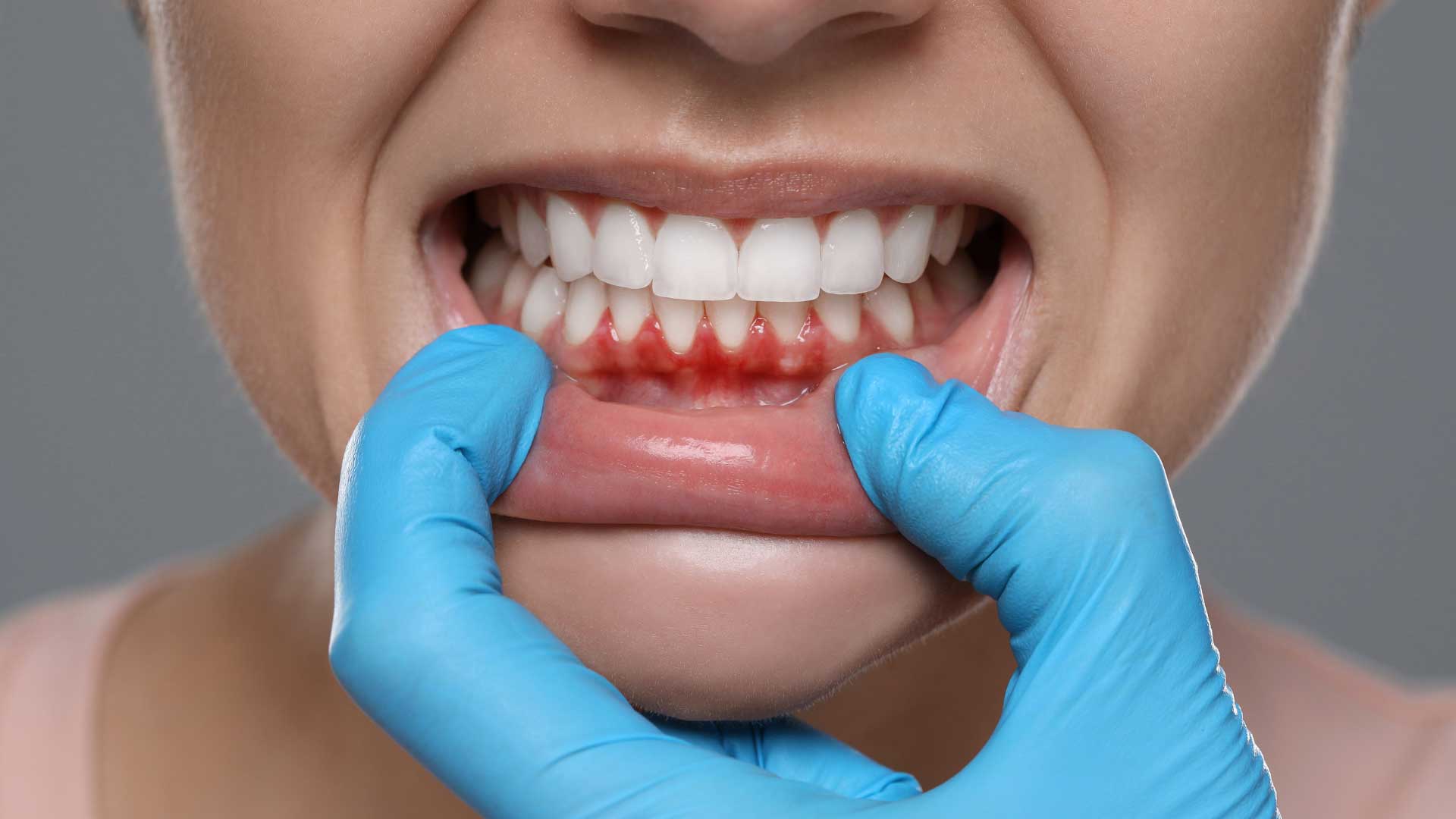
Gum surgery is one of the important treatment methods to improve oral health, control gum diseases and sometimes restore lost tissues, which can prevent infection and other diseases with post-gum surgery care. In the following, we have discussed the recommendations after gum surgery. The goal of gum surgery [...]

Next What to eat from the implant? Proper nutrition list
What should we eat after the implant? Dental implant is a method of replacing lost teeth, which is done with titanium plates in a period of 3-4 months at the discretion of the dentist. This method is the most up-to-date treatment for replacing missing teeth. Continue to check that after [...]