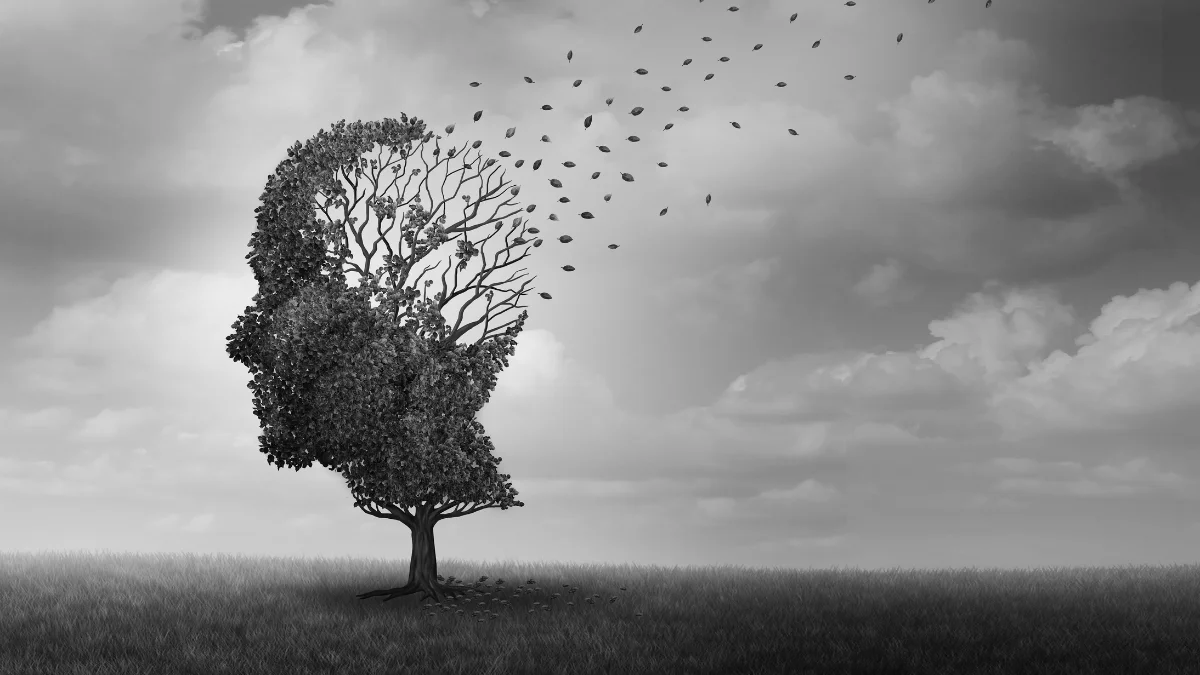

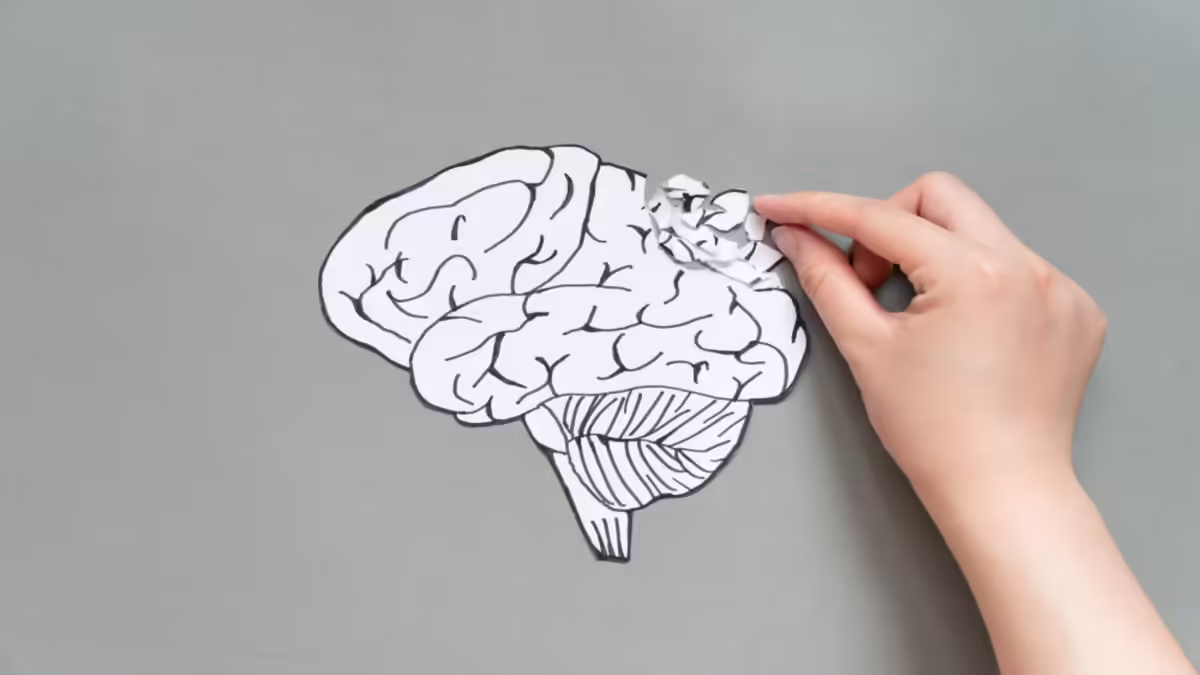
مغز انسان، با پیچیدگیهای شگرف خود، همواره یکی از موضوعات جذاب علم پزشکی و علوم اعصاب بوده است. This vital organ is amazingly capable of repairing itself and reacting to damage. Repair of the brain and its reconstruction is possible through processes such as neuroplasticity (Neuroplasticity). Neuroplasticity means the brain's ability to change and regenerate itself through changes in the structure and function of nerve cells. In the rest of this article, we will review these processes, related medical services, and new developments in this field. Stay with us.
Related services: EEG, RTMS
In line with the diagnosis and treatment of brain injuries and disorders, there are various methods that can help improve brain function. In the following, we introduce some of these methods.
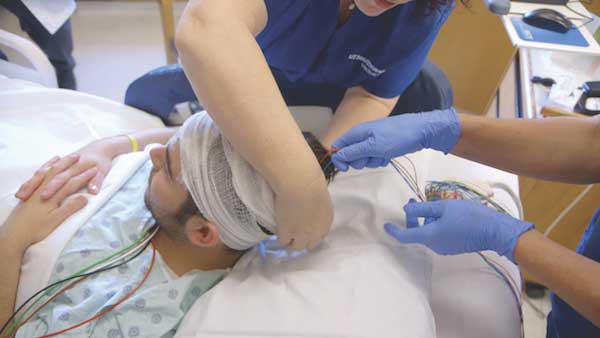
brain tape (EEG)
brain tape, formally known as electroencephalogram (EEG), is a non-invasive method of recording It is the electrical activity of the brain. This technique uses electrodes placed on the scalp and allows doctors to detect brain abnormalities. This method is especially useful for diagnosing disorders such as epilepsy, brain injurieszi, sleep problems, and some neurological disorders. Also, EEG can be useful in monitoring a patient's recovery after brain injuries or neurological diseases. This method allows accurate assessment of brain activity in real time.
RTMS
Transcranial Magnetic Stimulation (RTMS)is a non-invasive treatment method that uses magnetic fields to stimulate the activity of brain neurons. This method is used to treat problems such as depression, anxiety, movement disorders, and some cognitive disorders. Research has shown that magnetic stimulation can help improve brain activity and increase brain repair capacity. Especially in diseases such as treatment-resistant depression, RTMS can be used as an effective method.
natural brain repair mechanisms
The human brain naturally has amazing abilities to repair and regenerate. These processes are mainly carried out through a phenomenon called neuroplasticity. Neuroplasticity allows the brain to adapt its structure and function after injury or disease. In many situations, this ability can help rebuild nerve pathways and even create new nerve cells.
A prominent example of neuroplasticity is the brain's ability to repair damage caused by a stroke. When a stroke occurs, part of the brain may be damaged, but in many cases, other parts can take over the function of the damaged part. This process allows the brain to maintain its function to a large extent even under difficult conditions.The role of medical services in pursuing the improvement of brain function
Medical services play a very important role, especially in the diagnosis and treatment of brain injuries and neurological disorders. Neurologists can help identify brain problems by using advanced methods such as EEG and brain MRI. These methods also examine brain function and track the patient's recovery process during various treatments. Techniques such as RTMS and other magnetic stimulation therapies are other useful tools in brain rehabilitation. By stimulating neurons and strengthening neural activity, these methods can help the brain in its repair and regeneration process.
Using brain scans to monitor recovery
Encephalogram (EEG) One of the valuable methods for monitoring the improvement of brain function. This method allows doctors to observe changes in brain activity in real time and determine whether the brain is recovering or not. This information can help doctors evaluate the effectiveness of treatments and allow them to adjust a more optimal treatment plan.
magnetic brain stimulation for neurological rehabilitation
Transcranial magnetic stimulation (RTMS) is not only useful in the treatment of neurological disorders, but is also used as a tool to enhance brain function. By stimulating certain areas of the brain, this method can help increase concentration, memory and cognitive abilities. In fact, some studies have shown that RTMS can also help improve performance in healthy people, especially when a person is under mental strain or extreme stress. This method improves neuronal communication and increases the flexibility of the brain, which can have a positive effect on people's daily performance. Also, in some cases, this technique is recommended as a preventive method to maintain brain health and prevent possible damage in the future.
Effective factors on brain repair
There are several effective factors in the brain repair process that can help accelerate brain recovery. These factors can accelerate the recovery process by improving the general health of the body and increasing blood flow to the brain. Some effective factors in brain repair are:
- proper nutrition; Certain nutrients such as omega-3 fatty acids, antioxidants and vitamins can help maintain the health of nerve cells and boost the brain's ability to repair itself. These substances can also prevent brain inflammation and help improve memory and concentration.
- sports; Regular exercise increases blood flow to the brain, and this can improve brain function and strengthen neural regeneration processes. Also, physical activity produces brain growth factors that help the growth of new nerve cells.
- sleep; Adequate sleep plays an important role in improving brain function. During sleep, the brain processes and stores information, as well as repair processes. Sleep allows the brain to consolidate new memories and repair damaged brain tissue.

Scientific advances in accelerating brain repair
In addition to the use of stem cells, other treatments are widely being developed to help repair the brain and regenerate damaged neural tissue. One of these methods is the use of new technologies to stimulate the growth of neurons through specific proteins and molecules that accelerate the brain regeneration process. Also, evidence shows that genetic therapies and gene editing can help regenerate brain tissue and treat neurological disorders. These developments are promising and in the future may play a big role in the treatment of diseases such as target="_blank" rel="noopener">Alzheimer's, Parkinson's and brain injuries 400;"> perform.
Conclusion
The human brain has amazing abilities to restore and regenerate itself. Methods such as encephalogram (EEG) and brain MRI, allow doctors neurologist to identify injuries and neurological diseases and follow the process of brain recovery. Brain imaging is a powerful tool for identifying abnormalities and brain injuries, which helps in faster and more accurate treatment. Treatments such as transcranial magnetic stimulation (RTMS) can also help improve brain function, accelerate cellular repair, and regenerate neural tissue.
Different factors such as proper nutrition, regular exercise, sufficient sleep and stress reduction can accelerate the process of brain repair and treatment neuropathy. Scientific advances have also helped to improve treatments and accelerate the brain regeneration process, giving new hope for the treatment of neurological diseases and brain injuries.