

در دنیای امروز با پیشرفت در حوزهی روانشناسی و آموزش، توجه ویژهای به کودکان با نیازهای ویژه و بهویژه کودکان دیرآموز شده است. Parents, teachers and society are always faced with the question of whether late learning children go to exceptional school or not. The answer to this question requires a detailed knowledge of educational, psychological and social concepts.
Why is the issue of "Do late learners go to exceptional schools" important?
In recent years, with the growing awareness of individual differences in learning, the importance of examining the special conditions of late learning children has increased. One of the most frequently asked questions by parents and teachers is: Do late-learning children go to exceptional schools? There are various discussions about this. Some believe that if a child is behind in learning, the best route is an exceptional school; Others believe that appropriate interventions in the normal school are sufficient. The exact answer to this question requires the examination of several basic axes:
-
Investigating support options available in regular schools such as accompanying teacher or compensation programs.
The goal is that with the help of the Del Ara Clinic, parents can find a logical and informed answer to the repeated question "Do late-grading children go to exceptional schools".
The definition of "late learning children" and their cognitive and educational coordinates
In order to be able to give a clear answer to the question "Do late learning children go to exceptional school", we need to first know who are late learning children. According to the definitions of educational psychology, late learning children are those who relative to their chronological age in areas such as reading, writing, mathematics or comprehension and thinking skills; So that this delay can be identified in the child's academic, psychological and social performance.
-
Delays in basic skills: such as the ability to recognize letters or solve simple math problems.
-
Attention and concentration problems: which hinders regular learning in the classroom.
-
Slow processing of new information: causes the child to always fall behind.
If these characteristics persist, the family may decide "do late learners go to exceptional school"? But before the final action, usually in clinics like Del Ara, evaluations are done to clarify the severity of the delay, mental capacity and response of the child to the initial interventions.

Decision criteria for exceptional school
When families ask "should late learners go to a special school", they need to know on what basis this decision is made. The important criteria are:
-
Formal measurement through psychometric and educational tests (such as WISC tests or standardized tests of learning)
-
Evaluation of child behavior and performance in normal class
-
Consultation with teachers, psychologist and educational consultant
-
Measuring the possibility of providing support interventions in normal schools (such as accompanying teacher or specialized teacher)
If the results show that late learning children cannot succeed in regular school despite all appropriate interventions, the option of "exceptional school" is proposed. Of course, at the Del Ara Clinic, it is emphasized that the first step is always interventions in the normal environment and using additional educational services.
Advantages and limitations of special schools for late learning children
In answering the question "should late learners go to a special school", we need to consider the pros and cons of this option. The benefits of exceptional schools include:
-
Individual training or small and specialized groups
-
Using unique educational and psychological support programs
-
providing an environment without the usual social pressures of normal schools
But these schools also have limitations: -
Social separation from peers and the possibility of feeling different
-
There may be less access to multiple resources than regular schools
In summary, although special schools are effective in providing support, the decision to go to "should late learning children go to a special school" should be made carefully and with the advice of Del Ara Clinic professionals.
Alternative educational interventions before making a definitive decision
The question "Do late learners go to a special school" always starts with the steps that are taken before going to a special school. Alternative interventions are:
-
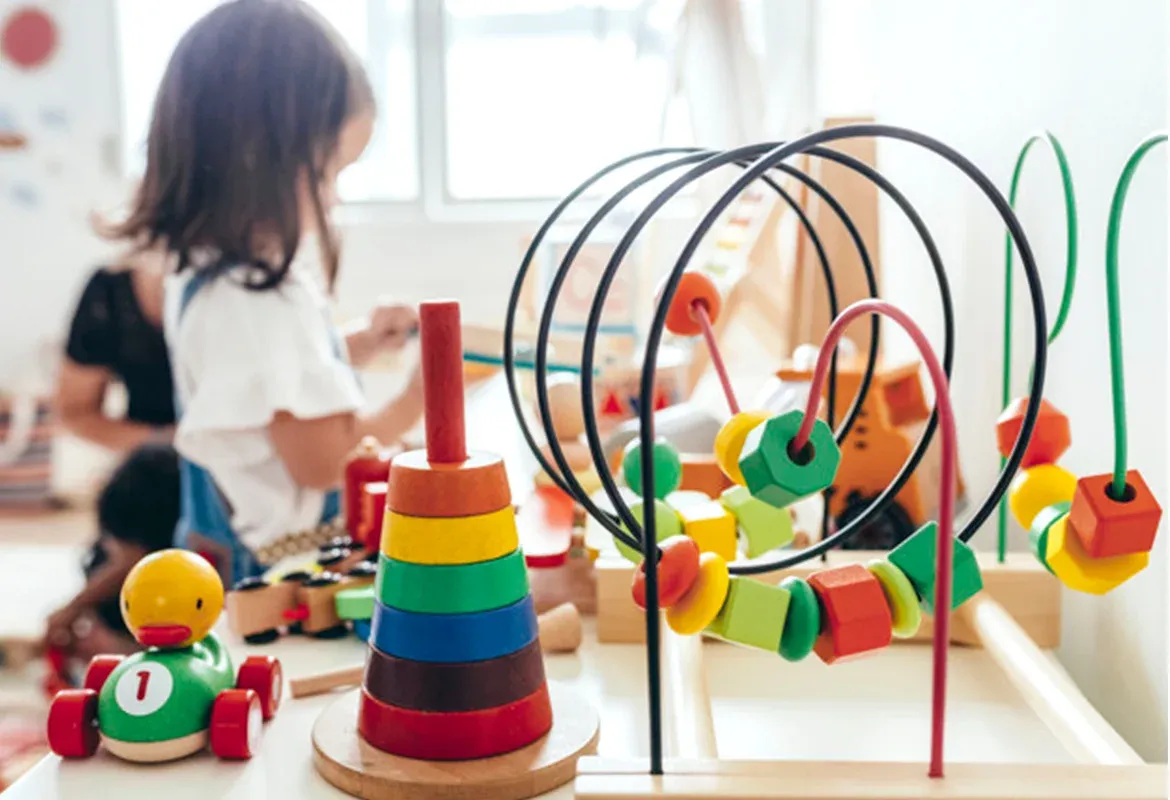
Learning to strengthen basic skills (reading, writing, math) privately or in groups
-
Individual planning with the help of support teacher in normal school
-
Using special educational technologies (for example, intelligent educational software)
-
card therapy and play therapy sessions to increase concentration and self-confidence
At Del Ara Clinic, such programs are designed and implemented with specialized plans depending on the child's needs, and their positive effect is measured first.
Clinical experience and the role of Del Ara Clinic in the final decision
Del Ara Clinic has a long experience in the field of late learning children with a team consisting of a psychologist, educational consultant, therapist, specialist teacher and family therapist. In the evaluation process:
-
Performing psychometric and learning tests
-
Consultation with parents and teachers
-
Evaluation of secondary educational interventions
-
Determining the child's psychological and social needs
-
Finally advice on "should late learning children go to a special school" or whether it is more appropriate to continue in regular schools with adequate support.
Among the advantages of Del Ara Clinic, we can mention the sociable approach, special attention to the child's personality, continuous cooperation with the school and long-term follow-up.
Specialized evaluation process at Del Ara Clinic
Del Ara Clinic's answer to the question "Do late learners go to exceptional schools" is based on a multiple assessment process:
-
Interviews with parents and teachers: Where educational history, home and school environment conditions and special problems are discussed.
-
Psychological sessions and implementation of standard tools: including intelligence tests (WISC) and learning tests to identify the type and severity of delay.
-
Individual counseling with the child: to explore emotional aspects, self-confidence and interest strengths.
-
Field evaluation in the classroom: Performance observation in the real environment of the normal school.
-
Final report and education path proposal: Based on the data, the probability of success in a regular school or the need for an exceptional school is determined.
In this way, the question "Do late learning children go to an exceptional school" gets an accurate answer and a recommendation based on the data and experience of the Del Ara Clinic is presented so that parents can make a decision with certainty and peace of mind.
 Conditions that indicate a late learning child needs an exceptional school
In the process of investigating whether late learners go to a special school, the following can be indications to prefer a different educational environment:
-
Severe and persistent delays in multiple learning domains (reading, writing, math) with no improvement after interventions.
-
Emotional and behavioral disorders: Severe anxiety, social shyness or lack of positive interaction with peers.
-
The impossibility of providing a suitable environment in normal education: such as the lack of special equipment, a teacher equipped with reinforcement methods or an individualized program.
In such circumstances, the Del Ara Clinic offers recommendations on should late learners go to exceptional school. A calculated and coordinated recommendation with detailed psychological and educational evaluations, so that the child can grow in a suitable environment.
Advantages of exceptional school compared to regular school
If in response to the question "Do late-graders go to a special school" we come to the conclusion that the regular school is not enough, then the option of a special school has advantages:
-
Small training groups (4 to 8 people) that provide individual attention.
-
specialized teachers in the field of learning disorders and education of special children.
-
Individual or special curriculum which is adjusted based on the specific needs of each child.
-
Psychological support, counseling and sometimes occupational therapy or speech therapy services are provided inside the school.
-
Nonjudgmental and accepting environment, which reduces stress and anxiety caused by comparison with peers.
Therefore, if the question "Do late learning children go to exceptional schools" is accompanied by a positive answer, the lack of support in the normal school environment will be compensated by the advantages that exceptional schools have.

Limitations and concerns of exceptional schools
But the advantage of an exceptional school does not always mean the right choice. In response to the question "Do late learning children go to exceptional schools", parents should also consider disadvantages:
-
Social isolation and lack of communication with normal peers may make the child feel different.
-
limited resources of special schools compared to normal schools; Parents' questions about extracurricular training and access to complementary specialties arise.
-
More expenses may create a financial burden for the family.
In this context, Del Ara Clinic guides how parents can overcome these concerns with careful planning and continuous monitoring, and if exceptional schools are chosen, the positive effects on academic and psychological growth will continue.
Alternative or complementary interventions before the final decision
Among the most important answers to the question of "do late learners go to special schools" are alternative and supplemental programs that may be prerequisites or alternatives:
-
Supplementary training program (such as private training or reinforcement groups).
-
Providing a support teacher in the normal school system with small private sessions.
-
use of educational technology; Educational software and applications that can be personalized for late learners.
-
psychosocial strengthening activities; such as play therapy or skill training at Del Ara Clinic to increase self-confidence.
-
Occupational therapy or speech therapy if there are movement or speech problems.
Using these interventions at Del Ara Clinic and monitoring their impact is part of the way to answer the question of whether latecomers go to special schools or not.
Final decision-making process and parental cooperation
When the question of whether latecomers should go to a special school comes up, the decision is usually made after a period of three-way interaction: the child, the parents, and Clinic del Ara specialist team.
-
Final meeting with family and evaluators.
-
Provide full report: Test results, emotional state, intervention progress and strengths.
-
Comparison of options: Staying in a regular school with support programs or transferring to a special school.
-
Continuous follow-up: After starting the path, the monthly evaluation continues until the desired result is achieved.
This method allows parents to calmly answer the question "do late learning children go to an exceptional school" and to advance the child's educational future with knowledge.
The role of the family in the path of the child's academic and social success
-
continuation of support programs at home; Daily exercises and supporting the child's motivation.
-
conversation and emotional companionship; Discussion about challenges and companionship on the way to growth.
-
Using feedback from Del Ara Clinic or School; Paying attention to the opinions of teachers and experts to adjust programs.
-
Social and emotional support; Helping the child to connect with friends or activities outside of school.
-
Strengthening motivation and self-reliance; Encouraging independent learning and celebrating small successes.
In this partnership, parents play the most important role in realizing the child's educational and psychological goals.

The connection of late learning children with the rehabilitation clinic in the path of growth and development
Meanwhile, rehabilitation clinics play a very important role in diagnosing, intervening and guiding these children in the path of academic and psychological development.
Do late learning children need rehabilitation?
accurate and scientific identification
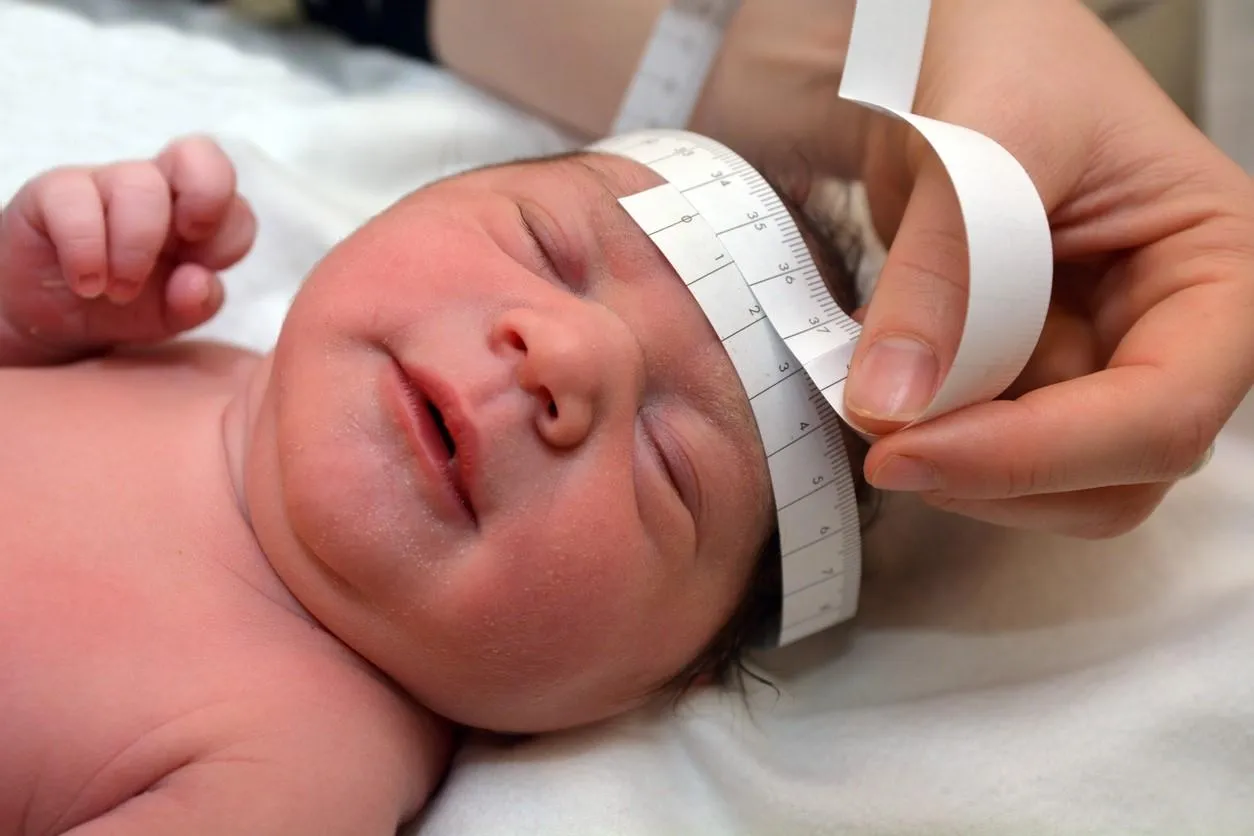
One of the first steps in the rehabilitation process of late learning children is to accurately identify their condition. This process includes conducting standardized psychological tests, measuring intelligence, evaluating academic performance, and examining cognitive skills such as memory, accuracy, and auditory and visual processing. Contrary to popular belief, late learners do not necessarily have low IQ, but rather have lower academic performance compared to their peers. In rehabilitation centers, these evaluations are done in a specialized way to distinguish between temporary learning problems and more serious disorders.
Elaboration of individual intervention programs
After identifying the child's strengths and weaknesses, rehabilitation specialists design a program called an Individualized Intervention Plan. This program includes short-term and long-term goals that gradually improve the child's cognitive, motor, emotional or language abilities. For example, if the child is weak in working memory, special reinforcement exercises are considered for him to perform better in the classroom.
family participation in the treatment process
One of the basic components in the rehabilitation of late learning children is the companionship and active participation of parents. Rehabilitation centers make families a part of the treatment team by educating them. Parents learn how to provide a suitable learning environment at home, follow the exercises and correctly report signs of improvement or decline in the child's performance. This continuous interaction between the family and the treatment team significantly increases the success rate of the intervention program.
interaction with schools and teachers
Another important role of the rehabilitation clinic is to communicate constructively with the child's educational system. Therapists are often in contact with the teachers to inform them of the treatment process and areas for improvement of the child. Sometimes, recommendations such as having the child sit in the front of the class, repeating concepts more, or using teaching aids are given to the teacher to better match the learning environment to the child's needs.
Monitoring the child's progress
The rehabilitation process is not a static path. The child's progress is regularly assessed and programs are revised based on the results. This continuous monitoring means that if the child does not respond to a certain step, the program is immediately changed and a new method is tried. This flexibility is an important part of success in the rehabilitation of late learning children.
Another important point that should be considered in the rehabilitation process of late learning children is their individual differences. No two late learners are alike. Even if two children have weaknesses in similar skills, the underlying reasons, learning style or even their response to interventions may not be the same. Therefore, the rehabilitation clinic should not only move based on scientific criteria, but should also have enough flexibility to personalize programs based on the characteristics of each child.
On the other hand, successful rehabilitation does not depend only on face-to-face sessions in the clinic. The connection between the training that takes place in the clinic and the behaviors and exercises that continue at home and school is the key to success. The child should be exposed to coordinated messages, behaviors and exercises in all the environments he is present in order to institutionalize the learning process in his mind.
Finally, a holistic approach to the late learning child—which includes both his cognitive, emotional and social dimensions—will be the basis of sustainable progress. Supporting these children is an investment for a more capable society in the future.
Final goal
The aim of the rehabilitation clinic of these processes is to help the child to reach the highest possible level of performance in normal educational environments. بسیاری از کودکان دیرآموز با حمایت مناسب، میتوانند به تحصیل در مدارس عادی ادامه دهند، اعتماد به نفس خود را بازیابند و به تدریج فاصله تحصیلی خود با همسالانشان را کاهش دهند.
نتیجهگیری نهایی درباره «آیا کودکان دیرآموز به مدرسه استثنایی میروند»
در پایان، باید گفت پرسش «آیا کودکان دیرآموز به مدرسه استثنایی میروند» هیچگاه به سادگی قابل پاسخ نیست، بلکه:
-
بر پایه شواهد علمی و ارزیابی دقیق کلینیک دل آرا شکل میگیرد.
-
مداخلات پیش از تصمیمگیری، نقشی مهم در بهبود عملکرد کودک دارند.
-
مشارکت والدین و محیط اجتماعی مناسب، شرط لازم برای موفقیت در هر گزینه است.
-
مدرسه استثنایی، اگرچه شرایط ویژهای فراهم میکند، ولی انتخاب آن نیازمند مدیریت صحیح نگرانیهاست.
کلینیک دل آرا به عنوان مرجعی معتبر در حوزه کودکان دیرآموز، با این مدل جامع: ارزیابی، مداخله، راهنمایی و نظارت، مسیر آگاهانه و علمی را برای والدین فراهم میسازد تا در این مسیر پیچیده، تصمیمی عاقلانه، منطقی و آیندهساز برای کودک گرفته شود.