
Table of Contents
Is olive oil useful for treating diabetic foot ulcers?
Olive oil may be useful as a diabetic foot ulcer home treatment and adjunctive therapy in wound healing, but there is limited evidence. This oil contains antioxidants and useful fatty acids that help reduce inflammation and dryness of the skin.
Using olive oil softens the skin around the wound and increases its flexibility. This feature can prevent the skin from cracking and creating new wounds. However, olive oil is not a definitive treatment for diabetic ulcers. For a better effect, it should be used together with medical treatment and blood sugar control.
English text:
quoted from mayoclinic
Do not use home remedies in place of medical treatment for diabetic foot ulcers.
Persian translation:
Do not use home remedies in place of medical treatment for diabetic foot ulcers.

Properties of olive oil in healing diabetic foot ulcers
Olive oil has anti-inflammatory properties that can reduce the inflammation of the skin around the wound. The presence of antioxidants in this oil helps protect cells and accelerate tissue regeneration, but there is little evidence about this. Olive oil also has moisturizing properties and prevents dryness and flaking of the skin. This issue is especially important in diabetic patients who have drier skin.
What is olive oil not suitable for?
Olive oil is not suitable for open, deep or severely infected wounds and should not be used alone. In these cases, there is a risk of worsening the infection or delaying recovery. Also, wounds that have a lot of discharge need specialized dressings and medical treatment.
Using olive oil directly on these wounds may close the wound surface and trap bacteria. Patients with skin sensitivity should also use it with caution. If there is severe pain, bad smell or purulent discharge, it is necessary to see a doctor.
| Advantages (possible positive points) | Disadvantages and limitations |
|---|---|
| Keeping the healthy skin around the wound soft and moist | It is not a standard treatment for diabetic foot ulcers and is recommended in the guidelines It can't. |
| Decreasing dryness and cracking of the skin in diabetic patients | Direct use on open wounds can increase the risk of infection. |
| Helping to maintain skin flexibility and prevent the creation of new wounds | There is no strong scientific evidence to accelerate wound healing. |
| Contains antioxidant compounds with effective Skin protection | May interfere with moisture management and standard dressings. |
| Easy to use and available for peri-wound skin care | Inappropriate for deep, infected or exuding wounds. |
| Can be used as adjunctive skin care with physician advice | Possibility of skin sensitivity or irritation in some patients |
| Useful For secondary prevention (foot care, not wound treatment) | Reliance on it may delay medical treatment |
How to properly use olive oil for diabetic foot ulcers
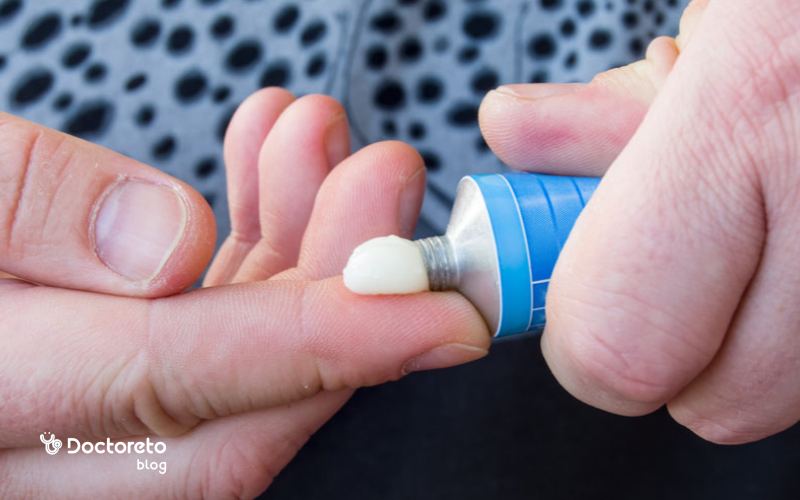
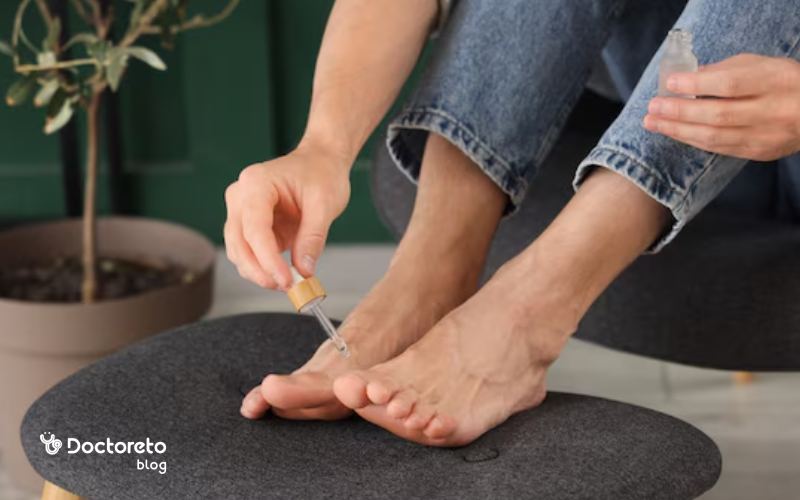
For proper use, first the skin around the wound must be clean and dry. A small amount of pure olive oil can be gently massaged on the healthy skin around the wound. This will help soften the skin and prevent cracking. The oil should not be used on an open wound without consulting a doctor. It is better to do this once or twice a day. Regular and gentle use will increase the beneficial effects of olive oil.
Difference of use on the skin around the wound and use on the wound itself
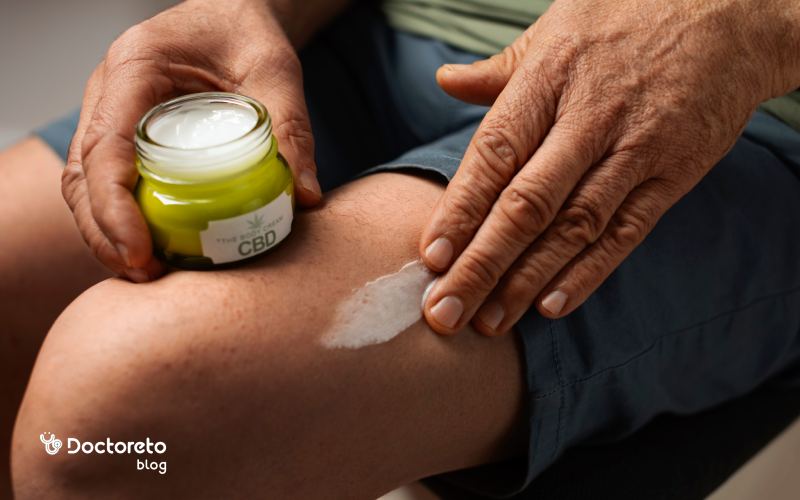
Using olive oil on the skin around the wound is usually safer and more recommended. This helps to maintain the moisture and health of the skin and prevents the spread of the wound. But direct use on an open wound can increase the risk of infection. An open wound needs a controlled environment, and it should be done sterile. Olive oil may prevent the wound from breathing. For this reason, direct use should only be done with a doctor's opinion.
English text:
Investigations revealed that olive oil probably improves total tissue blood flow and reduces inflammation, thus leading to ulcer healing. href="https://pmc.ncbi.nlm.nih.gov/articles/PMC6516048/" target="_blank" rel="noreferrer noopener">pmc.ncbi.nlm.nih
Dangers and possible side effects of olive oil in diabetic foot ulcers
Improper use of olive oil in diabetic foot ulcers can cause the wound surface to close and reduce its ventilation. This condition may facilitate the growth of bacteria and increase the risk of infection. In open or deep wounds, olive oil can slow down the healing process and prevent the absorption of medicinal treatments.Some people may show skin sensitivity to olive oil and experience redness or itching. Excessive use can also make the skin around the wound too oily and prone to damage. For this reason, olive oil should only be used as a complementary treatment and in compliance with health principles.
Conclusion
Does olive oil improve diabetic foot ulcers? Olive oil can play an effective role in the home treatment of diabetic foot ulcers as an auxiliary method. With its anti-inflammatory and moisturizing properties, this oil helps the health of the skin around the wound. However, olive oil is not a definitive treatment for diabetic ulcers and should not replace medical treatment. Its correct and limited use is very important. In severe or infected wounds, a doctor must be consulted. Combining medical care with home methods gives the best results.
Your doctor takes care of your health!