Angiography vs. angioplasty

Dr. Leah Mirsafai
تهرانCardiovascular specialist

- General Manager
- 0 Comments
About Angiography
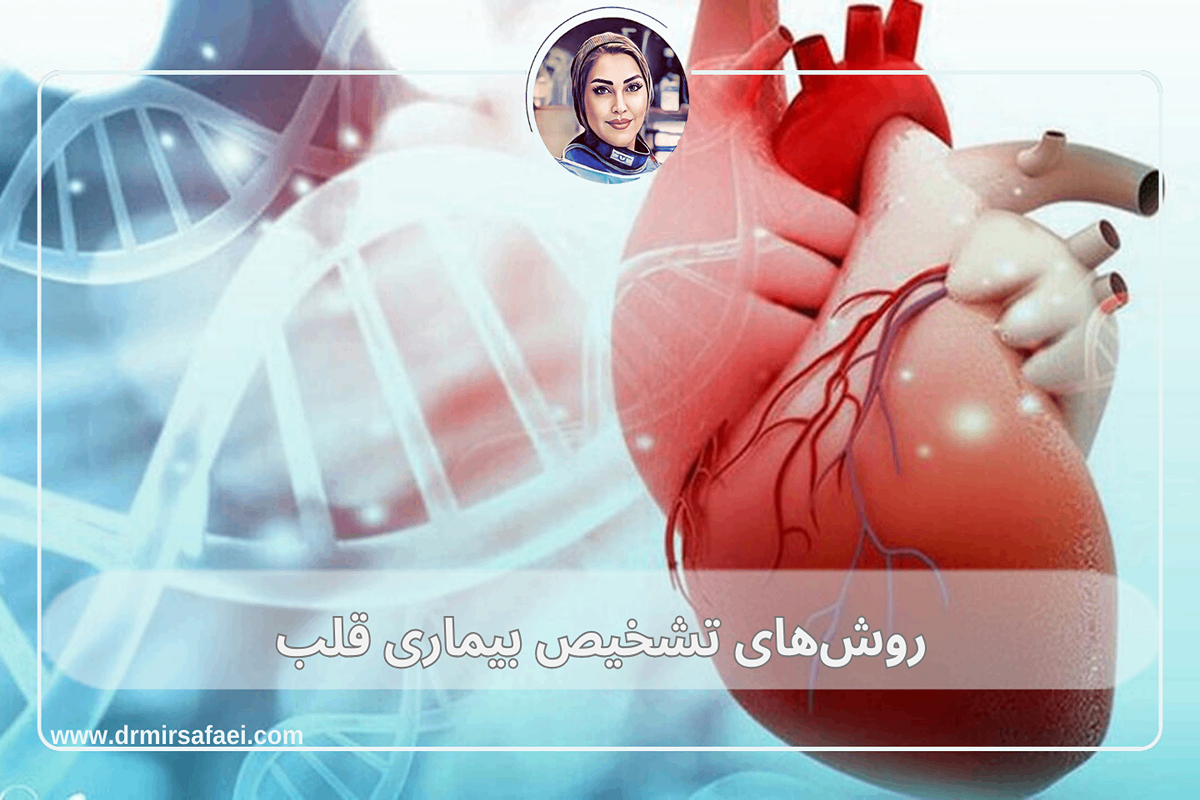
Angiography is a diagnostic procedure that allows doctors to see inside your blood vessels and detect blockages or narrowing. This is done using a special dye that makes your arteries visible on X-rays. This test gives your cardiologist a clear picture of how blood is flowing through your heart and arteries. During an angiogram, a thin tube called a catheter is inserted, usually through the wrist or groin, and guided into the arteries of the heart. Then, a contrast dye is injected and a series of images are taken. These images show whether plaque accumulation or stenosis has obstructed blood flow or not. As Dr. Leah Mirsafai explains, angiography is often the first step in evaluating heart disease. This method helps determine the severity of the coronary artery blockage and whether further treatment such as angioplasty is necessary. Angioplasty
Angioplasty, on the other hand, is a therapeutic procedure, not just a diagnostic one. This is done to open narrowed or blocked arteries. During angioplasty, the cardiologist uses a balloon-tipped catheter that inflates at the site of the blockage and pushes the plaque against the artery walls to restore blood flow. In most cases, a small mesh tube called a stent is placed to keep the artery open. According to Dr. Leah Mirsafai, angioplasty is a life-saving procedure for patients who experience chest pain (angina) or even a heart attack. This procedure restores blood circulation quickly and, if done quickly, can significantly reduce heart damage.

Key difference between angiography and angioplasty
Key difference between angiography and Angioplasty lies in their purpose. Angiography is diagnostic, while angioplasty is therapeutic. Angiography helps to identify the presence of blockage and angioplasty is performed to remove that blockage. Dr. Leah Mirsafai emphasizes that every patient who undergoes angiography will not need angioplasty. Sometimes, minor blockages can be managed with medication and lifestyle changes rather than immediate intervention.
When is angioplasty the right choice?
When an angiogram shows that an artery is significantly blocked, angioplasty may be the next step. If there is a severe blockage, angioplasty is usually performed immediately after the angiography in the same session. Patients who experience symptoms of an acute heart attack, such as severe chest pain or pressure, are also candidates for emergency angioplasty. As Dr. Leah Mirsafai emphasizes, timely angioplasty can make the difference between a quick recovery and permanent heart damage.
Is angioplasty a permanent solution to blocked arteries?
While angioplasty can significantly improve blood flow and relieve symptoms, maintaining heart health through medication, diet, and exercise is critical to preventing further blockages. is Regular follow-up visits with Dr. Leah Mirsafai will help monitor your recovery and ensure long-term results.
Recovery after Angiography and Angioplasty
After angiography, most patients can go home the same day. You may experience bruising or mild pain where the catheter was inserted. It is important to rest and drink plenty of water to flush the contrast material out of the body. After angioplasty, recovery usually takes a little longer. Dr. Lia Mirsafai advises her patients to avoid lifting heavy objects, control their blood pressure and attend follow-up sessions regularly. Appropriate medications, such as blood thinners, help prevent new blockages and support the stent's function.
Angiography vs. Angioplasty: Which Do You Need?
Deciding between angiography and angioplasty depends on your diagnosis and the condition of your heart. Angiography is often done first to identify the problem. If the results show a severe blockage, angioplasty may be chosen as the best treatment option. Dr. Leah Mirsafai, with her expertise in advanced cardiovascular procedures, carefully evaluates each case. Her personalized approach ensures that each patient receives the most effective and least invasive treatment. If you are unsure which procedure is right for you, scheduling a consultation with Dr. Leah Mirsafai can help you understand your heart health and choose the safest and most appropriate path to recovery.
Why choose Dr. Leah Mirsafai for your heart care?
Dr. Leah Mirsafai is a highly respected cardiologist who It is known for its compassionate care and advanced approach to cardiovascular health. With years of clinical experience and expertise in angiography and angioplasty, he provides accurate diagnosis and effective treatment tailored to the needs of each patient. His clinic provides a patient-centered environment equipped with modern facilities for diagnostic imaging and minimally invasive cardiac procedures. Whether you need routine angiography or emergency angioplasty, Dr. Leah Mirsafai ensures the safety, comfort and long-term health of your heart.
Conclusion
Both angiography and angioplasty play a vital role in cardiovascular health management. Angiography helps in early diagnosis of heart problems and angioplasty effectively treats them. Choosing the right method depends on your symptoms, test results, and overall heart condition. If you experience chest pain, shortness of breath, or other heart-related symptoms, don't delay seeing your doctor. Dr. Lia Mirsafai, a trusted cardiologist in Tehran, can guide you in diagnosis, treatment and recovery and help you take the best step towards a stronger and healthier heart. Dr. Lia Mirsafai notes that angiography is one of the safest and most reliable ways to evaluate coronary artery disease. This method helps to personalize treatment for each patient based on their unique heart condition.