Familiarity with vitamins and minerals needed by the body
Vitamins and minerals are essential nutrients because they have hundreds of functions in the body. The line between getting enough of these nutrients (which is healthy) and taking too much of them (which ultimately harms the body) is very thin. The best way to get enough vitamins and minerals is to eat a healthy diet.>
nutrients needed by the body
Every day, the body produces skin, muscles, and bones, and makes high-speed red blood cells that carry nutrients and oxygen to distant locations, and circulates nerve signals along pathways between the brain and the body. It also regulates chemical messengers that travel from one organ to another to receive the instructions necessary to keep the body alive.
But the body needs raw materials to perform all these tasks. Among them, we can mention at least 30 vitamins, minerals and nutrients that the body needs but cannot produce in sufficient quantities on its own.
Vitamins and minerals are considered essential nutrients because they play hundreds of roles in the body in harmony with each other... These substances help strengthen bones, heal wounds and strengthen the immune system, convert food into energy and repair cellular damage.
But trying to understand what each of these vitamins and minerals do can be confusing... if you read enough articles about it, your eyes will be drowning in an alphabet soup of these nutrients (basically known by their initials; like vitamins A, B, C, D, E, and K)!
In this article, you will gain a better understanding of how these vitamins and minerals work in the body and why you should get enough of them, plus you can consult an internist at GCORP LLC to get the vitamins your body needs.
Learn more: Benefits of Omega 3 pills for women
Micronutrients that play a big role in the body
Vitamins and minerals are often called micronutrients because the body only needs a small amount of them... but if this small amount is not supplied, you will definitely get sick.... Below are some of the diseases that are caused due to vitamin deficiency:- Scurvy: In ancient times, sailors found that living without fresh fruits and vegetables (the main source of vitamin C) for several months led to bleeding gums and the weakness and lethargy of scurvy.
- Vision loss: In some developing countries, people still lose their vision due to vitamin A deficiency.
- Rickets: Vitamin D deficiency can lead to rickets.. In this condition, the bone becomes soft and weak, and bone deformities such as clubfoot follow..
Also read: Side effects of excessive vitamin D consumption
Just as deficiencies in key micronutrients can harm the body, getting enough of them has important benefits... including:
- Strong bones: A combination of calcium, vitamin D, vitamin K, magnesium and phosphorus protects the bones against fractures.
- Prevention of birth defects: Taking folic acid supplements in early pregnancy helps prevent birth defects of the brain and spinal cord in babies.
- Healthy teeth: The mineral fluoride not only helps bone formation, but also prevents the onset or progression of tooth decay.
Also read:What you need to know about vitamin K deficiency
Difference between vitamins and minerals
Although vitamins and minerals are both considered micronutrients, they differ in some essential ways. Vitamins are organic and are broken down by heat, air, or acid. Minerals are not inorganic and retain their chemical structure. So, why is this important?... This means that minerals in soil and water are easily absorbed into the body through plants, fish, animals, and the fluids you consume. But it is more difficult to transfer vitamins from food and other sources to the body because cooking, storing and exposing food to air deactivates these vulnerable substances.Interactions – positive and negative
Many nutrients interact with each other...Vitamin D gives the body the ability to get calcium from food sources that pass through the digestive system instead of removing it from the bones...Vitamin C helps absorb iron.
However, nutrient interactions are not always beneficial....for example, vitamin C blocks the body's ability to absorb copper (an essential mineral)....and the slightest deposit of magnesium can promote iron deficiency.
A closer look at water-soluble vitamins
Water-soluble vitamins are found in the watery part of the foods you eat.... When food is broken down or dissolved during digestion, water-soluble vitamins enter the bloodstream directly.
Since a large part of the body is made up of water, many water-soluble vitamins flow easily through the body. The kidneys regularly regulate the amount of water-soluble vitamins and excrete a large amount of it through urine.
Water soluble vitamins
Vitamin B
- Biotin (vitamin B-7)
- Folic acid (folate, vitamin B-9)
- Niacin (vitamin B-3)
- Pantothenic acid (vitamin B-5)
- Riboflavin (vitamin B-2)
- Thiamine (vitamin B-1)
- Vitamin B-6
- Vitamin B-12
Also read: Vitamin B deficiency symptoms
Vitamin C
Function
Although water-soluble vitamins have many functions in the body, the most important of them is helping to release the energy contained in consumed foods. Other functions include maintaining the health of tissues.. In the following, we mention some examples of ways to help maintain the health of the body by different types of vitamins:
- Releasing energy: Various types of B vitamins are key components of some coenzymes (molecules that help enzymes) that help release energy from food.
- Energy production: Thiamin, riboflavin, niacin, pantothenic acid and biotin are responsible for energy production.
- Protein and cell structure: Vitamin B-6, B-12 and folic acid are responsible for the metabolism of amino acids (protein structure) and help cell proliferation.
- Collagen production: Helping to form collagen (which heals scars, protects the walls of blood vessels, and forms the basis of bones and teeth) is one of the functions of vitamin C.
Also read: Vitamin C deficiency symptoms
signify wise
is enoughDespite popular belief, some water-soluble vitamins remain in the body for a long time....It is very likely that vitamin B-12 can be stored in the liver for several years....Folic acid and vitamin C may even be stored in the body for more than a few days.
But in general, every few days, the storage of water-soluble vitamins should be replenished.
Keep in mind that taking too much of some micronutrients through supplements can be harmful. For example, high doses of vitamin B-6 (recommended intake for adults 1.3 mg per day) can damage nerves and lead to numbness and muscle weakness.
A closer look at fat-soluble vitamins
Fat-soluble vitamins, instead of being easily absorbed into the bloodstream like most water-soluble vitamins, enter the blood through the lymphatic channels of the intestinal wall (see image).. Many fat-soluble vitamins are carried throughout the body only by protein.
Read more: What does Neurobion ampoule consist of?
Absorption of fat-soluble vitamins
- Food containing fat-soluble vitamins is swallowed.
- Stomach acid digests the food and the food goes to the small intestine to be further digested... We need bile to absorb fat-soluble vitamins... These substances, which are produced in the liver, flow into the small intestine (where fat is broken down). Then the nutrients are absorbed through the wall of the small intestine.
- Fat-soluble vitamins enter the lymphatic vessels after absorption and before entering the bloodstream....In most cases, fat-soluble vitamins must be combined with protein to travel throughout the body.
- These vitamins are used throughout the body, but the excess amount is stored in the liver and fat tissue.
- If more of these vitamins are needed, the body stores them from the liver into the bloodstream.
Fatty foods and oils are the source of four fat-soluble vitamins. Fat tissues and liver are the main reservoir of these vitamins in the body and release them when needed.
To some extent, it can be said that these vitamins are released over time.... You can take fat-soluble vitamins several times, for example, in weekly or monthly doses, not every day, and reach the desired amount.... The body removes the excess and gradually releases it until its needs are met.
Fat soluble vitamins
- Vitamin A Vitamin D
- Vitamin E
- Vitamin K
Also read: Symptoms of vitamin A deficiency
Function
These four vitamins help to repair the eyes, skin, lungs, digestive system and nervous system.. In the following, we refer to other key functions of these vitamins:- Bone formation: Without vitamins A, D and K, bone formation is impossible.
- Protection of vision: Vitamin A helps to maintain the health of cells and protect vision.
- Proper interaction: Without vitamin E, the body stops absorbing and storing vitamin A.
- Body Protection: Vitamin E acts as an antioxidant (a compound that protects the body from damage caused by molecular instability).
[sibwp_form id=5]
Denote wise
is enoughBecause fat-soluble vitamins are stored in the body for long periods of time, they may become toxic....especially if supplements are used....it is rare to get enough vitamins through food alone....consult an internist before taking or not taking vitamins.
A closer look at the main minerals
The body needs relatively large amounts of major minerals and stores them....these minerals are not more important than minor minerals..they are just present in larger amounts in the body.
Major minerals move throughout the body in different ways....For example, potassium is immediately absorbed into the bloodstream and moves freely like water-soluble vitamins and is excreted by the kidneys....Calcium is more like fat-soluble vitamins in that it requires a carrier for absorption and transport.
Major minerals
- Calcium
- Chloride
- Magnesium
- Phosphorus
- Potassium
- Sodium
- Sulphur
Function
One of the main functions of minerals is to maintain proper water balance in the body... sodium, chloride and potassium are the leaders of this task... the other three main minerals (calcium, phosphorus and magnesium) are important for bone health.... Sulfur helps maintain protein structure, including the proteins that make up hair, skin, and nails.
It is enough to say to the wise
A high amount of one major mineral leads to a deficiency of another mineral.... This imbalance is usually caused by taking supplements rather than food sources.... We mention two things below:
- Salt Precipitation: Calcium combines with excess sodium in the body and is excreted when the body feels that the amount of sodium has increased. That is, if you sprinkle salt on ready-made food or get sodium through the consumption of processed foods, you will eventually lose the calcium you need because the body will eliminate the excess sodium.
- Excess phosphorus: High levels of phosphorus prevent the absorption of magnesium.
A closer look at minor minerals
A metal tube could easily contain an extract of all the minor minerals found naturally in the body. However, their role is just as essential as the major minerals like calcium and phosphorus, which each make up over a pound of body weight.
minor minerals
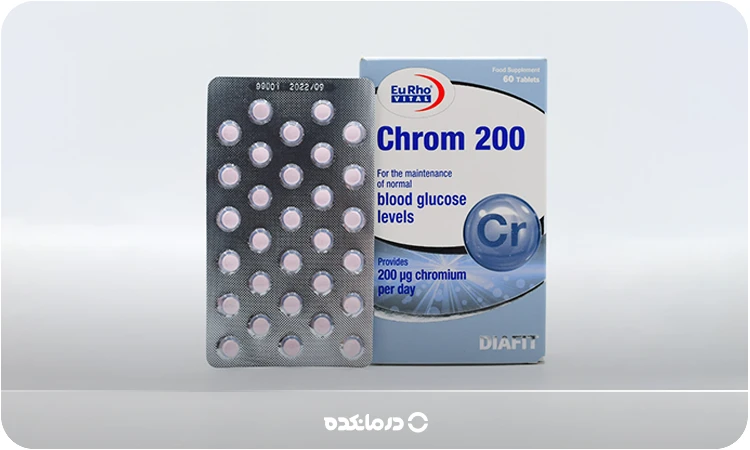
- Chrome
- Copper
- Fluoride
- Iodine
- Iron
- manganese
- Molybdenum
- Selenium
- On
Function
Minor minerals have different functions.... We mention a few things below:
- Iron is best known for transporting oxygen throughout the body.
- Fluoride strengthens bones and prevents tooth decay.
- Zinc helps form blood clots, is essential for the sense of taste and smell, and strengthens the immune response.
- Copper helps in the formation of several enzymes, one of which is involved in the metabolism of iron and the production of hemoglobin, which carries oxygen in the blood.
Other trace minerals have the same vital functions, such as helping to prevent damage to the body's cells and forming part of or enhancing the function of key enzymes.
It is enough to say to the wise
Trace minerals interact with each other and sometimes this leads to an imbalance....High amounts of one trace mineral lead to or contribute to a deficiency of another....Here are some examples:
- Mineral precipitation of manganese helps with iron deficiency....low amount of manganese will also be problematic.
- If the amount of iodine in the body is very low, the production of thyroid hormone slows down and leads to weakness, weight gain and other physical diseases.... If the amount of selenium in the body is also low, this problem is aggravated.
In most substances, the difference between "enough" trace minerals and "too much" is very small. In general, food is a safe source of trace minerals, but if you take a supplement, you should not exceed the safe range.
A closer look at antioxidants
Antioxidant is a general term that refers to all compounds that can neutralize the effect of unstable molecules such as free radicals (free radicals damage DNA, cell membranes and other parts of the cell).
Body cells naturally produce large amounts of antioxidants... Food (and supplements) are another source of antioxidant compounds... Carotenoids (such as lycopene in tomatoes and lutein in cabbage) and flavonoids (such as anthocyanins in blueberries, quercetin in apples and onions, and catechins in green tea) are antioxidants... Vitamin C and E also have antioxidant properties. and the mineral see..
Why can free radicals be harmful?
Free radicals are a natural product of energy metabolism and are also produced as a result of UV rays, tobacco use, and air pollution.... Free radicals lack a full complement of electrons, which makes them unstable, so they steal electrons from other molecules and damage those molecules in the process.
Free radicals cause cell damage... but they can also be helpful.... When immune system cells prepare to fight a foreign agent, the oxygen they use stimulates an army of free radicals that destroy viruses, bacteria and damaged body cells in an oxidative storm.
What is the benefit of antioxidant?
Antioxidants neutralize killers such as free radicals by losing their electrons.... If a vitamin E or C molecule makes this sacrifice, a vital protein, gene or cell membrane is spared from damage... Thus, a chain reaction affecting several other cells is avoided.
Remember that the term antioxidant is a reflection of chemical properties, not a specific nutritional property....Each of the nutrients that have antioxidant properties has countless other benefits that must be examined independently....It is also important to pay attention to the texture....For example, vitamin C is an antioxidant in some environments and can be a prooxidant in other environments
...Statement to the wise enough is
Articles and advertisements tout antioxidants as a way to delay aging, fight heart disease, improve poor vision, and prevent cancer... Many laboratory studies and large-scale observational trials (trials that ask people about their dietary habits and supplement intake and then examine their disease patterns) also point to the benefits of a diet rich in certain antioxidants and, in some cases, supplements. Antioxidants have been mentioned.
See more: list of dietitian doctors
But the results of randomized controlled trials (in which people are prescribed a specific type of nutrient or pain reliever) do not support these claims. According to one study of 68 randomized trials involving more than 230,000 participants, the risk of death was slightly higher in people who were given only vitamin E, beta-carotene, and vitamin A than in those who only took vitamin E, beta-carotene. They used to reduce found, but we need more research in this field nutrients.
These findings suggest that the benefits of antioxidants in capsule form are small.. On the other hand, many studies show that the risk of many diseases is lower in people who get high levels of antioxidants through food..
![Which fruit increases blood pressure [high and low]? 18 effective fruits](/storage/posts/covers/2026_01_08/ef00bb701cbb99e90a24ba8d73265ba4c08936335e859a33b69553f5c5e737a2.webp)
![For whom is rhinoplasty dangerous? [10 groups+cause+solution]](/storage/posts/covers/2026_01_06/3e06a993c87e243daaf67dc69ac3e484d377b2708c93656820e0084ea4f080d6.webp)
![What fruits have vitamin B12? [13 fruits + consumption tips]](/storage/posts/covers/2026_01_06/dfaeceb7cb9a203805aeba8715bf7cdea6f5cb2b5b9314e1898807545e874bb1.webp)
![Is nasal massage necessary after surgery? [Training + 5 effective benefits]](/storage/posts/covers/2026_01_06/1f2686c8d522130d256828a51d7d46594dbde31ec2253325e6a8a38f04094789.webp)
![The best drops to reduce eye pressure [14 powerful drugs + method of administration]](/storage/posts/covers/2026_01_06/0177c50098eb80d878d1c883d09ae31ad2f489b17e1288f52018e3f8ef213e5f.webp)
![What is hair filler? [9 benefits, how to inject + durability of hair filler]](/storage/posts/covers/2026_01_06/c21c5e1ff48e9af8214111dfe0b867586f298e3d74a95fadda02b0b04df12598.webp)
![The strongest antibiotic for tonsil infection [7 drugs + method of administration]](/storage/posts/covers/2026_01_06/7b5adf6bb8cf556824d96570b6adba58f824b3a7f248993cfaafb73c0b5b8610.webp)
![Garlic pills for weight loss [4 effective benefits and side effects + how to use]](/storage/posts/covers/2026_01_06/c49f08b482d5860218c8635e48194a50f2ed48b51ef15925aa2d73d8393ff3ab.webp)
![What foods increase eye pressure? [8 harmful foods and drinks]](/storage/posts/covers/2026_01_06/52929c4d1b9ed7916d3fc5a8e45060479fb186f332dd217e68905f71f89a33f0.webp)
![What foods lower eye pressure? [18 useful foods]](/storage/posts/covers/2026_01_06/f180eb15f8e64fc9b386f9d5dc7936a5e416af36032be3bdcdf9054925a21d43.webp)
![itchy scalp; 18 causes [medical treatment + 11 home remedies]](/storage/posts/covers/2026_01_06/a1e116ec1c6243fd5c4e6fb951da5cb33bbd92a09c44e29b845852a86f550681.webp)
![What is intestinal colitis and what are its symptoms? [3 causes + definitive treatment]](/storage/posts/covers/2026_01_06/d3384e9221c036ff3eb447c69ffabb109dd6c0c35f5e5f0af775c4545cfd7ea5.webp)
![The best pills for irritable bowel syndrome [10 powerful drugs]](/storage/posts/covers/2026_01_06/70f02d6808fab88d67b0c6734a623e5e71982d323dbd2fb8158c29669849b813.webp)