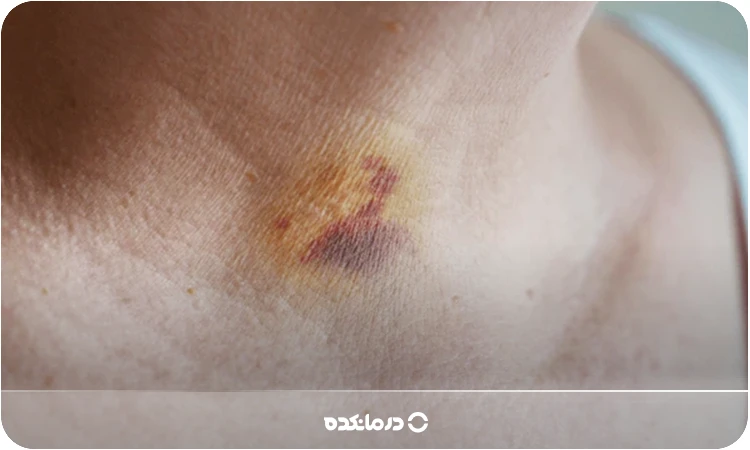
Essential screening tests for women's health
Maintaining women's health and wellness isn't the hardest thing you'll ever do, but it does require effort and vigilance. Part of that effort includes getting the right screening tests, which are used to detect potential health problems while they're still treatable.
The screening tests that women need change as they age....Once a test is started, it should probably be repeated as often as possible throughout life....Stay tuned to GCORP LLC.
Tests for women at 30 years done are
Pelvic examination and pap smear test
Regardless of sexual history, women age 21 and older should have a Pap smear every three years.. Pap smears look for signs of cervical cancer.. Your doctor may rarely order a Pap smear after three normal Pap smears.. This interval also increases in older women with negative HPV test results.
Also, women should be tested for sexually transmitted diseases (STDs) based on individual risk factors and age group-specific recommendations.
Screening Cancer Breast
Breast cancer screening tests include clinical exams and mammograms. If you have family members with breast cancer, your doctor will order a screening test to see if you are at risk of developing more dangerous types of breast cancer linked to certain genes (BRCA1 or BRCA 2). If you are at high risk, your doctor may recommend genetic counseling or BRCA testing.
Exams Physical
During your 20s, you should have two physical exams.... At each examination, the doctor should perform a complete head-to-toe assessment and check for the following:
- Height
- Weight
- Body mass index (BMI)
Your doctor may also ask you about the following:
- Depression
- Alcohol and drug use
- smoking
- diet and exercise
- Vaccination history
- Sexual partner violence
test cholesterol
For women aged 20 and older with coronary heart disease, cholesterol and triglyceride levels should be checked first. The American Heart Association recommends that women have regular checkups every four to six years starting at the age of 20. After the age of 45, cholesterol screening becomes very important, because the risk of heart disease increases with age.
screening pressure blood
If your blood pressure is higher than 140/90, you are diagnosed with high blood pressure.... Because high blood pressure can have other complications, if your blood pressure is 120/80 or lower, you should get tested every two years...
Examination Eye
If you wear glasses or contact lenses, get an eye exam once a year... If you don't have vision problems, no screening is necessary.... However, if you have problems or concerns, you should see an eye doctor.
Examination Dentistry
You should visit the dentist every year for an examination and cleaning.
Vaccination
You should get a flu shot every year, especially if you are over 65 or have risk factors that make you more susceptible to infectious diseases.
You should also get a tetanus-diphtheria booster every 10 years, starting shortly after age 19.
If you are younger than 26 years old, you should also consider the HPV vaccine.
If you have never had chickenpox, you should get the varicella vaccine.
Some important teststhat from 60 years they have
Tests started in the 20s are also used in women in their 40s, although the intervals between these tests vary... You should:
- Even if you don't wear glasses, get an eye exam every two years
- Have a physical examination every one to five years
- Get a professional breast exam every year
- Consider the shingles vaccine after age 60
Also, several new tests are needed from age 40 onwards.
Mammography
All women should have mammograms to screen for breast cancer....The frequency varies by age group....The US Preventive Services Task Force recommends annual mammograms for women ages 50 to 74....Women younger than 50 should talk to their doctor about how often they should have mammograms.
For women over 75 years of age, there is no recommendation because not enough research has been done on the effects of mammography on women in this age group.
Examination Breast
Starting at age 40, health care personnel perform an annual breast exam... They visually and manually check your breasts for differences in size or shape, rashes, indentations, or lumps... They may also check to see if your nipples leak when you squeeze them.
You should be aware of how your breasts look and feel and report any changes to your doctor.
Screening Cancer Intestine Large
After age 50, you should start screening for colon cancer. Possible tests include:
- Annual stool test Flexible sigmoidoscopy (every five years)
- Colonoscopy (every 10 years)
- Double resolution barium enema (every five years)
- Computed tomography colonoscopy (every five years)
If you are at high risk for colon cancer, you may need more screenings at shorter intervals.. You should be screened until the age of 75.
inspections skin
According to the statement of the American Cancer Society, about 3.3 million Americans are diagnosed with skin cancer every year... To detect this disease faster, you should check the appearance of new or suspicious moles every month from the age of 18. This screening is done by a specialist doctor based on the patient's risk factors.
Risk factors include the following:
- Exposure to sunlight in large amounts Family history of skin cancer
- light skin
- Presence of several unusual moles A history of sunburn, especially in early life
Trials that women after from 65 years to they need
The timing of screening tests continues to change as you age....for example, your blood pressure should be checked annually.
Women's cholesterol should be tested every three to five years, and if the results are abnormal, more testing should be done.
Measuring Density Bone
Women 65 and older should be tested for osteoporosis... If you have ever had a bone fracture, you should have a bone density test after menopause..
Testing Hearing
A hearing test measures your hearing at different sound pitches and intensities....you may need to do it once a year.
Vaccine Essence Lung
This vaccine is a set of two vaccines that are injected one year apart from each other.. It is recommended that people over 65 be vaccinated against pneumonia.
Tests for other women that may be necessary
Based on your health status, your gynecologist may also perform other screening tests to supplement the results of standard tests based on your age.
Screening Depression
The National Alliance on Mental Illness estimates that 16 million American adults have had at least one episode of major depression in the past year. They add that women are 70% more prone to depression than men.
- Sleep problems
- Zodranji
- Loss of sexual desire or desire
- Laziness and numbness
- Lack of interest in usual activities
Trial Diabetes
If you are at high risk of developing diabetes, you should be screened for diabetes and prediabetes every three years starting at age 40. If your blood pressure is higher than 135/80 or your cholesterol level is high, your doctor may screen you for type 2 diabetes.
Diabetes risk factors include:
- Lack of physical activity
- Severe obesity
- Having a first-degree relative with diabetes
- African-American, Mexican-American, American Indian, Native Hawaiian, Pacific Islander, or Asian-American race
Final speech
Exams and tests are mandatory for women... You should also make an appointment with a doctor to pay attention to general health and regular physical examinations and tests... In this regard, you can go online from the GCORP touch in the be website to get more information about women's health tips and perform relevant tests under the supervision of a gynecologist.
Source: Healthline
Was this article helpful to you?
![Which fruit increases blood pressure [high and low]? 18 effective fruits](/storage/posts/covers/2026_01_08/ef00bb701cbb99e90a24ba8d73265ba4c08936335e859a33b69553f5c5e737a2.webp)

![For whom is rhinoplasty dangerous? [10 groups+cause+solution]](/storage/posts/covers/2026_01_06/3e06a993c87e243daaf67dc69ac3e484d377b2708c93656820e0084ea4f080d6.webp)
![What fruits have vitamin B12? [13 fruits + consumption tips]](/storage/posts/covers/2026_01_06/dfaeceb7cb9a203805aeba8715bf7cdea6f5cb2b5b9314e1898807545e874bb1.webp)
![Is nasal massage necessary after surgery? [Training + 5 effective benefits]](/storage/posts/covers/2026_01_06/1f2686c8d522130d256828a51d7d46594dbde31ec2253325e6a8a38f04094789.webp)
![The best drops to reduce eye pressure [14 powerful drugs + method of administration]](/storage/posts/covers/2026_01_06/0177c50098eb80d878d1c883d09ae31ad2f489b17e1288f52018e3f8ef213e5f.webp)
![What is hair filler? [9 benefits, how to inject + durability of hair filler]](/storage/posts/covers/2026_01_06/c21c5e1ff48e9af8214111dfe0b867586f298e3d74a95fadda02b0b04df12598.webp)
![The strongest antibiotic for tonsil infection [7 drugs + method of administration]](/storage/posts/covers/2026_01_06/7b5adf6bb8cf556824d96570b6adba58f824b3a7f248993cfaafb73c0b5b8610.webp)
![Garlic pills for weight loss [4 effective benefits and side effects + how to use]](/storage/posts/covers/2026_01_06/c49f08b482d5860218c8635e48194a50f2ed48b51ef15925aa2d73d8393ff3ab.webp)
![What foods increase eye pressure? [8 harmful foods and drinks]](/storage/posts/covers/2026_01_06/52929c4d1b9ed7916d3fc5a8e45060479fb186f332dd217e68905f71f89a33f0.webp)
![What foods lower eye pressure? [18 useful foods]](/storage/posts/covers/2026_01_06/f180eb15f8e64fc9b386f9d5dc7936a5e416af36032be3bdcdf9054925a21d43.webp)
![itchy scalp; 18 causes [medical treatment + 11 home remedies]](/storage/posts/covers/2026_01_06/a1e116ec1c6243fd5c4e6fb951da5cb33bbd92a09c44e29b845852a86f550681.webp)
![What is intestinal colitis and what are its symptoms? [3 causes + definitive treatment]](/storage/posts/covers/2026_01_06/d3384e9221c036ff3eb447c69ffabb109dd6c0c35f5e5f0af775c4545cfd7ea5.webp)
![The best pills for irritable bowel syndrome [10 powerful drugs]](/storage/posts/covers/2026_01_06/70f02d6808fab88d67b0c6734a623e5e71982d323dbd2fb8158c29669849b813.webp)