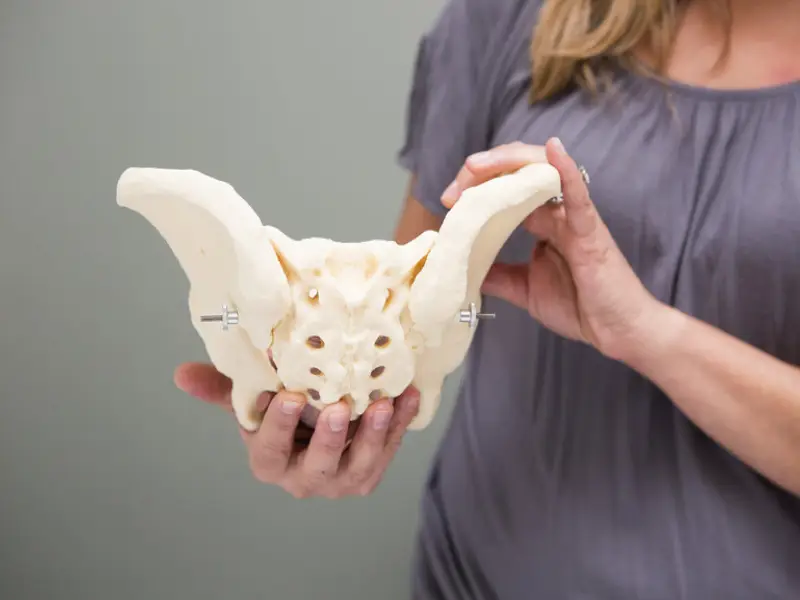
درمان اختلالات کف لگن برای بهبود مشکلاتی مانند بیاختیاری ادرار، افتادگی اندامهای لگنی و دردهای مزمن در این ناحیه ضروری است. اما بهترین روش درمان این اختلالات چیست و چه گزینههایی برای بهبود وضعیت بیماران وجود دارد؟ این مشکلات میتوانند انجام فعالیتهای روزمره را دشوار کنند. خوشبختانه، امروزه روشهای متعددی از جمله فیزیوتراپی تخصصی، تمرینات تقویت عضلات کف لگن، درمانهای دارویی و حتی جراحی برای رفع این مشکلات وجود دارد. در این مقاله، به بررسی بهترین راههای درمان آن خواهیم پرداخت.

What methods are there to treat pelvic floor disorders?
To treat these disorders, there are several different methods, depending on the severity and type of problem, the doctor recommends the most suitable method. These methods include non-surgical and surgical treatments, some of which will be mentioned below.
1. Pelvic floor physiotherapy
This method includes physical therapy exercises and techniques that help strengthen the pelvic floor muscles and improve their performance. Kegel exercises are one of the most common exercises in this field, designed to strengthen the pelvic floor muscles.
2. Lifestyle changes
Dietary changes, increased physical activity and weight loss help reduce pressure on the pelvic floor muscles and improve their performance.
3. Drug therapy
In some cases, the doctor prescribes medications to control the symptoms of pelvic floor disorders, such as pain, muscle spasms, or urinary problems.
4. Surgery
In more severe cases and when non-surgical treatments do not have favorable results, surgery is recommended to repair the damaged muscles or tissues of the pelvic floor.
When is surgery necessary to treat pelvic floor disorders?
Surgery for the treatment of pelvic floor disorders becomes necessary when non-surgical methods such as physical therapy, drugs, lifestyle changes or pelvic floor exercises have failed to improve the patient's condition or the symptoms have worsened. In the following cases, surgery is necessary.
- If the internal parts of the pelvis, such as the bladder, uterus or intestines, move down due to the weakness of the pelvic floor muscles and cause discomfort or functional problems, surgery is necessary to repair or remove the damaged tissues.
- When urinary or fecal incontinence is so severe that it negatively affects a person's performance and life and cannot be controlled with other methods, surgery is necessary to correct the functional problems of the pelvic floor muscles or repair the damaged structures.
- In cases where pelvic floor disorders lead to chronic pain or sexual problems such as vaginismus and non-surgical treatments have not been effective, surgery is considered as a last resort.

Is the treatment of pelvic floor disorder different in women and men?
The treatment of pelvic floor disorders is different in men and women, because their anatomical structure and physical needs in the pelvic floor area are different. In women, pelvic floor disorders occur following pregnancies, childbirth, menopause and problems such as uterine or bladder prolapse. In men, these disorders are mostly related to issues such as urinary incontinence, muscle weakness after prostate surgery or injuries to the pelvic area. Therefore, physiotherapy methods and surgical treatments have differences. In general, the treatment of these disorders in both sexes is planned individually and according to their specific conditions.
How much time is required to recover after different pelvic floor treatments?
The length of time required for recovery after various treatments for pelvic floor disorders depends on the type of treatment and the severity of the problem. For people who benefit from pelvic floor exercises or physical therapy, recovery is gradual and takes weeks to months to see significant results. In some people, there is a need for long-term follow-up to maintain pelvic floor muscle strengthening.
If you use special drugs to treat problems related to the pelvic floor, such as urinary incontinence, it takes a few weeks to a few months to see their effects. If a person needs surgery, the recovery time depends on the type of surgery. For minimally invasive surgeries such as prolapse repair or muscle correction, recovery takes 4 to 6 weeks. But in more complex surgeries and the time of the disorders is more extensive, the recovery time will be more than 3 to 6 months. After surgery, physical therapy and treatment follow-ups are necessary for complete recovery.
What doctor should we refer to for the treatment of pelvic floor disorders?
Women should see an obstetrician and gynecologist for treatment of pelvic floor disorders, especially doctors who have a specialty or fellowship in pelvic floor disorders. These specialists have great experience and skill in diagnosing and treating problems such as uterine and bladder prolapse, urinary incontinence, chronic pelvic pain and pelvic floor muscle weakness.
Dr. Alizadeh has helped many patients who came to the office with these problems and brought them favorable results by providing effective treatment methods. To receive advice and schedule an examination, you can call the numbers listed on the website.
Last words
Treatment of pelvic floor disorders includes various methods that are chosen depending on the severity and type of problem. Physiotherapy and pelvic floor muscle strengthening exercises are effective non-invasive options that help improve muscle control and reduce symptoms. In more severe cases, drug treatments or Botox injections can reduce muscle spasms.
For patients who do not respond to these methods, reconstructive surgery or the use of electrical stimulation may be necessary. Choosing the right treatment method should be done under the supervision of a specialist doctor and based on a detailed assessment of the patient's condition.





