
سلام! Welcome to the website Dr. Behzad Farrokhi.
In recent years, cosmetic surgeries have seen a significant growth.
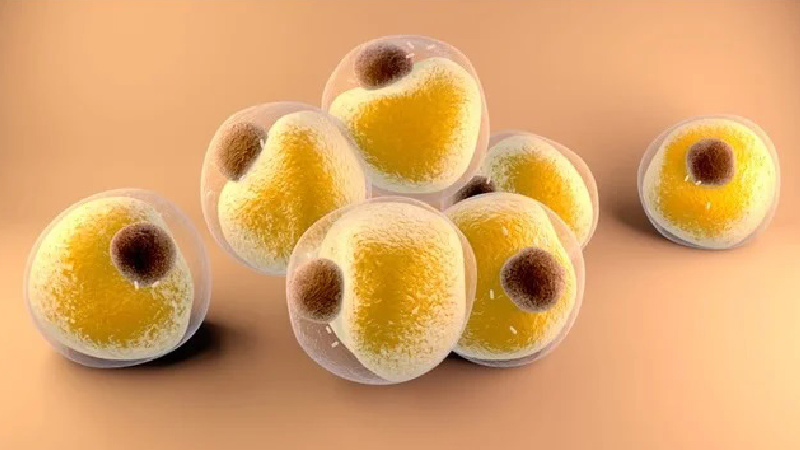
One of the key elements in many of these surgeries are fat cells or Adipocytes.
From liposuction to fat injection for body shaping, the role of adipocytes in shaping the appearance of the body is undeniable.
This article reviews the scientific and practical aspects of fat cells in cosmetic surgery, focusing on structure, function, extraction, reuse, and clinical considerations.

What is an adipocyte?
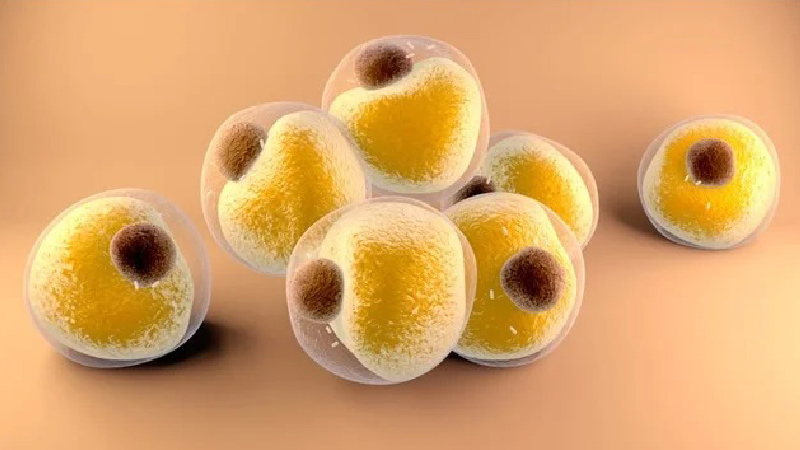
Adipocytes are cells whose main function is to store fat in the form of triglyceride.
These cells are located in the fat tissue (Adipose Tissue) and besides their main role in energy storage, they have important functions in metabolism, temperature regulation, and even hormonal function.
Adipocytes are divided into two main types:
- White adipocyte: Most of the fat cells in the body are of this type and are responsible for energy storage.
- Brown adipocyte: They are mostly found in babies and have the task of producing heat.
What is the use of fat tissue in cosmetic surgeries?
Adipose tissue is used as a "biofiller" in many cosmetic procedures. Unlike artificial fillers, the fat of the patient's body has characteristics that make it an ideal option for reconstruction and beautification:
- Fat Grafting: It is a method in which fat is extracted from one area of the body and injected into another area after preparation. For example:
- Volume to the cheeks or lips
- Correction of hollows under the eyes
- Increasing the volume of the hips or breast enlargement (like the Brazilian Butt Lift technique)
- healing wounds or skin depressions
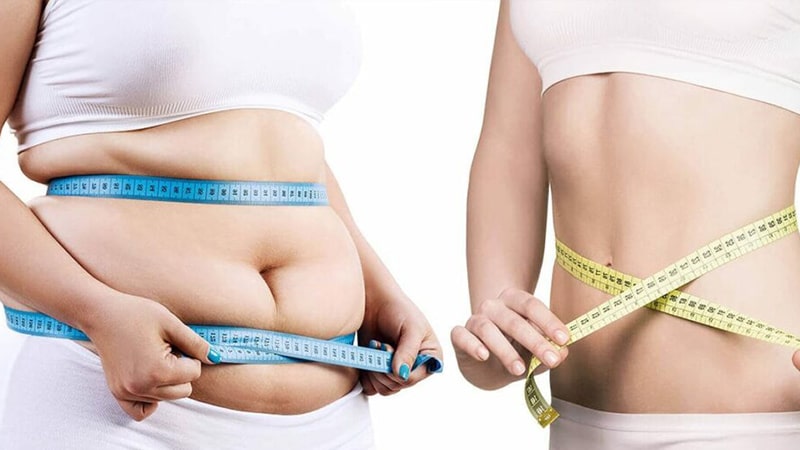
- Liposuction: It is a method to remove local fats resistant to diet and exercise.
- Although the main goal is to remove fat, in many cases, the extracted fat is used for re-grafting.
stages of using fat in cosmetic surgery
- Fat extraction (Harvesting)
Fat is usually removed from areas with more accumulation such as the abdomen, thighs or sides using a cannula and a suction device. It is very important that this step is done with minimal damage to the cells so that the adipocytes survive. - Fat processing (Processing)
Extracted fat must be separated from blood, serum, and dead cells. This is done by centrifugation, filtration or washing with saline solution. The goal is to obtain pure and living fat for injection. We also see this method in hair prp - Fat injection (Injection)
Fat is injected in the form of drops in different layers of the skin or muscle. This stage is very sensitive and the correct technique is very important for durability and natural results.
Scientific tips about the durability of adipocytes after injection
Studies have shown that the survival of adipocytes after injection is highly dependent on how they are harvested and processed. Factors that affect durability:
- Proper temperature during processing
- Short time between withdrawal and injection
- Injection in layers with good blood supply
- Not applying too much pressure when injecting
Also, the use of platelet-rich plasma (PRP) together with fat can increase the durability of adipocytes.
Fat as living tissue: what makes it unique?
Besides the filling role, fat tissue is rich in mesenchymal stem cells (mother cells).
This feature has made fat, in addition to cosmetic use, in the treatment of chronic wounds, burn scar treatment and reconstruction Textures should also be considered.
For this reason, many surgeons consider fat injection not only a cosmetic procedure, but also a reconstructive procedure.
Ethical and safety tips in using fat
Using fat from the patient's body is completely safe if done according to scientific principles and with sterile equipment.
However, some cases require more caution:
- Smoking patients (due to reduced blood supply)
- Patients with a history of infection or low immunity
- Fat injection in the deep areas of the hips or chest where there is a risk of fat embolism
In this context, fat embolism is considered as one of the rarest but most serious complications and can only be prevented by observing the precise injection technique.
This item in Causes of death in surgery We also sometimes see the nose.
Destruction of adipocytes in types of surgery
Lifting adipocytes (fat cells) means destroying or removing them, and is performed in several common cosmetic surgeries. In the following, I will mention the most important ones:
1. Liposuction
- The most common surgical method to remove adipocytes
- Fats are sucked using a cannula (narrow metal tube).
- Target areas: abdomen, sides, thighs, arms, buttocks and back.
2. Lipolysis with laser (Laser Lipolysis)
- In this method, laser energy is used to melt fat cells.
- Then the fat is liquefied or absorbed or sucked.
- It helps to reduce the volume, tightening of the skin and more accurate results.
Related content: Slimming Topical with lipolysis
3. Lipolysis with radio waves or ultrasound (VASER Lipo)
- sound waves (ultrasound) are used to break the wall of fat cells.
- Very effective for delicate areas such as six pack abs, jawline or arms.
4. Abdominoplasty (Tummy Tuck) with combined liposuction
- In this method, the excess skin and fat of the abdomen is removed.
- At the same time, liposuction is used to remove extra fat cells on the sides of the abdomen or sides.
5. Brachioplasty (hanging arm surgery)
- Excess skin and fat removal in arm lift surgery
- Usually combined with liposuction to melt adipocytes
6. Thigh lift, face lift, neck lift
- In some of these lifts, especially in people with a lot of fat, adipocytes are removed with liposuction or water laser to create a better shape. This method in Surgery Lift run is used.
Note:
In all these methods, the goal is to remove local fat resistant to diet and exercise. Depending on the chosen method, adipocytes are either physically removed (such as liposuction) or destroyed with thermal or acoustic energy (such as laser or VASER).
If you want, I can write you a comparison table between these methods.