
Writing disorder Specialized treatment solutions at Nourali Clinic

Dr. Melika Akbari Mehr
تهرانNeurologist and neurologist
To get an appointment, call 66565325(021).
Writing disorder | Specialized treatment solutions at Noorali Clinic
- Diseases and Disorders
- »
- Writing Disorder
- »
- Writing Disorder | Specialized treatment solutions at Noorali Clinic
- Author: Mostafa Asgari Nejad
- Category: Writing Disorder
The main headings of this content


Writing disorder (Dysgraphia) is a hidden challenge that can seriously affect people's quality of life and academic progress. This situation affects the appearance of handwriting and the ability of a person to effectively transfer thoughts from mind to paper. Many parents and teachers confuse writing problems with laziness or carelessness, when the problem has a neurological and completely specialized root. In this article, we intend to examine the exact nature of writing disorder.

How does writing disorder affect people's lives?
Writing disorder is a developmental neurological disorder that affects a person's writing skills. This condition has nothing to do with a person's intelligence or effort, but with difficulty processing information, including motor planning and fine motor skills. In fact, the human brain cannot properly plan and execute the sequence of movements necessary to form letters and words. Knowing the exact nature of this problem is the first step to accepting and starting the specialized treatment process.
Common writing disorder symptoms that you should take seriously
Writing problems can affect various aspects of a person's academic and professional performance, and their timely diagnosis is very important. These symptoms go beyond bad handwriting and usually include a series of motor, spatial, and cognitive challenges that gradually erode a person's self-confidence. Paying attention to these early symptoms can prepare parents and teachers to refer to neurologists. In the following, we discuss the most important signs of writing disorder.
Difficulty in holding the pen and severe hand fatigue during long writings
One of the most obvious symptoms of this disorder is the unusual way of holding the pen (Atypical Pencil Grip) and putting too much pressure on the paper. This issue causes a person to experience fatigue and pain in the wrist and fingers during a short period of writing.
These people usually have to shake their hands or rest frequently to continue working, and this double physical effort makes the process of learning and doing homework very tiring. This type of failure is often rooted in deficit in fine motor skills, which requires specialized occupational therapy and neurotherapy interventions.
Difficulty in organizing thoughts and turning them into text
Some people who struggle with this disorder have problems beyond physical movements. They have good ideas in their mind, but they are unable to organize thoughts (Organization of Thoughts) and transfer them logically and step by step to paper. As a result, the produced text may have incomplete sentences, abrupt topic jumps, or an irregular structure that is difficult for the reader to follow. This problem is closely related to weakness in Executive Function, which includes planning, prioritization and automatic monitoring.

Low writing speed
Low writing speed is another common symptom that severely affects a person's academic performance. Students with this disorder have trouble taking notes in class or completing tests on time, and often fall behind their peers. This lack of time and the stress caused by it can lead to an increase in writing mistakes or aggravation of movement problems. This inability to coordinate between the speed of thought and the speed of hand action is sometimes seen alongside the symptoms of ADHD, which requires a comprehensive evaluation.
The best treatment strategies for writing disorder
The treatment of writing disorder requires a comprehensive and specialized approach that not only focuses on improving handwriting skills, but also targets the neurological and cognitive origin of the problem. Fortunately, with significant advances in the field of neuroscience, effective clinical methods have been developed that have the ability to re-regulate brain activity. Choosing the best treatment method depends entirely on accurate diagnosis and mapping of the patient's brain activities so that the treatment plan is completely personalized. In the following, we discuss the four main strategies for treating writing disorders at Noorali Clinic.
Quantitative brain mapping (QEEG)
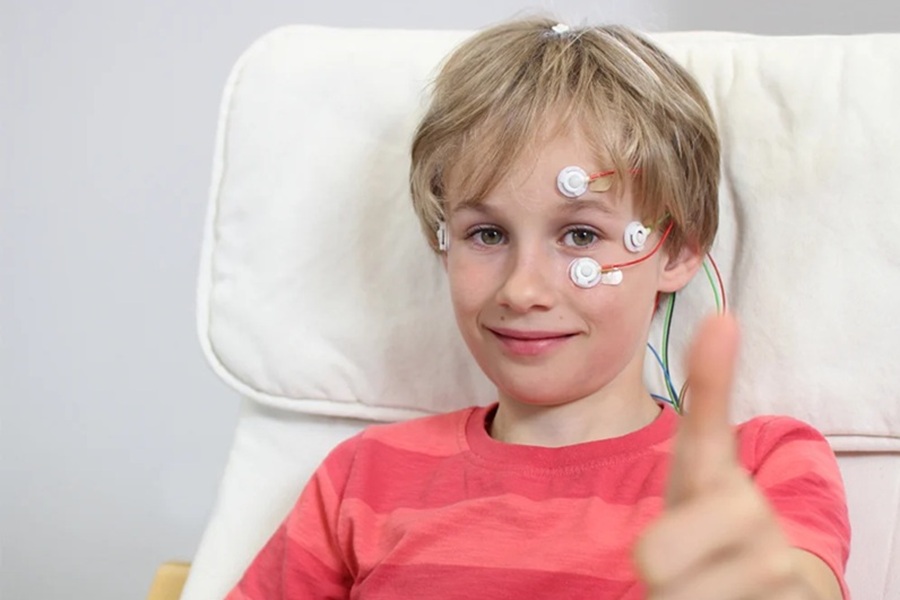
Quantitative Electroencephalography, abbreviated as QEEG, is a vital tool for a deeper understanding of electrical brain activity. By recording and analyzing brain waves, this process helps professionals identify abnormalities and areas of impaired motor and spatial processing. QEEG is used not only for diagnosis, but also for monitoring the effectiveness of treatment; Because it provides an objective picture of how brain circuits work before and after treatment.Neurofeedback to regulate brain waves and improve concentration
Neurofeedback is a non-invasive treatment method that teaches a person to consciously regulate their brain activity. Through sensors attached to the head, the person receives real-time feedback from his brain waves and learns to increase the waves associated with concentration and relaxation and decrease the waves associated with distraction or anxiety. This method can be very effective and increase the accuracy and stability of attention, especially in cases where the writing disorder overlaps with concentration challenges or hyperactivity (ADHD).
Magnetic Brain Stimulation (rTMS)
Repetitive Transcranial Magnetic Stimulation (rTMS) is an advanced technique that uses magnetic fields to stimulate or inhibit certain areas of the cerebral cortex. In the case of writing disorders, this treatment can be used to strengthen the neural networks involved in motor planning and execution of writing commands. rTMS specifically targets motor and premotor cortical areas to dramatically improve the efficiency of communication between the brain and the hand.
Cognitive Behavior Therapy (CBT Therapy)
Cognitive Behavioral Therapy (CBT), although it does not directly treat the neurological root of the disorder, it plays a vital role in managing its emotional and behavioral consequences. Writing disorder often causes performance anxiety and avoidance of writing assignments.
List of emotional consequences of this disorder that CBT helps in managing:
- Feeling of frustration and failure in facing writing assignments
- Formation of false beliefs about individual and academic abilities
- Increasing stress and extreme anxiety before and during exams
Treat writing disorder with Neural Neurology Clinic
Writing disorder can be managed and improved with proper intervention and specialized solutions. This condition is a neurological condition and targeted exercises and personalized neurotherapy programs will have positive results for the person involved. With the correct diagnosis, many people with this disorder can improve their writing skills to a level that no longer hinders their academic or professional success.
If you or a loved one is struggling with writing challenges and you think you may have a writing disorder, it's time to get a professional and comprehensive evaluation. Nourali neurology clinic is ready to provide you with personalized services. For an accurate diagnosis and to start a targeted treatment plan, contact Noorali Clinic and take the first step to improve the quality of life.
FAQ
Is writing disorder the same as laziness or low intelligence?
No, this disorder is a neurological problem and has nothing to do with a person's intelligence or his level of effort.
Can writing disorder continue in adulthood?
Yes, if not properly treated in childhood, the symptoms of writing disorder can continue into adulthood and affect a person's job performance.
Which specialist should be consulted to diagnose writing disorder?
To accurately diagnose the origin of this problem and receive a brain-based treatment plan, you should refer to neurologists or psychiatrists specializing in neurotherapy.
Rate this article
Make an appointment online
Click on the button below to receive an appointment.
021-66565325Receive a phone appointment





