Table of Contents
Menopause is a natural stage in the life of women, which is associated with a decrease in hormones and the cessation of menstruation. These changes can affect the ovaries and pelvis and sometimes cause pain or discomfort. Ovarian pain in menopause may be mild and transient or severe and chronic and has different causes. Knowing the causes, warning signs and treatment methods will help women get through this period more easily. In this article, we will examine the causes of this pain in more detail from your doctor. Stay with us.
Is ovarian pain normal during menopause?
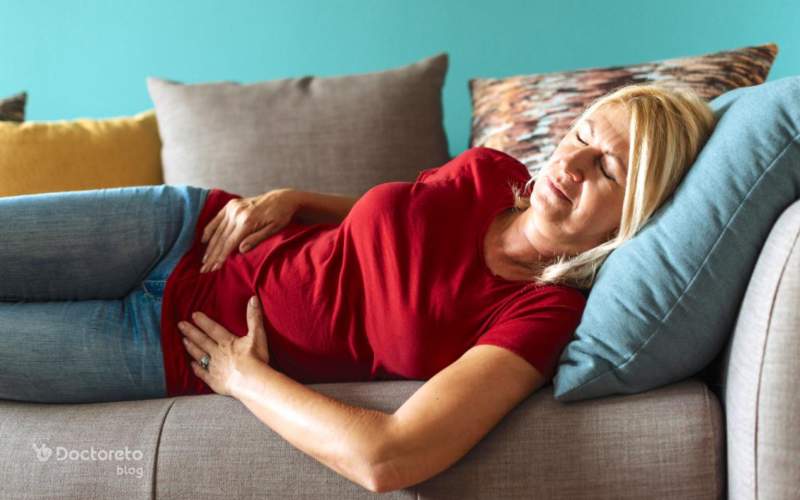
Some postmenopausal women may occasionally feel pain or pressure in the lower abdomen or pelvis. This pain can be dull, shooting, or even spasm-like. Part of this menopause pains can be caused by changes in the body during menopause, such as a decrease in the level of the hormone estrogen, which causes a decrease in the volume and flexibility of the pelvic tissues. However, ovarian pain after menopause is not always normal.
If the pain is severe, persistent, or accompanied by other symptoms such as abnormal bleeding, fever, nausea, or weight loss, it needs further investigation. In many cases, the cause of pain can be related to pelvic diseases or other serious problems, which early diagnosis is of great importance.
In general, occasional mild pelvic pain may be normal, but any sudden change in pain intensity or pattern should be considered a warning and a gynecologist should be consulted.
English text:
Quoted from naturesbest
As you approach menopause, oestrogen and progesterone levels rise and fall unevenly throughout your body, leading to an array of physical and emotional symptoms.
Persian translation:
As menopause approaches, the level of estrogen and progesterone in the body goes up and down irregularly, and this causes a variety of physical and mental symptoms.
Warning symptoms that require immediate medical attention
Some symptoms can indicate a serious problem in the pelvis or ovaries and require immediate medical attention. These symptoms include sudden, severe pain, abnormal postmenopausal bleeding, fever and chills, nausea and vomiting, or unexpected weight loss. Observing any of these signs should not be ignored.
In addition, pain associated with frequent or burning urination, or pelvic pain that worsens with physical activity, can be a sign of infection or urinary problems. Also, pains that shoot to the back or thigh may be caused by structural problems or internal adhesions and need to be investigated. Paying attention to these symptoms and seeing a doctor as soon as possible can help in timely diagnosis and effective treatment of diseases and prevent serious complications.
The cause of ovarian pain in menopause
Ovarian pain in menopause can be caused by various factors, from hormonal changes to structural problems or pelvic diseases. Next, we examine the most common causes and menopause side effects that cause this pain.
English text:
Ovarian pain can be attributed to several possible causes, including: Endometriosis: While rare after menopause, endometriosis may occur as a result of hormone replacement therapy and may cause significant pain. Ovarian cysts: While the incidence is low, older women may be affected by ovarian cysts. Farsi translation: Ovarian pain can have various causes. Although endometriosis is rare after menopause, it sometimes occurs due to the use of hormones and causes a lot of pain. Also, although the incidence is low, older women may develop ovarian cysts. target="_blank" rel="noreferrer noopener">volusonclub
1. Common causes of pelvic pain in menopause (non-ovulatory)
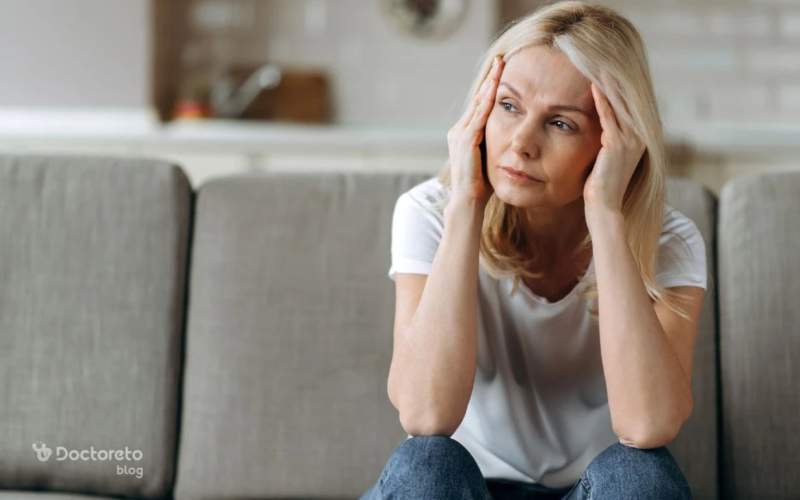
Sometimes pelvic pain in menopause is caused by problems that are not directly related to the ovaries. A decrease in estrogen levels causes vaginal atrophy, and with dryness and thinning of the vaginal walls, pain occurs during movement, exercise, or sex. Urinary problems such as urinary tract infections or irritable bladder can also cause hip pain.
Menopausal women are more prone to these problems due to hormonal changes, and the pain may be accompanied by frequent and burning urination. Also, the pain of the pelvic floor muscles can be caused by a decrease in muscle tone and the weakness of the pelvic supports. These pains are usually vague and scattered and can be improved with exercise or pelvic physiotherapy.
2. Ovarian cyst or mass after menopause
Although ovarian activity decreases after menopause, ovarian cysts or masses may still develop. These masses can be benign or malignant and usually cause dull or shooting pain on one side of the pelvis.
Ovarian cysts after menopause are less common than during fertility, but they are more likely to be malignant; Therefore, rapid diagnosis and imaging are of great importance. Pain from ovarian cyst may be aggravated by physical activity or abdominal pressure, and in some cases may be accompanied by bloating, nausea, or changes in bowel habits.

3. Residual endometriosis or its recurrence
Endometriosis is a disease that is usually common in reproductive age, but sometimes the remaining endometrial cells remain active after menopause and cause pelvic pain. This pain is usually chronic, vague and accompanied by pressure in the pelvis and may shoot down the back or thigh.
In some cases, mild bleeding or abnormal secretions are also seen. Endometriosis after menopause requires accurate medical diagnosis and is usually controlled with hormonal drugs or surgery.
4. Residual fibroids or polyps
Some women may still have uterine fibroids or uterine polyps after menopause, which cause pelvic pressure and pain. This pain is usually vague and constant and worsens with activity or touching the abdominal area. Fibroids usually shrink after menopause, but if they remain large or bleed, they need to be investigated and treated.
Uterine polyps can also cause mild pain, bleeding or a feeling of pressure in the pelvis and can usually be detected by ultrasound or hysteroscopy.
5. Pelvic infection in old age
Pelvic infections can cause ovarian and pelvic pain even after menopause. Symptoms include fever, severe pain, abnormal discharge, and general malaise. Infections usually require immediate treatment with antibiotics to prevent the infection from spreading and damaging the pelvic tissues. Postmenopausal women should take any sudden change in discharge or pelvic pain seriously and see a doctor immediately.
6. Pain after surgery or adhesion
Adhesions from previous surgeries, cesarean sections, or pelvic operations can cause chronic pelvic pain. This pain is usually sharp and vague and aggravated by movement or physical pressure. Adhesions can sometimes only be treated with surgery or special physical therapy methods. Paying attention to the history of surgery and the time of onset of pain can help in the diagnosis.
| Cause | Reason of pain |
|---|---|
| Hormonal changes of menopause | Estrogen reduction causes occasional pain or pressure in the pelvic area and lower abdomen. |
| Endometriosis after Menopause | Resistance or activation of endometrial cells (sometimes due to hormone use) causes pelvic pain. |
| Ovarian cysts after menopause | Creation of an ovarian cyst or mass can cause dull or shooting pain on one side of the pelvis. |
| Atrophy Vagina | Decreased estrogen causes dryness and thinning of the vaginal wall and causes pain during movement or sex. |
| Urinary tract infections or irritable bladder | Hormonal changes increase the risk of infection and cause pelvic pain with burning or frequent urination. |
| Weakness of the floor muscles. Pelvis | Decreased muscle tone supporting the pelvis leads to vague and scattered pelvic pain. |
| Ovarian mass or cyst with possible malignancy | Postmenopausal masses can cause pelvic pain with bloating or nausea. |
| Uterine fibroids The rest | Fibroids cause dull and persistent pain by causing pelvic pressure. |
| Uterine polyps | Polips cause mild pain, pressure or bleeding. |
| Pelvic infection in old age | Infection causes severe pelvic pain with fever and abnormal discharge. |
| Adhesions after surgery | Adhesions caused by previous surgeries cause chronic and excruciating pelvic pain. |
Diagnosis of the cause of ovarian pain in menopause
Diagnosis of the cause of ovarian pain in menopause is usually done with physical examination, pelvic ultrasound, blood test and sometimes MRI. By examining the symptoms and medical history, the doctor can distinguish between ovarian and non-ovarian pain. Sometimes, in special circumstances, it is necessary to use hormone tests to check the decrease or imbalance of estrogen and other hormones.
If a mass or cyst is suspected, accurate imaging and, in rare cases, sampling is necessary. Timely diagnosis allows effective treatment to begin faster and prevent serious problems, including malignancies or severe infections.
Treatment of ovarian pain in menopause based on the cause
The treatment of ovarian pain in menopause completely depends on its cause. If the pain is caused by atrophy of the vagina or pelvic muscles, using moisturizers, vaginal gels or pelvic floor physiotherapy is effective. For cysts, masses, or fibroids, treatment may include surgery, hormonal medications, or regular monitoring.
In cases of infection, antibiotics are prescribed, and pain after surgery is usually managed with anti-inflammatory drugs and physical therapy. Finally, lifestyle changes, regular exercise, healthy eating and stress management can help reduce menopause symptoms such as chronic pelvic pain during this time.
Conclusion
Ovarian pain in menopause is a common but complicated problem. Some pains are normal and related to hormonal changes, but some can be a sign of serious problems. Awareness of warning signs, accurate diagnosis and appropriate treatment play an important role in reducing pain and improving the quality of life of menopausal women. By taking care of pelvic health and seeing a gynecologist on time, you can avoid serious problems and go through menopause more calmly.
Your doctor takes care of your health!