
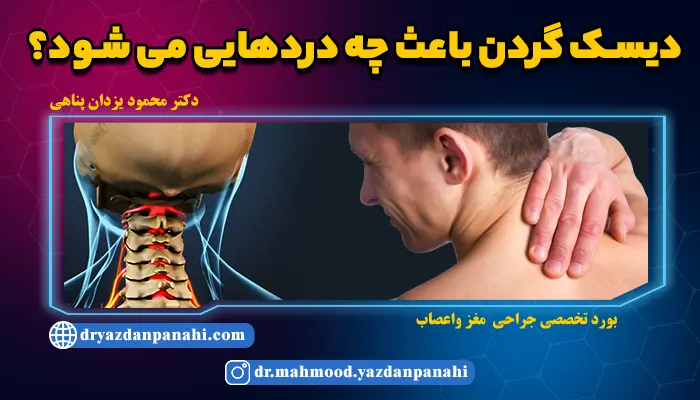
درد گردن و شانهها
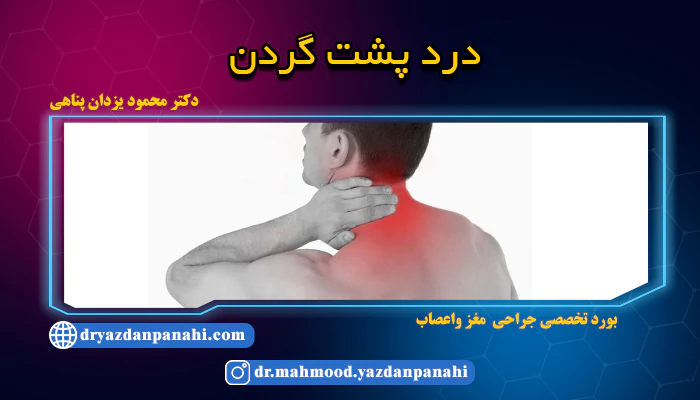
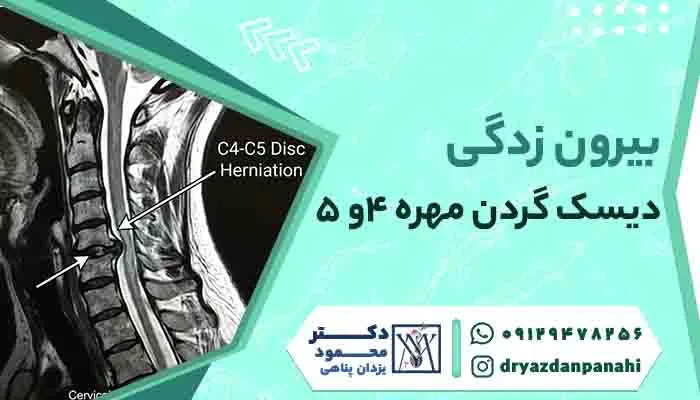
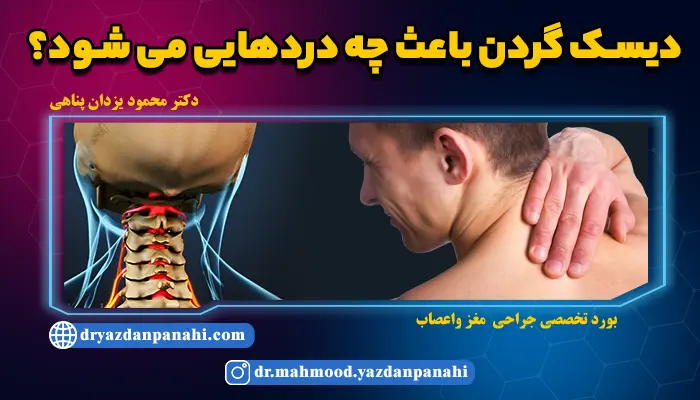
درد در ناحیه گردن و شانه، یکی از عوارض شایع مرتبط با دیسک گردن است. This pain can occur continuously or periodically, and in most cases, it is aggravated by head and neck movements. Limited range of motion and neck stiffness are other common symptoms of cervical disc. The origin of these pains can be the direct pressure of the damaged disc on the cervical nerves or the inflammation caused by the disc damage, one of the common questions about these symptoms is the age of cervical disc onset which is usually seen more in adulthood.
Radiopathic pain in hands and fingers
Other cervical disc symptoms can be referred to radiopathic pain in the hands and fingers. Cervical disc pressure on nerves related to hands and fingers can lead to radiopathic pain. This type of pain brings an annoying and sometimes excruciating sensation that appears as shooting, burning or tingling in the hands and fingers. In addition to pain, numbness and muscle weakness are other common side effects of radiopathic pain caused by cervical disc. This complication can make it significantly difficult to perform daily activities such as typing, writing, holding objects, and even driving.
Does cervical disc cause headache?
The pain that starts from the neck and extends to the back of the head and sometimes to the forehead and around the eyes can be a sign of "neck headache". This type of headache is one of the common complications of cervical disc. The most common cause of neck headache is the pressure caused by the damaged disc on the nerves and blood vessels in the neck area; Also, the erosion and inflammation of the neck joints can put pressure on the nerves and cause headaches.
Intercostal and upper chest pain
Disc damage in the lower neck can lead to pain in the upper chest and between the ribs. These pains, known as cervical disc chest pain, are usually felt as shooting or pressure in these areas and may be aggravated by deep breathing, coughing, sneezing, or certain body movements.Neck disc and chest pain
Cervical disc and chest pain often occur due to the compression of nerve roots in the neck area and can spread the pain to the shoulder, arm and even the front of the chest. This condition is sometimes confused with heart problems, but it is usually seen with symptoms such as hand tingling, dry neck, and pain intensification with head movement. Whether the disc of the neck hits the chest is a common question, and in many cases this pain propagation happens exactly like this. Timely recognition of this relationship and careful examination of the neck can prevent the progression of the injury and determine the correct treatment.
arm pain
Arm pain is one of the common symptoms of cervical disc that can extend from the shoulder down to the wrist or even the fingers. This pain can appear as shooting, burning, or dull and dark pain, and in some cases, it is accompanied by numbness or tingling in the arm and hand. The main cause of arm pain in the neck disc is the pressure of the damaged disc on the nerves related to the arm.Muscle spasm
Muscle spasm, or uncontrollable tightening of muscles, is one of the common complications of cervical disc disease that usually occurs in the neck and shoulders and can cause severe pain, stiffness, and limited movement.
Muscle weakness
Muscle weakness in biceps, triceps and hand muscles is one of the unpleasant side effects of cervical disc that can significantly affect the performance and abilities of the affected person. This complication usually occurs due to the pressure of the damaged disc on the nerves related to these muscles and the disruption of the transmission of nerve messages.

How is the treatment of pain caused by cervical disc?
Treatment of pain caused by cervical disc can be varied according to the severity and type of symptoms in each patient and includes non-surgical and surgical methods. In this text, we will review different treatment methods for cervical disc.
Non-surgical methods
There are several non-surgical methods for treating cervical disc herniation that can greatly relieve symptoms, including:
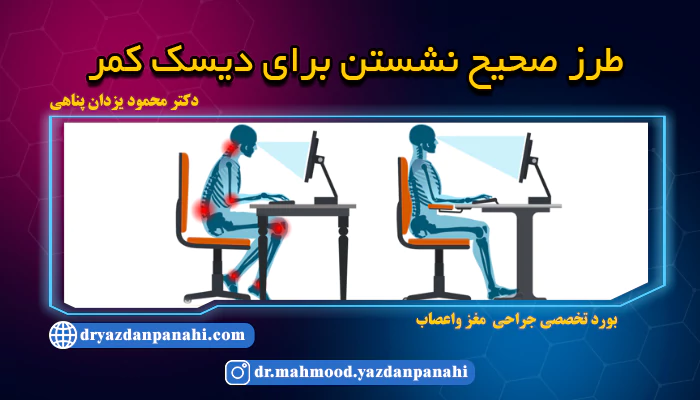
- In the early stages of neck disc treatment, it is very important to rest the neck and avoid activities that aggravate the pain. Making a change in the sitting and sleeping position can also help to reduce the pressure on the cervical discs.
- Nonsteroidal anti-inflammatory drugs such as ibuprofen and naproxen can help reduce inflammation and pain caused by cervical discs and work by blocking the production of prostaglandins, which are inflammatory chemicals; In some cases, the doctor may prescribe stronger pain medications such as opioid pain relievers or muscle relaxants to reduce muscle spasms and severe pain.
- Cervical disc improvement with physiotherapy is one of the most effective non-surgical methods for cervical disc treatment. Physiotherapists can design specific exercise programs to strengthen muscles and improve their flexibility. This work helps to reduce pain and pressure on the discs and improve the stability and balance of the neck; In addition, physical therapists may use massage and traction techniques to reduce pain and pressure on nerves and release spasmed muscles.
- Injecting steroids or other anti-inflammatory drugs into the area around the damaged disc can help reduce the inflammation and pain caused by the cervical disc. This method is usually recommended for people who have not responded to other treatment methods such as medication, physical therapy, or a cervical brace.
- A cervical brace can stabilize the neck and reduce its movement, which helps relieve pain and inflammation.
In cases where the pain caused by the cervical disc is severe, the doctor may recommend that you use a combination of the non-surgical methods mentioned.
Surgical methods
A discectomy is a surgery in which the damaged part of the intervertebral disc is removed to relieve pressure on the nerves that cause pain and numbness. This procedure is usually done for people who suffer from severe and persistent pain caused by cervical disc. Another method is vertebral fusion, which is a type of spine surgery in which two or more vertebrae are connected to prevent their movement. This can help reduce pain and instability caused by cervical disc.Vertebral fusion is usually the last resort for cervical disc treatment and is performed when other treatments such as medication, physical therapy, steroid injections, and discectomy have not worked. Disc replacement is a newer surgical method to treat this condition, in which the damaged disc is replaced with an artificial disc made of metal, plastic, or other material. This method can help reduce the pain and instability caused by the cervical disc while maintaining the normal movement of the neck.

What is the pain caused by cervical disc?
Cervical disc can lead to different and new problems that affect a person's daily life. Pain caused by cervical disc can include pain in the neck, shoulders, arms and even hands; Also, numbness, tingling, muscle weakness and spasm are other common symptoms. For accurate diagnosis and treatment of these pains, it is necessary to visit an experienced doctor. Using advanced diagnostic tools and their specialized knowledge, expert doctors can accurately determine the cause and severity of the problem and suggest appropriate treatment.
Cervical disc pain is a common problem, but it can be treated with procedures such as cervical disc surgery. By visiting an experienced specialist on time, you can avoid suffering and possible complications. If you have an opinion or experience related to this complication, share it with us in the comments section.