What is the secret of true happiness? 5 principles of psychology to have a calm mind and a happier life - Dr. Bayat Psychology and Neurofeedback Center

Dr. Hossein Bayat
ShirazPhD in health psychology
Many of us confuse happiness with fleeting moments and fleeting emotions. But psychological research shows that "happiness" is a multidimensional phenomenon that has a direct relationship with attitude, daily behaviors and life structure. If you are looking for a deeper understanding of the concept of true happiness and want to know how to achieve peace of mind, life satisfaction and lasting happiness through scientific methods, this article is exactly the resource you need.
In this specialized guide, relying on the latest positive psychology research, we examine what happiness is from a scientific point of view, what factors affect it, and how to achieve lasting happiness by changing thought and behavioral patterns. In the following, we will introduce five scientific principles on which reliable psychological researches and models agree.
What is happiness?
Happiness in psychology is a concept beyond the momentary feeling of happiness or pleasure. Researchers consider it as a set of stable satisfaction with life, experiencing positive emotions and reducing negative emotions. In other words, happiness is a kind of subjective well-being in which a person feels that his life is meaningful, valuable and satisfying.
According to the definition of "Ed Diener", one of the most prominent psychologists in this field, happiness includes three main dimensions:
- Satisfaction with life: a person's cognitive and logical assessment of the overall quality of his life.
- Positive emotions: Feelings such as love, hope, gratitude and peace.
- Low negative emotions: Low levels of anxiety, anger or sadness in everyday life.
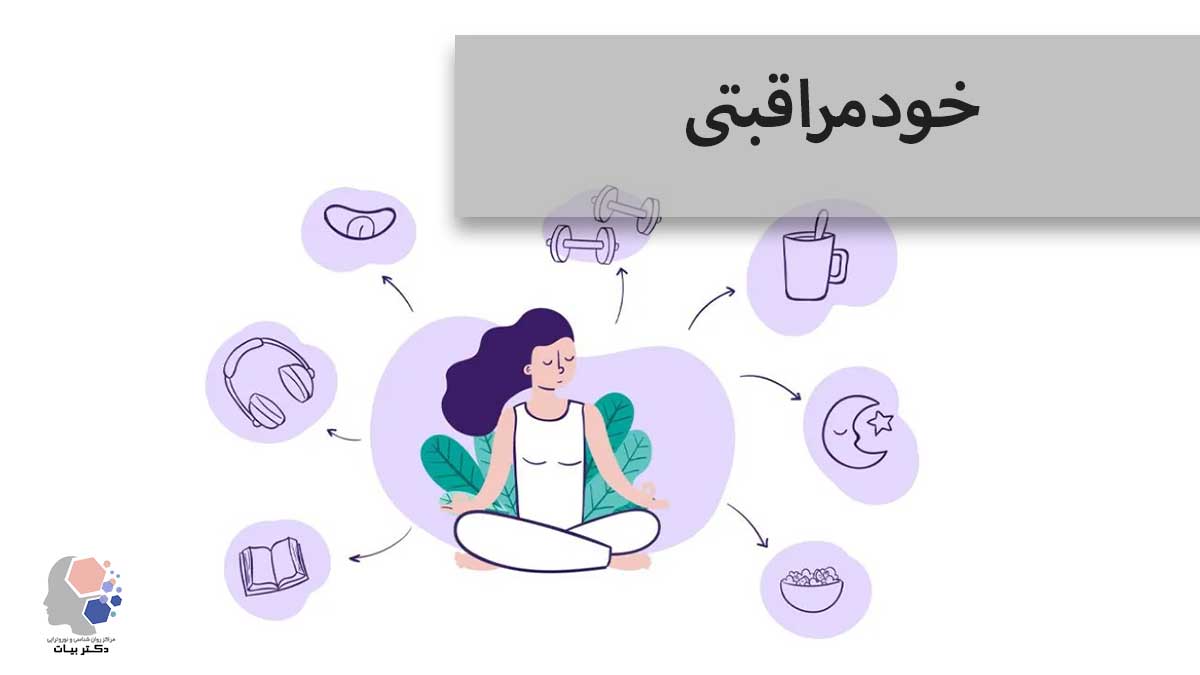
New studies published in the Journal of Positive Psychology (2022) and Frontiers in Psychology (2023) show that happiness is directly related to factors such as healthy social relationships, emotional regulation, meaning in life, quality sleep, regular physical activity, and mindfulness.
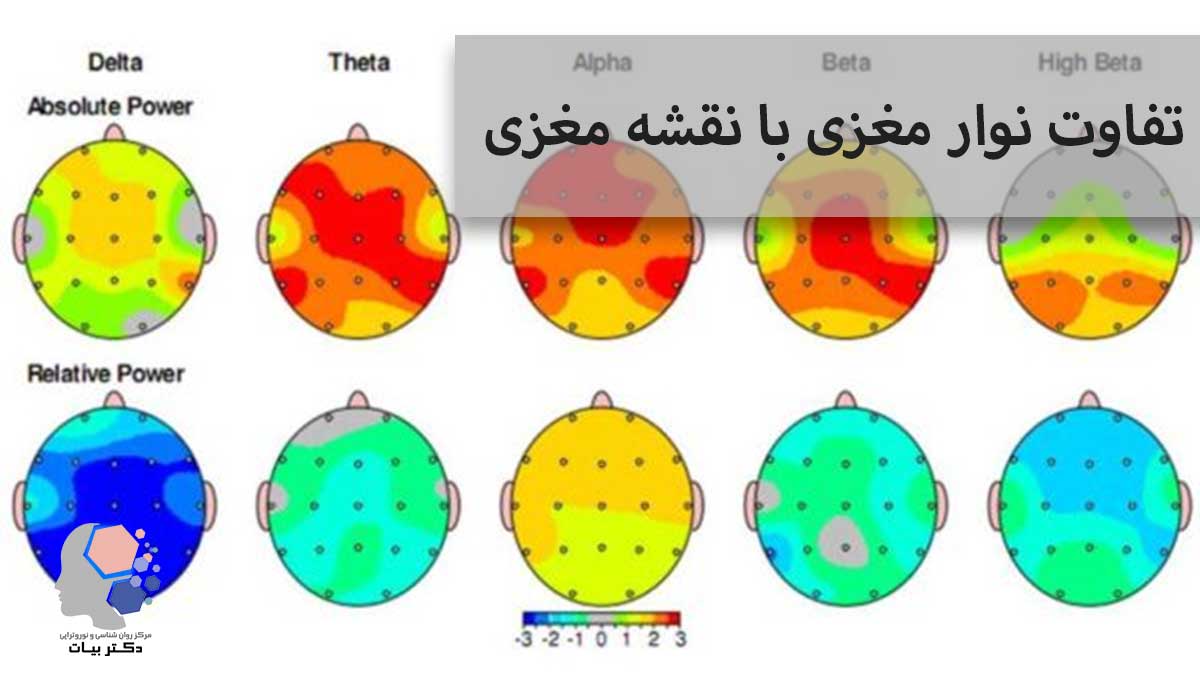
From the point of view of neuropsychology, happiness is related to the regulation of activity in brain areas such as the prefrontal cortex, amygdala and dopamine system; For this reason, methods such as neurofeedback, meditation and cognitive behavioral therapy can play an effective role in increasing it. Individual counseling can help you choose the best treatment methods such as neurofeedback and cognitive behavioral therapy.


The first principle: Cultivate positive emotions purposefully (Positive Emotion)
Happiness includes experiencing positive emotions (joy, gratitude, hope), but not continuously and purely; What research shows is that "positive purposeful activities" cause a lasting increase in happiness. Practices such as writing down three daily gratitude items, consciously enjoying the simple moments, and performing altruistic behaviors have a measurable impact on life satisfaction. Lyubomirski et al.'s studies show that positive purposeful activities can improve the level of happiness, provided they are appropriate, varied and continuous.
The second principle: Engage in activities that create "followers" (Engagement / Flow)
One of the most powerful sources of happiness is entering the "flow" mode; A state where a person is completely immersed in something, forgets time and gets deep satisfaction from doing it. Create flow conditions that include a balance between skill and challenge, clear goals, quick feedback; It helps to increase the meaning and satisfaction of life. Career, art, sports or any activity that puts you in this situation are long-term sources of happiness and in treatment of depression definitely play a role.
The third principle: Strengthen deep and meaningful social relationships (Relationships)
Extensive research shows that having strong social relationships not only increases happiness, but also affects physical health and longevity; Meta-analyses find the supportive effect of social relationships to be equal to or even greater than a large number of health factors. Investing in honest friendships, family, and support groups is a direct investment in your happiness.Fourth principle: Meaning and valuation
Sustainable happiness is linked to having a sense of meaning and purpose in life. Psychological models show that people who give meaning to their lives in something beyond themselves (family, meaningful work, beliefs, or service to others) have more satisfaction and resilience. Make a list of things that give you a sense of meaning and do at least one of them every month. In the process treatment of learning disorder with neurofeedback
The fifth principle: strengthening skills and attitudes (Accomplishment & Efficacy)
Research shows that happiness is partially influenced by personality traits, but another important factor is "intentional activities" that lead to personal empowerment and growth. Setting clear goals, learning new skills, and recording daily progress not only boosts a sense of competence, but also contributes to lasting happiness. Bandura's concept of "self-efficacy" is a practical guide in this regard: every experience of small success increases the chances of greater success.
How to implement the principles of happiness in everyday life? (simple weekly program)
- Saturday: write three things of gratitude + 30 minutes activity for "Flo".
- Sunday: meaningful contact with a friend + 20 minutes of skill learning.
- Monday: performing an altruistic act + practicing conscious breathing for 10 minutes.
- Tuesday: creative activity (painting, making, writing) to enter the flow.
- Wednesday: review weekly goals and record a small success.
- Thursday: participation in social or group activity.
- Friday: planning the week and doing a meaningful activity.

The effect of neurofeedback on happiness from the point of view of psychological science
According to a 2020 brain imaging study (Probing fMRI Brain Connectivity), the use of neurofeedback improved communication between brain networks related to happiness and relaxation. Also, a research review published in the Journal of Medical Internet Research in 2025 shows that combining neurofeedback exercises with mindfulness meditation can reduce stress, improve the level of sustainable happiness and Bayat Psychology and Neurofeedback Center so that our expert team will accompany you on the path to a happier life.
Scientific articles used in this content:
- Advances in subjective well-being research
- Consumer-Grade Neurofeedback With Mindfulness Meditation: Meta-Analysis
- The Journal of Positive Psychology
Frequently Asked Questions
What exactly is happiness?
Happiness is a state of inner satisfaction, mental peace and sense of meaning in life. Unlike temporary happiness, lasting happiness is the result of a combination of positive emotions, healthy relationships, meaning and personal growth.
What is the difference between happiness and happiness?
"Happiness" is usually a mental and philosophical concept, but "happiness" refers to positive feelings, satisfaction with life and the quality of human relationships from the point of view of psychology. Simply put, happiness is a scientific and measurable version of happiness.
What factors reduce happiness?
Chronic stress, lack of sleep, isolation, social comparison, and excessive focus on material goals are among the most important factors in reducing happiness. Adjusting lifestyle and psychological care can prevent its effects.
Is happiness related to career success?
Yes, research shows that happier people perform better, are more creative, and are more motivated at work. In fact, happiness is the cause of success, not its result.
Can neurofeedback help increase happiness?
Yes. By teaching how to regulate brain activity and reduce anxiety and stress, neurofeedback increases emotional balance and concentration, which, as a result, helps to improve the level of happiness and mental peace.