مقاله تخصصی
What is the cause of numbness in the left toes?
3 months ago
740 بازدید

Dr. Majid Kihani Fard
TehranNeurologist
Have you ever felt your toes go numb? Numbness in the toes is often a sign of a problem with the nervous system or blood circulation in this part of the body. The reasons that cause this condition are many and they range from simple factors such as wearing tight shoes or being exposed to the cold to more serious diseases such as multiple sclerosis (MS). In this article, I will tell you the cause of numbness in the left toes! Numbness of the toes: a symptom that should not be ignored
Our body has a complex network of sensory nerves that are responsible for our sense of touch. When these nerves are stressed, damaged, or irritated, just like a broken telephone wire, nerve messages cannot be transmitted properly. The result of this disorder is creating a sense of numbness that can be temporary or permanent. If you've ever experienced numbness, tingling, or burning in your toes, this problem can not only make it difficult to walk, but sometimes it's also painful. Numbness in the toes may indicate a simple and temporary problem or a more serious illness. If foot numbness continues chronically and for a longer period of time, it can lead to more serious consequences such as impaired walking and increased risk of foot ulcers. (If the numbness is not only in the area of your toe and you feel numbness in your entire foot, read the article on foot numbness.)
Symptoms of numbness in the toes
Numbness of the toes means that you lose the normal sensation in your toes. It can feel like you're wearing thick socks or your toes are falling asleep. In addition to numbness, you may experience other symptoms, including:
- **tingling**: tingling or tingling sensation in the toes
- **burning**: burning sensation in the toes
- **pain**: mild to severe pain in the toes
- **Weakness**: Difficulty in moving the toes or standing on tiptoes
It is important to note that the severity and type of symptoms can vary depending on the underlying cause of numbness. Why do my toes go numb? Numbness in the toes can have various causes ranging from simple and temporary factors to more serious diseases. Some of the common causes of numbness in the toes are:
- **lifestyle and environmental factors**: using tight and inappropriate shoes, heavy sports and excessive pressure on the feet and prolonged exposure to cold, excessive alcohol consumption
- **Injuries and injuries**: broken toes, damage to the spinal cord
- **بیماریها و اختلالات پا**: بونیون (انحراف شست پا)، نوروم مورتون (عصب گیر افتاده در پا)
- **drug factors**: some drugs such as chemotherapy drugs, blood pressure drugs
- **nervous system diseases**: Raynaud's phenomenon, multiple sclerosis (MS), Guillain-barre syndrome
- **vascular diseases**: diabetes, peripheral artery disease, vasculitis
- **Nutritional deficiencies**: vitamin B12 deficiency
If the numbness in the toes does not go away on its own or is accompanied by other symptoms such as pain, tingling, or weakness, we recommend that you consult a medical professional to determine the exact cause. ### Numbness in the toes after exercise: a common symptom or a serious problem? Many people experience numbness in their toes after high-impact sports such as running or martial arts. This often happens due to temporary compression of the nerves during exercise and usually resolves after the end of the exercise. But if you experience this numbness with symptoms such as sudden numbness on one side of the body (this could be a sign of a stroke or transient ischemic attack (TIA), muscle weakness, dizziness (read dangerous dizziness) or loss of balance, and a severe headache (read dangerous headaches), it may be a sign of a more serious problem, such as a stroke, heart attack, or neurological disorder, and requires immediate medical attention. Diagnosis of numbness of the toes
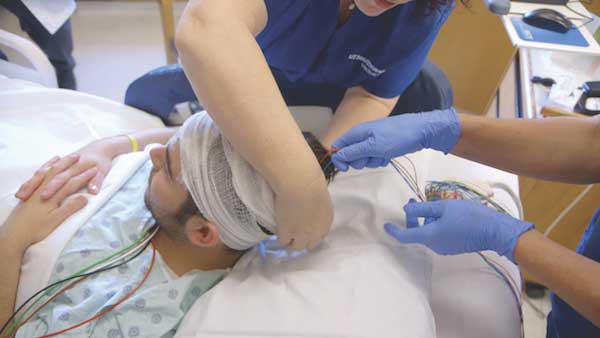
To diagnose the cause of numbness in your toes, your doctor will first ask questions about your medical history and symptoms. He will then perform a physical exam to check the affected area. He may also order the following tests:
- **CT scan or MRI**: to examine the brain and spine and diagnose problems such as stroke, tumor or disc herniation
- **Nerve conduction studies**: to evaluate the speed of transmission of nerve signals in the nerves
- **Electromyography (EMG) or nerve and muscle tape**: to check the electrical activity of muscles in response to nerve stimulation
These tests help the doctor diagnose the exact cause of the numbness in the toes. With an accurate diagnosis, the doctor can prescribe the right treatment for you. Treatment of numbness in the toes
The treatment of toe numbness depends on the underlying cause. Your doctor will prescribe the best treatment for you based on his diagnosis. In general, treatments may include:
- **Treatment of underlying cause**: If numbness is caused by diabetes, blood sugar control, regular exercise and healthy diet are of great importance. If the cause is nerve compression, the problem may be solved by changing habits and using medical devices
- **Medication**: Painkillers such as gabapentin and pregabalin are prescribed to relieve nerve pain. Some antidepressants are also useful for treating nerve pain. Nonsteroidal anti-inflammatory drugs (NSAIDs) are also used to reduce inflammation and pain
- **Complementary treatments**: Physiotherapy, acupuncture and massage may be useful in some cases
- **Lifestyle changes**: Using comfortable shoes that fit the size of your feet, taking care of your feet by checking your feet daily, trimming your nails regularly, using a moisturizer, and doing sports-style exercises to improve blood circulation.
For people with chronic foot numbness, special care is necessary. These people should perform regular foot examinations for early detection of wounds and skin problems. When should I see a doctor? Numbness in the toes can occur for a variety of reasons and is sometimes a sign of a more serious problem. If leg numbness is accompanied by any of the following symptoms, see a doctor or emergency room immediately:
- **Visual problems**: double vision, blurred vision, or seeing bright spots
- **Balance problems**: dizziness, loss of balance, or feeling light-headed
- **muscular weakness**: sudden weakness on one side of the body, difficulty in walking or moving the hands
- **sensory changes**: numbness or tingling in other parts of the body, reduced sense of touch (read the article Numbness of the head)
- **severe headache**: a headache that starts suddenly and is very severe
- **Changes in consciousness**: confusion, excessive sleepiness, or loss of consciousness.
- **Convulsions or involuntary movements**: Violent shaking, convulsions, or uncontrollable body movements
Even if leg numbness is present on its own, see a doctor if the numbness worsens, is accompanied by pain, interferes with daily activities, and does not improve. It is very important to accurately diagnose the cause of numbness and start treatment on time. summary
Numbness in the toes is usually not a disease by itself, but a sign of another problem in the body. For effective treatment, the doctor must diagnose the main cause of this numbness. The causes of numbness in the toes are varied and can range from simple factors such as wearing tight shoes or exposure to the cold to more serious conditions such as diabetes, stroke, vitamin B12 deficiency or multiple sclerosis.