In drooling, drooling or petialism, excess saliva in the mouth is involuntarily expelled. This situation is normal in the first two years of life; Because babies do not yet have full control of the muscles around their mouths. Drooling during sleep is also common in adults. However, sometimes drooling is a symptom of neurological diseases or problems such as cerebral palsy, Parkinson's disease, or swallowing problems that require evaluation by an internist. In this article, your doctor will explain the cause of drooling. Stay with us.
Physiological and natural cause of drooling
Drooling occurs when saliva is produced excessively or the muscles around the mouth cannot fully control it. This type of discharge can be normal in babies, young children and sometimes during sleep; But in some cases it will be due to neurological disorders, brain injuries or other medical conditions.
Treatments vary depending on the cause and include exercise, medication or surgery. We have further explained the physiological and natural causes of drooling.
Cause
The reason for this condition
Excessive production of saliva
Increasing the secretion of saliva more than the ability to control the mouth
Inability of the mouth muscles to control saliva
Weakness or disorder of the surrounding muscles in the mouth Saliva retention
Infancy and childhood
Limited swallowing, lack of front teeth and normal mouth opening
Teething in children
Gum stimulation and increased saliva production
Colds and allergies in children
Saliva secretion and disorder Swallowing
Pregnancy (especially the first trimester)
Hormonal changes affecting the salivary glands
Sleeping
Facial muscles relaxing and keeping the mouth open
Early sialuria
Excess secretion of glands Salivary
Secondary sialorrhea
Disturbance of neuromuscular control of the mouth
Inflammation and infection of the mouth or pest
Body's defense reaction and increased saliva
Use of certain drugs during illness
Stimulation of saliva secretion
Inappropriate artificial teeth or Loose
stimulation of the salivary glands and abnormal pressure on the mouth
deformation of the teeth or malformation of the bite
impairment in chewing and control of the mouth muscles
gastroesophageal reflux (GERD)
stimulation of mucus and increased salivation
Disorders Neuromuscular
mouth and pharyngeal muscle weakness
neurodegenerative diseases
mouth and swallowing muscle control disorder
swallowing disorder
inability to direct saliva to the stomach
pharyngeal muscle weakness or incoherence
saliva accumulation and overflow It
use of certain drugs (such as pilocarpine)
direct stimulation of saliva secretion
structural disorders of the jaw and mouth
anatomical inability to control saliva
In this table, all the causes of salivation are examined.>
Determining the exact cause of drooling usually requires a medical evaluation.
1. The cause of drooling in babies and children
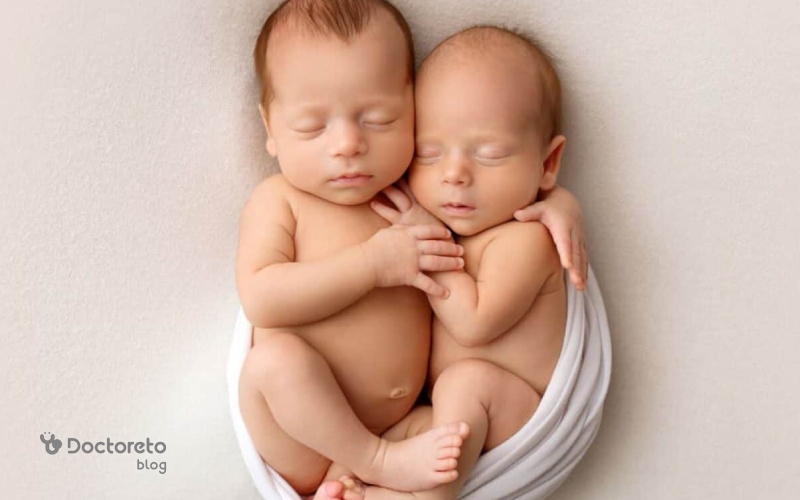
In babies and toddlers, drooling is a normal occurrence and sometimes it gets worse during teething. Other factors such as colds, allergies or excessive saliva production can also increase drooling in babies and children. Restrictions in the ability to swallow, lack of front teeth and the natural shape of the baby's mouth opening are also other common reasons for this.
2. Increased secretion of saliva in pregnancy
As one of the pregnancy complications, some women experience increased salivation or drooling. This condition is especially common in the first trimester of pregnancy and occurs in some women.
The exact cause is not known. Hormonal changes during pregnancy can directly affect the function of salivary glands and increase saliva production. In addition, nausea and heartburn, which are common in many pregnant women, are accompanied by an increase in saliva and cause the mouth to water.
English text: Drooling is generally caused by: Problems keeping saliva in the mouth. Problems with swallowing. Too much saliva production. Persian translation: Drying of the mouth is generally caused by the following: Difficulty keeping saliva in the mouth. Difficulty swallowing. Excessive saliva production
3. Drooling during sleep due to the muscles relaxing and the mouth remaining open
One of the common reasons for mouth watering while sleeping is the relaxation of the facial muscles and keeping the mouth open. During sleep, the muscles of the body usually relax and if the mouth remains open, saliva overflows from the lips and falls on the pillow. Sleeping position also plays a role in this; People who sleep on their side most of the night are more prone to watery mouth. Therefore, body position and muscle relaxation in sleep are natural and common causes of this phenomenon.
Oral and dental causes of drooling
Drooling of the mouth can be caused by excessive secretion of salivary glands (primary sialorrhea). But it is often caused by neuromuscular control disorders and voluntary mouth movement problems (secondary sialorrhea). This disorder causes the overflow of saliva from the mouth and is sometimes related to oral and dental diseases.
Inflammation and infection of the gums and mouth or plague
gum infection, inflammation or mouth sores such as canker sores increase saliva production and cause mouth watering. This situation can be a defensive reaction from the body. In addition, the drugs that are used during the illness also increase the secretion of saliva in some cases.
2. Improper dentures or loose dentures
Prosthesis teeth that do not fit properly on the gums and jaw, lead to an improper bite and overstimulation of the salivary glands. As a result of this incident, the person will have a drooling mouth. They insert too long or loose dentures and increase saliva production. In addition, improper dentures also provide the basis for oral infection; which itself causes more stimulation of saliva secretion and causes long-term oral problems.
3. Deformation of teeth or bite malformation
People with misaligned teeth or bite abnormalities have difficulty chewing food. In such a situation, the mouth muscles are involuntarily overactive or relaxed. This condition can cause drooling, gurgling or swallowing problems and complicates oral care.
Also, untreated tooth decay, oral infection, or GERD can increase saliva production. Some sedative and anticonvulsant drugs may also cause an increase in saliva as a secondary factor.
English text: Drooling may be a result of hypersecretion (primary sialorrhea) of the salivary glands but is more commonly due to impaired neuromuscular control with dysfunctional voluntary oral motor activity that leads to an overflow of saliva from the mouth (secondary sialorrhea). salivary glands, but mostly due to impaired neuromuscular control with impaired oral motor activity that leads to overflow of saliva from the mouth (secondary sialorrhea).
Cerebral-neurological causes
Nervous and brain disorders can lead to drooling; Especially neuromuscular diseases such as myasthenia gravis, oculo-laryngeal muscular dystrophy and ALS. Also, neurodegenerative diseases such as Parkinson, multiple system atrophy (MSA) and progressive supranuclear palsy (PSP) also disrupt the control of the muscles of the mouth and pharynx and cause salivation.
In these patients, muscle weakness and swallowing coordination defects make saliva not collect normally. As a result, saliva overflows from the mouth, which is one of the important causes of drooling in adults with neurological disorders.
Swallowing disorders and pharyngeal muscles
Many cases of drooling are caused by swallowing disorders. That is, in a situation where a person cannot properly direct saliva to the stomach. This problem can usually be diagnosed by physical examination and examination of the patient's condition. Weakness or incoordination of pharyngeal muscles can lead to the accumulation of saliva and its overflow from the mouth, which is seen in many patients with nerve or muscle problems.
Digestive and pharyngeal cause of drooling
Patients with Gastroesophageal Reflux (GERD) usually have irritated mucosa that triggers excessive saliva production, belching, and acid reflux. The saliva produced in this case may taste sour or bitter. Management of this problem includes lifestyle modification, dietary changes, and medical advice to reduce reflux. The use of antacid drugs or drug regulation also controls drooling.
Drugs that can cause drooling
Some drugs directly increase the secretion of saliva; including pilocarpine (Salagen) and Swimelin (Ovoxac), which are prescribed to treat dry mouth. Also, drugs such as aripiprazole, clozapine, ketamine, risperidone and pyridostigmine also cause excessive saliva production. Users of these drugs should be under the supervision of a doctor.
structural and anatomical causes of mouth and jaw
Structural disorders of the jaw, the height of the roof of the mouth or the improper shape of the gums can cause the inability to control saliva and its overflow from the mouth. Abnormalities of the jaw and teeth are caused by inheritance or by trauma and disease.
These problems will lead to increased mouth watering. In many cases, dental or orthodontic treatments correct these problems and reduce the amount of drooling; especially when the reason is structural weakness or abnormality.
Digestive and pharyngeal problems cause mouth watering.
Conclusion
Drying of the mouth can have various causes; From natural and physiological conditions to dental, structural, neurological and medicinal factors. Accurate diagnosis of the cause by a doctor or dentist is very important so that appropriate treatment can be started, including dental prosthesis modification, drug therapy, management of neurological diseases or lifestyle changes. If you are familiar with the types of causes of drooling, you can find the best methods of prevention and even treatment of this problem.
Your doctor takes care of your health!
Frequently Asked Questions
Often, drooling in sleep is caused by reasons such as deep sleep, fatigue or sleeping position. However, persistent or severe runny nose may be related to nasal congestion, sinusitis, allergies, sleep apnea or, in rare cases, neurological diseases.
Yes, sleeping on your side or stomach with your mouth open Increases salivation during sleep. Sleeping on the back and using methods such as mouth tape to breathe through the nose help to reduce this problem.
Yes, inflammation of one of the main salivary glands (parotid, submandibular or Linguistic) increases the production of saliva and causes drooling. In children, teething or poor oral hygiene can be the cause of this problem.