Iranians know it as Bakhtak; You may have experienced it too: you wake up in the middle of the night and open your eyes, but you can't move or speak. This experience is very terrifying and at the same time very amazing. What is known as sleep paralysis is actually a physiological phenomenon called sleep paralysis, in which the mind becomes alert but the body remains locked. The good news is that sleep paralysis is not dangerous for the body in any way, but there are ways to treat it. Read the rest of this article to learn more about the causes, complications and treatment solutions for sleep paralysis. class="lwptoc_item"> What is sleep paralysis?
مقاله تخصصی
What is sleep paralysis? Causes, complications and ways to treat sleep paralysis
6 days ago
878 بازدید
What is sleep paralysis?
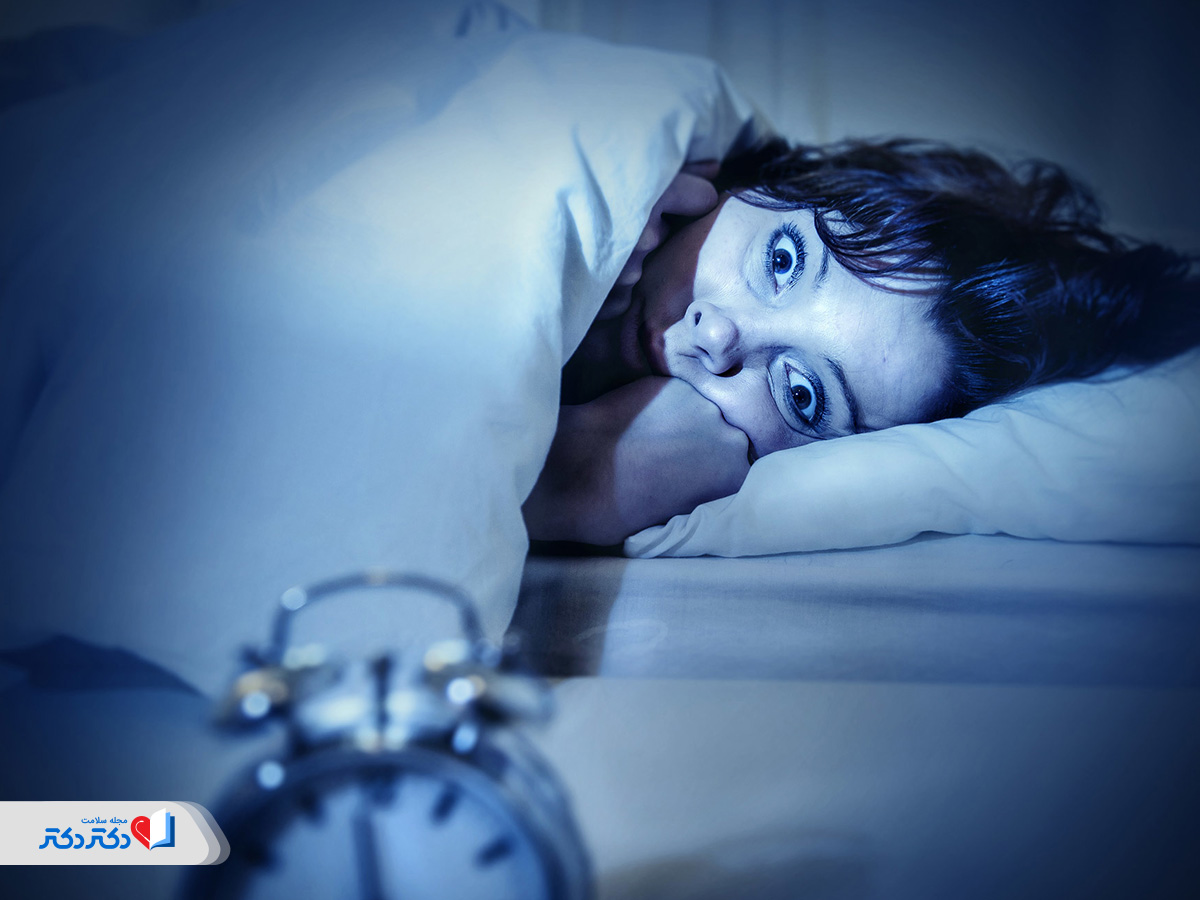
Sleep paralysis is a phenomenon in which a person is mentally alert and awake, but cannot move or speak for a short time. This state often occurs during the transition between sleep and wakefulness and may last from a few seconds to a few minutes. Although sleep paralysis is a frightening and disturbing experience, it is often not dangerous and does not cause harm to the body.
Historically and culturally, this experience has been explained in many societies by legends and local beliefs. For example, in Iranian culture, sleep paralysis is referred to as bakhtak, and in many other cultures, it is attributed to otherworldly factors such as the attack of demonic creatures or magic. However, from the point of view of medical science, sleep paralysis is a relatively common phenomenon and about 20% of people experience it at least once in their lifetime. In normal REM sleep, the brain creates a state called "muscular atonia," meaning that the body's voluntary muscles are temporarily paralyzed so that the person cannot perform the movements of their dreams in the real world. Sleep paralysis occurs when atonia continues after waking up and the person is unable to move his body while being fully aware of his surroundings.
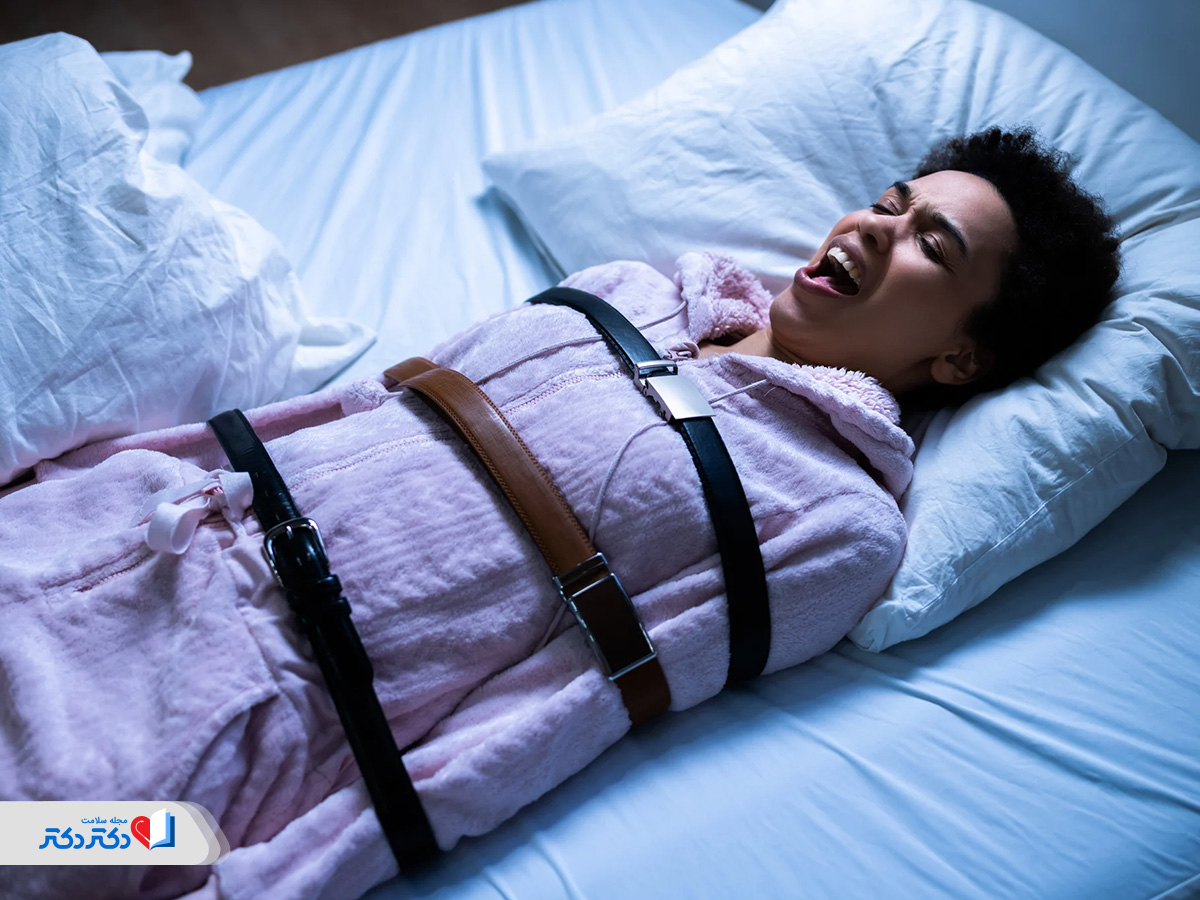
The researchers of this The state is considered a mixed state of consciousness that has both the characteristics of wakefulness and the characteristics of REM sleep at the same time. In this situation, despite the paralysis of the body, the brain is still active and can be affected by the images and sensory experiences of the dream world. For this reason, many people experience vivid, vivid and sometimes frightening multisensory hallucinations during sleep paralysis.
The difference between sleep paralysis and nightmares and other sleep disorders
Sleep paralysis and nightmares have fundamental differences, the most important of which is the level of consciousness and the time of occurrence. Nightmares are vivid and disturbing dreams that occur during REM sleep and unconsciousness. On the other hand, sleep paralysis is a mixed state in which the person is aware of the real environment, but simultaneously experiences dream-like images and experiences. Sleep paralysis often occurs at the beginning of falling asleep or when waking up, while nightmares often occur in the late hours of the night.
Sleep paralysis is different from lucid sleep and some sleep disorders such as narcolepsy (nervous sleep disorder). In a lucid dream, a person knows that he is dreaming and can sometimes have relative control over the content of the dream, but he does not experience the feeling of physical weakness and paralysis. Sleep paralysis may occur as an independent phenomenon, but sometimes it is considered one of the symptoms of narcolepsy. Narcolepsy is a neurological disorder in which the brain is unable to properly regulate the sleep-wake cycle. Unlike simple sleep paralysis, narcolepsy is accompanied by severe daytime sleepiness and sudden sleep attacks.
Symptoms and symptoms of sleep paralysis
The main symptom and indicator of sleep paralysis is atonia, which is the temporary inability to move the limbs, trunk or head, or the inability to speak. In this condition, the person is fully aware of their surroundings and can often move their eyes, but other parts of the person's body feel immobile or "frozen". This experience is often accompanied by extreme fear, panic or a feeling of complete helplessness.
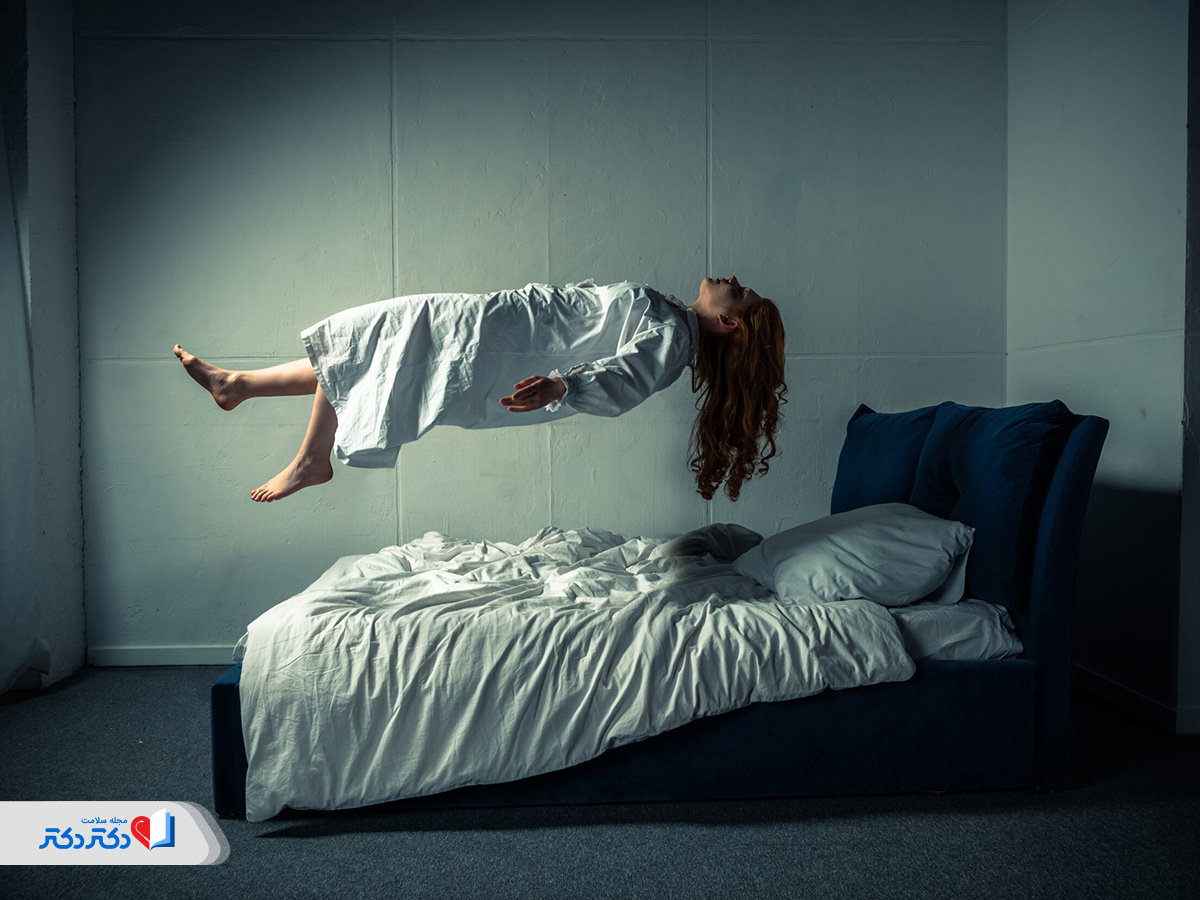
In sleep paralysis, hallucinations such as the presence of a threatening or evil creature in the room, the illusion of pressure on the chest with a feeling of suffocation, or the illusion of movement and balance such as the feeling of floating, flying or the experience of leaving the body may plague the person. Of course, these hallucinations are temporary and differ from the type of hallucinations of severe mental disorders such as schizophrenia. Also, other physical symptoms such as sweating, headache, muscle pain and hearing unusual sounds such as hissing or buzzing may also occur during sleep paralysis.
What is the cause of sleep paralysis?
The exact cause of sleep paralysis is not yet fully known, but lack of sleep and irregular sleep are considered to be the most important risk factors. People like students, shift workers, or people with jet lag are more prone to sleep paralysis because their sleep-wake cycles are regularly disrupted. Sleeping on your back can also increase the likelihood of experiencing sleep paralysis. Other contributing factors include:
- Level of mental health: High stress, anxiety, bipolar disorder, and post-traumatic stress disorder are strongly associated with sleep paralysis.
- Underlying diseases: Problems such as obstructive sleep apnea and high blood pressure can contribute to sleep paralysis.
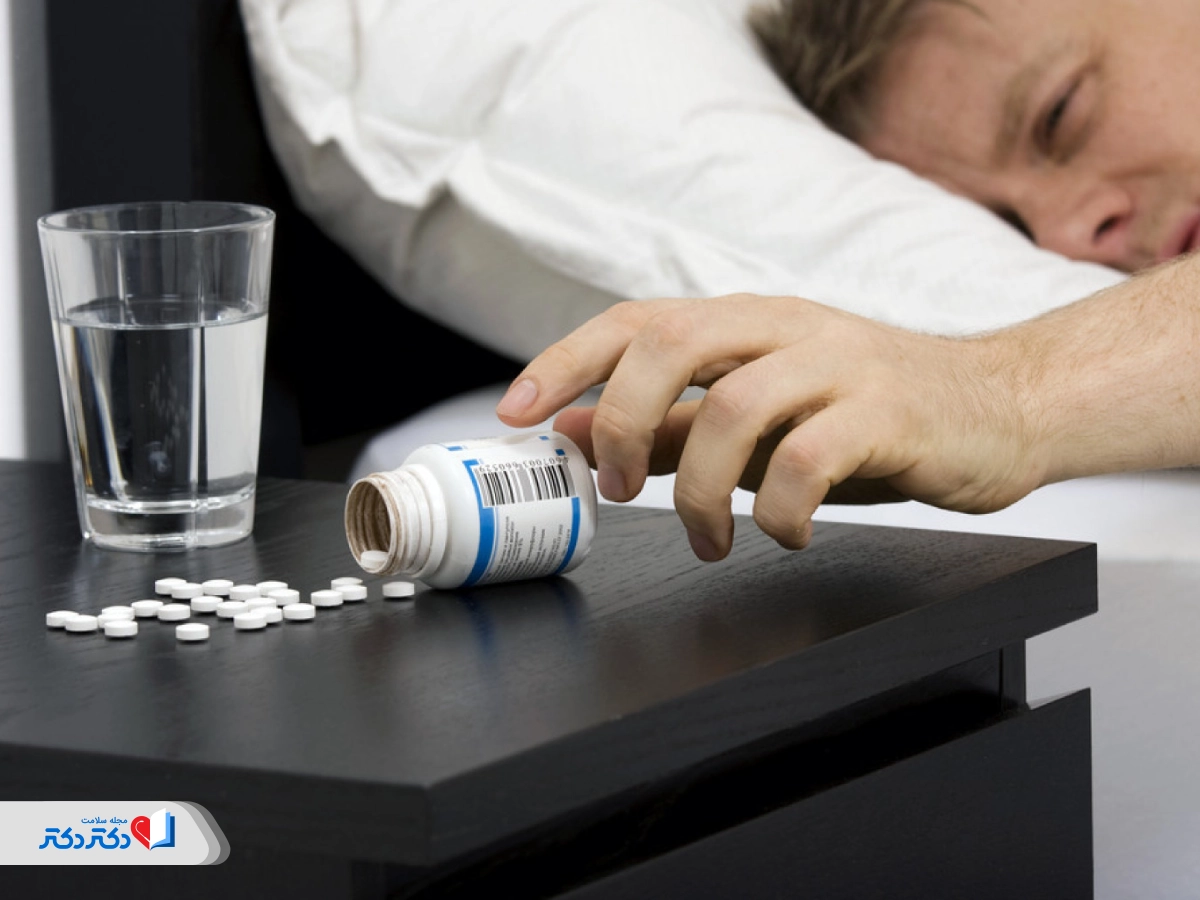
- Drugs and medications: Alcohol use and certain medications such as symptom management medications ADHD can cause sleep paralysis.
- Genetics: There is evidence that sleep paralysis may be hereditary in families and have a genetic factor.
If you need to consult a specialist to identify the exact cause of sleep paralysis, refer to the DoctorDoctor website. Doctor Doctor has provided you access to online psychiatrist and online pharmacy so that you can get help from the most experienced mental health specialists in Iran without wasting time.
What are the complications of sleep paralysis?
For most people, sleep paralysis does not have serious medical complications and is often harmless. However, about 10 percent of people who experience frequent sleep paralysis may experience severe bedtime anxiety. The fear of repeated sleep paralysis can cause sleep avoidance, and this issue leads to chronic lack of sleep and worsening of the problem.
Improper sleep cycle causes daily sleepiness and this flow affects a person's work, studies and social life. Also, the unpleasant feelings experienced in severe sleep paralysis may persist and cause states of anxiety and depression the next day. Although sleep paralysis does not harm the body, its psychological effect can reduce a person's quality of life, causing the occurrence of 25 important symptoms depression and fuel other types of mental disorders.
Is sleep paralysis dangerous?
Sleep paralysis is often harmless and without physical damage. Although the experience of not being able to move or speak while awake seems scary, medically, sleep paralysis is just a sleep disorder and is not considered a medical emergency. Most cases of sleep paralysis last from a few seconds to a few minutes and go away on their own, with no long-term physical effects.
Sleep Paralysis and Death, Fact or Myth
That sleep paralysis can cause death is just a myth. Medical articles have always evaluated sleep paralysis as a harmless phenomenon. However, the fearsomeness of sleep paralysis has caused more than 100 different cultures to create otherworldly explanations for it, such as an attack by demons, and consider it deadly and associated with evil beings.
Despite the intense fear of people and the background of cultural error, there are no recorded cases of death directly from sleep paralysis itself. Fear of death is often caused by the illusion of chest compression, where the person feels a heavy pressure on their chest or that they are suffocating. Although this feeling is real and intense, the diaphragm still functions normally during sleep paralysis and does not cause any health problems.
Methods to treat and prevent sleep paralysis
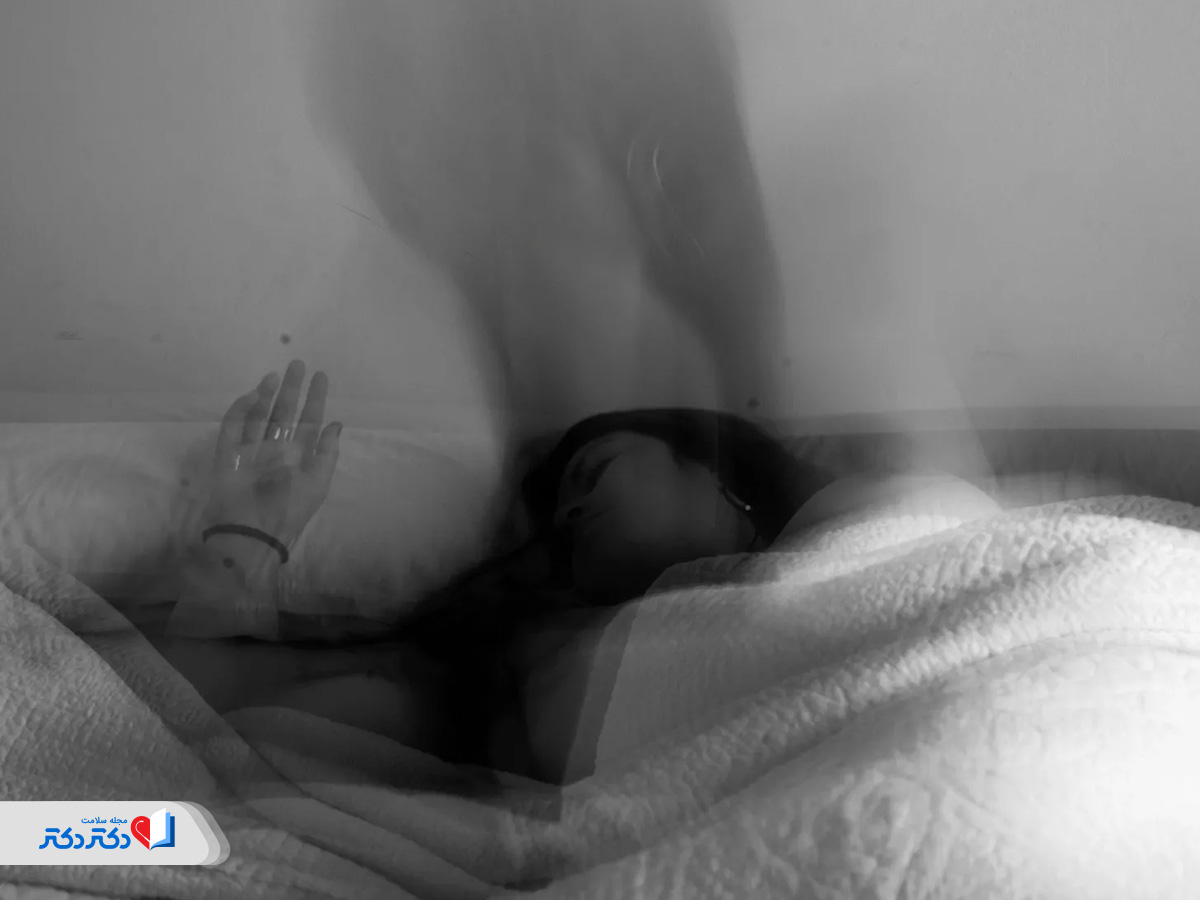
Sleep paralysis is often managed by improving sleep hygiene and having a regular lifestyle to stabilize the sleep cycle. Experts recommend that adults get 7 to 9 hours of quality sleep a night and have a regular bedtime and wake-up time even on weekends.
Other effective prevention methods include avoiding sleeping on the back, managing stress with mindfulness techniques, relaxation, and reducing the consumption of stimulants such as caffeine, alcohol, and nicotine before sleep. Also, if sleep paralysis occurs, the feeling of sleep paralysis can be overcome by focusing on slow movement of a body part, such as the fingers or soles of the feet.
For people who experience frequent or severe sleep paralysis and who suffer from pre-sleep anxiety, clinical interventions such as cognitive behavioral therapy (CBT) can be helpful and manage anxiety and negative thoughts about sleep. In some medical cases, especially when sleep paralysis is associated with other mental sleep disorders, the doctor may prescribe antidepressants or stimulants to regulate the REM cycle and reduce the frequency of sleep paralysis.
The Last Word of Dr.
Sleep paralysis is a state in which the mind is alert but the body is temporarily paralyzed and immobilized. This experience is frightening, but harmless, and is physiologically just a disturbance of the transition between REM sleep and wakefulness. Factors such as lack of sleep, stress, sleeping on the back and underlying sleep disorders can aggravate sleep paralysis. Observing sleep hygiene, having a regular schedule, avoiding triggers and mindfulness techniques are useful in improving these conditions. However, if the basic methods do not work for you and you are looking for a more effective solution, use the option of receiving an in-person or online doctor doctor appointment right now and contact the best and most professional mental health specialists, psychologists and psychiatrists in Iran. Also, if necessary, you can order the medicines you need from the online pharmacy of DoctorDoctor Ham and have them delivered to your home. DoctorDoctor is by your side to overcome any physical and mental challenges safely and improve the quality of life for you and your loved ones.
Frequently Asked Questions
Why do some people have recurrent sleep paralysis?
Recurrent sleep paralysis often occurs when the normal sleep-wake cycle is disrupted. Factors such as lack of sleep, irregular sleep schedule, stress and anxiety, sleeping on the back, sleep disorders such as narcolepsy or apnea and even family history can cause repeated experience of sleep paralysis. class="fi-accordion-icon icon-opened" style="display:none"> Can sleep paralysis lead to physical harm?
When should you see a doctor for sleep paralysis?
What Techniques to reduce the frequency of sleep paralysis are effective?
Resources
Tags:
The content of this article is for your general information only and does not constitute medical prescription.