
What is pessimism and negativity and how is it treated?

Mohammad Pirizi
TehranCounselor and psychologist
What is pessimism and negativity schema and how is it treated?
What is pessimism and negativity and how is it treated?The Pessimism and Negativity Schema: The Hidden Enemy of Happiness in Your Life
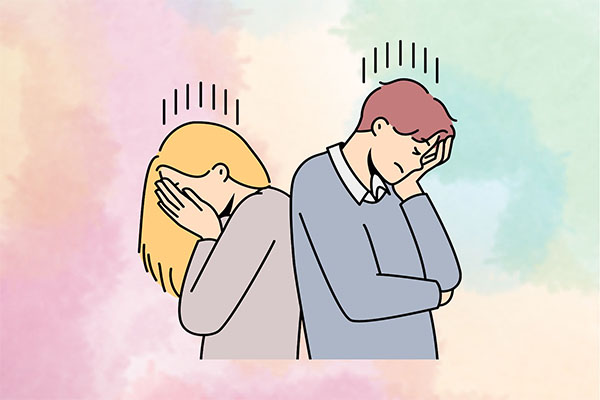
Negative view of life and pessimistic perceptions of oneself or others, always prepares the person's mind to accept unpleasant events and puts him in a tense situation. This type of view causes a person to distance himself from others and avoid situations towards which he has a negative feeling.
When this negative mentality affects almost all aspects of life and continues in an exaggerated form, there is a possibility of suffering from the schema of negativity and pessimism. If you want to know what the schema of pessimism and negativity is, how it arises and how to deal with it, don't miss the rest of the article.


What is the schema of pessimism and negativity?
In some people, the mind is conditioned to focus more on setbacks, risks, and failures than on opportunities and positive moments. If this pessimistic view becomes the dominant part of the personality, the person may suffer from pessimism and negativity schema. In this case, a person's general view of life, decision-making and communication with others is often associated with fear of negative consequences, despair and chronic pessimism.
The pattern of pessimism and negativity is usually formed during childhood and in families that either did not provide a happy and safe environment for the child to play and spontaneity, or the parents themselves looked at life with a negative view. Sometimes, sudden events such as bankruptcy, illness or loss of home destroy the sense of security in a child, and as a result, instead of trust and hope, he grows cautious and always ready to face the worst.
In adulthood, this mentality may make a person afraid of making decisions, constantly complaining or worrying and not even being able to enjoy his successes. The surrounding people usually distance themselves from such a person, because the atmosphere of communication with him is full of negative energy.
Chemical treatment of pessimism and negativity is possible with the help of schema therapy. The therapist helps the person to recognize the roots of this pessimism in his past, to become familiar with his unhealthy defenses and to build a healthy inner adult part that can realistically measure threats and look at life with a clearer vision. The goal is for a person to learn to provide a sense of security from within, not from fears and negative predictions.

Characteristics of people with pessimism and negativity schema
People who engage in pessimism and negativity schemas are often characterized by characteristics that trap them in a cycle of fear, worry, and avoidance of joy in life. The key characteristics of these people are as follows:
1. Catastrophic mentality
Constant tendency to imagine the worst possible situation, even in normal and safe situations.
2. Chronic preoccupation with bad events
Constant worry about the future, regardless of realistic evidence.
3. avoidance of challenge due to fear of failure
These people often avoid new situations and growth opportunities because they consider the possibility of failure or rejection to be too high.
4. Focusing on risks and ignoring opportunities
In dealing with any issue, their mental priority is to examine the problems and threats, not the positive or hopeful aspects.
5. feeling of helplessness and inner weakness
Due to chronic negative thoughts, their self-confidence is weakened and they consider themselves lacking the necessary capabilities.
6. Continuous self-criticism and blame
Their inner dialogue is often filled with blame, self-deprecation, and negative beliefs about personal adequacy. (Yang, Jeffrey, 2016, schema therapy: a guide to the treatment of personality disorders, anxiety and depression based on schemas, translated by Hamid Poursharifi and Zahra Andoz, Arjmand Publications.)

The roots of pessimism and negativity schema formation
The roots of pessimism and negativity schema formation lie in childhood and early experiences:
1. Tense and uncertain family environment
Growing up in a family that always emphasizes problems, dangers and failures makes the child perceive the world as a threatening place.
2. Pessimistic or depressed parents
If the parents themselves had a negative outlook on life (for example, they constantly worried about the future or expected bad things to happen), this pattern is passed on to the child.
3. Instability or significant losses in childhood
Experiences such as the death of a parent, financial bankruptcy, forced migration, serious illness or divorce may be the foundation of this schema.
4. Ignoring the positive aspects of life
In families where fun, games, laughter and encouragement are scarce or absent, the child learns to focus only on the threatening aspects.
5. Encouragement to be "cautious" instead of "hopeful"
Some parents, with the intention of protecting the child, constantly inform him of the dangers, but these constant warnings teach the child that he should always be worried.
6. Frequent and harsh criticisms
If a child is constantly raised with disparaging criticism or fear of failure, his mind will gradually focus on "what could go wrong."

Solutions to deal with pessimism and negativity schema
If you feel that your mind is more involved in bitter predictions and hopeless scenarios, it is possible that the schema of pessimism and negativity has been activated in you. Of course, the accurate diagnosis and basic treatment of this issue requires the assistance of a professional schema therapist, because there may be disorders such as depression or obsession along with the schema of pessimism and negativity. However, some self-help measures can help reduce the effects of this pattern:
1. Practice writing daily positive notes
Instead of staying in the quagmire of negative thoughts, write down a few small but positive events of your day every day. This simple exercise will gradually change your perspective and get the mind used to seeing the bright side of life. Even writing a sentence of gratitude daily can slowly correct your mental path.
2. Searching for meaning in the heart of crises
Learn to see an opportunity for growth or a hidden lesson in every unpleasant event. The end of a job, separation from a relationship or even failure in a goal can all be a prelude to better things; If you change your look.
3. Practice realism instead of pessimism
Your mind may be used to imagining the consequences to be worse than they are. At these times, ask yourself, "Is there real evidence for this fear?" or "Is it likely that a different outcome would have occurred?" Returning to logic can prevent exaggerations of the mind.
4. Motivational sentences are not enough
Although statements like "I can do it" or "everything will work out" are seemingly positive, they are not enough for a mind deeply imbued with pessimism. In these cases, specialized psychotherapy interventions, especially schema therapy, is a deeper and more effective approach that targets the root of these thoughts.
In the end, if you feel that your mind is constantly occupied with negative thoughts and predictions of failure, it is better to seek the help of a professional therapist to help you find a new perspective on yourself, life and the future. Change is possible, but sometimes you need someone from outside to hold your hand.

Conclusion
A mentality that always considers the worst possibilities, takes away the opportunity to experience happiness, peace and hope. The schema of pessimism and negativity has exactly such a role; Focusing on risks and possible mistakes instead of seeing the positive aspects of life. This way of thinking can make a person feel worried, afraid of failure and distrustful of the future in any situation.
To overcome this mental pattern, you must first recognize it: its signs, roots, and effects on everyday decisions and relationships. Then, with the help of awareness and practicing mindfulness and recognizing unrealistic thoughts, step by step you can get out of this cycle.
However, if pessimism and negativity are deeply rooted in your life, seeing a schema therapist can pave the way for deep and lasting changes. This article is just the beginning of the path of awareness; It is better to continue the treatment with a therapist.
Make an appointment:
To receive individual advice from the specialists and consultants of Pirouzih Clinic, just call the following numbers:Yeproozi contact number:
 02177431649
Qaitariya contact number: 02126456903
02177431649
Qaitariya contact number: 02126456903
Working hours
days of the week 8:00 – 17:00 Thursday with coordination Friday Holidayhref="tel:+982177431649">021-77431649
Latest content
Behzadi2025-10-16T21:31:24+00:00 October 16th, 2025|no View
Why do some people avoid intimacy? Getting to know the avoidant attachment style is one of the behavior patterns that is rooted in the early life, the avoidant attachment style. The way people to establish [...]

The effect of forgiving betrayal on mental health and emotional relationships
amini2025-08-25T16:04:14+00:00 August 21st, 2025|No view
Can betrayal be forgiven? A psychological look at forgiveness of betrayal. Facing betrayal in an emotional relationship can be one of the heaviest and most complex experiences in life. When trust [...]
Daily visit: 3Register an appointment
You can set up a consultation session through this button...
make appointment amini2025-08-24T23:11:28+00:00Clinic Address
Tehran Province, Tehran, Piroozi St, MFVR+298, IranBranch 1:
Pirooz Branch
No. 1278, No. 1278, 3rd floor - Unit 7, at the beginning of Abuzar Blvd., Pirizi St., Tehran
Contact us
Saturday to Wednesday: 9 am to 9 pm
Yeproozi contact number:
02177431649
Qaitariya contact number: 02126456903
Andrezgo Blvd., between Kaveh Blvd. and Qaitarieh Blvd., in front of the Proud Mosque, No. 134, 2nd floor, unit 3

Pirouzi Clinic is always by your side to achieve your growth and mental health...
About Us
Piirozi Clinic is a center dedicated to personal growth and personal development and skilled psychologists here They play a very important role. This field is dedicated to training people to achieve goals and win in life. Using modern psychological techniques and their experiences, our psychologists provide solutions for the mental and social problems of the clients.





