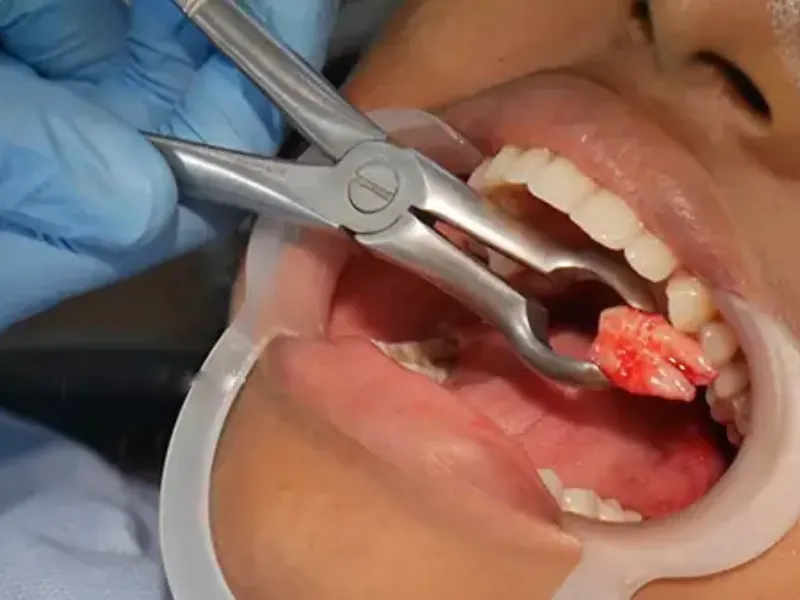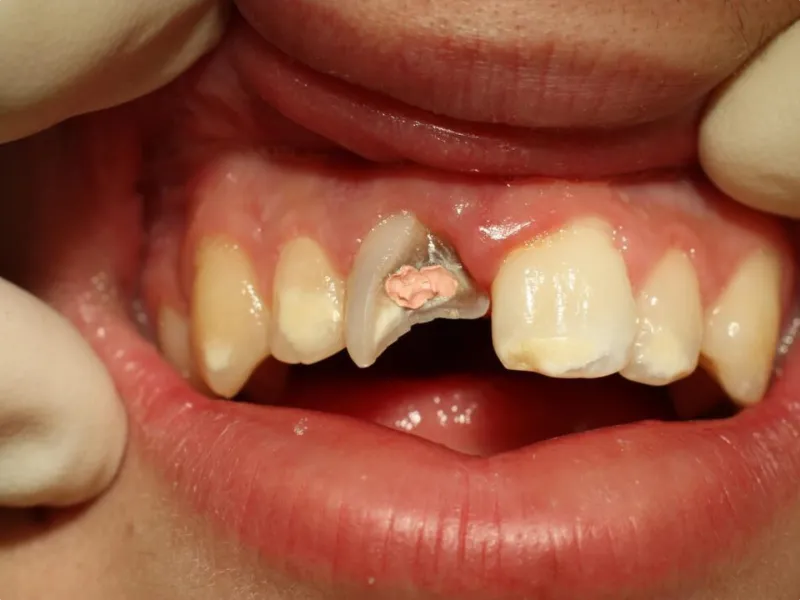


جراحی دندان شکسته به درمانی گفته میشود که میتواند از پیشرفت مشکلات ناشی از شکستگی دندان جلوگیری کند. Because breaking a tooth is not only an unpleasant event, but it can be the beginning of a series of problems that, if not treated in time, will lead to pain, infection and tooth loss. Many patients think that any broken tooth can be fixed with a simple or composite restoration; But the fact is that some fractures, especially when the root or deep parts of the tooth are involved, require dental surgery; A surgery whose purpose is to preserve the tooth, prevent the spread of damage and restore the normal function of the mouth.
In this comprehensive article, we intend to explain in a simple but scientific language what surgery for a broken tooth is, when it is performed, how all types of tooth fractures are treated, and what care they require. Also, to complete your information, you can refer to the page [Dental Surgery] to have a more complete view of the treatment process. be.
Summary of the key points of broken tooth surgery
A tooth fracture can range from a surface crack to complete crushing, and the severity of the fracture determines the course of treatment.
Broken tooth surgery is necessary when the crack has reached the root or deep parts of the tooth.
Surgical procedures include anesthesia, access to the fracture, removal of the damaged part, root canal treatment if needed, and sutures.
Post-surgery care includes pain control, oral hygiene, proper nutrition, and follow-up of prescribed medications.
If the tooth cannot be preserved, implant is considered the best alternative.
If you or someone close to you suffered from a broken tooth, contact Dr. Sepahrian's office today to check the condition of your tooth.
What is broken tooth surgery?
A fractured tooth surgery is a set of procedures that a dentist performs to repair or remove the damaged parts of a tooth that has been hit and broken. This method includes access to the broken parts, cleaning the area, root treatment if needed and reconstruction of the tooth structure. In most cases, the treatment of a broken tooth can help preserve the tooth, stabilize the structure of the crown, and restore its natural function and beauty.
Types of tooth fracture
Tooth fracture is not always the same. The type of fracture determines whether the tooth can be repaired or requires surgery. Next, we review the types of fractures:
1. Surface fracture (Craze Lines)
This type of tooth fracture is seen on its enamel and does not require surgery and is usually corrected by whitening or polishing.
2. crown fracture
In the fracture of the tooth crown, the visible part of the tooth is damaged and can:
- Be shallow and superficial.
- Be deep and accompanied by pulp (nerve) damage.
Note: If the pulp is damaged, root canal treatment or even broken tooth surgery is needed.
3. Tooth root fracture (Root Fracture)
One of the most dangerous types of tooth fractures is related to the root, which may occur horizontally, vertically and diagonally. Root fracture often requires root surgery and in severe cases the tooth may not be saved.
4. Vertical Fracture
This type of fracture occurs in the tooth from the crown to the root or vice versa. Vertical fractures are usually painful and often require tooth extraction.
5. Complete tooth breakage
Sometimes the tooth breaks completely and part of it is removed. These types of fractures usually require surgery, especially if part of the root is stuck inside the gum.
When is a broken tooth surgery necessary?
Not all fractures require surgery, but when the damage goes beyond the surface of the tooth enamel and threatens the function or health of the tooth, fracture surgery is necessary. The following are the most important symptoms that indicate that your fracture cannot be treated with conventional methods and that you may need surgery. Signs of a dangerous broken tooth:
- Deep fractures that have reached the root of the tooth: When the crack or fracture extends to the deep parts of the root and under the gum, the tooth cannot be treated with simple repair.
- Continuous pain after fracture: Pain when chewing or pressure indicates that the pulp or root is damaged and surgery and root canal therapy are probably needed.
- Loose tooth after trauma: If the tooth is loose after the injury, it indicates a fracture in an area that cannot be corrected by surface repair.
- Infection and abscess: If the fracture causes bacteria to enter the inner parts of the tooth, surgery is required to drain the infection and treat the root.
- Breaking a tooth under the gums: This is the most common condition requiring surgery for a broken tooth because the broken part of the tooth cannot be seen and cannot be repaired without surgery.
If you are looking for the best dental surgeon in Tehran to remove a broken tooth, contact the office of Dr. Bahare Sepahrian right now, while you can check the resume of top surgeons on the related page.
Treatment methods for all types of tooth fractures
Repairing a broken tooth with surgery is a multi-step process and it starts with the diagnosis of the type of fracture and the cause of the tooth fracture. Based on this diagnosis, the dentist determines whether the tooth can be kept or whether the patient should undergo surgery for the broken tooth.
Table of different methods of repairing a broken tooth with surgery
|
Type of broken tooth |
How to treat a broken tooth | Description |
|
surface fracture |
|
This method has only a beauty aspect. |
|
tooth crown fracture |
|
If the fracture exceeds the surface of the crown and reaches the gum line, in this case, it is considered a complex fracture that requires extraction or surgery. |
|
vertical tooth fracture |
|
If the crack is deep and reaches the root, dental surgery is needed to remove the cracked part, and if the fracture is incurable, the only solution is to extract the broken tooth and replace it with an implant. |
|
root fracture |
a) fracture in the upper part of the root:
b) Fracture in the middle region of the root:
c) Fracture in the lower region of the root:
|
|
| full break |
Surgery to remove a broken tooth and treat the root. If it is not possible to save the tooth, an implant or bridge is used as an alternative method. |
In these types of fractures, the first goal is to control infection and pain, then plan for tooth reconstruction. |
Stages of broken tooth surgery
The surgery steps for broken teeth are different depending on the type of injury, but the general principles are the same; In the following, we will examine these steps:
1. Photography before surgery: Photography is necessary before surgery, and the most common images required include the following:
- Peri-apical (PA) to examine the root
- CBCT image to detect deep fractures
- Gum is disinfected.
- Access to the fracture site is checked.
- The necessary photos are studied before the surgery.
In the case of a tooth fracture below the gum, the gum needs to be removed with a small incision so that the tooth can be seen.
3. Removing the damaged parts: This step is the main part of the surgery. Depending on the condition of the tooth, the dentist will do one of these things:
- Removing the broken part of the tooth.
- Removing broken root pieces.
- Cleaning the infected area.
- Preparation of the site for restoration, coating or root treatment.
If the fracture is close to the root, an apicotomy may be performed, in which the tip of the root is cut and disinfected.
4. Suture and care at the end of surgery
This stage plays an important role in reducing inflammation and preventing infection.
Care after broken tooth surgery
Observation of oral hygiene, proper nutrition and use of drugs prescribed by the surgeon play a vital role in the success of treatment and reduction of complications. Strict adherence to these tips will prevent bleeding, pain and swelling and help speed up recovery in the process of extracting a broken tooth. For more details, you can refer to [care after dental surgery] page.
Cost of broken tooth surgery in 1404
The cost of the surgery depends on the severity of the fracture, the need for root canal treatment, the number of teeth involved and the experience of the dentist, and it will be different in the following situations:
- Superficial fracture and simple crown
- Crown exposure surgery + root restoration
- root surgery or epitomy
- Severe crushing or implant preparation
To check the price of various types of dental surgery in more detail, you can visit [cost of dental surgery] page.
Frequently asked questions about broken tooth surgery
Does broken tooth surgery hurt?
Due to the use of local anesthesia and prescription drugs, patients usually do not feel severe pain. They may have a little swelling or sensitivity after surgery, which can be controlled with painkillers.How long does surgery for a broken tooth take?
The duration of surgery varies depending on the type of fracture: simple crown fracture: 20 to 30 minutes, crown exposure surgery + root treatment: 45 to 60 minutes, and severe crushing or apicotomy: 60 to 90 minutes.
Does a broken tooth always require surgery?
No, most surface fractures can be treated with a composite or veneer. Only deep, root fractures or complete fractures require surgery.
Can the appearance of teeth be restored after surgery?
Yes. After surgery, the appearance of the tooth can be restored with root restoration, veneer or composite. The goal of surgery is to preserve the tooth and restore normal function.