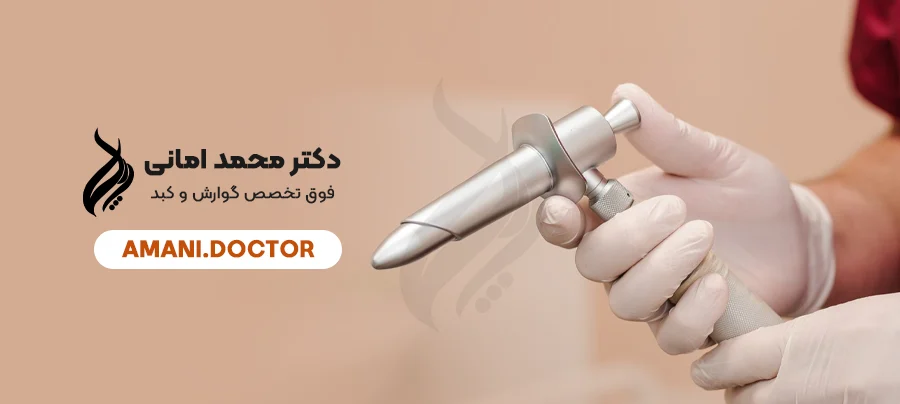

آنوسکوپی یکی از مهمترین و دقیقترین روشهای تشخیصی در حوزه بیماریهای مقعد و بخش پایانی روده بزرگ است. Many common problems such as hemorrhoids, fissure, fistula, inflammations or even suspicious lesions, just by superficial observation They are not recognizable and need a more detailed investigation. In such a situation, the doctor uses a small instrument called an anoscope to directly observe the inner region of the anus and its canal. This method is not only quick and minimally invasive, but contrary to what some people think, it is usually done without pain or with minimal discomfort. Anoscopy helps to identify the disease in the early stages and the treatment process proceeds more accurately. In this article, we fully explain what is anoscopy, how is it performed, what are its uses and why is it necessary to diagnose anal diseases.
What is anoscopy?
Anoscopy (Anoscopy) is a simple, quick and minimally invasive diagnostic method that is used for direct observation. Inside the anus and anal canal is performed by a doctor. In this method, a small device called an anoscope is used; A short, narrow, usually plastic or metal tube that allows the doctor to carefully examine the inner walls of the anus.
The main purpose of anoscopy is to diagnose diseases of the anus that may not be detectable by physical examination. This method is especially useful for evaluating diseases such as:
- 🔸 internal hemorrhoids
- 🔸 fissure
- 🔸 fistula
- 🔸 polyps
- 🔸 anal warts
- 🔸 inflammations
- 🔸 unspecified bleeding
In general, anoscopy is a simple but very useful method in diagnosis It is early anal diseases. This examination is considered one of the best methods for examining problems in the anal area due to its high speed, proper accuracy and no need for anesthesia. If a person has symptoms such as bleeding, pain, burning, itching or discomfort during defecation, anoscopy can help quickly diagnose the cause and prevent the disease from progressing. Performing this test should not be scary or worrying, because it is usually done with minimal discomfort and plays an important role in starting the correct treatment.
How is anoscopy performed?
Anoscopy is a simple and short procedure that is usually performed in the office or clinic, without the need for anesthesia. Before starting, the doctor asks the patient to be in one of the appropriate positions; The most common positions are lying on your side with knees bent or knee-under-chest position. These positions help the doctor to access the anal area more easily and the patient feels the least pressure.
After positioning the patient, the doctor first performs a superficial examination to determine any inflammation, pain or bleeding. Then, the anoscope, which is a short, narrow device equipped with light, is slowly inserted into the anal canal using special lubricating gel. This gel makes the insertion of the device with minimum discomfort and the patient does not feel burning or dryness. When the anoscope enters the anal canal, the doctor can observe the inner walls of the anus with high precision. At this stage:
- 🔹Internal hemorrhoids can be recognized
- 🔹 Wounds, inflammations and infections are clearly visible
- 🔹Polyps or abnormal protrusions can be examined
- 🔹 If needed, small sampling (biopsy)
The whole process usually takes between 2 and 5 minutes and the patient only feels mild pressure or discomfort, not actual pain. After the end of the examination, the anoscope is removed and the person can immediately continue his daily activities without special restrictions.
When is anoscopy necessary?
Anoscopy becomes necessary when there are symptoms in the anus area that cannot be detected by a superficial examination and the need for a detailed examination of the inside of the anal canal is felt. Many anal diseases do not have clear symptoms in the early stages and can only be identified by direct observation inside the anus. On the other hand, some symptoms such as bleeding, pain during defecation, swelling or secretions can be signs of various problems and until the internal area is seen accurately, accurate diagnosis is not possible. For this reason, doctors consider it necessary to perform anoscopy in order to determine the main cause of the symptoms, assess the severity of the problem and choose the best treatment method.
- 🔴 Rectal bleeding
- 🔴 Pain or burning during defecation
- 🔴 Presence of a bump, lump or appendage in the anal area
- 🔴 Continuous itching or burning in the anal area
- 🔴 Unusual secretions or moisture Permanent
- 🔴 suspicion of internal hemorrhoids or hidden fissures
- 🔴 detection of polyps or abnormal lesions
- 🔴 feeling of pressure, heaviness or movement in the anal canal
- 🔴 presence of vague pain without a specific cause
- 🔴 follow-up of patients with a history of anal problems
- 🔴 before certain treatments or surgeries in the anal area
In general, any symptom that indicates abnormal changes in the area Anus, whether severe or mild, may require a more detailed investigation. Anoscopy makes it possible for the doctor to carefully observe the inside of the anal canal and identify the root cause of the problem without the need for complicated or invasive methods. Early diagnosis through this method can prevent more serious complications and make the treatment process faster and more effective. For this reason, if you see any worrisome symptoms, it is very important to go to the doctor and perform anoscopy at the right time.
Preparation before anoscopy
Anoscopy usually does not require complicated preparation, and unlike many gastrointestinal diagnostic methods, there is no need to fast or use strong bowel cleansing drugs. However, observing a few simple points can make the examination more accurate, faster and with the least discomfort.
1. Bowel emptying before the visit
Although it is not usually mandatory, it is better to have a natural bowel movement before the visit so that the anal canal can be seen more easily.
In some cases, the doctor may use a glycerin suppository or Suggest a small enema a few hours before the examination.
2. Avoidance of consuming heavy foods
Eating very fatty or heavy foods before the visit may cause discomfort. It is better to eat a light meal.
3. Information about medications
If the patient is taking blood thinners (such as warfarin, aspirin, or Plavix), anti-inflammatory medications, or any other specific medication, he must inform the doctor; Because some adjustments may be necessary if sampling is needed.
4. Taking care of the hygiene of the area
A simple and normal washing is enough. It is not necessary to use strong detergents or irritating methods.
5. Mental relaxation and stress reduction
Anoscopy is a quick, real pain-free and very minimally invasive procedure. Awareness of this issue can reduce the patient's anxiety and cause better cooperation during the examination.
6.Choosing the right clothes
Wearing comfortable clothes will help make the examination process easier and the patient will feel better.
7. Full disclosure of symptoms to the doctor
Before starting, all symptoms such as pain, bleeding, itching, history of diseases or surgeries should be told to the doctor in order to conduct a more detailed examination.
Preparation before anoscopy is much simpler than many other diagnostic methods, and by following a few small points, you can have a comfortable and stress-free experience. The purpose of these preparations is to help better view the inside of the anal canal and reduce any possible discomfort. If the patient has enough information before the examination and explains his symptoms accurately to the doctor, the anoscopy process will be done faster and more accurately. In general, with proper preparation and proper cooperation, this examination can bring the best diagnostic results in the shortest time.
Difference between anoscopy and colonoscopy
Anoscopy and colonoscopy are both important diagnostic methods in gastrointestinal diseases, but their application and extent of examination are completely different. Anoscopy is a simple, quick and minimally invasive procedure that only examines the anus and anal canal and is usually performed without the need for anesthesia. This method is used to diagnose problems such as hemorrhoids, fissures, warts, small polyps and anal inflammations. In contrast, colonoscopy is a more extensive and specialized procedure that uses a long, flexible tube to view the entire large intestine and the terminal part of the small intestine. This method usually requires sedation and complete colon cleansing and is used to diagnose diseases such as polyps, colon cancer, colitis, inflammations and unknown bleeding. In summary, anoscopy is suitable for examining problems in the rectal area, while colonoscopy is used to evaluate internal and deeper diseases of the large intestine. data-align="center">Anoscopy
Choose between anoscopy And colonoscopy depends entirely on the type of patient's symptoms and the likely location of the problem. If the symptoms are limited to the anal region and the beginning of the anal canal, anoscopy is the easiest and fastest method of diagnosis. But when symptoms are more extensive or colon problems are suspected, colonoscopy provides the accuracy and efficiency needed. Knowing the difference between these two methods helps the patient better understand why the doctor recommended which examination and what to expect from it.
Does anoscopy or rectal examination hurt?
In most cases, anoscopy is not painful and most patients only experience mild pressure or a little discomfort. The reason for this is that the anoscope is a narrow and short device and slowly enters the anal canal. Before starting, the doctor uses lubricating gel so that the insertion of the device is done without burning or roughness. Many people think that this examination is painful, but in reality, most concerns are due to anxiety and misconceptions about this procedure. Of course, in some special conditions such as acute fissure, severe inflammation, painful hemorrhoids or active infections, a person may feel a little pain, but even in these conditions, the doctor performs the examination more carefully and calmly to reduce the discomfort as much as possible. In rare cases, local anesthesia may be used to make the patient more comfortable.
Anoscopy is one of the least painful and fastest diagnostic procedures in the anus and usually takes only a few minutes. If the patient is calm before the examination and informs the doctor about his pains and sensitivities, he will have a stress-free experience with minimal discomfort. For this reason, the fear of pain should not make a person delay the examination; Because early detection of many problems is possible with this simple method.
Can I eat or drink anything before the anoscopy?
Yes, you can usually eat and drink normally before the anoscopy. Anoscopy, unlike colonoscopy or other digestive procedures, does not require fasting or complete colon cleansing. However, in order to feel more comfortable during the examination, it is better to eat light foods a few hours before the visit and avoid eating very fatty, heavy or flatulent foods. Drinking water, pale tea or clear liquids does not cause any problems.
In some special cases, the doctor may recommend taking a glycerin suppository or a small enema a few hours before the examination for a better view of the inside of the anal canal; But this issue is not necessary for everyone and it completely depends on the doctor's opinion.
Advantages of anoscopy
Anoscopy is a quick, minimally invasive and very efficient diagnostic method that allows the doctor to observe the inside of the anal canal with high accuracy. This procedure is performed without anesthesia and usually takes only a few minutes. One of the most important advantages of anoscopy is the accurate diagnosis of diseases such as hemorrhoids, fissures, inflammation, polyps and suspicious lesions. In addition, the risks of this method are very low and the patient can return to his daily activities immediately after the examination. In general, anoscopy is considered one of the best tools for quick and reliable diagnosis of anal problems. Practical
Anoscopy is a quick and minimally invasive method that allows the diagnosis of diseases of the anus area in the shortest possible time with minimal preparation and maximum accuracy. Performing this examination can prevent the development of problems and make the treatment path much simpler and more effective.
Summary
Anoscopy is one of the simplest and at the same time the most effective diagnostic methods for examining diseases of the anus and the initial part of the intestine. This method is minimally invasive, does not require anesthesia, and takes only a few minutes, and allows the doctor to accurately determine the cause of many important symptoms such as pain, bleeding, itching, and swelling. Due to its simplicity, speed and proper accuracy, anoscopy has become one of the main tools in the early diagnosis of anal problems. Finally, if a person experiences any changes, discomfort or unusual symptoms in this area, performing anoscopy can be the best way to make an accurate diagnosis and start the correct treatment. This method is safe, low-risk and reliable and plays an important role in preventing the development of diseases.
Frequently Asked Questions
No, it is usually painless and only a little pressure or mild discomfort may be felt.
No. There is usually no need to fast and you can eat light foods.
This examination usually takes between 2 and 5 minutes.
Yes, you can resume your usual activities immediately.
No in most cases. Sometimes local anesthesia is used.
No, it is a very safe procedure and its complications are rare and mild.
If there is bleeding, pain during defecation, swelling or any abnormal symptoms in the anus area.
Yes, it is usually not a problem, unless the doctor has a special recommendation.
Usually no; But sometimes a mild suppository is prescribed.
Yes, if the doctor deems it necessary, a small sample is taken.





