What is an echogenic mass? Meaning of echogenic mass in medical ultrasound - Gynecologist website

Dr. Behnaz Sharafuddin
RashtGynecologist, delivery, infertility
What is an echogenic mass?
by Dr. Behnaz Sharafeddin, specialist in obstetrics and gynecology | Mehr 19, 2017
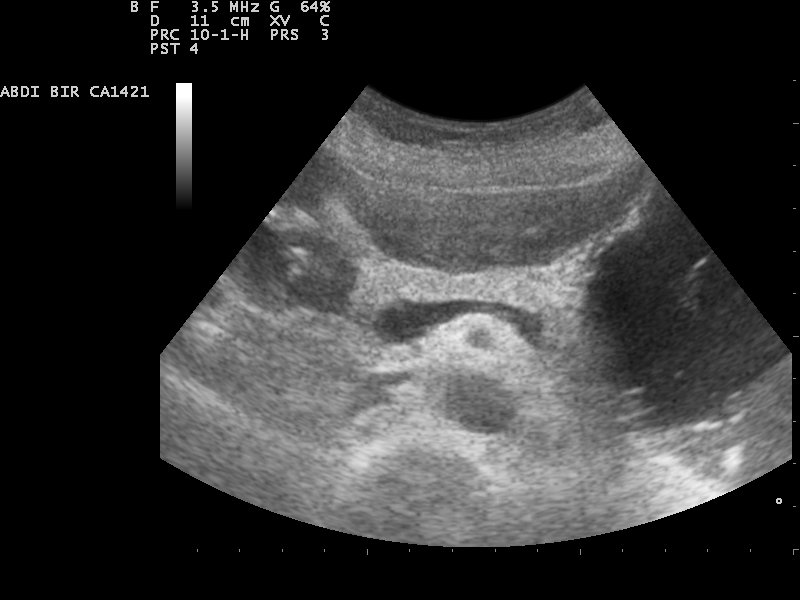
What is an echogenic mass? Echogenicity means returning or reflecting an echo, such as the return of a signal during an ultrasound examination. In other words, echogenicity is greater when the reflecting surface returns more sound waves. Tissues that have more echogenicity are called hyperechogenic and are shown with more color in medical ultrasound (hyperechogenic). On the contrary, fabrics with lower echogenicity are called hypoechogenic and are shown with a darker color (hypoechogenic). Since some tissues are identified with this echo (echogenic mass) in ultrasound examinations and cause concern, here we will briefly explain about the echogenic mass in the fetal heart, breast and uterus.

Echogenic mass in fetal heart
A cardiac echogenic mass or cardiac echogenic zone is a small bright spot that It is seen in the sonography of the fetal heart. It appears to reflect an area of mineralization, or a small calcium deposit in the heart muscle. This condition is seen in 3 to 5 percent of normal pregnancies and does not cause health problems. It is more common in Asians, but it is sometimes a reason to send a patient for fetal echocardiography. The chance of finding an echogenic mass (or an echogenic focus in the fetal heart) depends on the position of the fetus, the gestational age, and the quality of the image. For example, more pregnancies are observed at older ages. It is often seen in the left ventricle of the developing heart. But it may be more than one number and it can be seen in us according to different hearts. In order to be correctly diagnosed, they should give the same echo as the fetal bone. And since its location is in the papillary muscles of the heart, it should change its location along with the movement of the heart.

Why is an intracardiac echogenic zone a cause for concern?
In most cases, an infant with an echogenic zone is It is born inside a healthy heart without any problems. Although it is sometimes associated with chromosomal changes. An intracardiac echogenic zone may be associated with cardiac abnormalities or may result in a congenital heart defect at birth. If the ultrasound shows an echogenic intracardiac area and the doctor suspects a genetic mutation, amniocentesis may be requested. This is true of the amniotic fluid present in the pregnancy coast in which the fetus is carried. Obtaining the result of this province takes about a week and predicts possible birth defects to a high extent.
Steps to be followed when the echogenic intracardiac area is found
A full ultrasound is arranged. To check the signs of chromosomal mutation in the growing stream. If all the parts of the fetus are not clearly visible, a week later, the radiologist will perform another ultrasound, and the doctor will suggest amniocentesis.
An amniocentesis is a procedure in which a player is taken into the gestational sac to collect some fluid. The cells show it. A genetic counselor may come in at this stage to explain the final outcome of the baby. In cases of severe genetic mutation that can affect the child's development in the future, the parents prepare for childbirth. The final decision is always left to the parents.
What if there is no chromosomal change?
Amniotic often is negative In these cases, the doctor continues to control the pregnancy through regular ultrasound.
The echogenic area inside the heart is also examined and recorded, as well as the growth stages of the fetus that are not abnormal in this point. After birth, it is monitored for the first two years in terms of symptoms and the possibility of a specific genetic condition that increases the risk of Down syndrome. This means that the doctor should consider the possibility of the symptoms of the syndrome in the child's health and monitor the child's heart for any heart disease. As the child reaches two years, he actually gets a better guarantee than you.
Uterine polyps or Endometrial polyps

Endometrial polyps are one of the types of echogenic masses in the ultrasound report.
Since polyps are always mentioned as an echogenic mass in the ultrasound report of the uterus, and this issue causes concern in women, a brief explanation about these lesions will be given here. Uterine polyps Excessive growth of endometrial cells (uterine lining) leads to the formation of uterine polyps that are attached to the inner wall of the uterus. Polyps are often benign, although they may be malignant from the beginning or develop malignant changes. They are different in size, a few millimeters or so large that they fill all the internal space of the uterus. They stick to the inner surface of the uterus by means of a wide or narrow base. They may be one or more, they often stay inside the uterus, but sometimes they grow to such an extent that they enter and even exit the cervix. They are observed at all ages, i.e. fertility and after that, menopause.
Symptoms
include a spectrum of abnormal uterine bleeding;
- Unpredictable bleeding
- Frequent bleeding with variable duration and different intensity
- Bleeding between two periods
- Regular period bleeding but heavy
- Bleeding after Menopause
- Infertility
- And they may even be asymptomatic
When should you see a doctor?
Whenever you experience abnormal bleeding.
Cause
Hormonal causes seem to play a role. Uterine polyps are sensitive to estrogen, which means that their growth takes place in response to circulating estrogen. Predisposing factors include age around menopause, high blood pressure, obesity, and the use of tamoxifen (a drug treatment for breast cancer). Problems with polyps Uterine polyps may be associated with infertility, if polyps You have a uterus and you want to get pregnant. Removing a polyp may allow you to get pregnant.
Diagnosis
If your doctor suspects that you have a uterine polyp, he may perform one of the following procedures for you:
- Transvaginal ultrasound
- Hysteroscopy
- Endometrial biopsy
When performing an ultrasound, your doctor may identify the polyp as You will see an echogenic mass or a thickened endometrial tissue.
The doctor may perform a sonohysterography for you, which means performing ultrasound with the injection of saline serum liquid into the uterus.
Most polyps are benign, but they may also have malignant changes, so your doctor recommends removing them and sending a sample of them to the laboratory for examination to ensure that you do not have cancer.
Treatment
Small and asymptomatic polyps may disappear by themselves and do not need treatment. Hormonal treatment also temporarily improves the symptoms.
During hysteroscopy, the inside of the uterus can be seen and polyps or other lesions that cause symptoms can be removed using special tools and sent for examination.
Share with others:gynecology, childbirth and infertility specialist in Rasht. For new questions, please go to page

Endometriosis is a condition in which tissue similar to that which covers the inside of the uterus grows, multiplies and functions in other areas of the body, especially the pelvic organs... (click on the link below to continue)
Endometriosis What is it?
 href="https://pezeshkatfal.com/">The latest articles of Dr. Karam between pediatricians and infants
- Favism in children | Symptoms, prohibited substances and prevention Pediatrician in Rasht
- febrile seizures | A complete guide for parents Pediatric specialist in Rasht
- Baby | Cause, danger signs and treatment Pediatrician in Rasht
- Baby vomiting | Cause, symptoms and treatment Pediatrician in Rasht
- Jaundice in newborns or icterus | Symptoms, treatment and referral time Pediatrician in Rasht
- Syrup What is theophylline G for? What is its use in children?