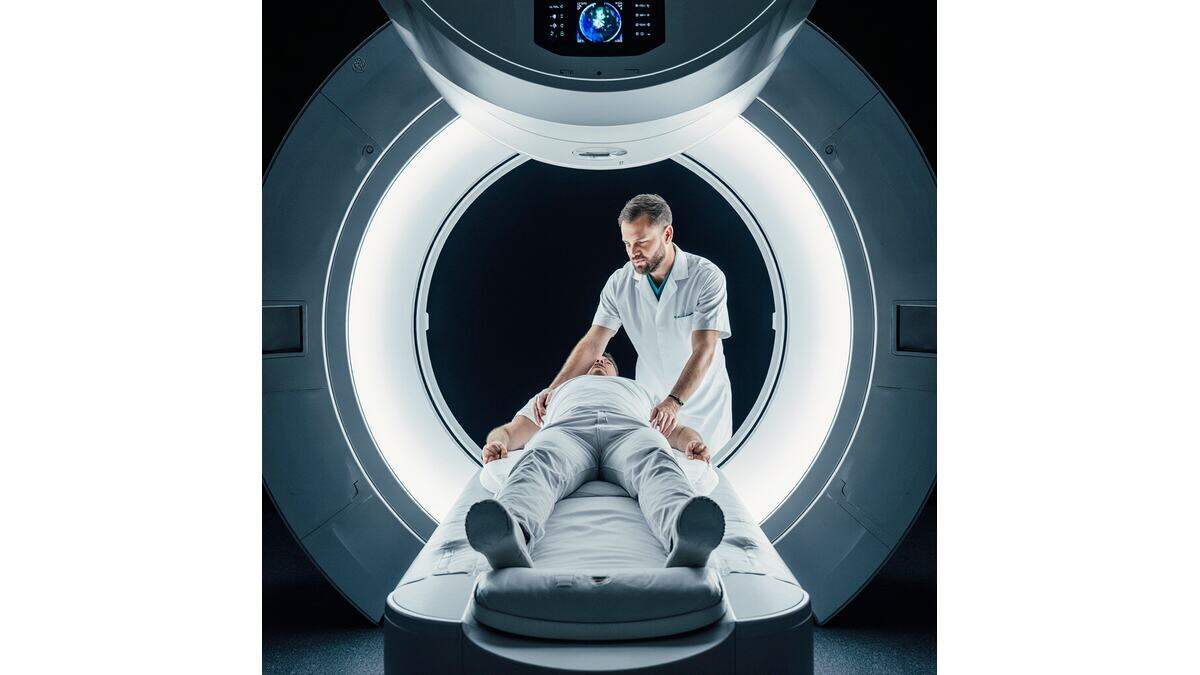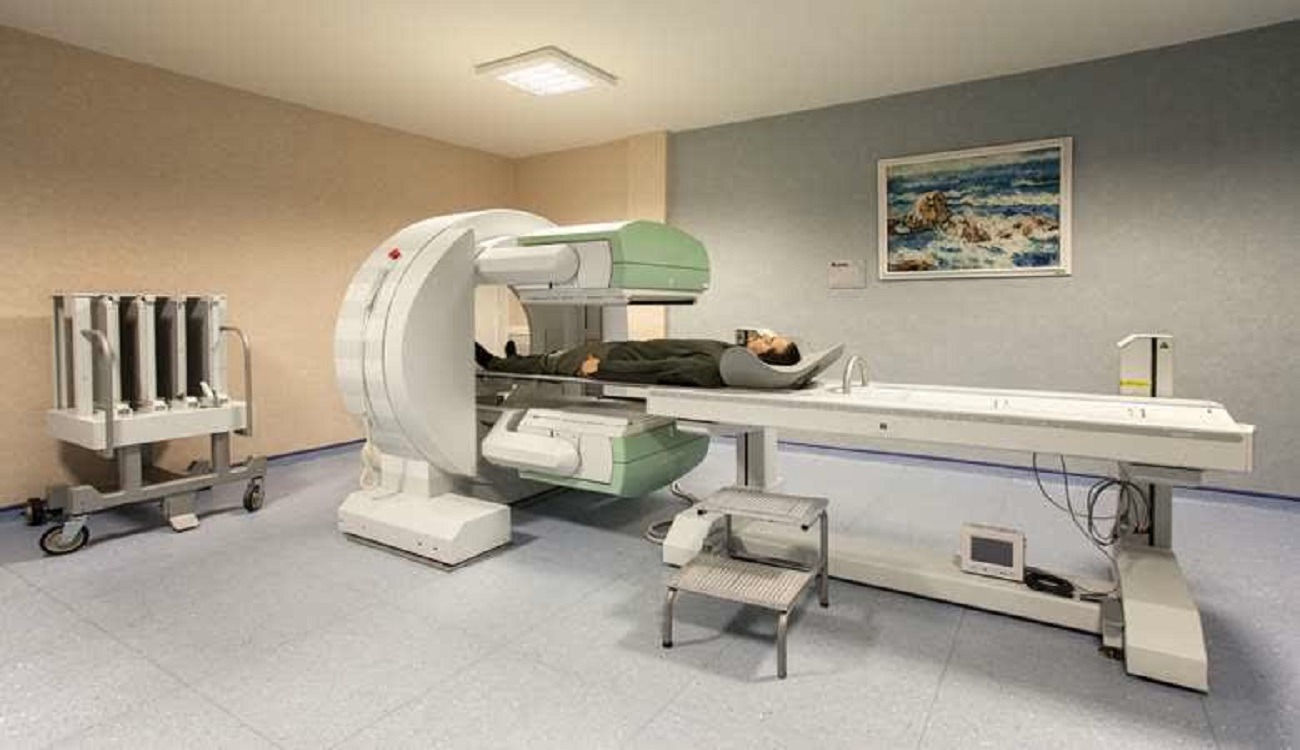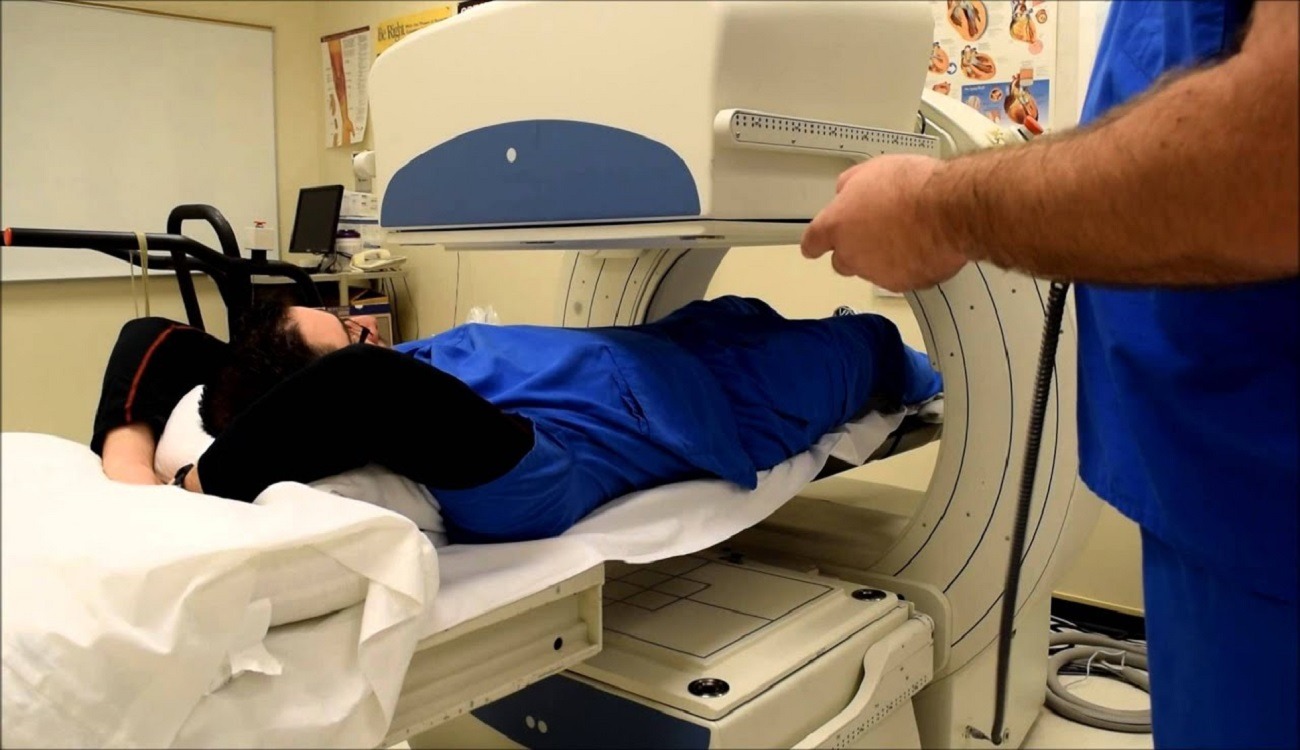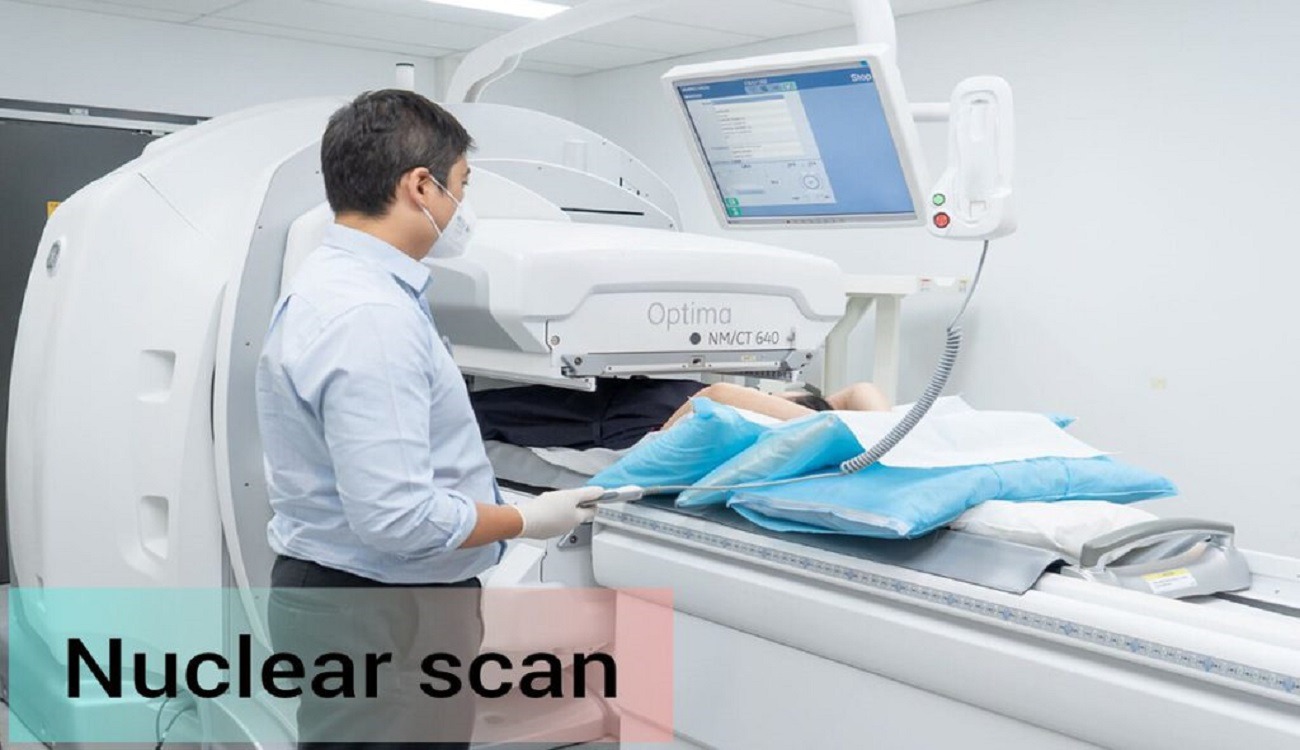

In today's advanced medical world, new imaging methods play a key role in the diagnosis, follow-up and treatment of diseases. One of these precise and advanced methods is nuclear scanning or nuclear medicine, which has created great developments in the field of medical diagnosis in recent decades. This method, using radioactive materials and specialized equipment, provides images of the structure and function of the internal organs of the body, which in many cases cannot be seen by traditional imaging methods. In this article, we will take a closer look at nuclear scanning, its applications in various diseases and five important advantages of this method.
Table of Contents
- 1 What is nuclear scanning?
- 2 Nuclear scanning What diseases is it used for?
- 2.1 5 important advantages of nuclear scanning over other imaging methods
- 2.2 The best nuclear scanning clinic in Tehran
- 2.3 Is nuclear scanning dangerous?
- 2.4 7 disadvantages of nuclear scanning
- 2.5 Preparation Necessary for nuclear scan
- 2.6 🔸 Final notes:
- 2.7 What is the purpose of nuclear scanning?
- toc_depth_2">2.8 Nuclear scan complications for others
- 2.9 What is a nuclear scan?
- 2.10 Does a nuclear scan hurt?
- 2.11 Is radioactive material dangerous?
- toc_depth_2">2.12 Is a nuclear scan allowed for pregnant women?
- 2.13 Do I have to fast for the scan?
- 2.14 How long does it take? Win?
- 2.15 Do I need to do anything special after the scan?
- 2.16 Is hospitalization necessary?
- 2.17 What is the difference between a nuclear scan and a CT scan?
- 2.18 Is the scan result ready immediately?
- 2.19 Should someone be with me?
What is a nuclear scan?
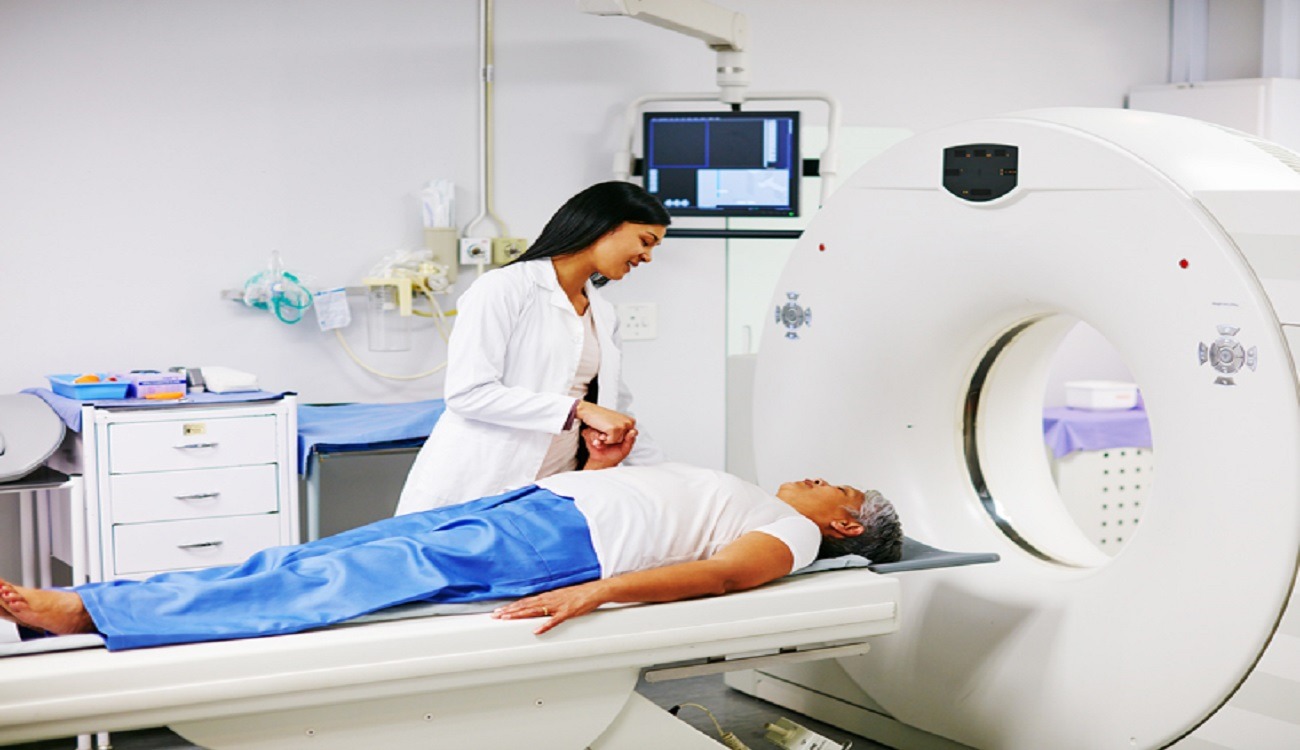
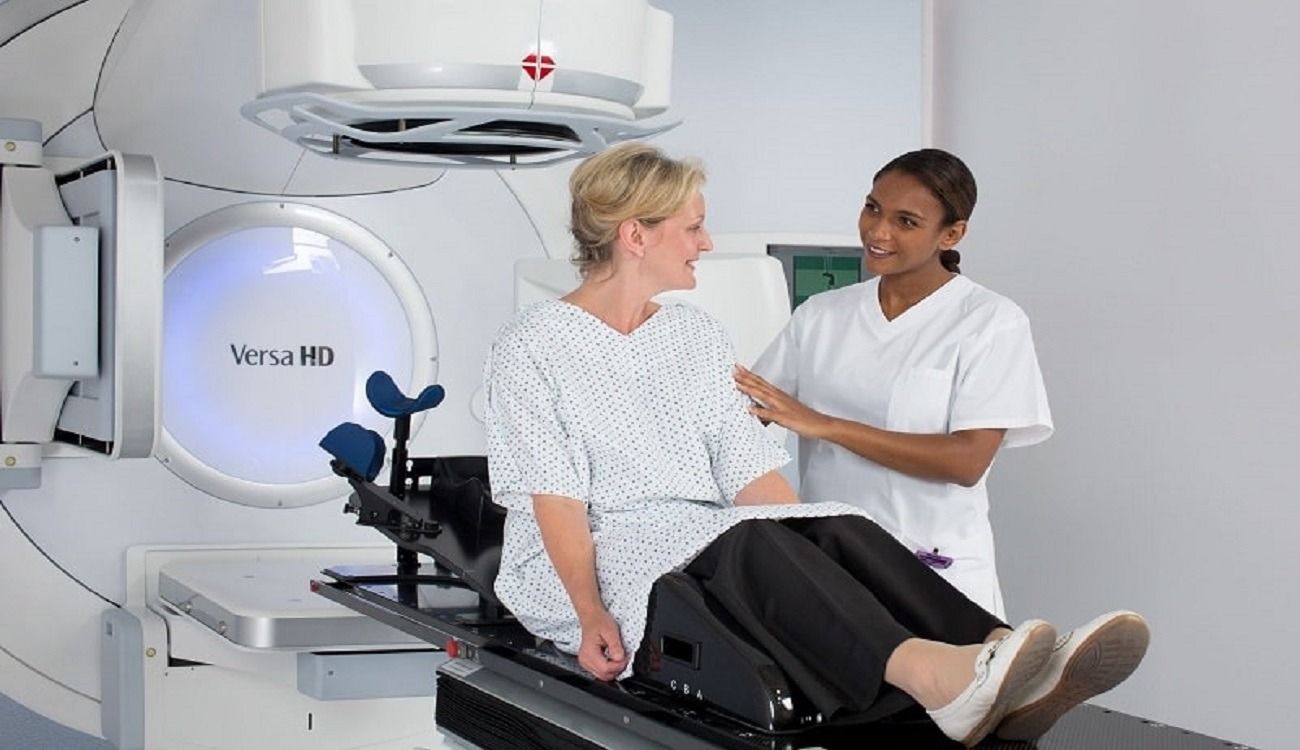
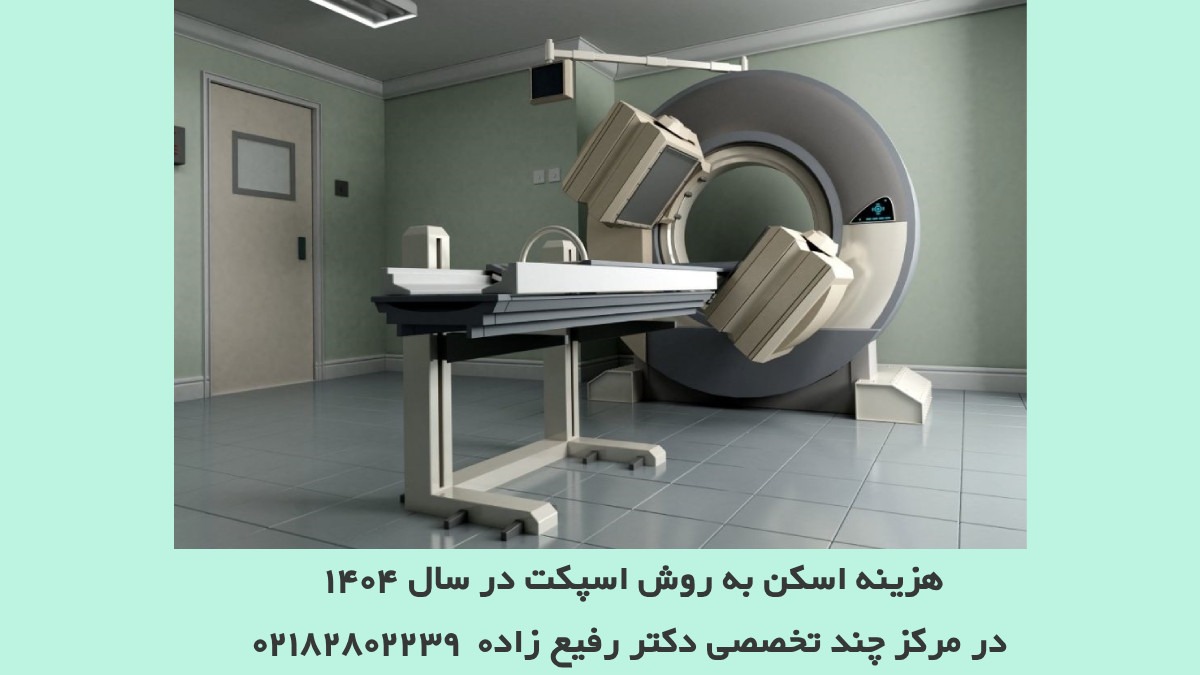
Nuclear scan is one of the branches of nuclear medicine that provides detailed images of the function of organs and body tissues using radioactive materials (radionuclides) and devices such as Gamma Camera or PET Scan. In this method, a small amount of a radiopharmaceutical is injected, inhaled, or swallowed. This radiopharmaceutical accumulates in the desired tissue and emits radiant energy that is recorded by the imaging device.
Unlike methods such as CT scan or MRI, which focus more on the physical structure, Nuclear scan is able to examine the physiological function of body organs as well.

What diseases is nuclear scanning used for?
The application of nuclear scan is very wide and is used in a wide range of diseases. In the following, we review the most important applications of nuclear scanning in different branches of medicine:
1. heart diseases
- Myocardial perfusion scan: to check the blood flow in the heart muscle and diagnose local anemia of the heart (ischemia) or damage caused by a heart attack.
- Evaluation of left ventricular function: in patients with heart failure.
2. Bone diseases
- Bone scan: for early detection of bone metastases, infections (osteomyelitis), hidden fractures or arthritis.
3. Thyroid diseases
- Thyroid scan with radioactive iodine or technetium: to check the activity of the thyroid gland, detect hot and cold nodules and evaluate thyroid hyperactivity or hypothyroidism.
4. Kidney diseases
- Renogram scan: to check kidney function, urinary tract obstruction or check kidney transplant.
5. Cancers
- PET Scan: one of the most accurate imaging methods to detect the location of tumors, the spread of cancer (metastasis) and evaluate the response to treatment.
6. Brain diseases
- Brain scan: to diagnose tumors, seizures, Alzheimer's and other neurological disorders.
7. Gastrointestinal diseases
- Gastrointestinal scan: to check for gastrointestinal bleeding, certain infections or gastric emptying.
Nuclear scans use radioactive substances to see structures and functions inside your body. They use a special camera that detects radioactivity
Nuclear scans use radioactive materials to see the structures and functions inside your body. They use a special camera that detects radioactivity.Quoted from: medlineplus.gov
5 important advantages of nuclear scanning over other imaging methods
In the table below, 5 advantages of nuclear scanning are presented in order along with the explanation of each one:
| Advantage | Explanation |
|---|---|
| Evaluation of organ function | Unlike most imaging methods that show anatomical structure, nuclear scan also shows organ function. Checks live. For example, in a cardiac scan, the actual blood supply to the heart muscle can be measured. |
| Early diagnosis of diseases | Nuclear scanning can identify the abnormal function of organs before the appearance of clinical symptoms or visible structural changes. This feature is very vital for the early diagnosis of cancers and metabolic diseases. |
| Relative safety and minimal invasiveness | In this method, the amount of radiation entering the body is very low and within the medical limit. Also, there is no need for surgery or invasive procedures for in-body examination. |
| Assisting in treatment evaluation | Using nuclear scan, the effectiveness of drug, surgical or radiation treatments can be evaluated at different stages and a better decision can be made in the continuation of treatment. |
| High accuracy in diagnosis | By combining information Structurally and functionally, the doctor can more accurately diagnose the disease and avoid false diagnoses. Especially in PET Scan, the clarity and accuracy of diagnosis is very high. |
The best nuclear scan clinic in Tehran
In this table, we have mentioned a number of centers that perform nuclear scanning:
| Name of the center | Specialty / features | Area / address | Contact information |
|---|---|---|---|
| Vistan Clinic | Nuclear medicine, imaging with the best devices, appointments Asan | Sadatabad/ Marzdaran | 09966333097 – 02144220936 |
| Nuclear Medical Center of the hospital Mehr | SPECT-CT machine, expert doctors, quick appointment | Tehran, Valiasr Square | – |
| Radio Nuclear Medicine Center | Active since 1998, scientific standards, complete diagnostic services | Tehran, Shariati, in front of the metro Qolhak | – |
| Sina Nuclear Medicine Center | Accepting basic and supplementary insurances, experienced personnel | Tehran, Tawhid, not reaching Azadi intersection | – |
| Nuclear Medicine Clinic of Imam Khomeini Hospital | PET/CT whole body and heart, under observation University professors | Tehran, Imam Khomeini Hospital | – |
| Aftab Nuclear Medicine Center | Government with expertise in nuclear medicine | Tehranpars, first floor Tehranpars | — |
Vistan Clinic, the reliable choice for nuclear medicine scans
If you are looking for a reliable, specialized and advanced center to perform nuclear scanning, Vistan Clinic in Tehran is the answer to all your needs.
In this center, using advanced SPECT-CT equipment, very accurate and combined images of the structure and function of body organs are prepared so that medical diagnoses can be made with the highest possible accuracy.
👨⚕️ presence of nuclear medicine specialists
⏱ quick appointments and professional response
📍 excellent location
✅ compliance with safety and health standards
Using modern knowledge, experience of specialist doctors and advanced equipment, Vistan Clinic provides accurate nuclear scan services. You can confidently follow up your diagnosis and treatment process at this center.
📞 To get an appointment and more information about nuclear scan, call the numbers we have left for you. 09966333097 – 09331144723

Is nuclear scanning dangerous?
The question that patients often ask is the concern about the presence of radioactive rays. It should be said that the amount of radioactivity used in nuclear scan is very low and controlled, and most radiopharmaceuticals are quickly eliminated from the body. However, like any medical method, the doctor must be fully aware of its benefits and risks and use it if needed.
7 disadvantages of nuclear scanning
While nuclear scan is one of the most accurate and valuable diagnostic methods in medicine, but like any other method, it has disadvantages. در ادامه به ۷ مورد از معایب اسکن هسته ای اشاره شده است:
| عیب | توضیح |
|---|---|
| قرار گرفتن در معرض اشعه | مواد رادیواکتیو استفادهشده در اسکن هسته ای، گرچه در دوز کم هستند، اما همچنان بدن را در معرض تابش یونیزه قرار میدهند که در برخی بیماران (مثل کودکان و زنان باردار) نگرانیهایی ایجاد میکند. |
| محدودیت در تکرار مکرر اسکن | به دلیل وجود اشعه، نمیتوان این نوع اسکن هسته ای را به دفعات زیاد یا در فواصل زمانی کوتاه انجام داد. |
| زمانبر بودن فرآیند | برخی اسکن هسته ای نیاز به چند ساعت تا چند روز زمان برای جذب ماده رادیواکتیو و انجام تصویربرداری دارند. |
| محدودیت در دسترسی و هزینه بالا | دستگاههای پیشرفته مثل PET/CT یا SPECT در همه شهرها در دسترس نیستند و انجام این اسکنها ممکن است هزینهبر باشد. |
| نیاز به آمادگیهای خاص | برخی اسکن هسته ای نیازمند شرایط خاصی مانند ناشتایی، قطع داروها، یا آمادگی قبلی هستند که برای بعضی بیماران سخت است. |
| امکان بروز حساسیت به ماده رادیواکتیو | گرچه نادر است، اما ممکن است برخی بیماران به داروی رادیواکتیو واکنشهای آلرژیک یا حساسیتی نشان دهند. |
| تأثیر نتایج بر اساس فاکتورهای فردی یا بیماریهای زمینهای | شرایطی مانند دیابت، مشکلات کلیوی یا داروهای خاص میتوانند روی جذب ماده رادیواکتیو و دقت نتایج تأثیر بگذارند. |
آمادگی های لازم برای انجام اسکن هسته ای
آمادگی های لازم برای انجام اسکن هسته ای بسته به نوع اسکن (قلب، استخوان، تیروئید، کلیه، PET Scan و غیره) ممکن است متفاوت باشد، اما در ادامه مهم ترین آمادگی های عمومی و اختصاصی اسکن هسته ای که معمولاً از بیماران خواسته می شود آورده شده است:
✅ آمادگی های عمومی برای تمام اسکن هسته ای:
- ناشتا بودن
- معمولاً ۴ تا ۶ ساعت پیش از اسکن باید چیزی نخورید (مگر در موارد خاص).
- نوشیدن آب معمولاً آزاد است.
- قطع یا تنظیم داروها
- فهرست داروهای مصرفی خود را به پزشک اعلام کنید.
- برخی داروها (مانند داروهای قلب، تیروئید، دیابت، کورتون و…) ممکن است نیاز به قطع موقت داشته باشند.
- پرهیز از کافئین و نیکوتین
- ۲۴ تا ۴۸ ساعت قبل از اسکن (مخصوصاً اسکن قلب) از مصرف چای، قهوه، نوشابه، شکلات و سیگار خودداری کنید.
- عدم مصرف الکل و ورزش سنگین
- حداقل ۲۴ ساعت قبل از انجام اسکن از مصرف الکل و انجام فعالیت بدنی شدید خودداری شود.
- اطلاعرسانی درباره بارداری و شیردهی
- اگر باردار هستید یا نوزاد شیرخوار دارید، حتماً پزشک را مطلع کنید.
- همراه داشتن مدارک پزشکی قبلی
- نتایج آزمایشها، سیتیاسکن، امآرآی یا اسکنهای قبلی را همراه خود داشته باشید.
✅ آمادگی های اختصاصی بر اساس نوع اسکن هسته ای:
🔹 اسکن قلب (Stress یا دارویی):
- ناشتایی حداقل ۴ تا ۶ ساعت قبل از اسکن.
- پرهیز کامل از کافئین و سیگار.
- اطلاع از داروهای قلبی مصرفی مانند بتابلوکرها، نیتراتها، داروهای فشار خون.
🔹 اسکن PET (مغز، قلب یا کل بدن):
- ناشتایی ۶ ساعته پیش از اسکن.
- کنترل دقیق قند خون (در بیماران دیابتی).
- خودداری از ورزش روز قبل از انجام اسکن.
- اجتناب از مصرف غذاهای حاوی قند.
🔹 اسکن تیروئید:
- قطع داروهای تیروئید مثل لووتیروکسین با نظر پزشک (معمولاً از چند روز تا چند هفته قبل).
- پرهیز از مصرف غذاهای دریایی و نمک یددار.
🔹 اسکن کلیه:
- نوشیدن زیاد مایعات قبل از اسکن (حداقل ۲ لیوان).
- در برخی موارد نیاز به مصرف داروی خاصی قبل یا حین اسکن وجود دارد.
🔹 اسکن استخوان:
- نیاز به آمادگی خاصی ندارد.
- نوشیدن مایعات فراوان پس از تزریق ماده رادیواکتیو توصیه میشود.
🔸 نکات پایانی:
- بعد از اسکن: برای دفع سریعتر مواد رادیواکتیو از بدن، تا چند ساعت بعد از انجام اسکن آب فراوان بنوشید.
- حضور همراه در برخی موارد (مخصوصاً برای سالمندان) توصیه میشود.

هدف از انجام اسکن هسته ای چیست؟
هدف از انجام اسکن هسته ای بررسی عملکرد دقیق اندام ها و بافت های بدن است تا مشکلاتی که ممکن است در تصویربرداری های معمول دیده نشوند، زودتر تشخیص داده شوند و درمان مناسب سریع تر آغاز شود.
عوارض اسکن هسته ای برای اطرافیان
عوارض اسکن هسته ای برای اطرافیان بیمار معمولاً بسیار جزئی و نادر است، اما چون در این روش از ماده رادیواکتیو استفاده می شود، رعایت برخی نکات احتیاطی برای محافظت دیگران، به ویژه زنان باردار و کودکان ضروری است.
در ادامه، عوارض احتمالی و نکات ایمنی لازم برای اطرافیان بیمار پس از انجام اسکن هسته ای را به صورت فهرست وار آوردهایم:
افراد در معرض خطر بیشتر:
زنان باردار
- جنین نسبت به اشعه بسیار حساس است، حتی مقدار بسیار کم اشعه ممکن است تأثیرگذار باشد.
نوزادان و کودکان
- بدن کودکان در حال رشد است و نسبت به اشعه حساستر هستند.
افراد با بیماریهای زمینهای خاص
- مثلاً افرادی که تحت پرتودرمانی هستند یا پیوند عضو داشتهاند.
توصیه های ایمنی برای اطرافیان بعد از انجام اسکن هسته ای:
| مورد احتیاطی | مدت زمان توصیهشده | توضیح |
|---|---|---|
| حفظ فاصله حداقل یک متری از دیگران | 6 تا 24 ساعت | بهخصوص با زنان باردار و کودکان تماس نزدیک نداشته باشید. |
| عدم در آغوش گرفتن نوزادان | حداقل 24 ساعت | اگر مجبورید در کنار کودک باشید، زمان تماس را به حداقل برسانید. |
| شستن دستها بعد از استفاده از سرویس بهداشتی | بلافاصله | ماده رادیواکتیو از طریق ادرار دفع میشود. |
| استفاده جداگانه از سرویس بهداشتی (در صورت امکان) | 24 ساعت | در صورت عدم امکان، شستوشوی کامل توصیه میشود. |
| نوشیدن زیاد آب | 24 ساعت | به دفع سریعتر ماده رادیواکتیو کمک میکند. |
چند بار در سال می توان اسکن هسته ای انجام داد؟
تعداد دفعات انجام اسکن هسته ای در سال محدودیت قطعی ندارد، اما باید با تشخیص پزشک و فقط در صورت نیاز پزشکی انجام شود تا از پرتو گیری غیر ضروری نسبت به انجام اسکن هسته ای جلوگیری شود.
آیا بیمه اسکن هسته ای را پوشش می دهد؟
بله، بیشتر بیمه های پایه و تکمیلی هزینه اسکن هسته ای را به صورت کامل یا جزئی پوشش می دهند؛ Of course, the amount of coverage depends on the type of insurance, type of nuclear scan and treatment center. To be sure, it is better to coordinate with the reception unit of the center or your insurance company before performing a nuclear scan.
Can I take daily medications before the scan?
Daily medication consumption before nuclear scan depends on the type of nuclear scan. Some medications may affect the result of a nuclear scan. Therefore, it is better to inform the doctor or technician of the complete list of medications you are taking before the scan, so that, if necessary, the medications can be temporarily stopped or the time of their use can be adjusted.
Does nuclear scan interfere with MRI or ultrasound?
No, Nuclear scanning usually does not interfere with MRI or ultrasound, as these methods use different technologies. But for more accuracy in the diagnosis, it is better for the attending physician to be aware of all your previous or planned imaging so that the timing and priority of doing them can be properly set.
Is it possible to do multiple nuclear scans at the same time?
Yes, in some cases, the doctor may prescribe several nuclear scans in one day at the same time or consecutively for a more detailed examination of the body condition. This work is done by observing the allowed dose of radiopharmaceutical and does not cause any problem for the patient.
Can children also do a nuclear scan?
Yes, children can also have a nuclear scan. Of course, the dosage of radiopharmaceuticals for them is adjusted with high precision and according to the age and weight of the child to ensure complete safety. These scans are usually performed under the supervision of the pediatric nuclear medicine specialist team.

Frequently asked questions about nuclear scanning
What is a nuclear scan?
It is a type of medical imaging method that checks the function of organs by injecting a small amount of radioactive material.
Does nuclear scan hurt?
No. You may only feel a little burning or discomfort during the injection of the radioactive material.
Is radioactive material dangerous?
Its amount is very low and controlled and is used within medical limits; Therefore, it is safe for most people.
Is nuclear scanning allowed for pregnant women?
Usually no. except in necessary conditions and with the opinion of a specialist doctor. Pregnancy must be notified.
Do I have to fast to do the scan?
It depends on the type of scan. Some require a 4-6 hour fast, such as a heart or PET scan.
How long does it take?
Depending on the type of scan, it may take between 30 minutes and several hours. Some scans are even done in two steps.
Do I need to do anything special after the scan?
Drinking plenty of fluids is recommended for faster disposal of the radioactive substance. Also, close contact with children and pregnant women should be avoided for a few hours.
Is hospitalization necessary?
No. This is an outpatient procedure and you can return home after the scan.
What is the difference between a nuclear scan and a CT scan?
A CT scan shows anatomical structure, while a nuclear scan examines the function of organs.
Is the scan result ready immediately?
Usually, the final report is prepared by the specialist doctor within a few hours to a day later.
Should someone accompany me?
It is good to have someone with you for help or advice, but it is not necessary except in special circumstances
Conclusion
As one of the new and advanced medical imaging methods, nuclear scanning plays a key role in the diagnosis and treatment of many diseases. From examining heart and kidney function to identifying tumors and neurological diseases, this method has been able to significantly increase the accuracy of diagnosis. With five important advantages that this method has over other imaging methods, it can be said that nuclear scan is a bridge between the science of radiology and the functional physiology of the body, which determines the future of precision medicine.If you or one of your loved ones needs to do a nuclear scan, be sure to consult your specialist doctor and get full information about the benefits, uses and methods of doing this method.