

آسیب مغزی میتواند ساختار و عملکرد مغز را دچار تغییر کند. این عارضه فقط نتیجه ضربه شدید نیست؛ بلکه گاهی یک اختلال در جریان خون، کمبود اکسیژن، عفونت یا حتی اختلالات متابولیک میتوانند عملکرد شبکههای عصبی را مختل کرده و مشکلات گستردهای در تواناییهای حرکتی، شناختی و رفتاری فرد ایجاد کنند. آگاهی از علل، نشانهها و مسیر درمان، نقش مهمی در پیشگیری از عوارض جدی و کمک به بازگشت فرد به فعالیتهای روزمره دارد. Join us in this article from Dr. Kihani Fard's website to introduce you to more types of brain damage.
What is brain injury?
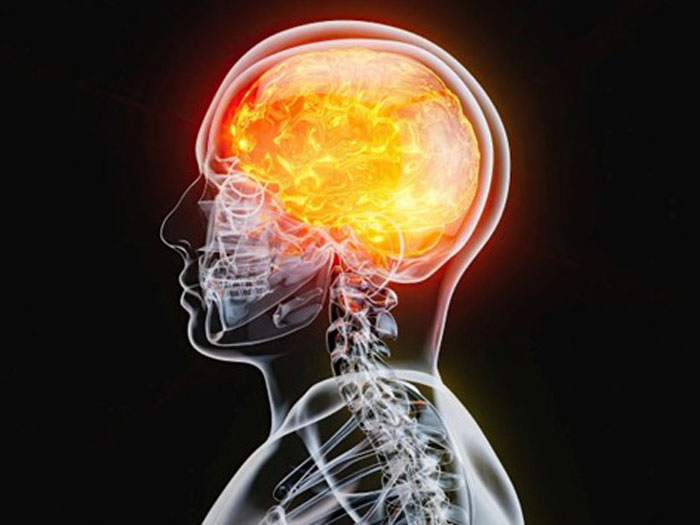
Brain damage with the English name Brain Damage is any type of injury that disrupts the normal function of the brain and causes damage to the brain tissue. These injuries can be sudden and acute, such as severe trauma in accidents and falls, or occur gradually, such as the effects of lack of oxygen and infections.

Brain injuries can severely affect a person's behavior and performance. Its symptoms and consequences are varied depending on the area involved and the severity of the injury. Some people only experience headaches, confusion, or loss of concentration, while others can experience problems with speech, movement, memory, or behavioral and mood changes. In some cases, this complication is accompanied by recovery and the person can return to normal life; But if the severity of the damage is high, it will leave long-term effects and may cause serious problems and even death.
Types of brain damage
All brain injuries are considered a type of head injury and disrupt the normal functioning of the brain; But remember head injury does not necessarily mean brain damage. Specialists divide brain injuries into 2 general categories:
1- Traumatic brain injury (TBI)
Traumatic brain injury (Traumatic Brain Injury) is caused by an external force such as a blow to the head and is associated with the movement of the brain in the skull or damage to the skull; For this reason, the possibility of brain damage is high.
A TBI creates chemical changes in your brain so your brain cells don't function as they should.
Traumatic brain injury (TBI) causes chemical changes in the brain, so your brain cells don't work as they should.
Quoted from the site: clevelandclinic
2- Acquired brain injury (ABI)
Acquired brain injury occurs at the level of brain cells and is often associated with pressure on the brain tissue. This pressure can be caused by a brain tumor or a neurological disease such as a stroke.
Traumatic brain injury and acquired brain injury occur after birth and neither is degenerative. Some brain injuries cause focal or localized brain damage, such as when a bullet enters the brain. This means that the damage is limited to a small area. Closed head injuries often cause diffuse brain damage, affecting multiple areas of the brain. For example, both sides of the brain are affected and nerves are stretched across the brain. In medical terms, it is called diffuse axonal injury or DAI.
Case study of Dr. Keihani Fard's subspecialty clinic
An example of acquired brain damage, a patient who has been with problem seizures and epilepsy lived. This patient suffered damage to the frontal region of the brain as a result of brain infection, which resulted in the creation of a seizure center in the relevant area. During this period, he gradually lost hearing in his left ear and sometimes had sudden deviation of his head to the right side. For some time, his seizures have become more severe; So that he was attacked five times in one day and some of these attacks were Drop Attack which means an attack by falling down; It means that the patient suddenly loses control of his body and falls on the ground.
These changes show that his brain function is disturbed and it can be considered a type of acquired brain damage; It means an injury caused over time and due to repeated seizures of brain infection. The patient also has some impulsive behaviors which could be due to the same brain problems. Be sure to read the article "What causes a brain infection".
Result of examinations
Dr. Keihani Fard's investigations revealed that one of the patient's medications (carbamazepine) may have caused hyponatremia; For this reason, they decided to stop this drug gradually and increase the dose of a better and more appropriate drug, levotirastam, so that the attacks can be controlled and the patient's condition becomes more stable.
The patient also has a history of smoking and addiction, which can make the treatment process more difficult and requires more care.
This patient has problems that show his brain is under pressure and its normal function is disturbed; But with the right treatment, regular seizure control and medical follow-up, we can help improve his condition.
If you experience symptoms of brain infection, head injury, sudden fall, convulsions and confusion, be sure to contact the office.
You can make an appointment right now at the office (get an appointment)
What is congenital brain damage?
There is a type of brain damage that is caused by genetics or birth damage. It is called Congenital Brain Damage. However, it is not included in the standard definition of traumatic brain injury or traumatic brain injury. This damage can have various symptoms, even some of its symptoms are not revealed until the delay in the development of the child or adulthood. Congenital brain damage may cause problems such as the following for the child:
- Cardiovascular problems
- Cleft palate and lip
- Seizures
- Headache
- Bladder and bowel problems
- Blurred vision
- Muscle weakness
Types of congenital brain damage

Congenital brain damage can be caused by neural tube defects or be caused in the structure of the brain. The neural tube usually closes between the third and fourth week after fertilization. This tube will become the spinal cord and the brain will be placed on top of it. If the tube is not closed properly, the tissue inside the tube cannot grow fully.
Congenital brain defects caused by neural tube defects occur due to the following factors:
- Anancephaly: The head end of the neural tube does not close and a major part of the skull and brain does not form. In such a situation, the brain tissue is exposed.
- Encephalocele: Part of the brain protrudes through a hole in the skull. This ridge is often located along the midline from front to back on the back of the skull.
- Arnold-Chiari I&II malformation: Part of the cerebellum, the area of the brain that affects motor control, is displaced downward and into the upper spine. In such a situation, the brain or spinal cord are compressed.
Other types of congenital brain defects are created in the brain structure; Including:
- Hydrocephalus: It is an excessive accumulation of cerebrospinal fluid (CSF), which is also called fluid on the brain and can put a lot of pressure on the brain. Hydrocephalus is caused by CSF circulation disorder.
- Dandy-Walker syndrome: This syndrome is caused by the absence or incomplete development of the central part of the cerebellum.
- Holoprosencephaly: In this condition, the brain is not divided into two halves or hemispheres.
- Megalencephaly: This disease causes a person's brain to be abnormally large or heavy.
- Microcephaly: This damage occurs when the brain does not grow to full size. Zika virus can cause microcephaly.
What causes brain damage?
Brain injuries can occur as a result of a wide range of injuries, diseases and medical conditions. For example, if the brain is deprived of oxygen for a long time due to a blood clot in the brain or a heart attack, it will suffer from hypoxia. Next, we examine the cause of each brain injury:
The causes of traumatic brain injury are:
- Traffic accidents
- Blow to the head
- Sports injuries
- fall or accident
- Physical violence
The causes of acquired brain damage are:
Poisoning or exposure to toxic substances
- infection
- suffocation or drowning
- stroke
- Heart attacks
- tumors
- Aneurysms
- Neurological diseases
- drug abuse
The severity of brain damage can vary with the type of brain injury. A mild brain injury may be temporary. It causes headaches, confusion, memory problems, and nausea. In a moderate brain injury, symptoms can last longer and be more pronounced. In both cases, most patients make a good recovery, although even in mild brain injury 15% of people will have persistent problems after one year.
The severity of brain damage can be different depending on the type of brain damage. Mild brain damage may be temporary. This damage causes headaches, confusion, memory problems and nausea. In moderate brain damage, symptoms can last longer and be more prominent. In both cases, most patients make a good recovery, although even with mild brain damage, 15% of people will have persistent problems after one year.
Quoted from: webmd
Which people are most vulnerable to brain damage?
Some studies show that men between the ages of 15 and 24 are more prone to brain damage due to risky behaviors. Also, this complication is more common in children under 4 years old and adults over 60 years old.
What are the symptoms of brain damage?
The most important symptoms of brain injuries include the following:
1- cognitive symptoms

- Difficulty processing information
- Difficulty expressing thoughts
- Difficulty understanding others
- Reduce attention span
- Inability to understand abstract concepts
- Disturbance in decision-making ability
- Loss of memory
2- Perceptual symptoms
- Changes in vision, hearing, or sense of touch
- Inability to understand time
- Smell and taste disorders
- Problem in balance
- More sensitivity to pain
3- Physical symptoms
- Persistent headaches
- Severe mental fatigue
- Extreme physical fatigue
- Paralysis
- Weakness
- Shiver
- Seizures
- Sensitivity to light
- Sleep disorders
- Stuttering
- Loss of consciousness
4- Behavioral/emotional symptoms
- Irritability and boredom
- Decreased stress tolerance
- Slowness
- Decreasing or intensifying feelings and reactions
- Denial of disability
- Increased aggression
Are you worried about the symptoms of brain damage?
Make an appointment with a specialist with just a few simple clicks and ask for advice (get an appointment)
Symptoms of brain damage in babies and children
Children and infants usually cannot show cognitive, perceptual, physical and behavioral symptoms related to brain injuries. In most cases, traumatic brain injury in children is associated with the following symptoms:
- Change in sleeping habits
- Seizures
- A sad or depressed mood
- sleepiness
- Continuous crying without relief
- Inability to pay attention
- Lack of interest in previously favorite toys or activities
- Change in eating or feeding habits
- Abnormal excitability
Brain damage diagnosis method
Diagnosis of brain injuries is done by a neurologist with the aim of determining the type of injury, its severity and the involved areas. At first, the doctor asks questions about how the injury occurred, the initial symptoms, and the person's medical history and takes a complete history. Then he performs various examinations and imaging tests to check the extent and effect of brain damage. In the table below, you can learn more about the required examinations and tests:
| method of diagnosing brain damage | Description |
| Neurological examination | Checking the level of consciousness, eye movements, muscle strength, balance, speech and other reflexes |
| CT scan | Diagnosis of bleeding, skull fracture, hematoma and brain swelling |
| MRI | helping to diagnose small injuries such as diffuse axonal or brain tissue inflammation |
| cognitive/neurological tests | Checking memory, attention and concentration, information processing power and behavioral changes |
After performing the above tests, it is very important that doctors stabilize the patient to prevent further damage. For this purpose, they check the blood flow, brain oxygen level and blood pressure of the patient regularly.
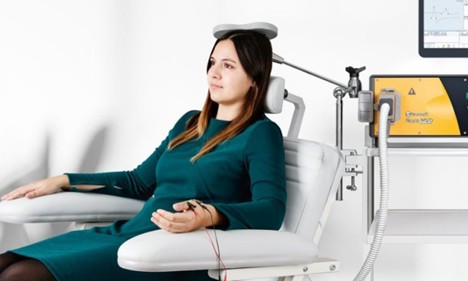
A brain injury is a medical emergency and requires immediate care. Small, mild brain injuries can be just as dangerous as seemingly severe ones; Therefore, they should not be underestimated. The recovery rate of brain injuries depends on the severity of the injury, its type, the speed of treatment and the general health status of the person. Doctors consider the amount of damage and its location as two important factors in the treatment of this condition. Mild brain injuries may recover completely with rest, symptom control, and medical follow-up, but moderate to severe injuries take longer to heal, and the person may not fully regain all of their previous abilities. Of course, brain damage does not necessarily cause long-term disability or impairment. If the correct diagnosis and treatment are done on time, its complications can be minimized. The treatment of brain injuries is a combination of emergency care, drug therapy and specialized rehabilitation. Treatments help control brain swelling and prevent brain bleeding or seizures. Most patients need physical therapy, occupational therapy, and speech therapy to recover movement, speech, and cognitive skills. A regular rehabilitation program under the supervision of a specialist helps the person to be able to do some of his daily activities. Repetitive magnetic stimulation of the brain or rTMS (rTMS) is a new and non-invasive treatment method that is effective in treating some neurological diseases in addition to mental disorders, including improving the performance of patients after stroke. rTMS uses magnetic pulses to stimulate damaged areas of the brain to regulate neural activity in that area. In this method, most of the complications of cerebral ischemia are improved with the help of magnetic stimulation of the brain. Most of the injuries that cause this complication are preventable. To avoid brain injuries, it is better to pay attention to the following points: Brain injury is one of the problems that can affect different aspects of a person's life. This condition changes from physical and cognitive functions to mood and social relationships. Most brain injuries are manageable and long-term complications can be prevented if diagnosed and treated early. Currently, drug therapy, specialized rehabilitation and new treatments such as rTMS help to increase the quality of life of patients. In this article from Dr. Kihani Fard magazine, we introduced you to the types, causes, symptoms and treatment methods of brain injuries. If you have more questions about this, ask us in the comments section.Is there a cure for brain damage?
How is brain injury treated?

Treatment of brain damage with rTMS
Can brain injuries be prevented?
Guide to see a doctor