به یاد فرزندان جاویدان این سرزمین

یادشان همواره در قلب این خاک زنده خواهد ماند

What is PRP face?
مقاله تخصصی

What is PRP face?

3 months ago
482 بازدید
list of topics
**What is PRP facial?** We use different methods to keep our skin youthful and dynamic, because for various reasons over time Over time, the skin ages and loses its freshness. At this stage, facial PRP treatment, which is an important treatment, comes into play. Many people around you may have resorted to this treatment method. So, what is PRP? How is it applied? PRP basically means platelet-rich plasma, which is found naturally in the blood and is rich in platelets. In this sense, it causes the skin to be regenerated and repaired with the person's own blood. In addition, it exhibits rejuvenating and healing effects, so it can be used as a facial rejuvenation treatment. In addition to beauty renewal, goals such as healing wounds, solving hair loss problems and eliminating orthopedic problems are also carried out.
> What is PRP used for?
Since its content is rich in protein, growth factor and collagen, it can be used for various purposes. Thanks to the PRP procedure, the flow of substances between cells increases and new collagen formation is created in the area. The different areas of use of this treatment can be listed as follows: - Solving skin problems such as wrinkles and loss of elasticity - Adding radiance to the skin - Improvement of skin deformities such as wounds and cracks - Reduction of hair loss The PRP method is very effective when applied correctly and has a high success rate when applied by a skilled practitioner. You might like to know more about the price of cheek and chin fillers and the cost of hair mesotherapy, so click on it. PRP or platelet-rich plasma is a new treatment method that uses a person's own blood to treat skin problems such as facial blemishes and other skin disorders. In this method, plasma rich in platelets of the patient's blood is extracted and injected into the skin of the face to speed up the process of skin repair and regeneration and improve skin problems including spots. This method is one of the non-surgical treatments that has become very popular for skin rejuvenation, scar treatment, and skin spot reduction.
What is PRP facial rejuvenation?
This separated blood after centrifugation gives a plasma rich in platelets and helps the growth of skin cells. Since plasma is the part of blood that consists of water and protein, it increases the speed of blood flow and restores tissues. Thanks to plasma containing platelets and growth factors, it is also possible to remove wounds on the skin. For all these purposes, PRP is popular as a facial rejuvenation program. Platelet Rich Plasma or PRP is also known as facial rejuvenation and is a very popular procedure. The facial PRP process begins with the separation of dense parts of platelets and growth factors through a centrifugation process after blood collection. Plasma is the "liquid" part of your blood that is made up of water and protein and allows red and white blood cells to circulate. This protein content includes growth factors that support tissue regeneration and repair and increase blood flow. Platelets are cells that are essential for blood clotting and play a role in the healing process. When tendons, ligaments, muscles, joints, or skin are injured, the body sends platelets and growth factors containing these factors to the site of injury. Facial rejuvenation with PRP, rich in platelets and growth factors, is often preferred in cosmetic procedures. The key chemical components of PRP promote collagen growth. **PRP process for facial blemishes** The PRP process is divided into several steps as follows: A) Blood sampling First, a small amount of blood is taken from the person, usually about 20 ml. This blood is transferred to special tubes where platelets are separated. b) Centrifuge process The collected blood is placed in a centrifuge to separate platelets and other blood cells. In this step, platelet-rich plasma (PRP), which contains high amounts of blood platelets, is separated from other blood components such as red and white blood cells. c) PRP injection to damaged areas of the skin After extracting platelet-rich plasma, this substance is injected into certain areas of the face that have spots or skin problems. Platelets contain growth factors that help stimulate skin regeneration and repair and accelerate the healing process of blemishes and scars. d) recovery period After the injection, there may be some swelling or redness in the injected areas, which usually resolves within a few days. It usually takes a few weeks to a few months to see full results. **How PRP works in the treatment of facial blemishes** PRP specifically helps treat facial blemishes by repairing and regenerating the skin. This method works as follows: A) stimulation of collagen production Blood platelets are rich in growth factors that help stimulate the production of collagen and elastin in the skin. These two structural proteins make the skin firm and elastic and help to reduce the appearance of blemishes and dark skin. New collagen also helps improve skin texture and reduce signs of skin damage. b) Improving blood circulation and increasing oxygen supply to the skin By increasing blood circulation in the treated area, PRP allows the skin to receive more nutrients and oxygen, which is necessary for the regeneration and repair of damaged tissues. This can be effective in treating skin blemishes, especially blemishes caused by acne, aging, or sun damage. c) Reducing inflammation and helping to heal skin injuries Platelets have anti-inflammatory properties that can be effective in reducing inflammation caused by skin blemishes, including acne scars or old scars. Also, these properties can help improve skin color and texture. d) Repairing scars and age spots PRP can help reduce age spots and other sun damage. The growth factors in PRP help stimulate the production of new skin cells and help regenerate damaged skin layers. How is PRP applied to the face?
The use of PRP on the face begins with the doctor taking blood, then centrifuging it and receiving PRP (platelet-rich plasma). Then the applied area (face and neck) is numbed. The facial rejuvenation process begins with PRP injection. PRP treatment for the face is performed using very thin and short needles. This process takes approximately 1 hour. Another method is to use PRP on the skin of the face using a dermapen or dermaroller. In these applications, micro channels are opened in the skin and allow the PRP to penetrate under the skin. You might like to know more about chin botox injections and facial rejuvenation mesotherapy, so click on it.
### How many times should PRP be applied to the face?
How often you do PRP facial treatments is entirely up to you. Depending on the results of each treatment, usually 3-4 treatment sessions every 4 weeks are recommended. Then it can be repeated every 6 months to 1 year.
#### How many days does it take for PRP to show its effect on the face?
After PRP is injected into the face, skin repair mechanisms are activated. According to the expert opinions of those who have done PRP on the face, the first effects are usually skin brightness and vitality that appear within a few weeks. Most people who use PRP say they see the main effect of the treatment within 2-6 months. As a result of months of increased collagen, elastin fibers and vascularization, fine lines are reduced and the skin tightens.
###### How many PRP sessions are applied to the face?
Generally, applying PRP on the face is planned for 3-4 sessions. However, the number of PRP sessions may vary depending on the skin and sun exposure. If all PRP sessions are repeated every 6 months to 1 year, the treatment effect will be longer. **Benefits of PRP for the treatment of facial spots** A) Natural treatment without side effects PRP is a natural treatment that uses a person's own blood, so there is very little risk of allergic reactions or side effects that are common with chemical treatments. This procedure is usually very safe, and since the person's own cells are used, there is no risk of infection or rejection. b) without the need for surgery PRP is a non-surgical procedure and does not require hospitalization or a long recovery period. This allows people to quickly return to their daily activities. Also, without the need for surgical incisions, there is no possibility of leaving a wound or scar. c) natural results Because PRP uses the body's own natural growth factors, the results of this treatment are very natural and in terms of appearance, the skin gradually improves. This method is especially suitable for those who are looking for natural and gradual improvement of their skin condition. d) Long-term results The effects of PRP for the treatment of blemishes are usually stable and long-lasting, as this method helps to regenerate and strengthen the skin structure. After several treatment sessions, many patients see a significant improvement in removing spots and improving the overall quality of their facial skin. **Number of sessions and treatment period** The number of treatment sessions required to treat facial spots using PRP depends on the type and severity of the spots. It is usually recommended that treatment sessions be done at intervals of 4 to 6 weeks. To see full results, usually between 3 and 6 treatment sessions are required. After the initial sessions, maintenance sessions may be needed at more frequent intervals (for example, every 6 months).
One of the examples of successive injections is hand injection:
One month after injection
One week after injection
Before injection
> How is facial PRP performed?
PRP is used by injecting platelet-rich plasma in the required area. The steps of this process are as follows: First, blood is taken from the person to prepare a serum for injection. The drawn blood is transferred to sterile tubes for separation by healthcare professionals. At the end of this process, which takes approximately 30 minutes, a personalized serum is obtained. In the phase of serum preparation, separation is done according to the required area. Finally, plasma is injected into the required areas. Maybe you would like to know what are the uses and benefits of chin botox and hair mesotherapy? Learn more, so click on it.
Benefits of PRP facial rejuvenation
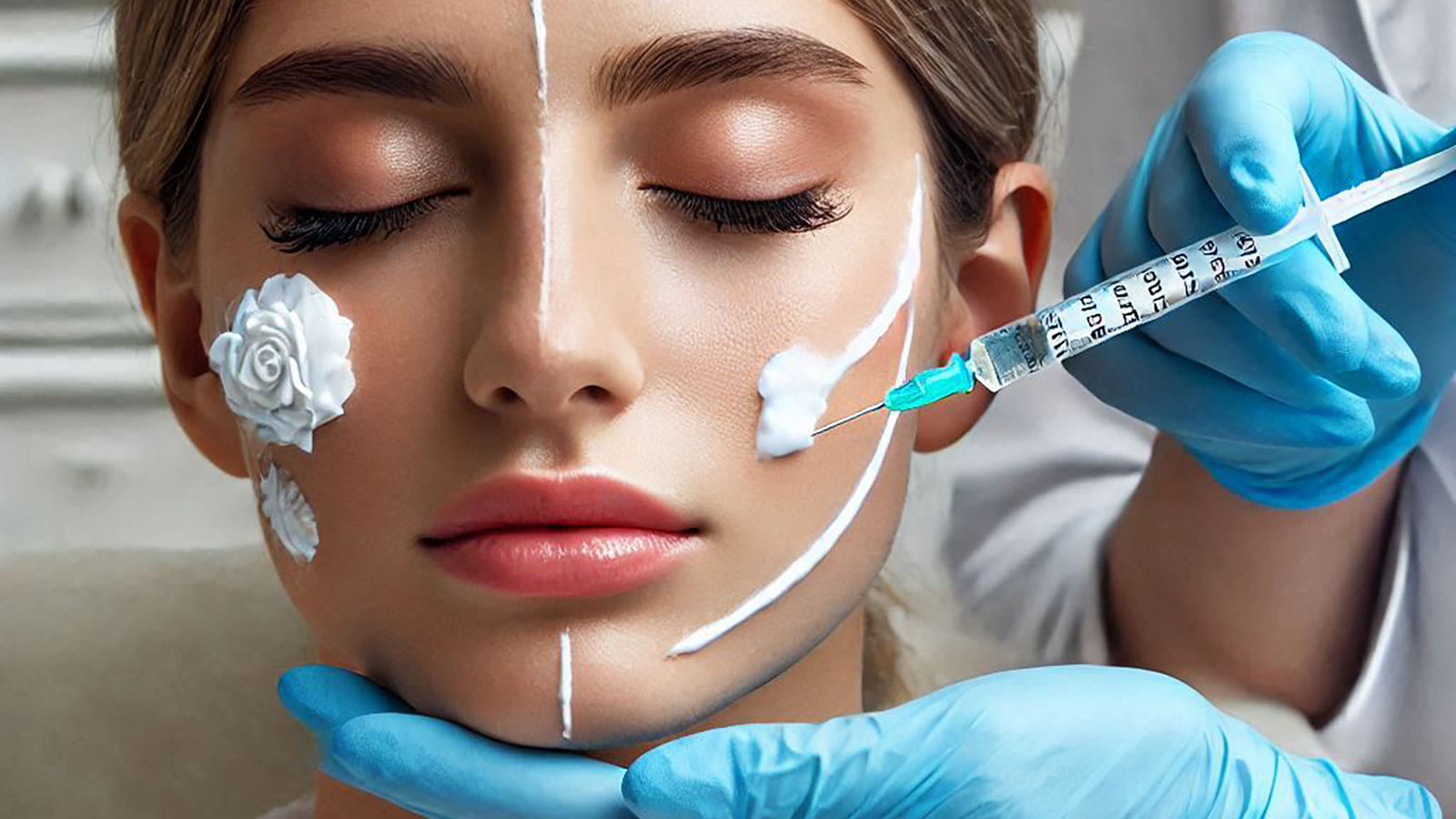
The PRP procedure, which generally tightens the skin and shrinks pores, provides benefits such as: - Improves skin quality. - It renews the skin. - Removes acne marks. - Reduces damage caused by sunlight. - Reduces and tightens pores. - Reduces facial wrinkles. - Removes dark circles under the eyes. - Revitalizes and tightens the facial skin. - Removes facial blemishes and scars. In addition to all this, the PRP method increases the production of collagen, thereby helping to eliminate stretch marks. PRP treatment is a method that helps regenerate the skin by preparing a serum rich in the patient's own blood. It is one of the combination treatments in facial rejuvenation that should be done with other treatments. **When are the effects of PRP visible?** PRP is used in sessions for facial care and rejuvenation purposes, so the durability of the effects increases depending on the frequency of sessions. A classic PRP program is completed in 3-4 sessions at 4-week intervals, and the effects of this method last up to 1 year. After that, the program can be repeated if desired. In general, the first noticeable effect after the procedure is the radiance and freshness of the skin, but the main effects become more apparent over time. After a few weeks of use, with the effect of collagen supplementation, wrinkles are reduced and skin pores are smaller. The use of PRP, which is effective in repairing and renewing the skin, provides lasting rejuvenation naturally. For this reason, there is no harm or complication in repeating the request, but in order to get the most suitable result for the person, the final decision must be made with the doctor's approval. **Complications and care after PRP treatment** A) side effects PRP generally does not have serious side effects, but the patient may experience swelling, redness, or pain in the injected areas after the treatment, which is usually temporary. In some rare cases, slight bruising or bleeding may occur at the injection site, which resolves within a few days. b) Post-treatment care After PRP treatment, it is recommended that a person avoid exposure to direct sunlight and use high SPF sunscreens. Also, due to increased skin sensitivity, it is better to avoid irritating or exfoliating products and give the skin a rest. **Conclusion** PRP is an effective and safe treatment method to reduce facial blemishes and improve skin quality. This method uses the person's own blood and helps to regenerate and repair the skin. PRP is especially great for those looking to treat blemishes caused by acne, aging, or sun damage. This natural and non-surgical treatment can significantly improve skin color and texture, and its results appear naturally and gradually.
اشتراک‌گذاری:

مقالات مرتبط

مقالات دیگر از این نویسنده

144 مقاله
Cheek gel injection for elongated face
مطالعه بیشتر

Cheek gel injection for elongated face

...

3 weeks ago بخوانید
The price of hair mesonedling
مطالعه بیشتر

The price of hair mesonedling

...

3 weeks ago بخوانید
The cost of facial microdermabrasion
مطالعه بیشتر

The cost of facial microdermabrasion

...

3 weeks ago بخوانید

Facial laser for pimples and scars

List topics Toggle mode Many of us have scars and pimples on our face that have become a scourge of our beauty!.. Mayb...

3 months ago بخوانید

Skin rejuvenation by injecting different skin fillers

List topics Toggle modediv>div> Do you know that the cause of many visible signs of aging can be related to the loss o...

3 months ago بخوانید

The latest method of highlighting and shaping lips with lip gel injection

List topics Toggle Mode Nowadays, lip gel injection has become as popular as hair dye.... Of course, highlighting lips...

3 months ago بخوانید

Is gel injection better or botox?

List topics Toggle mode Botox and dermal fillers are cosmetic treatments that are injected.... These methods are less...

3 months ago بخوانید

Eliminate forehead wrinkles and frown lines

List topics Toggle mode Wrinkles and frown lines The skin is destroyed and this causes skin wrinkles... Overe...

3 months ago بخوانید

Do we get rid of blackheads?

List topics Toggle mode Blackheads are one of the most common types of acne... Although blackheads can appear on anyon...

3 months ago بخوانید

Treatment of all types of facial acne

List topics Toggle Types of facial acne can cause different types of skin spots, each with its own appearance and symp...

3 months ago بخوانید

The fastest way to get rid of acne

List topics Toggle mode If the scars left by pimples lower your self-confidence and make you ashamed of your skin, inc...

3 months ago بخوانید

What is microneedling?

List topics Toggle Maybe at the end of 2013, when this news spread everywhere: "Kim Kardashian, a famous celebrity, ha...

3 months ago بخوانید

The miracle of skin and hair rejuvenation with mesotherapy

List topics Toggle mode Mesotherapy treatment process can be used to treat various cases, including dehydration The bo...

3 months ago بخوانید

How to clean the skin with microdermabrasion?

List topics Off Microdermabrasion is a cosmetic procedure... In this process, a skin care professional removes the top...

3 months ago بخوانید

What to do before and after injecting the gel?

List topics Toggle mode Today, gel injection is one of the most widely used methods in the field of beauty.... One of...

3 months ago بخوانید

Face shaping with cheek gel injection

List topics Off Cheek gel injection is a cosmetic procedure used to shape the face, increase volume and rejuvenate the...

3 months ago بخوانید

Can botox last longer?

List topics Toggle mode This is one of the most frequently asked questions by professionals.... After botox injections...

3 months ago بخوانید
Pagedone
Resources
Products
©GCORP LLC 2026, All rights reserved.